Decoding Engineering Parameters for a Industrial Conveyor Pulley
Selecting the correct conveyor pulley for a demanding bulk-material application requires a firm grasp of technical specification sheets. When engineers evaluate subcomponents for heavy-duty belt lines, they must translate various physical metrics into reliable operational boundaries. A conveyor pulley is characterized by multiple interconnected variables, ranging from geometric dimensions to material grades and dynamic load capacities. Misinterpreting any single field can lead to premature structural fatigue, shaft deflection, or premature bearing failure.
Specification sheets typically present data across several distinct categories. Understanding the exact units and the physical implications of each field ensures that the selected conveyor pulley matches the mechanical and environmental demands of the system without unnecessary over-engineering.
Key Specification Fields and Their Engineering Units
Manufacturers outline technical data using standardized metric or imperial units. Reviewing these specific fields helps technical teams verify compatibility with existing drives and structural frames.
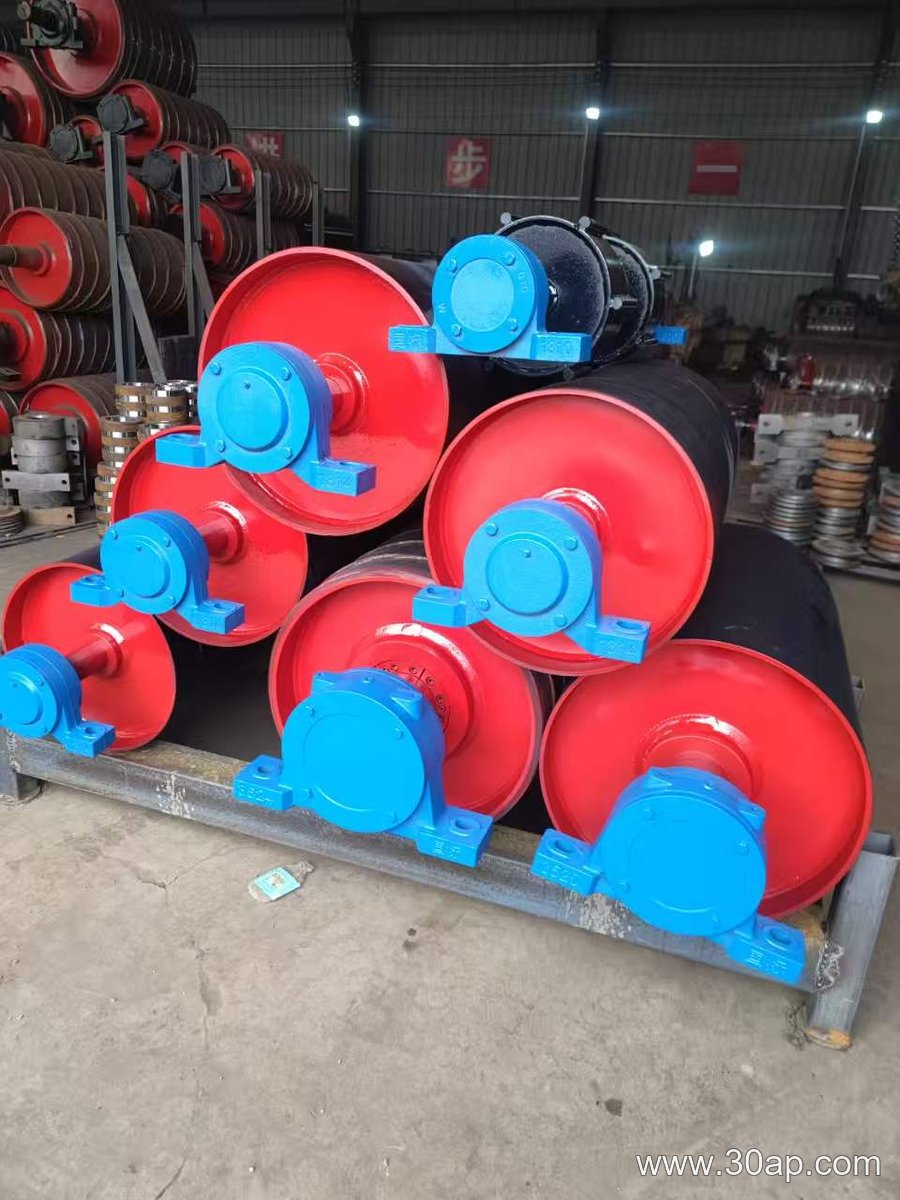
- Shell Diameter and Face Width: Usually expressed in millimeters (mm) or inches (in). The shell diameter dictates the minimum bending radius for the belt carcass, while the face width must exceed the belt width to accommodate lateral tracking tolerances.
- Shaft Diameter: Measured in millimeters (mm) at the bearing seat and locking assembly zones. This dimension directly influences the section modulus and resistance to bending under high radial loads.
- Radial Load Rating: Expressed in kiloNewtons (kN) or pounds-force (lbf). This figure represents the maximum allowable combined tension exerted by the belt on the conveyor pulley.
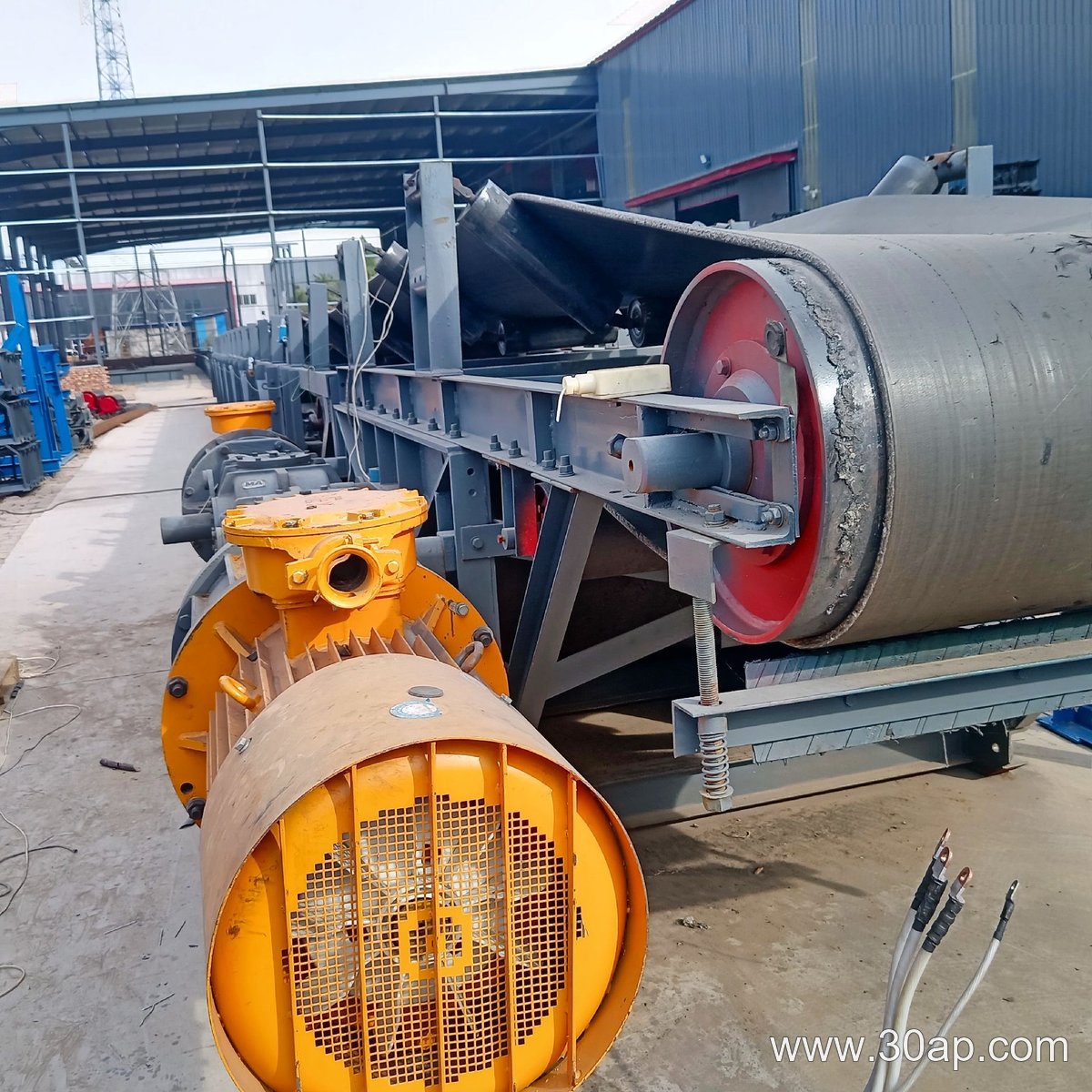
- Torque Capacity: Measured in kiloNewton-meters (kN·m) or pound-feet (lb-ft). It defines the maximum rotational force the locking elements and shaft can transmit without slippage, primarily relevant for drive units.
- Surface Speed: Quoted in meters per second (m/s) or feet per minute (fpm), constrained by the dynamic balancing grade of the assembly.
How to Read and Cross-Check Pulley Data Sheets
Reading a technical data sheet effectively involves checking how different parameters interact under load. For instance, a larger conveyor pulley diameter reduces the bending stress on the outer steel shell, allowing it to withstand higher radial tensions. However, increasing the diameter also increases the rotational inertia, which requires more starting torque from the drive motor.
Engineers must cross-check the maximum radial load against the shaft deflection limits. A common specification metric is allowable angular slope at the bearing seat, often restricted to a fraction of a degree to prevent premature roller bearing binding. If a data sheet lists a high load rating but omits deflection limits or dynamic balancing grades, technical reviewers must request supplementary documentation.

Evaluating Lagging Specifications and Environmental Ratings
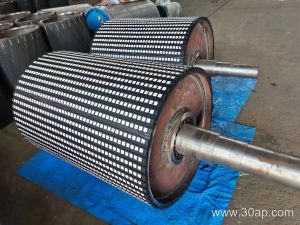
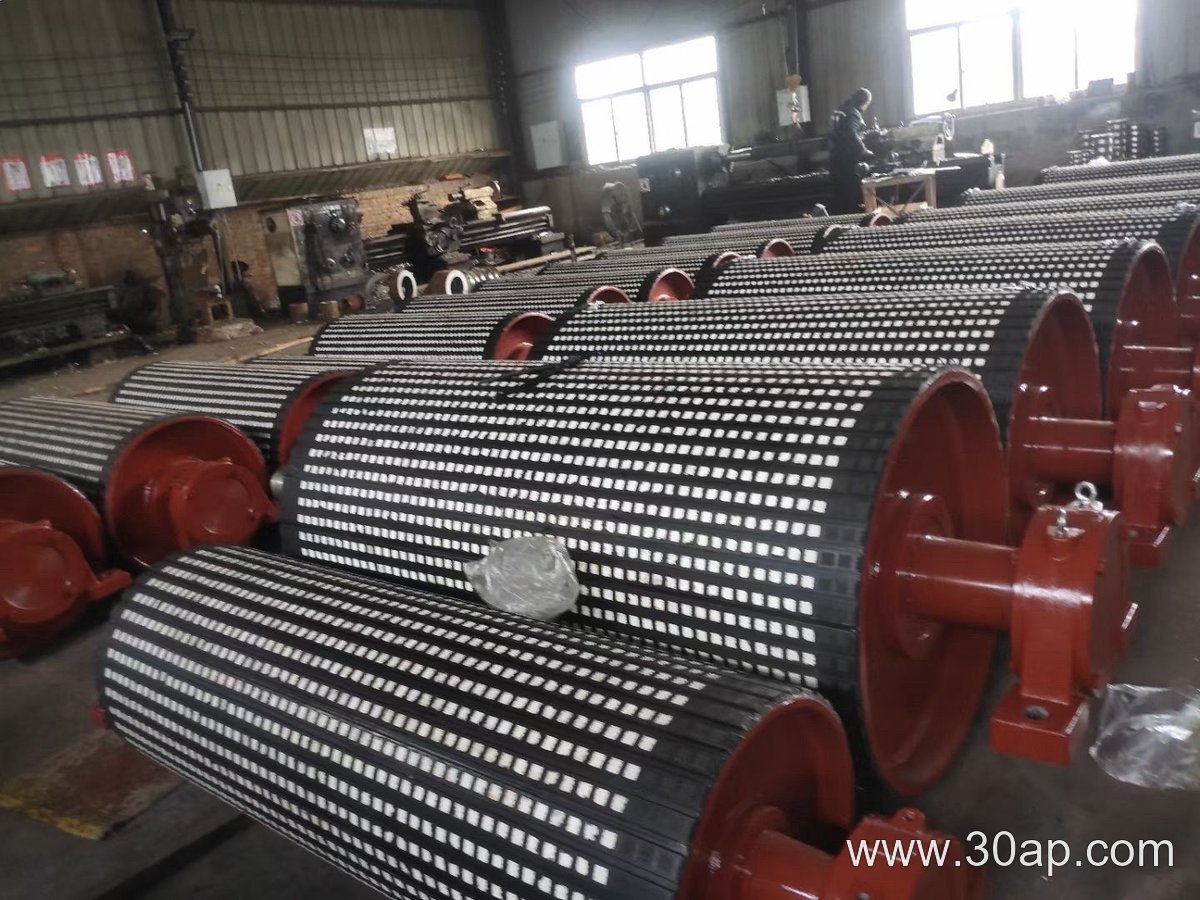
Beyond structural steel dimensions, the protective covering plays a crucial role in operational performance. Lagging thickness is typically specified in millimeters, with standard grades ranging from 10 mm to 25 mm or more for heavy impact zones. Hardness is measured on the Shore A durometer scale, where values around 60 to 70 provide an optimal balance between friction generation and abrasion resistance.
Environmental resistance ratings are also critical. In cement plant clinker handling lines or abrasive mineral processing circuits, the conveyor pulley lagging material must feature high resistance to cut-and-chip wear as well as thermal degradation. Specifications may reference compound types such as SBR (Styrene-Butadiene Rubber) for general service or NBR (Nitrile) when oil resistance is required, ensuring the outer surface maintains its coefficient of friction over its operating lifespan.