Evaluating Shell Materials for Port Terminal Bulk Handling
When procuring an idler roller for a high-volume bulk-material port terminal, engineering teams often debate between conventional carbon steel and high-density polymer shells. A port terminal handling millions of tons of imported coal, bauxite, or iron ore subjects conveyor lines to relentless operational hours, wind-blown moisture, and abrasive dust. Selecting the wrong material leads to premature shell wear, bearing contamination, or inflated capital expenditures. To balance application fit against purchasing cost, procurement managers must analyze how each material performs under harsh coastal conditions versus its initial financial outlay.
Carbon Steel Shells for Heavy Impact and High Load Duty
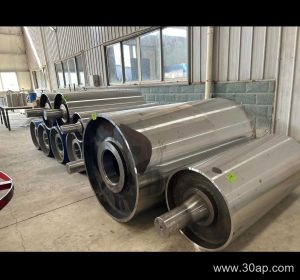
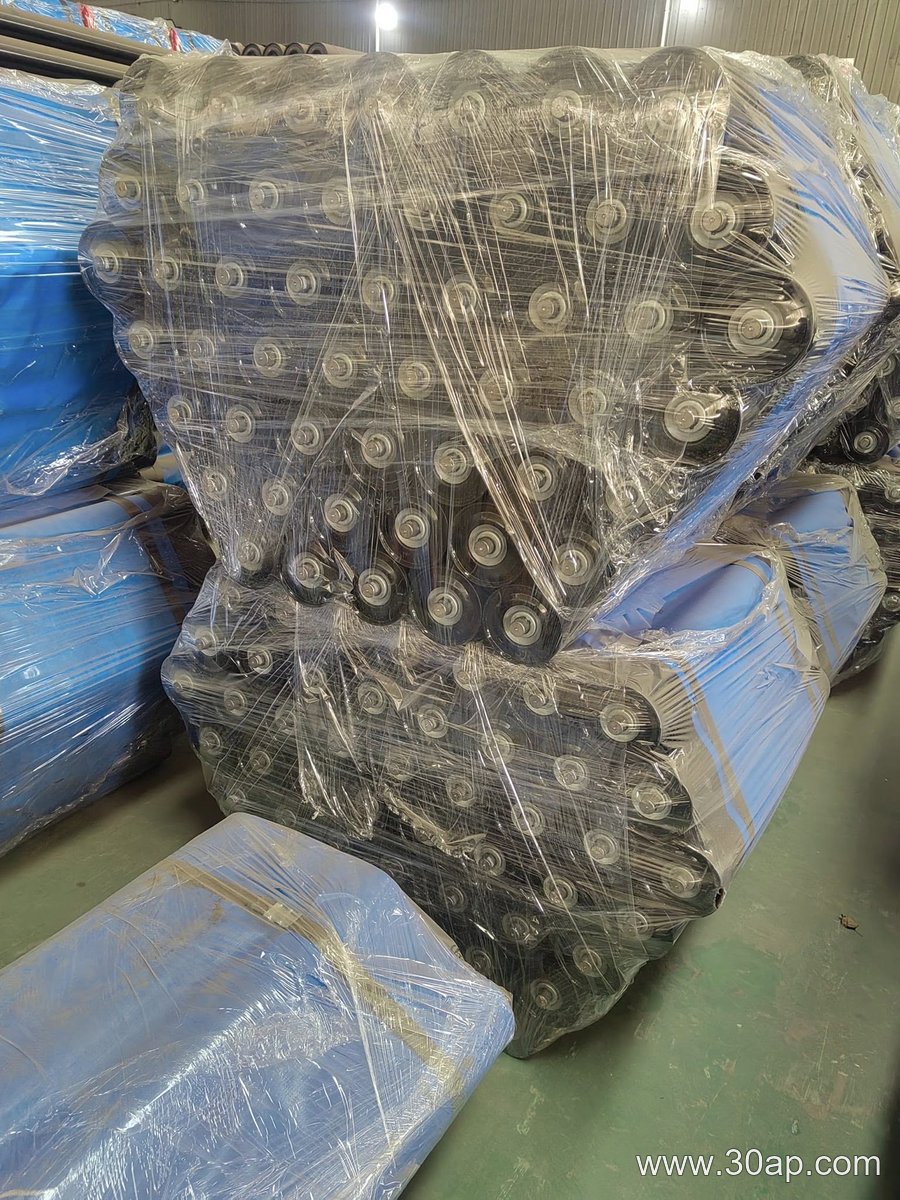
Carbon steel remains the traditional benchmark for an idler roller operating in demanding industrial environments. Its primary advantage lies in structural rigidity and resistance to high impact forces. At a ship-loading berth where heavy cargo drops onto the belt from height, steel shells absorb severe shock loads without cracking or deforming.
- High tensile strength handles heavy belt tensions over long spans.
- Excellent thermal stability prevents shell distortion under friction heat.
- Readily available in various standard thicknesses and diameters for easy replacement.
However, carbon steel introduces distinct purchasing trade-offs. In a marine port atmosphere laden with salt spray and humidity, unprotected steel is prone to rapid corrosion. Even with industrial-grade powder coating or painting, once the outer layer chips, rust creeps beneath the surface. Furthermore, steel rollers carry a heavy deadweight, which directly increases the rotational inertia of the conveyor system and drives up long-term motor power consumption. Procurement costs for heavy-walled steel are moderate, but replacement frequency in corrosive zones can offset initial savings.
Polymer and Composite Shells for Corrosion Resistance and Low Weight
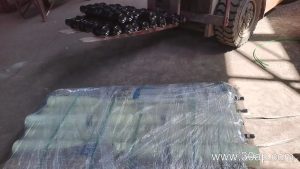
Engineering plastics and composite materials offer a compelling alternative for specific zones within a port facility. A polymer-shelled idler roller excels in wet, highly corrosive environments where steel deteriorates within months. Because synthetic materials are chemically inert to salt water and many chemical fertilizers handled at bulk terminals, they eliminate rust-related seizures.
- Inherent corrosion resistance extends service life in marine atmospheres.
- Significantly lower weight reduces overall stringer load and starting torque.
- Smooth non-stick surfaces prevent sticky material buildup and belt tracking issues.
Despite these performance benefits, polymer materials involve purchasing constraints. High-performance engineering polymers generally carry a higher initial unit cost than standard carbon steel tubing. Additionally, under extreme point loads or severe impact zones near transfer points, polymer shells may exhibit lower impact resistance or thermal limits compared to steel. Procurement planners must restrict polymer deployment to corrosive carry zones or low-impact return runs to optimize the cost-benefit ratio.
Balancing Application Fit Against Purchasing Cost
Choosing between steel and polymer requires mapping the conveyor profile zone by zone rather than applying a blanket specification. At the primary receiving hopper where impact is severe, a carbon steel idler roller is the logical, cost-effective choice despite potential corrosion risks. Conversely, along the long elevated gallery conveyors exposed to ocean mist, investing in polymer or hybrid constructions prevents premature maintenance callouts.
Procurement teams should calculate total cost of ownership by factoring in energy savings from reduced rotating weight alongside initial part pricing. By matching shell material strictly to localized environmental and mechanical demands, terminals achieve reliable material transport without overspending on unneeded performance grades.