What Determines the Shell Thickness of a Conveyor Pulley Handling Heavy Mineral Ore
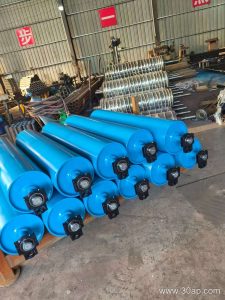
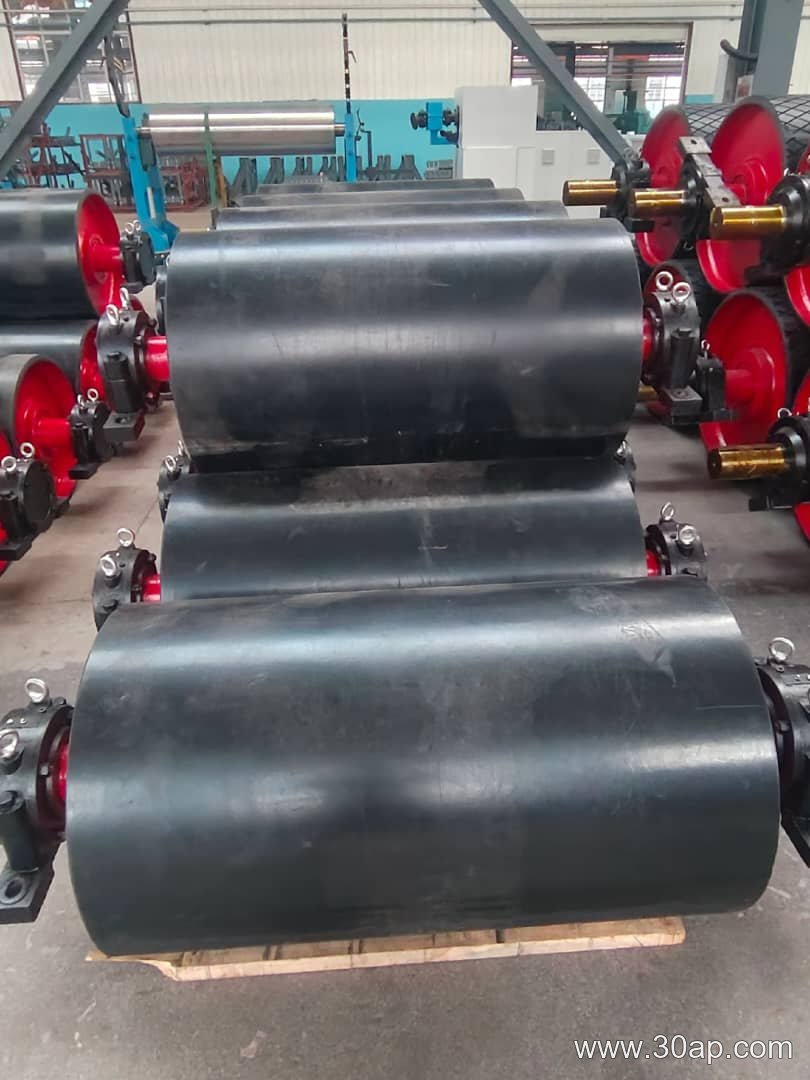
In a heavy mineral-processing plant, a conveyor pulley must withstand high belt tensions and severe impact forces from dense iron ore. The primary factor deciding shell thickness is radial load distribution combined with the allowable deflection across the face width.
How Do Operational Loads Influence Wall Dimensioning
Engineers calculate shell thickness by evaluating maximum bending moments and torsional stresses. If the wall is too thin, the conveyor pulley will deform under high tension, causing premature bearing failure and uneven lagging wear.
Why Is Face Width Critical for Structural Integrity
Wider components require thicker steel plates to prevent central sagging. Manufacturers balance weight and rigidity to ensure the conveyor pulley maintains reliable contact with the belt fabric throughout its operating lifecycle.
Galvanized Conveyor Bracket Application in Cement Plant Raw Grinding
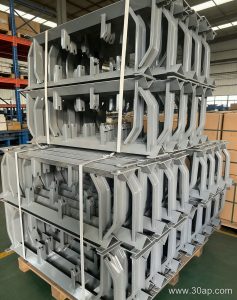
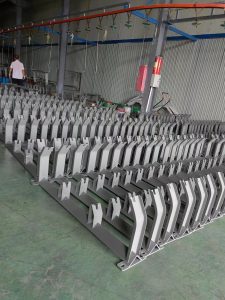
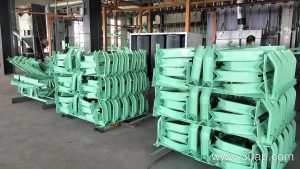
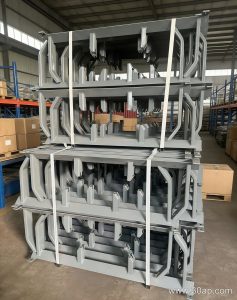
In a heavy cement plant, the raw grinding line generates continuous vibration and abrasive clinker dust. A galvanized conveyor bracket must securely anchor idler rollers under these harsh conditions. Zinc coatings protect the structural steel from abrasive wear and ambient moisture.
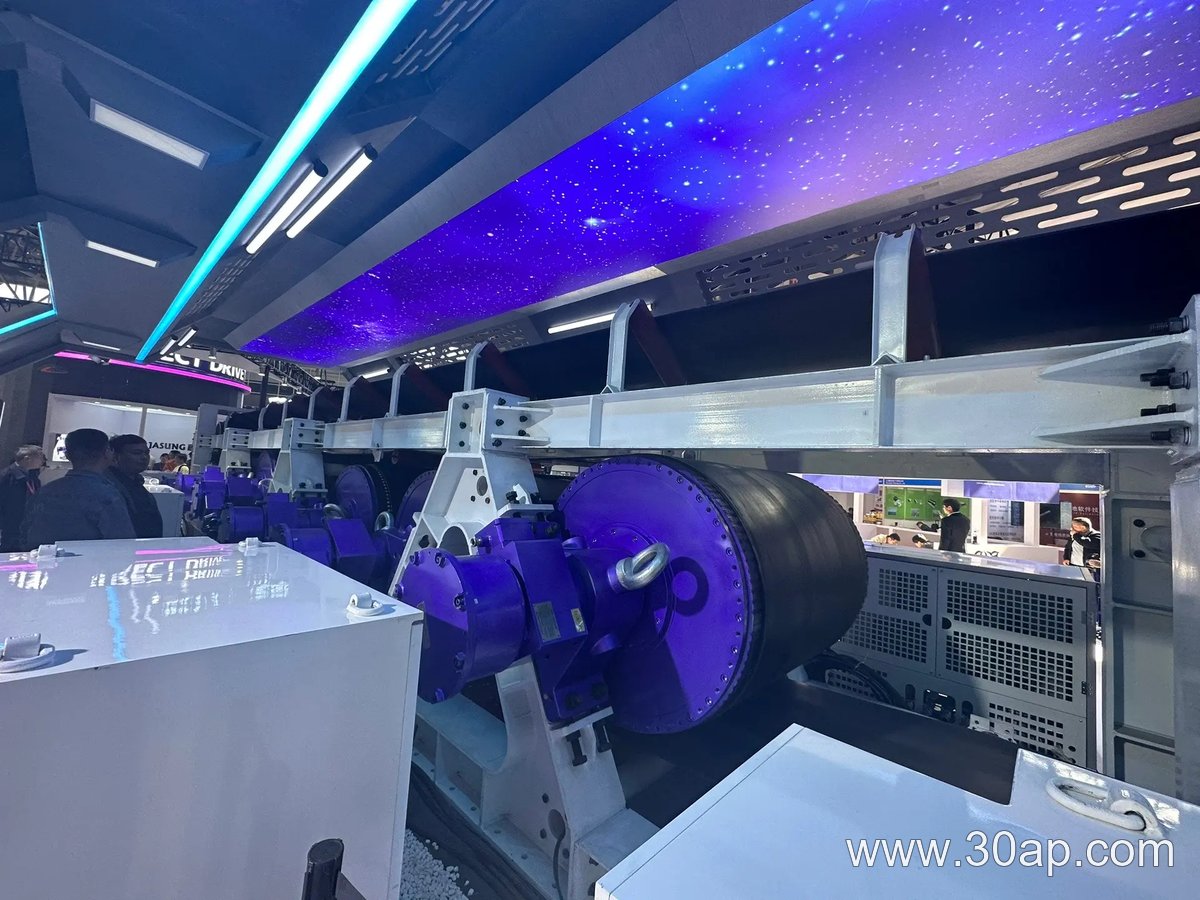
Engineers mount each heavy-duty steel conveyor bracket along stringers to maintain precise alignment despite constant mechanical shock from the mill feed. Proper selection prevents premature fastener loosening and structural fatigue.
Understanding the DIN Y Technical Designation
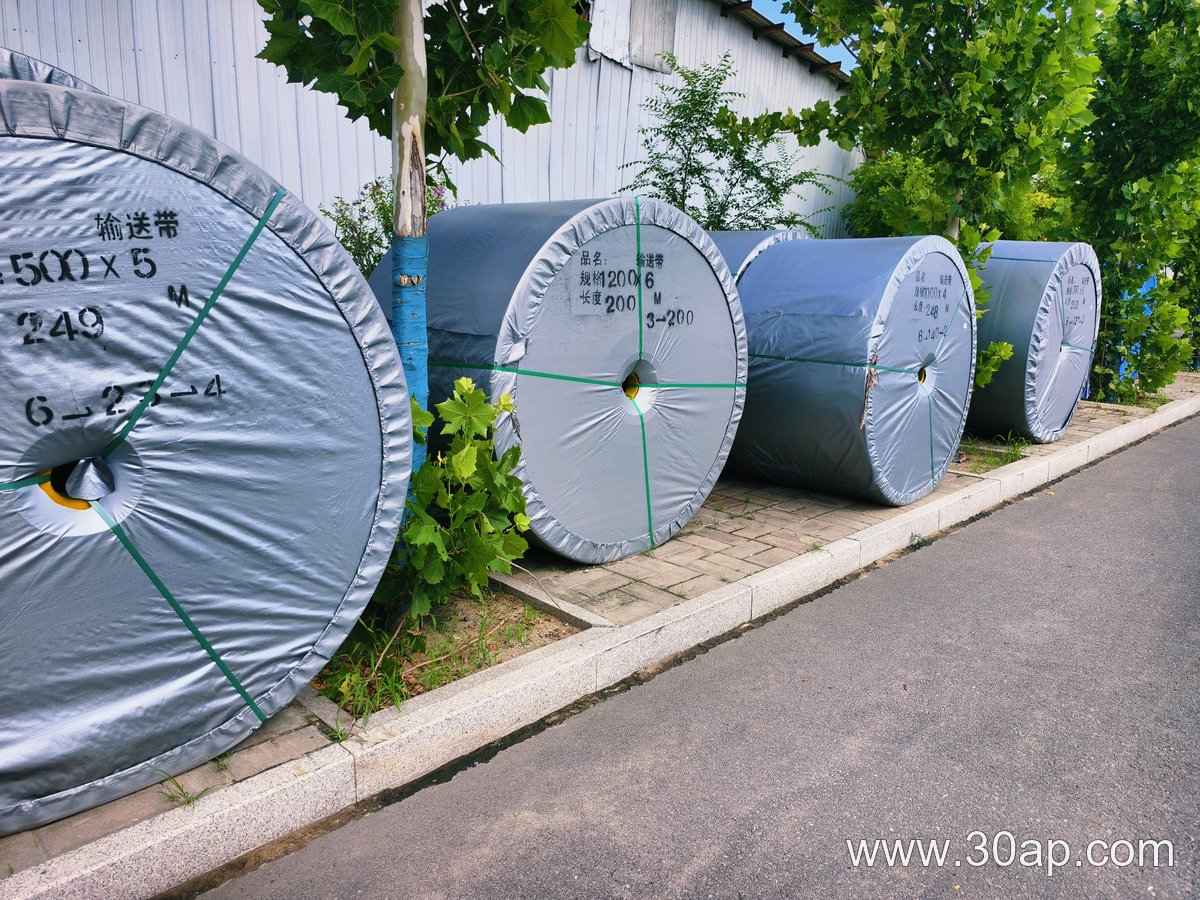
In heavy aggregate processing, specifying the correct cover grade dictates longevity. The technical designation DIN Y represents a standard classification for rubber compounds formulated specifically to resist abrasive wear. When selecting a conveyor belt for a dusty quarry processing jagged granite or basalt, engineers evaluate the DIN Y rating to predict how much rubber volume will be lost per cubic millimeter under continuous friction.
Impact on Engineering Decisions and Cover Design
Choosing a DIN Y compliant top cover directly influences carcass protection and replacement frequency. Because abrasive mineral dust accelerates wear at loading points, mechanical designers increase the top cover thickness of the conveyor belt to absorb higher impact energy. This engineering decision balances initial capital expenditure against operational uptime, ensuring the internal textile or steel cord carcass remains shielded from sharp aggregate penetration throughout its operational life cycle.
- Evaluates abrasive wear resistance via standardized volume loss testing.
- Guides top cover thickness selection based on aggregate sharpness and drop height.
- Balances capital investment against reduced maintenance frequency in dusty environments.
Calculating Shell Thickness for a Dusty Quarry Conveyor
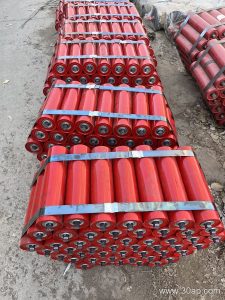
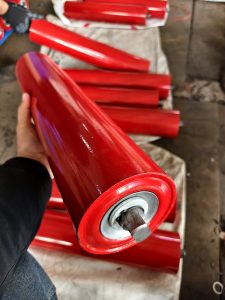
In a hypothetical limestone quarry upgrade, engineers must calculate the minimum shell thickness for an idler roller positioned directly beneath the primary crusher discharge chute. To determine this value, the design team assumes a maximum lump size of 150 millimeters, a drop height of 1.2 meters, and a belt speed of 2.5 meters per second.
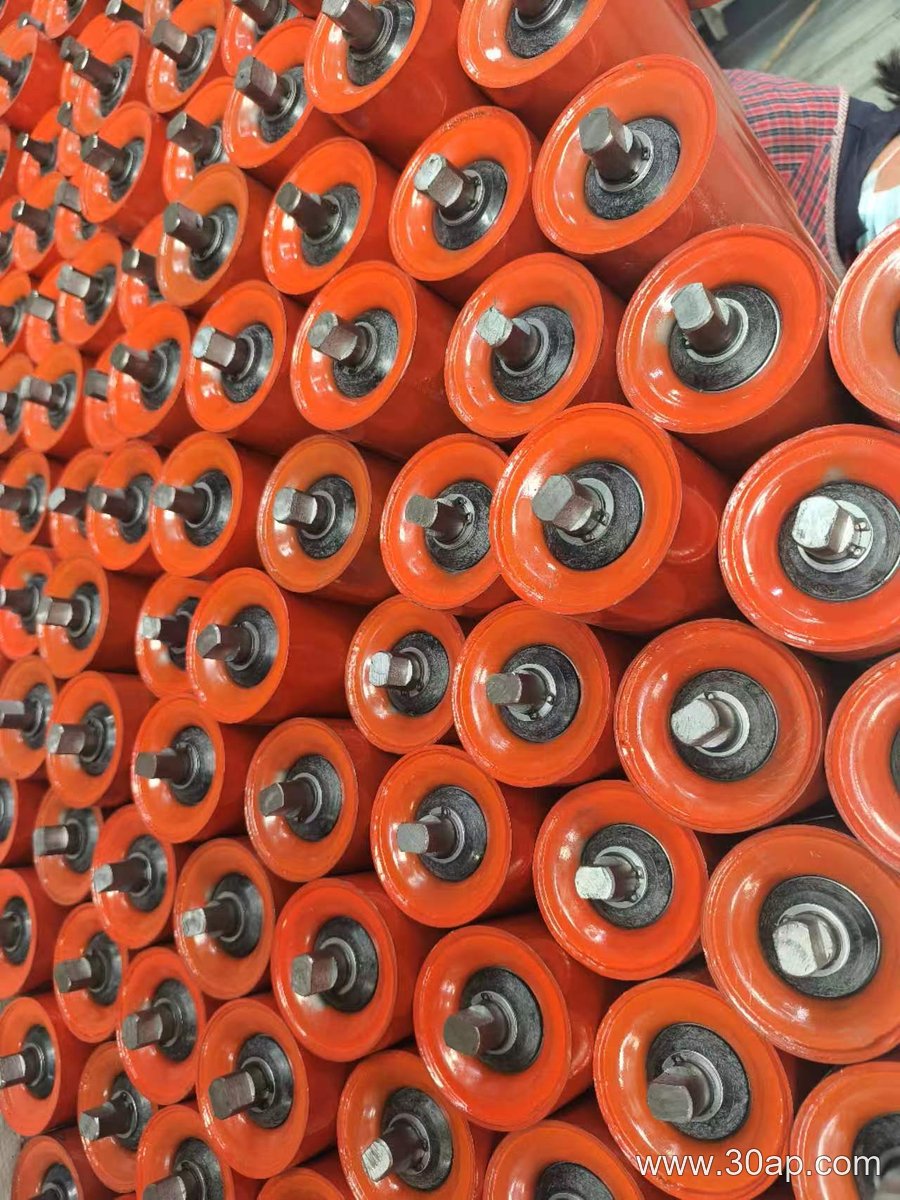
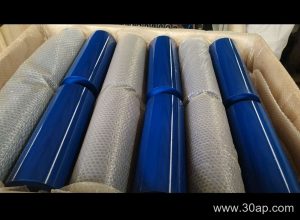
The engineering decision balances impact resistance against rotational inertia. While a thicker steel wall prevents denting from heavy, sharp-edged rocks, it also increases the starting torque required by the drive motor. The calculations dictate a 6-millimeter seamless steel tube to absorb high localized kinetic energy without premature fatigue failure.