What causes return-run squeal in an idler roller
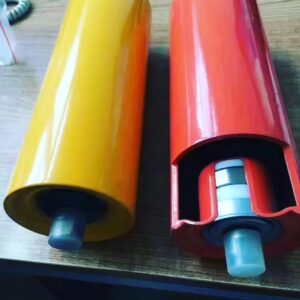
Ask whether the noise follows the roller or the belt position. If the same idler roller squeals after being swapped to another frame location, the roller is the source. If the noise stays at the same frame, the problem is alignment or belt tracking.
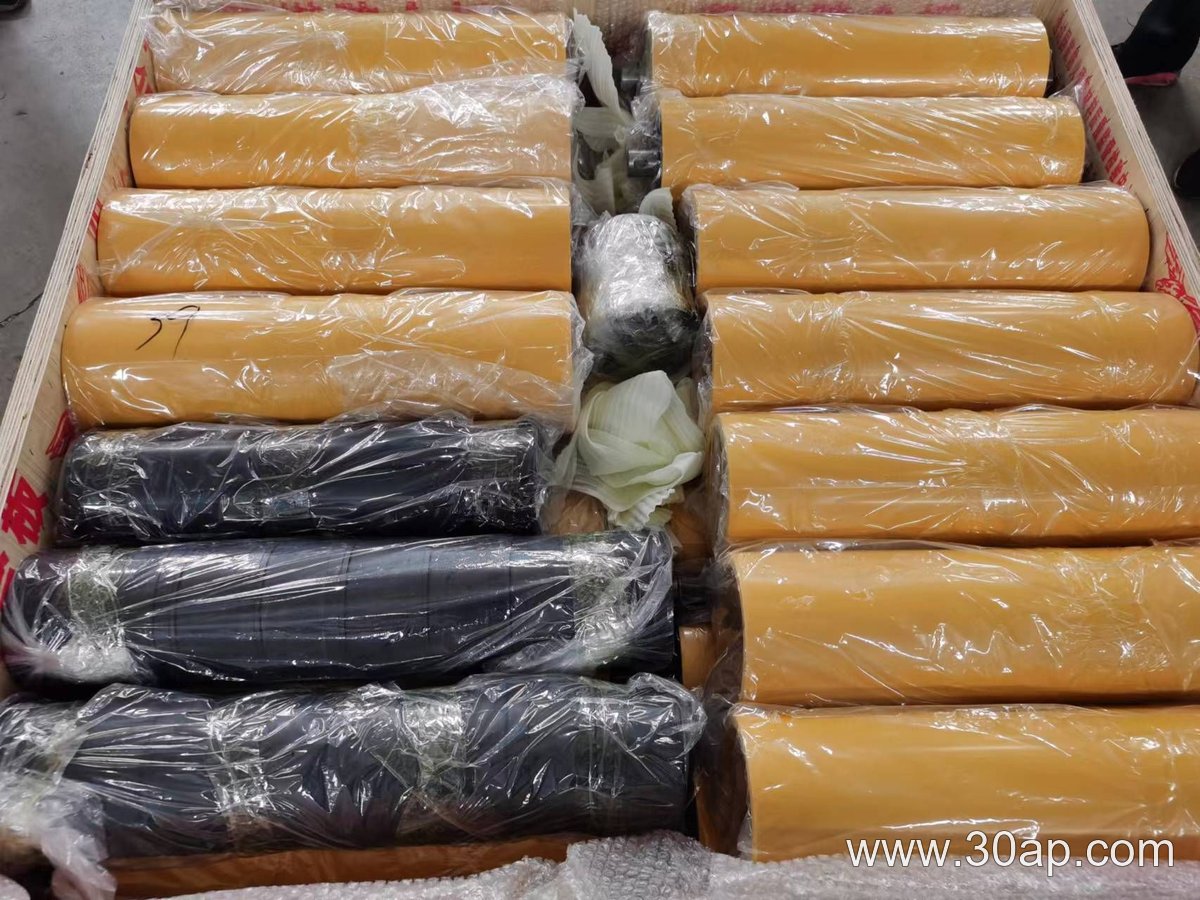
Checks to run in order
- Turn the idler roller by hand and listen for dry bearing noise.
- Confirm the roller is square to the belt path, not skewed.
- Inspect the seal area for dust ingress or hardened grease.
- Compare return-run load with the original design assumption.
A skewed idler roller on the return run can squeal because the belt edge rubs the shell. Correcting frame squareness often removes the noise without replacing the roller.
Start With the Operating Conditions, Not the Catalog
Choosing a conveyor pulley for a bulk port terminal is a decision path, not a single rating. Work through material, speed, temperature and duty in that order.
Material and Lagging
- Abrasive ore favors a thick, wear-resistant lagging.
- Wet or oily belts need a grooved profile to shed water.
Speed, Temperature and Duty
High belt speed raises bearing and balance demands. Cold ambient conditions make some rubber grades brittle, so confirm the lagging temperature range. Shock loading at the loading point pushes you toward a heavier shaft and hub connection.
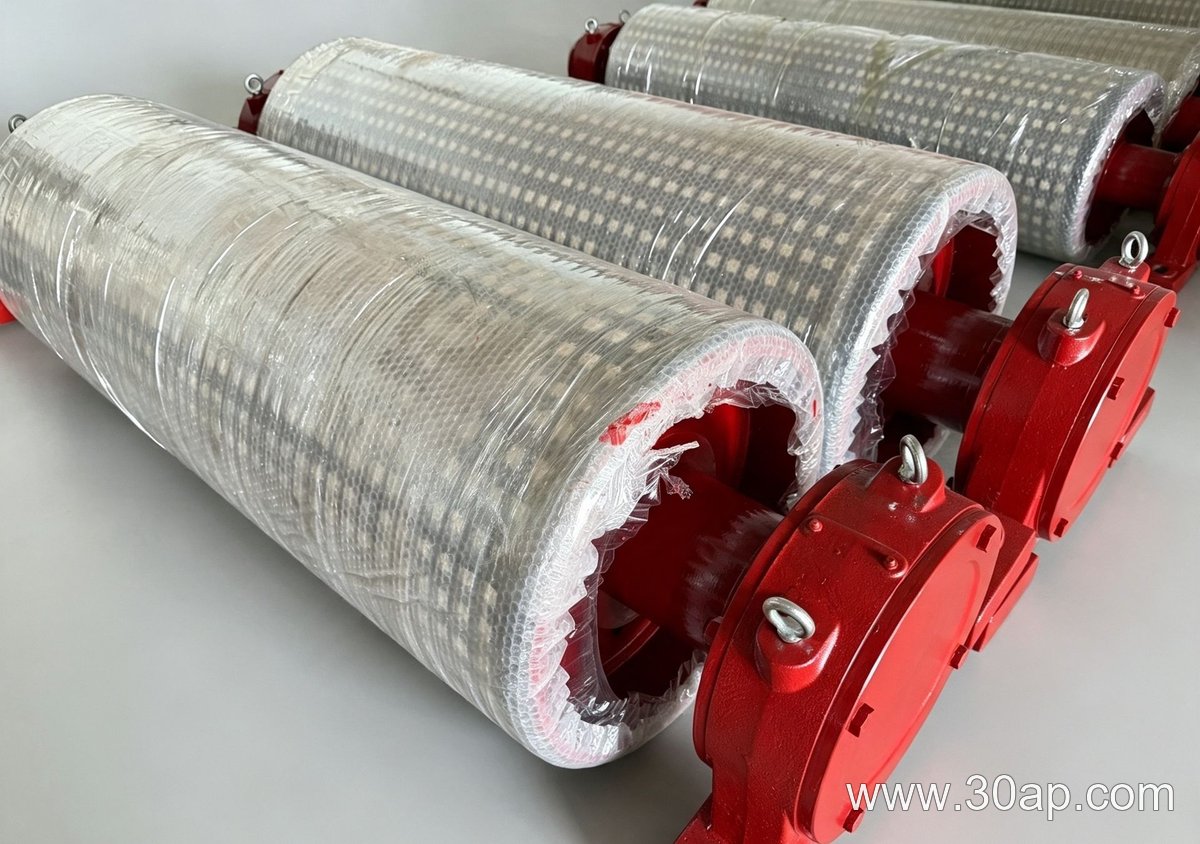
Final Check
Match the pulley diameter to the belt carcass and wrap angle, then verify the shaft against the actual torque and radial load. If any condition is uncertain, treat the values as hypothetical and recalculate.
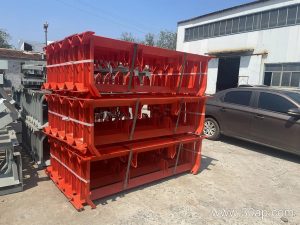
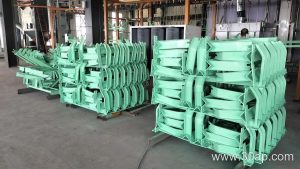
A conveyor bracket that cracks at the weld toe often fails from fatigue, not overload. In a mineral-processing plant, repeated belt loading and material impact cycle the bracket. Cracks start where the weld meets the base plate.
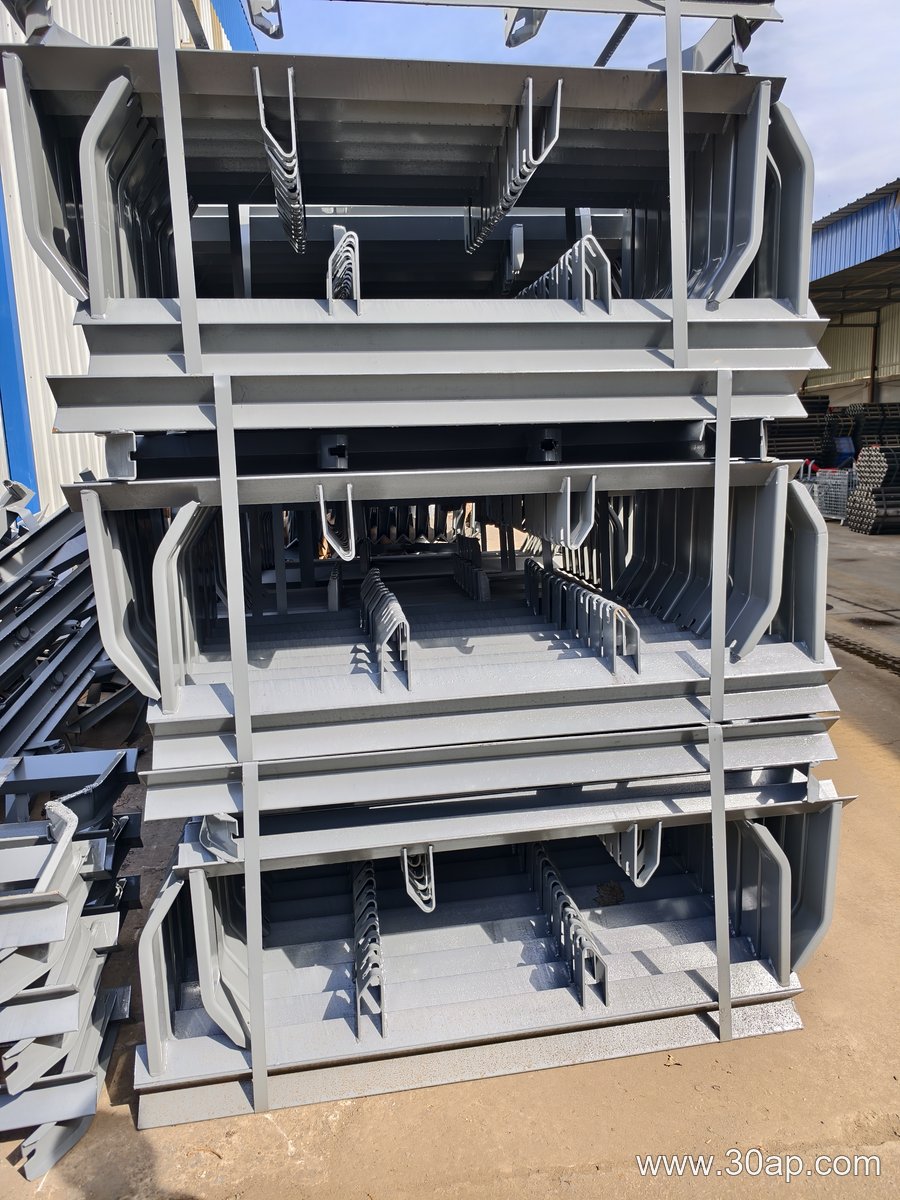
What causes weld-toe cracking on a conveyor bracket
Three plausible causes: poor weld profile creating a stress riser, loose mounting bolts allowing movement, or a bracket too stiff for the vibration. Check weld toe grinding, bolt torque, and bracket stiffness.
Why Does a Wet Outdoor Conveyor Belt Mistrack Only When It Rains?
A wet outdoor conveyor belt that runs true in dry weather but drifts in rain usually has a water-related fault, not a worn belt.
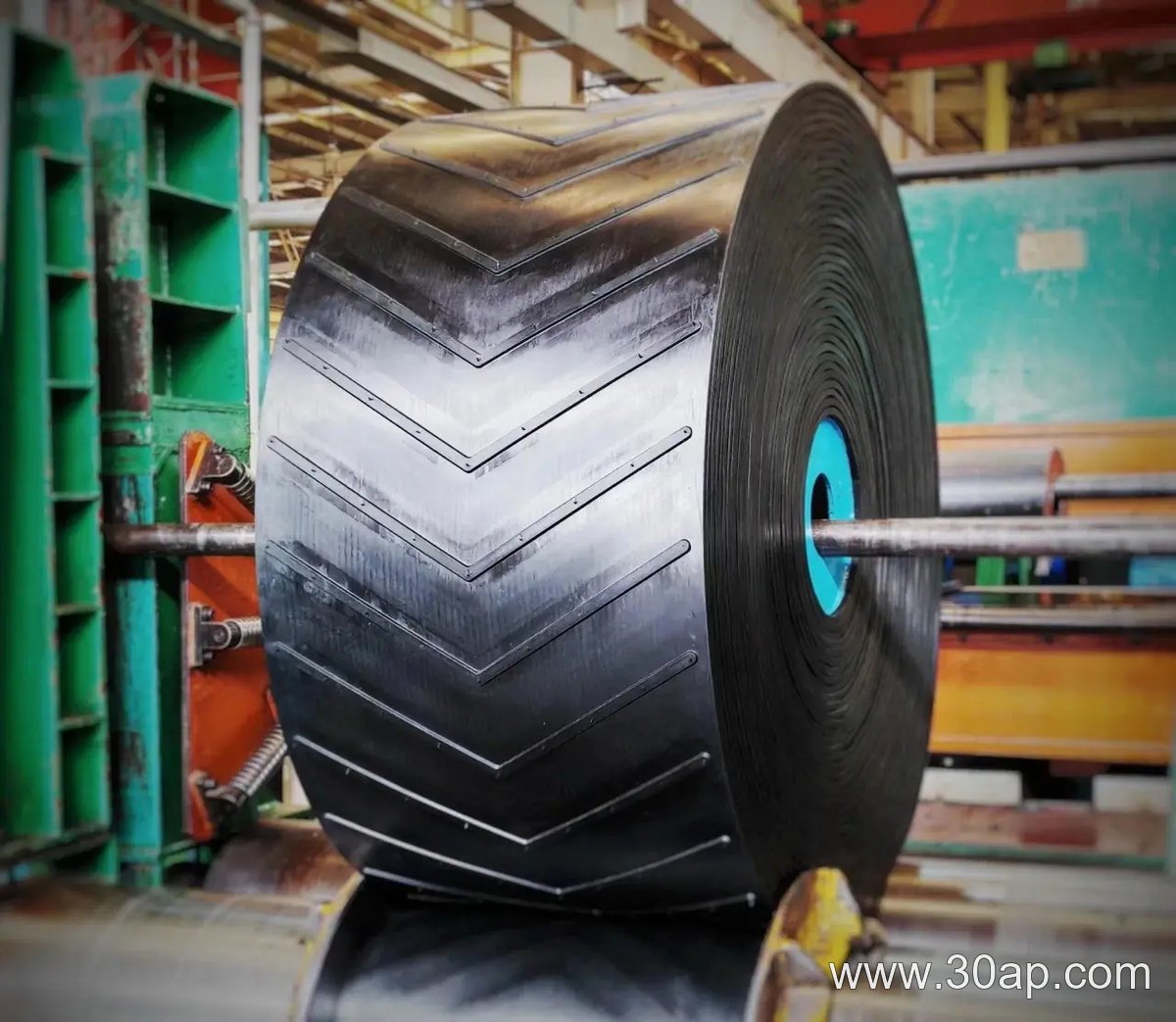
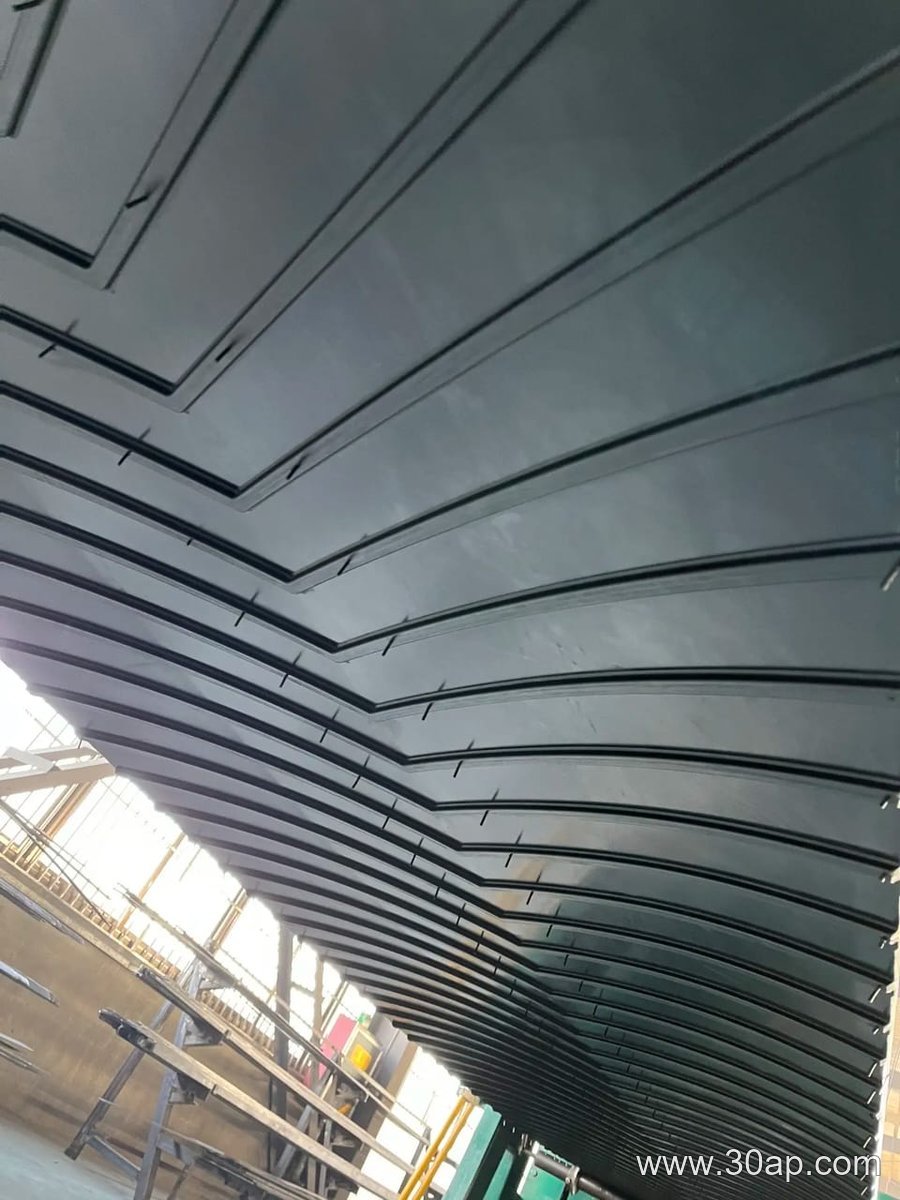
Plausible Causes and Checks
- Water film on the pulley reduces friction, letting the conveyor belt slide sideways.
- Uneven loading sticks wet fines to one side, shifting the belt’s center of gravity.
- Rainwater pooling on an idler or structure changes roller alignment.
Dry the pulleys, clean the belt, and recheck tracking under load before replacing anything.