Flat or Cleated Conveyor Belt for Steep Inclines
A common misconception is that any conveyor belt can climb a slope if the drive is powerful enough. In practice, a flat conveyor belt relies on friction, and loose ore slides back once the incline exceeds the material’s angle of repose. A cleated conveyor belt solves this with raised crossbars that hold material in pockets.
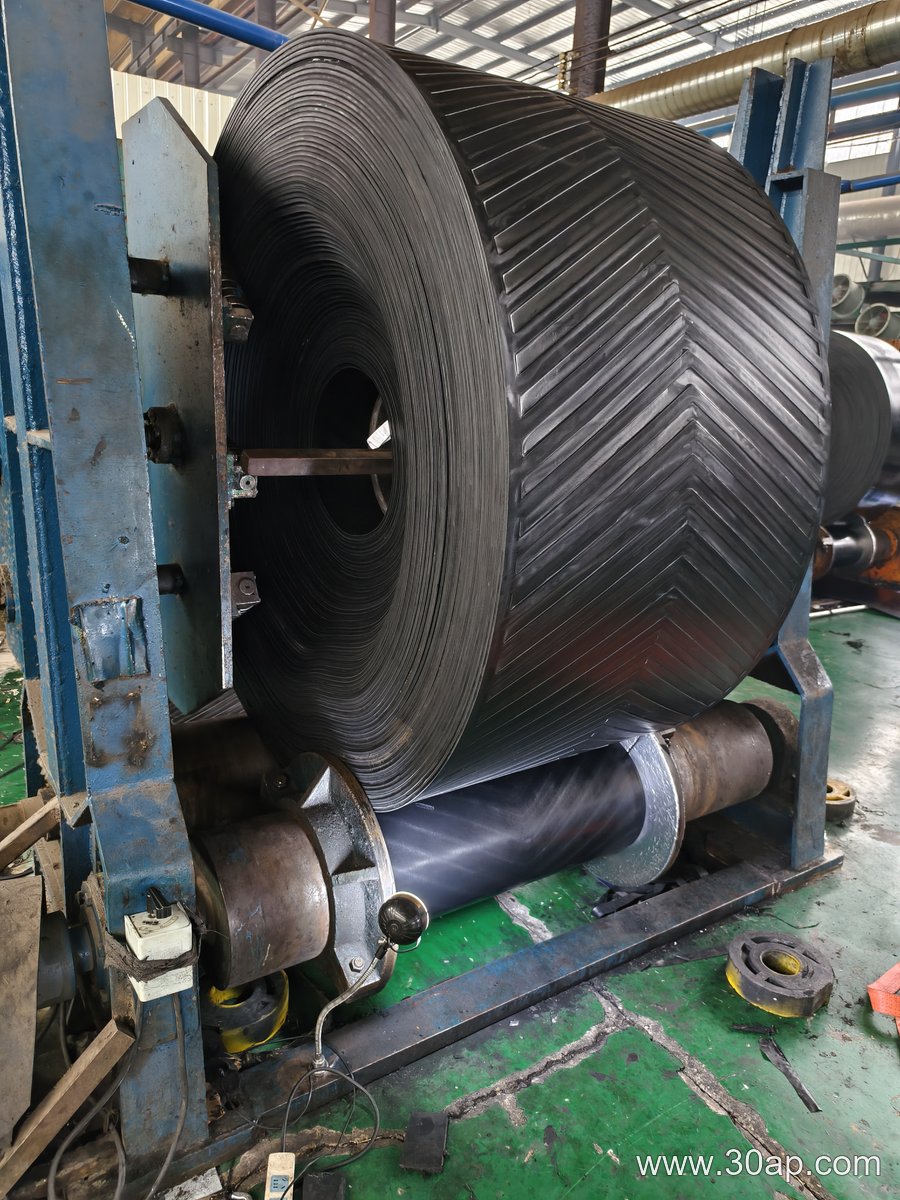
Benefits and Limits of Each Subtype
- Flat conveyor belt: simple, easy to clean, low maintenance; limited to shallow inclines and free-flowing material.
- Cleated conveyor belt: handles steep angles and prevents rollback; higher initial cost, harder to clean, and cleats can catch fines.
In a mineral-processing plant, choose flat belts for gentle transfers and cleated belts where space forces a steep lift. Always check lump size against cleat height and confirm the material’s angle of repose before deciding.
What drives idler roller cost before any quote arrives
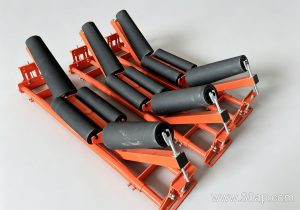
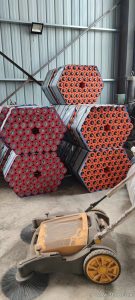
For a wet outdoor conveyor, the idler roller’s cost is built up from material choice, dimensions, manufacturing steps, and freight. No single factor dominates.
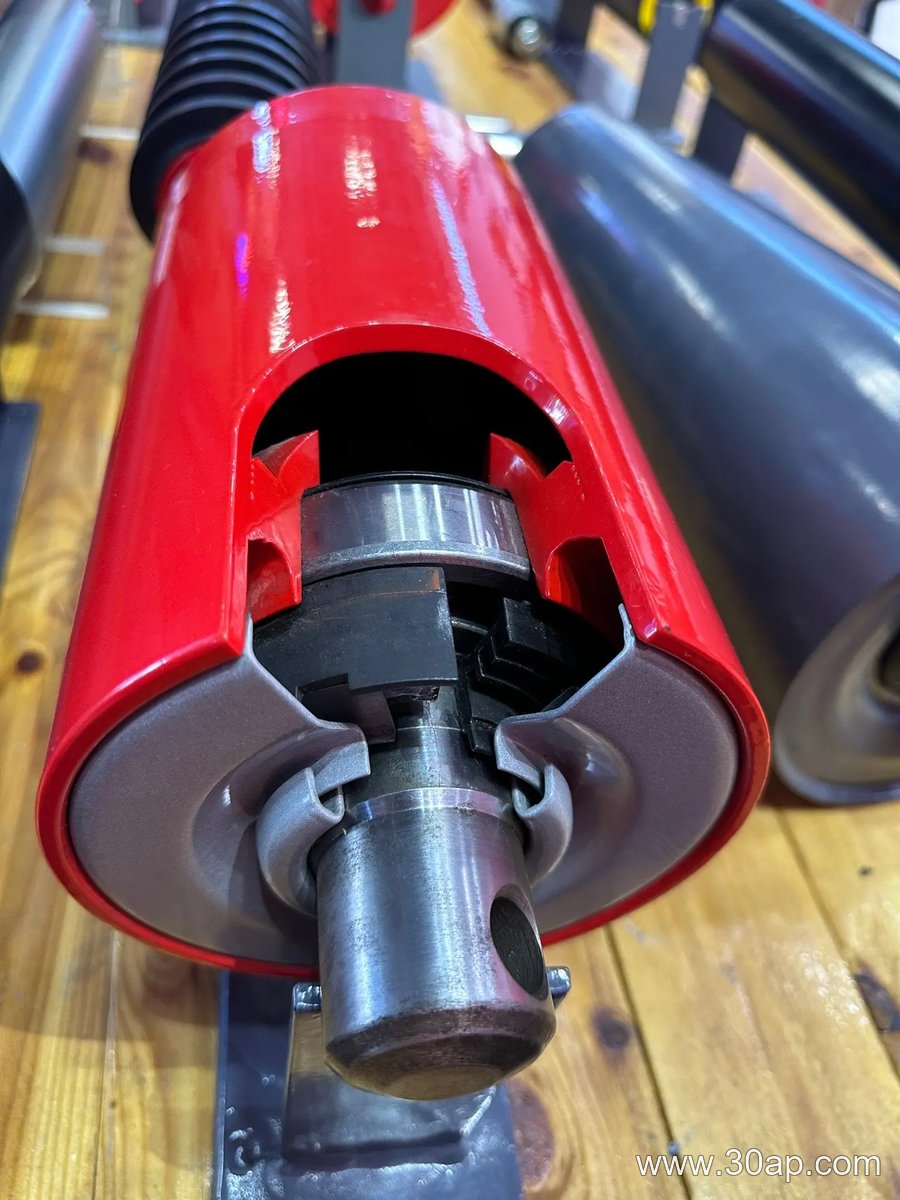
Material and dimensions
- Shell and bearing housing material affect corrosion resistance and price.
- Larger diameter or longer face increases steel and machining time.
- Seal type for wet duty adds cost but reduces early failure.
Manufacturing adds cost through welding, machining, balancing, and greasing. Freight depends on roller length, weight, and shipping distance. Compare total delivered cost, not unit price alone. All values are illustrative; request firm quotes with a drawing.
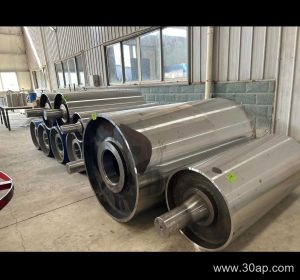
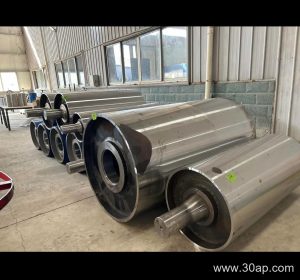
How Do You Read the Diameter Face Width and Lagging Fields on a Conveyor Pulley Datasheet
A common misconception is that a conveyor pulley is defined by one number. A datasheet instead carries several specification fields, each with its own unit and meaning. At a bulk port terminal, misreading one field can change belt tracking and load capacity.
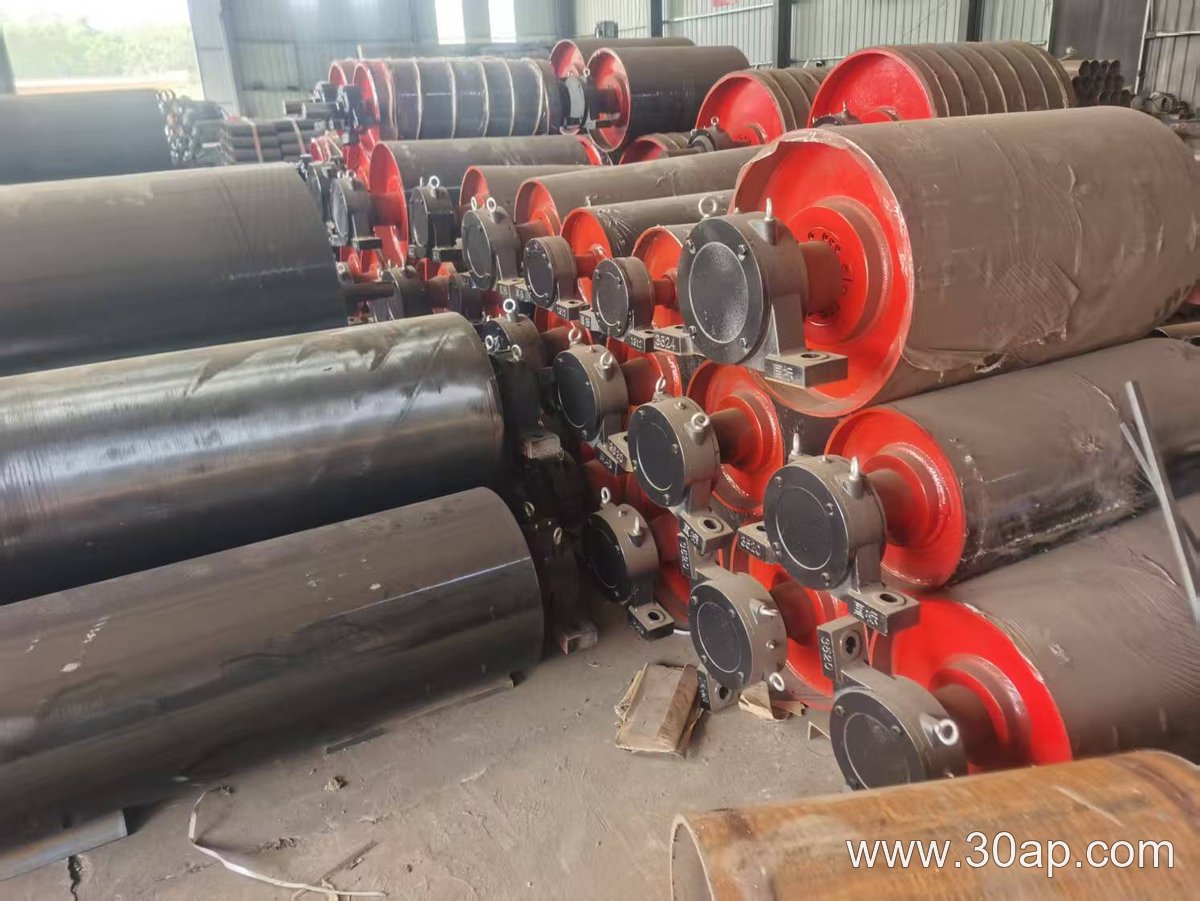
Diameter, Face Width and Lagging
- Diameter: the shell outside diameter, usually in millimeters, measured without lagging unless stated.
- Face width: the usable shell length, in millimeters, that the belt can contact.
- Lagging: the covering type, thickness in millimeters, and pattern, such as flat or grooved.
Read diameter and face width against the belt width and trough geometry. Lagging thickness adds to the effective diameter, so confirm whether the figure is bare or lagged.
Preparing the mounting surface
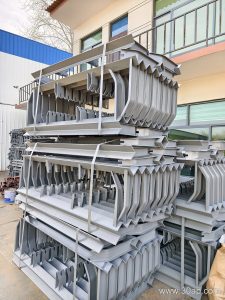
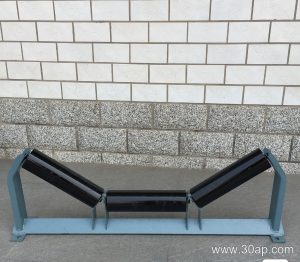
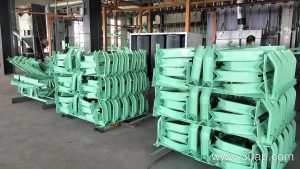
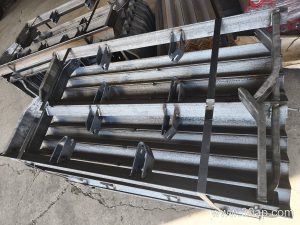
Before fitting a conveyor bracket in a cement plant transfer tower, clean the frame of dust, scale and old shims. Check that the stringer is straight and that bolt holes match the bracket’s base. Do not force a bracket into place with hammer blows, as this can distort the idler seat.
Mounting and alignment
Bolt the conveyor bracket loosely, then align its idler seat to the belt centerline using a string line or laser. A bracket set too high or skewed will push the belt sideways. Shim under the base where needed, and tighten to the specified torque after alignment.
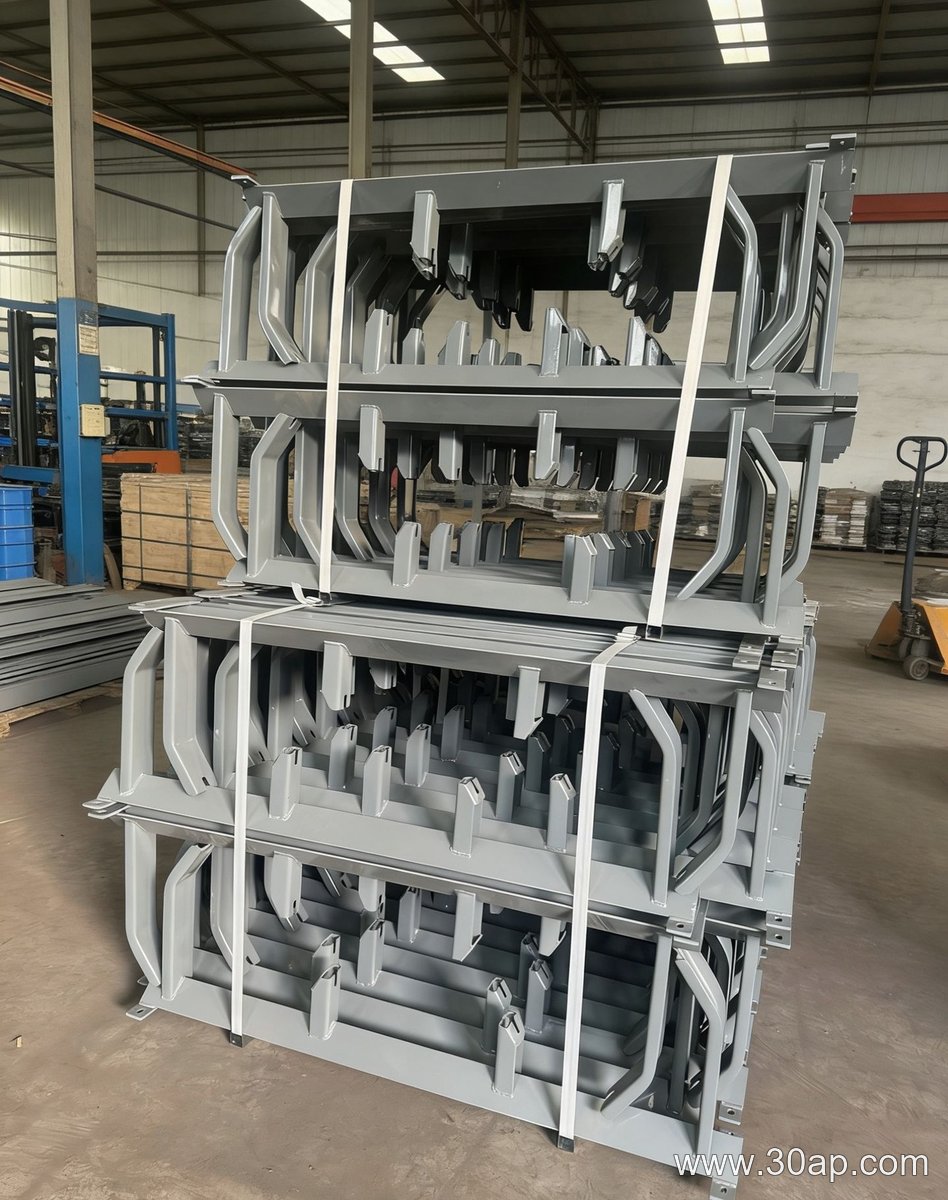
Commissioning checks
Run the conveyor empty for one full revolution. Watch for belt drift at the bracket, listen for rubbing, and recheck bolt tightness after the first hour. In a cement plant, dust and heat can move a loose bracket, so confirm that each conveyor bracket stays square to the belt path before loading material.