Why Fabrication Quality Decides Conveyor Pulley Balance
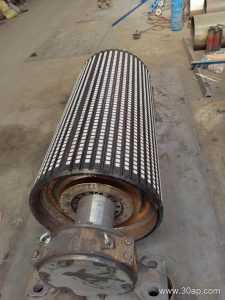
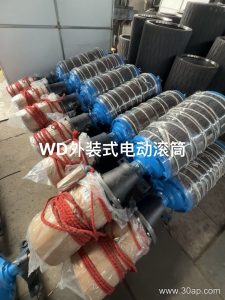
At a bulk-material port terminal, a conveyor pulley turns continuously under heavy belt tension. Its balance depends on how the shell, hubs and shaft are welded and then machined. Poor weld sequence distorts the shell; skipped machining leaves runout that shortens bearing life.
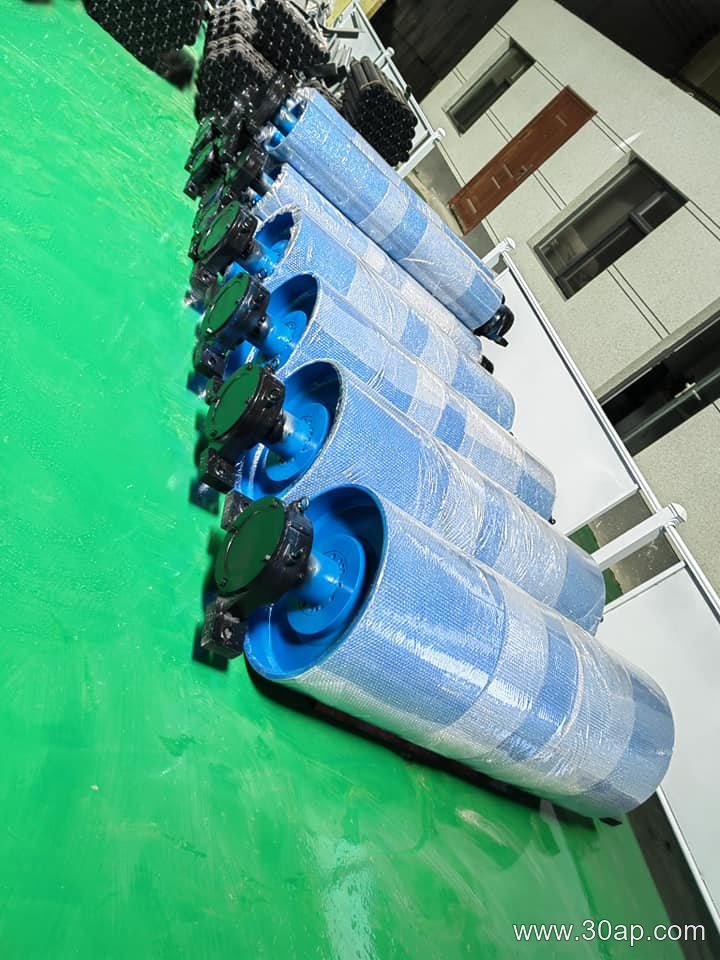
Stages That Shape the Finished Conveyor Pulley
- Rolling and longitudinal seam welding set shell roundness.
- Hub-to-shell welding controls distortion near the belt contact zone.
- Machining after welding restores concentricity and face squareness.
- Dynamic balancing corrects residual imbalance before lagging.
Each stage limits the next. A well-welded but unbalanced conveyor pulley still vibrates; a machined but distorted one still tracks poorly.
How Does a Conveyor Bracket Resist Abrasive Slurry Splash in a Mineral Processing Plant
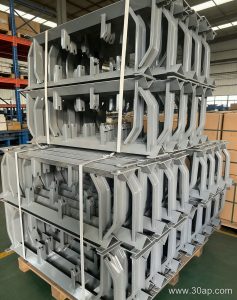
A conveyor bracket in a mineral processing plant often sits below the belt line, where fine ore slurry splashes and dries into an abrasive paste. The bracket’s ability to resist abrasion depends less on bulk hardness than on how its surfaces shed and drain that paste.
Why geometry matters more than coating thickness
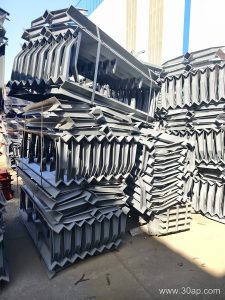
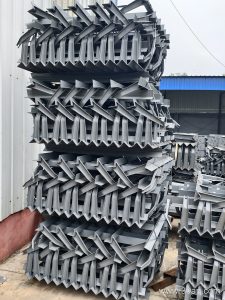
Flat mounting pads and sharp internal corners trap slurry. A conveyor bracket with sloped top faces, open corners, and weep holes lets solids run off before they compact. Abrasion then acts mainly on replaceable wear plates rather than the bracket body.
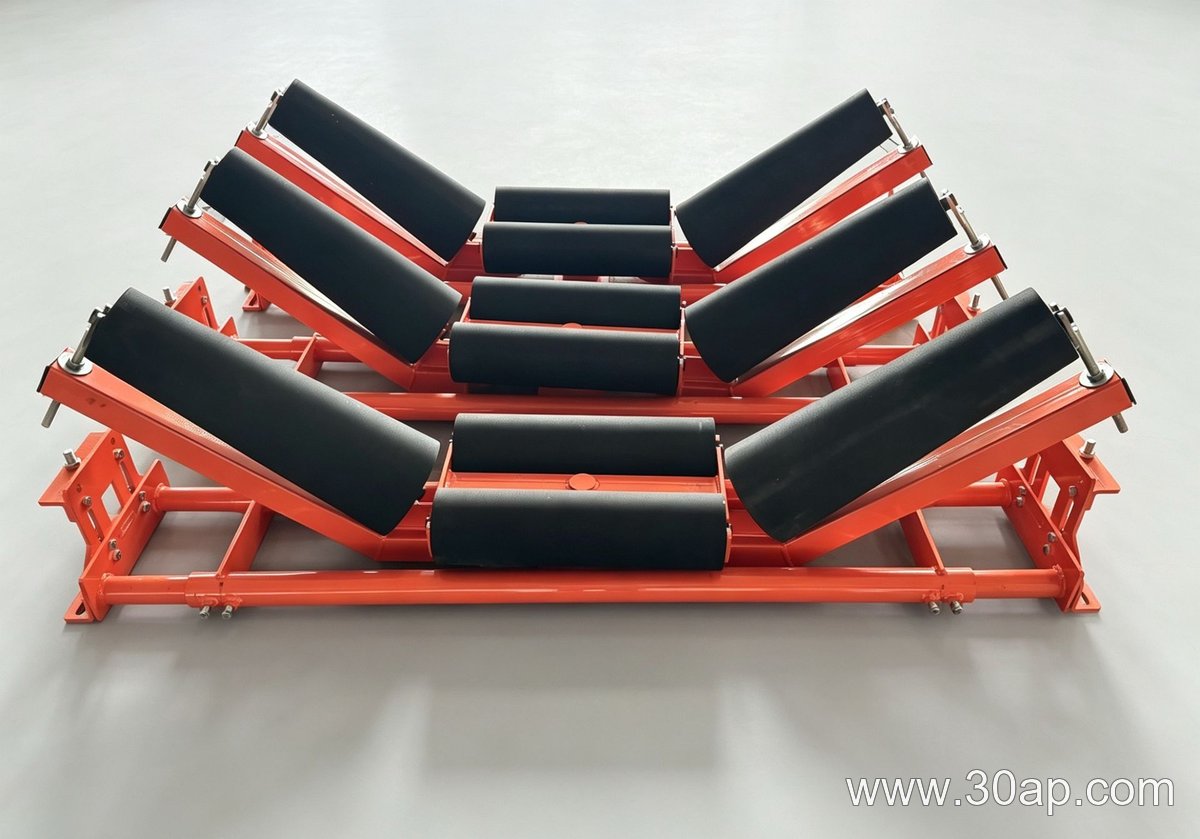
- Slope horizontal faces at least 30° where practical.
- Avoid closed box sections near the splash zone.
- Use bolt heads that sit flush or recessed.
This is a design trade-off, not a universal rule. A heavier, fully enclosed conveyor bracket may last longer in dry impact service but perform poorly in wet, abrasive slurry.
Why one cover grade rarely covers every duty
In a mineral-processing plant, a common misconception is that the hardest rubber cover always wins. Abrasion resistance and oil resistance pull in different directions, so the conveyor belt cover must match the dominant threat at each transfer point.
Common cover choices and their trade-offs
- Natural rubber: excellent abrasion resistance for dry, sharp ore, but swells when exposed to oil.
- Nitrile rubber: resists oil and grease well, yet its abrasion performance is usually lower.
- EPDM: handles heat and weathering, but is not a first choice against oily material.
- PVC: offers fire resistance and easy cleaning, with lower cut resistance.
In a hypothetical plant handling oily ore, a nitrile cover on the conveyor belt may outlast a harder natural rubber grade. Where oil is absent, natural rubber often costs less per tonne conveyed.
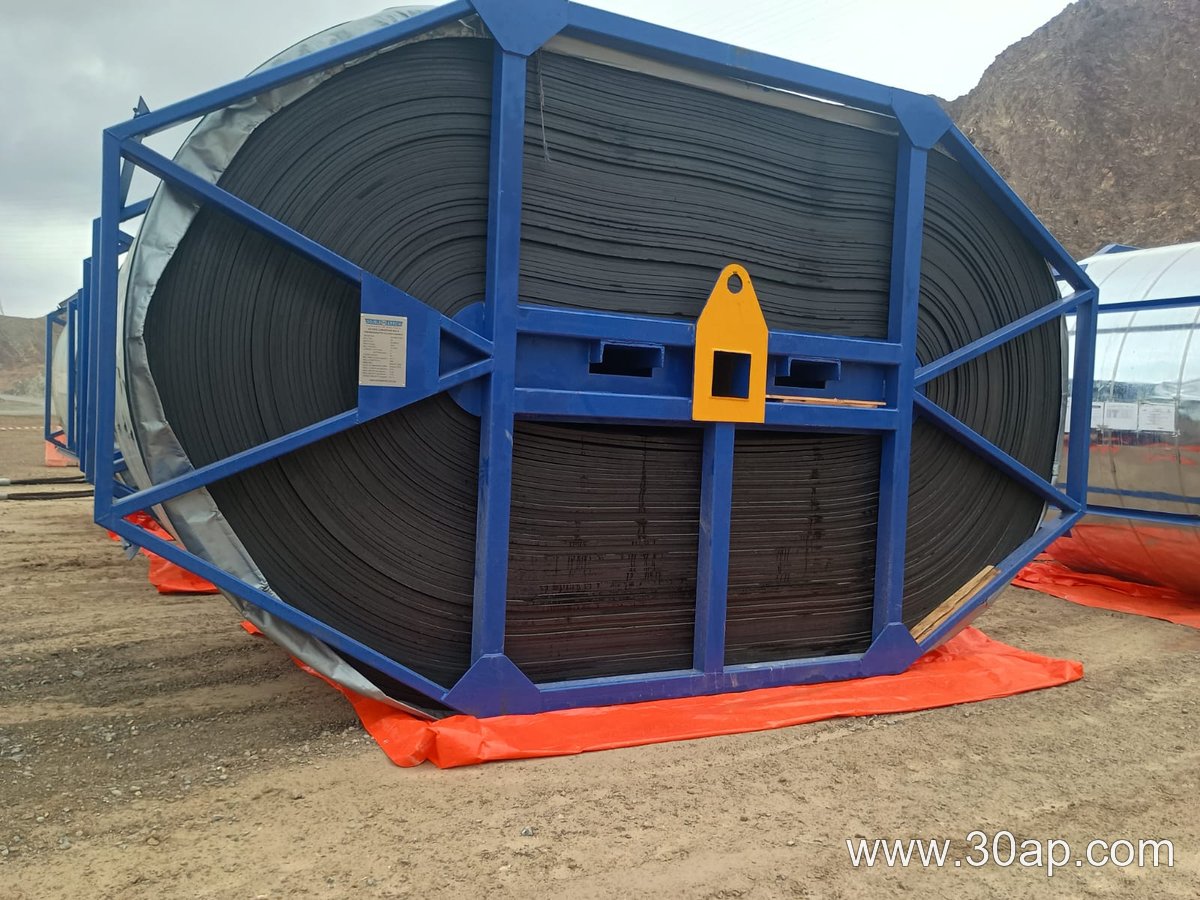
How to decide
Check the material, temperature and cleaning method first, then select the cover compound. A conveyor belt is a system, so the carcass and cover must suit the same duty. Mark any trial as hypothetical until plant testing confirms it.
Reading an idler roller drawing without guessing
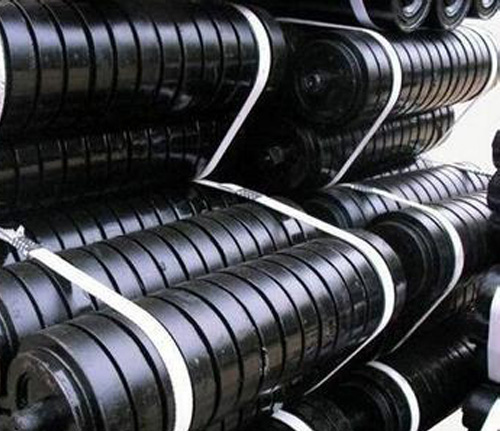
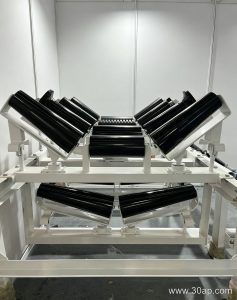
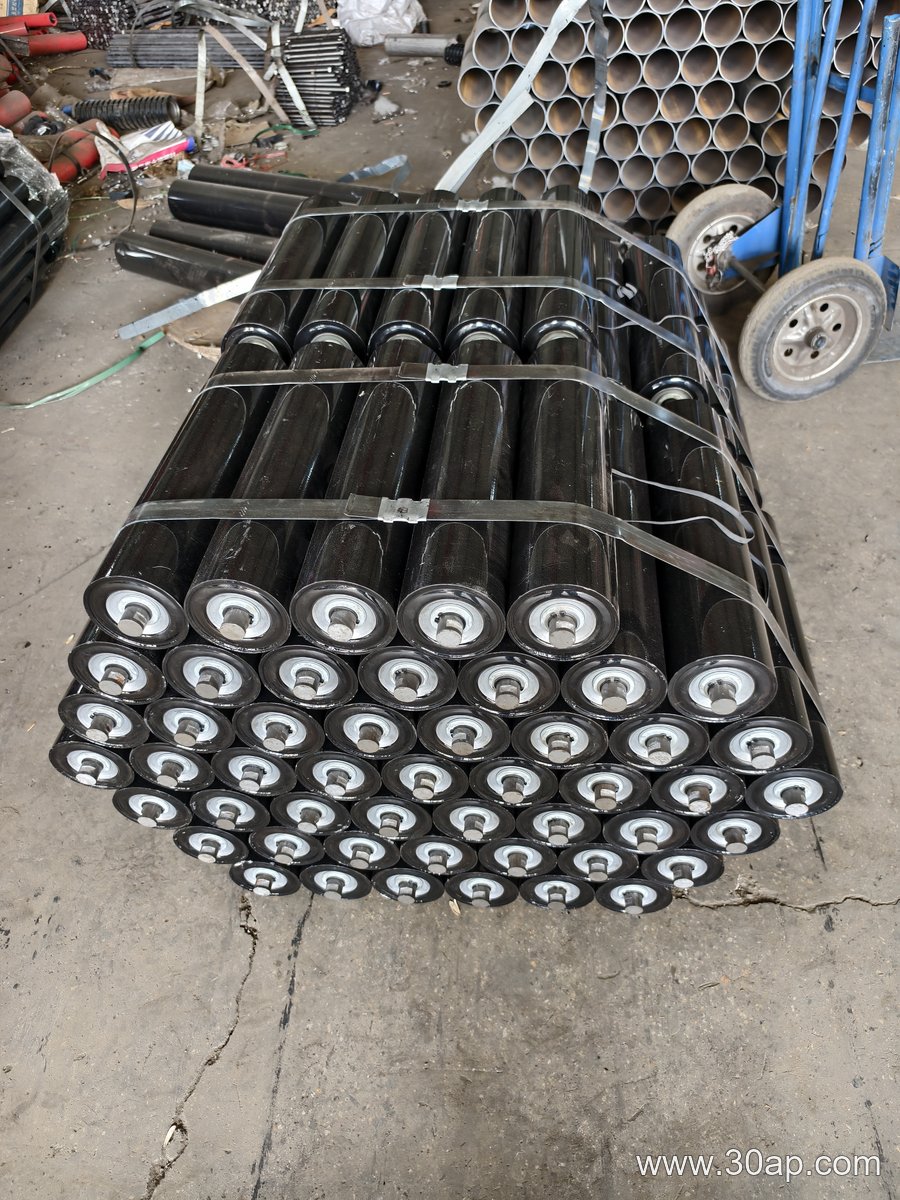
Start with the roller diameter and face length, because they set belt contact and load capacity. A drawing may list shaft diameter, bearing bore, and overall length, but those are mounting dimensions, not the working surface. In a dusty quarry, a larger diameter helps shed fines, yet it must still fit the bracket. Read each number with its unit and tolerance before comparing alternatives.
Common fields and how to interpret them
- Roller diameter (mm or in): outside tube size; affects belt speed and wear.
- Face length (mm): belt-contacting width, not belt width.
- Shaft diameter (mm): fits the bracket slot, not the bearing bore.
- Bearing bore (mm): matches the shaft end; a mismatch causes wobble.
- Load rating (N or kN): a declared limit under stated conditions.
Never assume a rating applies outside its stated speed, temperature, or duty. When in doubt, request the manufacturer’s dimensional sheet and verify units and tolerances against your conveyor frame.