Precision Manufacturing Stages Forge a Durable Idler Roller
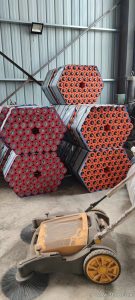
An idler roller undergoes multiple factory operations, including tube cutting, automatic welding, and bearing housing press-fitting. Each stage directly influences finished rotation symmetry and wall thickness uniformity. If the steel tube experiences uneven thermal expansion during welding, the resulting shell eccentricity causes high-frequency vibration during high-speed belt operation.
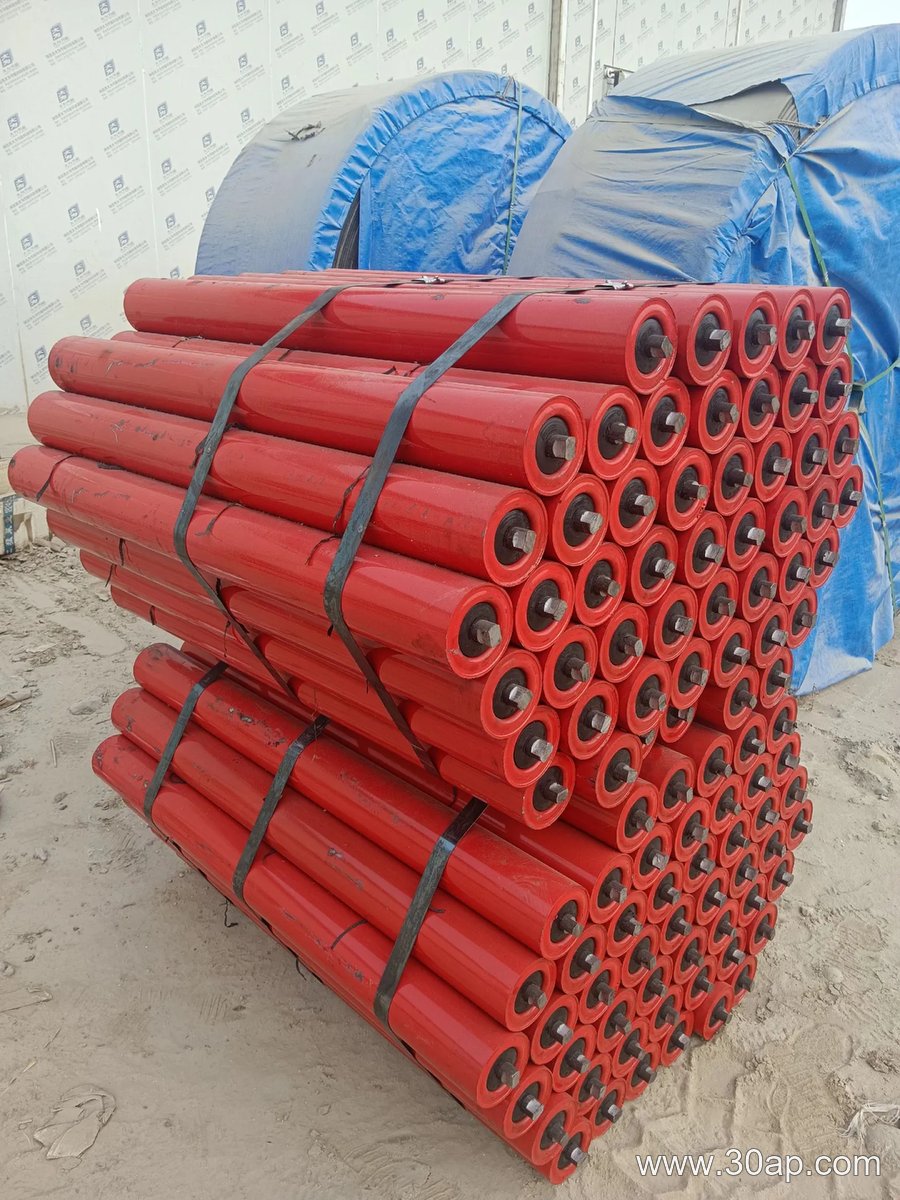
Controlling Runout and Seal Integrity
- Automated lathe machining ensures uniform shell wall thickness and minimal radial runout.
- Dynamic balancing reduces centrifugal forces when operating in a dusty quarry environment.
- Precision bearing fitment prevents premature inner race binding under heavy radial loads.
Conveyor Pulley Shell and Lagging Selection for Heavy Copper Ore Service
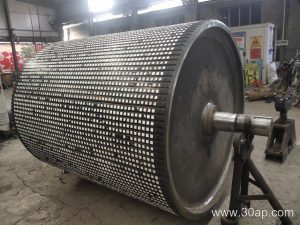
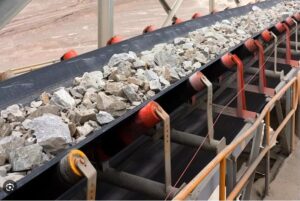
Processing raw copper ore demands a conveyor pulley engineered to survive heavy impact forces and severe mineral abrasion. Unlike general material handling applications, a mineral-processing plant subjects the conveyor pulley shell and shaft to jagged, high-density rock fragments falling directly from primary crushers.
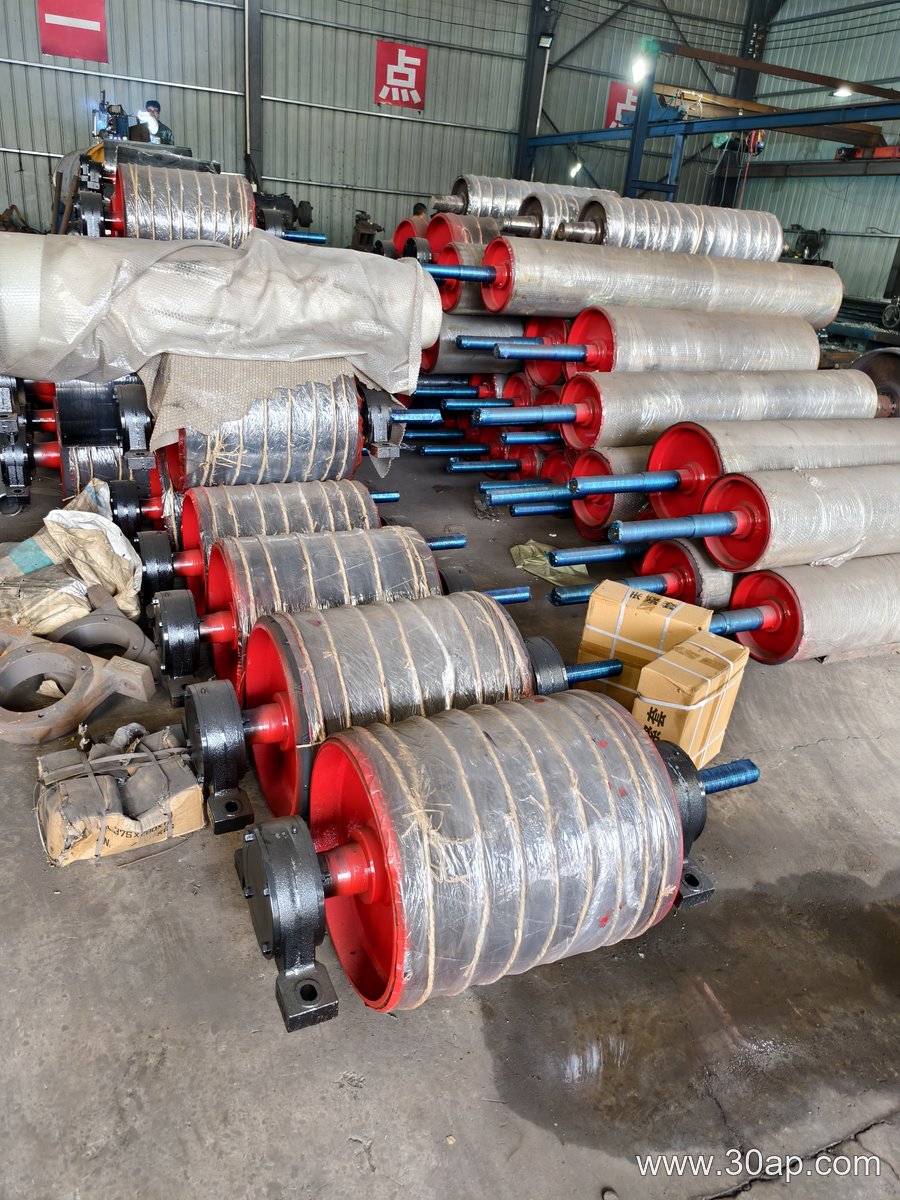
Managing Impact and Friction
- Thicker steel shells prevent localized denting under heavy ore surges.
- Ceramic or heavy rubber lagging protects the conveyor pulley face from sharp mineral edges while maintaining traction.
- Proper crown profiles help prevent belt tracking drift under uneven ore loads.
Material Selection for a Quarry Conveyor Bracket
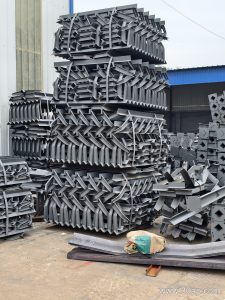
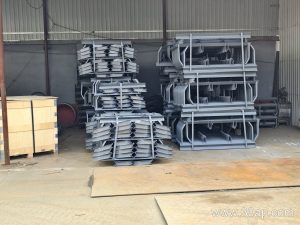
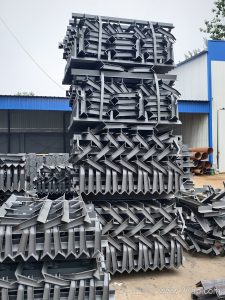
Selecting the right metal grade for a conveyor bracket determines how well the assembly survives abrasive aggregate fines and heavy impact loads. Engineers typically evaluate carbon steel versus structural alloy options based on hardness, weldability, and cost trade-offs.
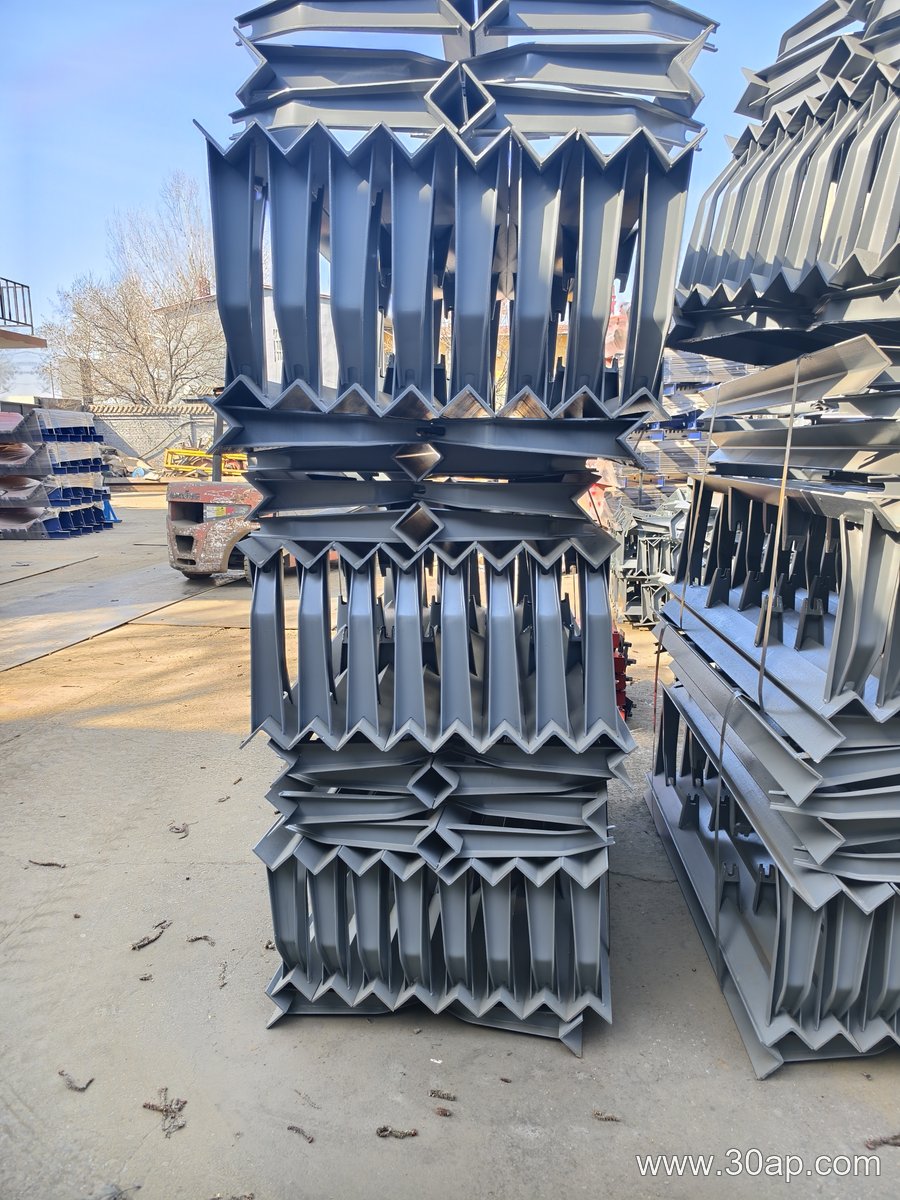
Carbon Steel Versus Structural Alloys
- ASTM A36 carbon steel offers high formability and low material cost, making it ideal for standard conveyor bracket fabrication where routine maintenance replaces worn parts easily.
- High-strength low-alloy steels provide superior yield strength under dynamic loads, though they demand specialized welding procedures to prevent micro-cracking in cold weather.
Corrosion protection also dictates alloy selection; hot-dip galvanizing or protective epoxy coatings shield the conveyor bracket from moisture and chemical attack in harsh processing environments.
Steel Cord Conveyor Belt Selection for Constrained Overland Routes
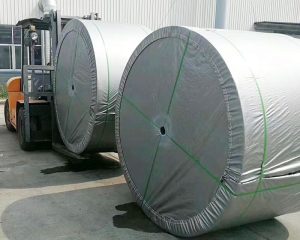
Choosing a steel cord conveyor belt for a hypothetical 3.2-kilometer overland project requires strict adherence to a 600-meter maximum single-flight tension constraint. Engineers must calculate cumulative frictional resistance against allowable carcass elongation.
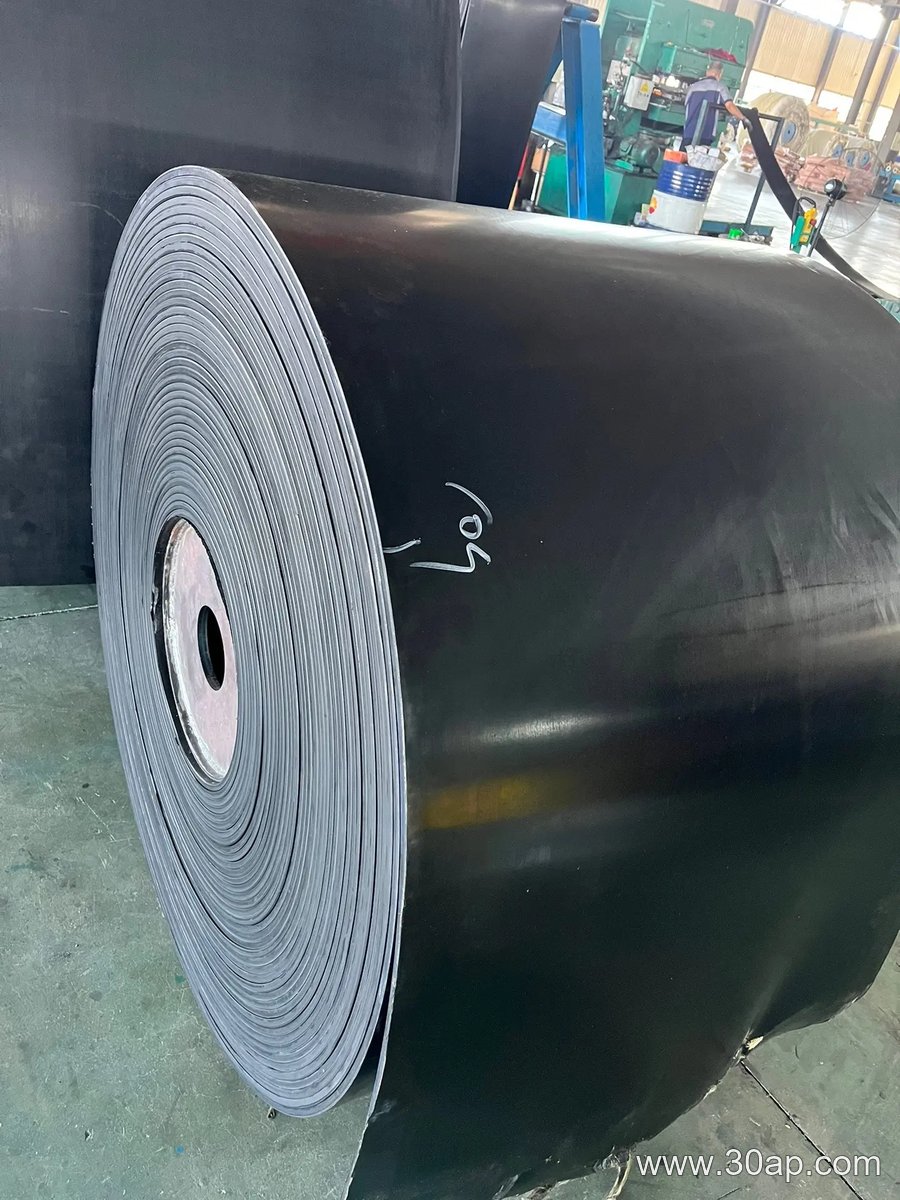
Evaluating Dimensional and Tensional Parameters
- Verify that the steel cord conveyor belt carcass limits total permanent stretch under full load.
- Ensure the selected pulley diameters match the rubber cover thickness to prevent premature delamination.