Does a Cement Plant Really Need a Polymer Idler Roller, or Will Steel Last Longer?
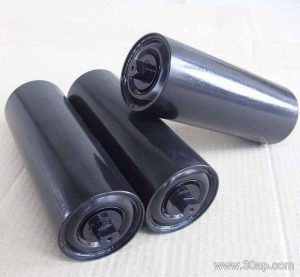
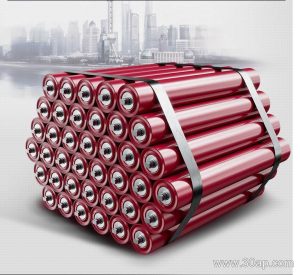
At a cement plant, an idler roller must survive abrasive clinker dust and occasional wet slurry. The direct answer: steel is the baseline, but polymer can win in specific spots. Check the following trade-offs before choosing.
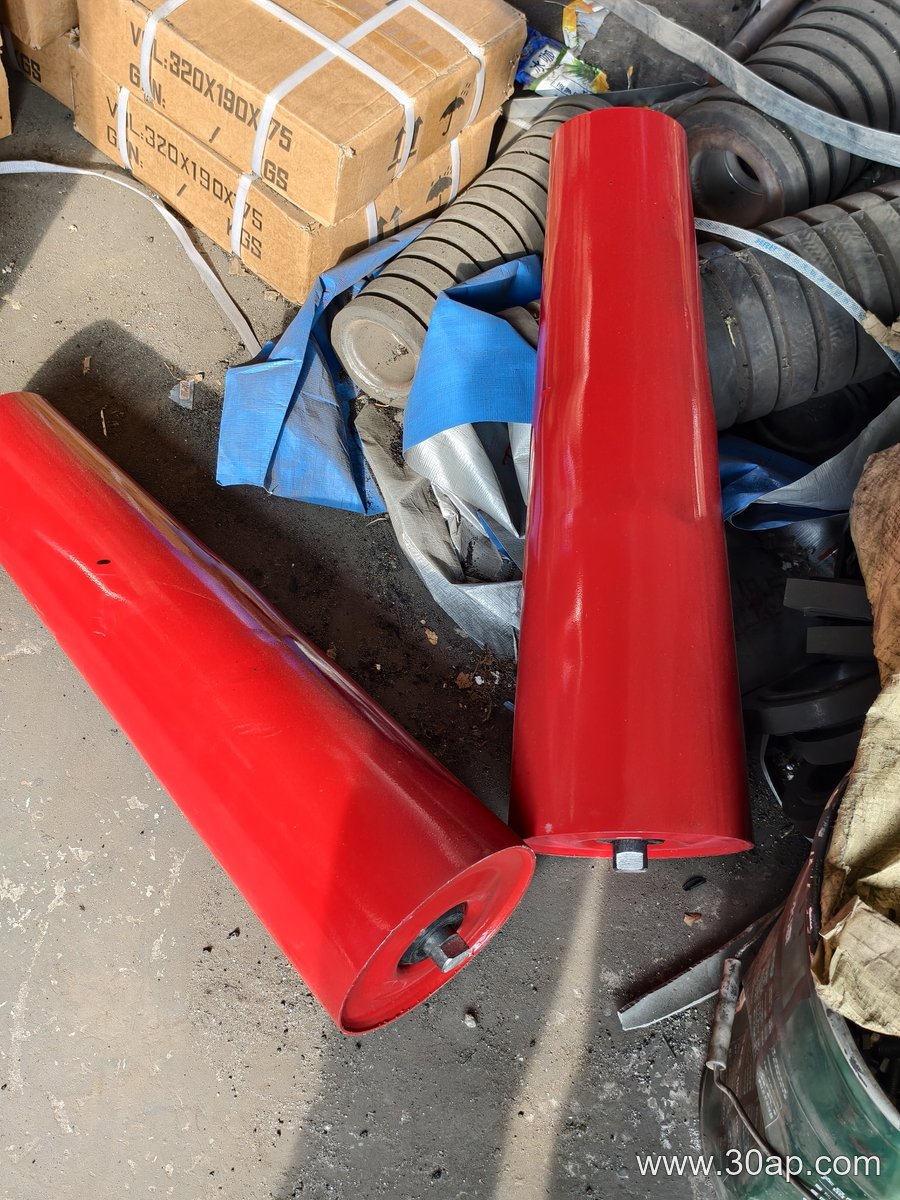
Material Choices and Their Trade-offs
- Carbon steel: Low cost, high stiffness. Trade-off: rusts in wet areas and wears quickly under fine clinker dust.
- Stainless steel: Corrosion resistance. Trade-off: higher cost and still susceptible to abrasive wear.
- UHMW polyethylene: Self-lubricating, quiet, and resistant to sticking. Trade-off: lower load capacity and thermal limits.
- Nylon or polyurethane: Good wear and impact resistance. Trade-off: moisture absorption or higher cost.
For a hypothetical cement plant, use polymer idler rollers in wet or sticky zones and steel in dry, high-load sections. Always verify the load rating and temperature range for the actual idler roller.
Inspection Is Not the Same as Deferral
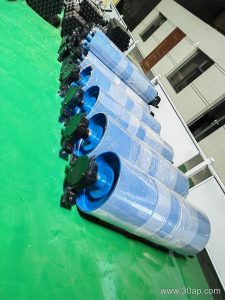
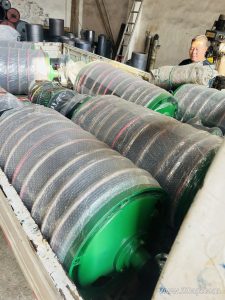
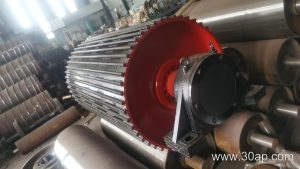
A conveyor pulley in a cement plant rarely fails without warning. The real decision is when inspection findings justify replacement instead of another round of monitoring.
What to Inspect
- Lagging wear and glazing
- Shell cracking near welds
- Shaft deflection and bearing play
- Seal condition against cement dust
Hypothetical example: if lagging grooves exceed 40% of original thickness, replacement planning should begin.
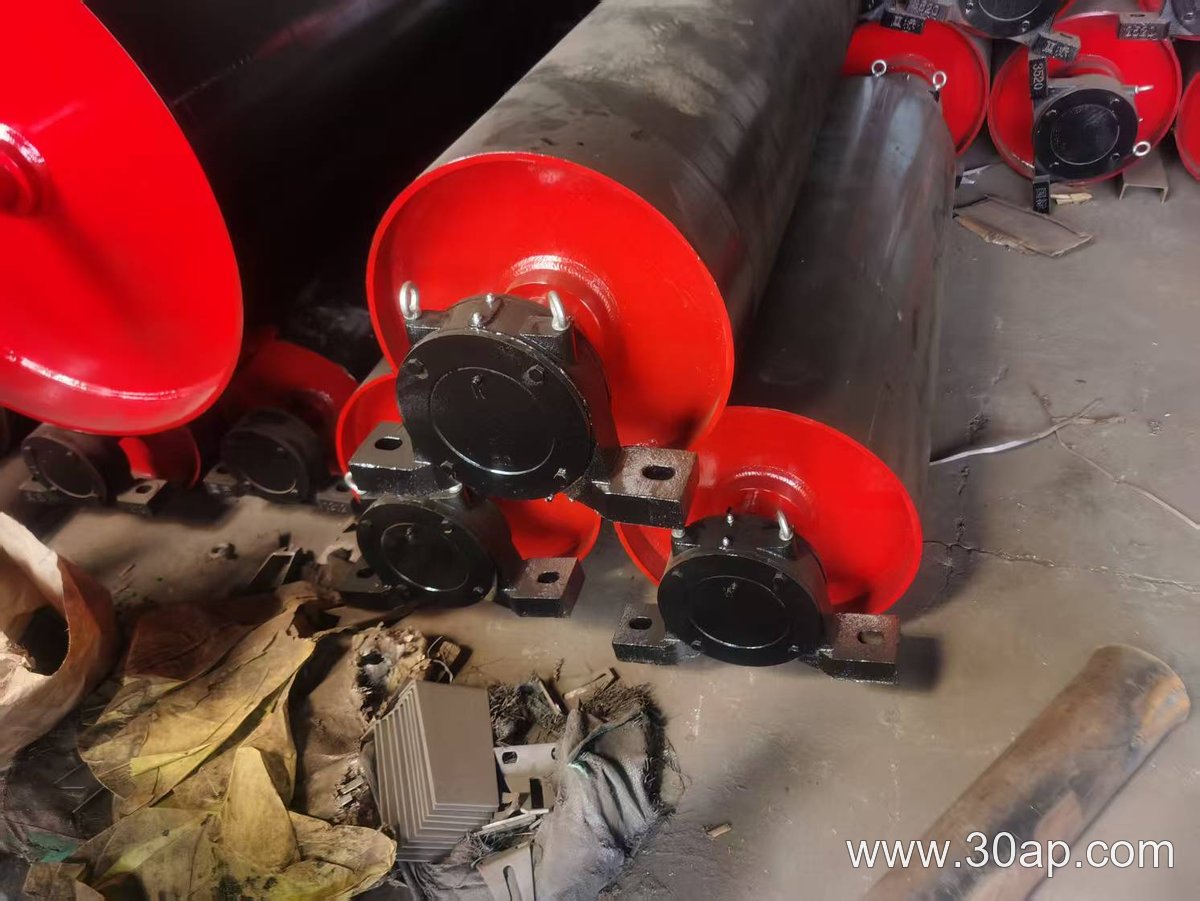
Signs Replacement Is Needed
Persistent belt slip after lagging repair, visible shaft movement, or cracks that return after welding indicate the conveyor pulley has reached the end of its maintenance window.
Reading a Conveyor Bracket Datasheet in Wet Conditions
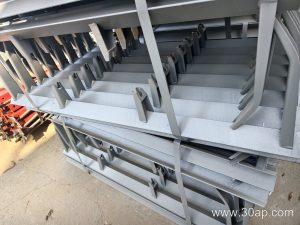
A conveyor bracket specification sheet lists load ratings, material grade, hole pattern, and finish. Each field has a unit and a meaning. Misreading them leads to premature corrosion or overload in wet outdoor service.
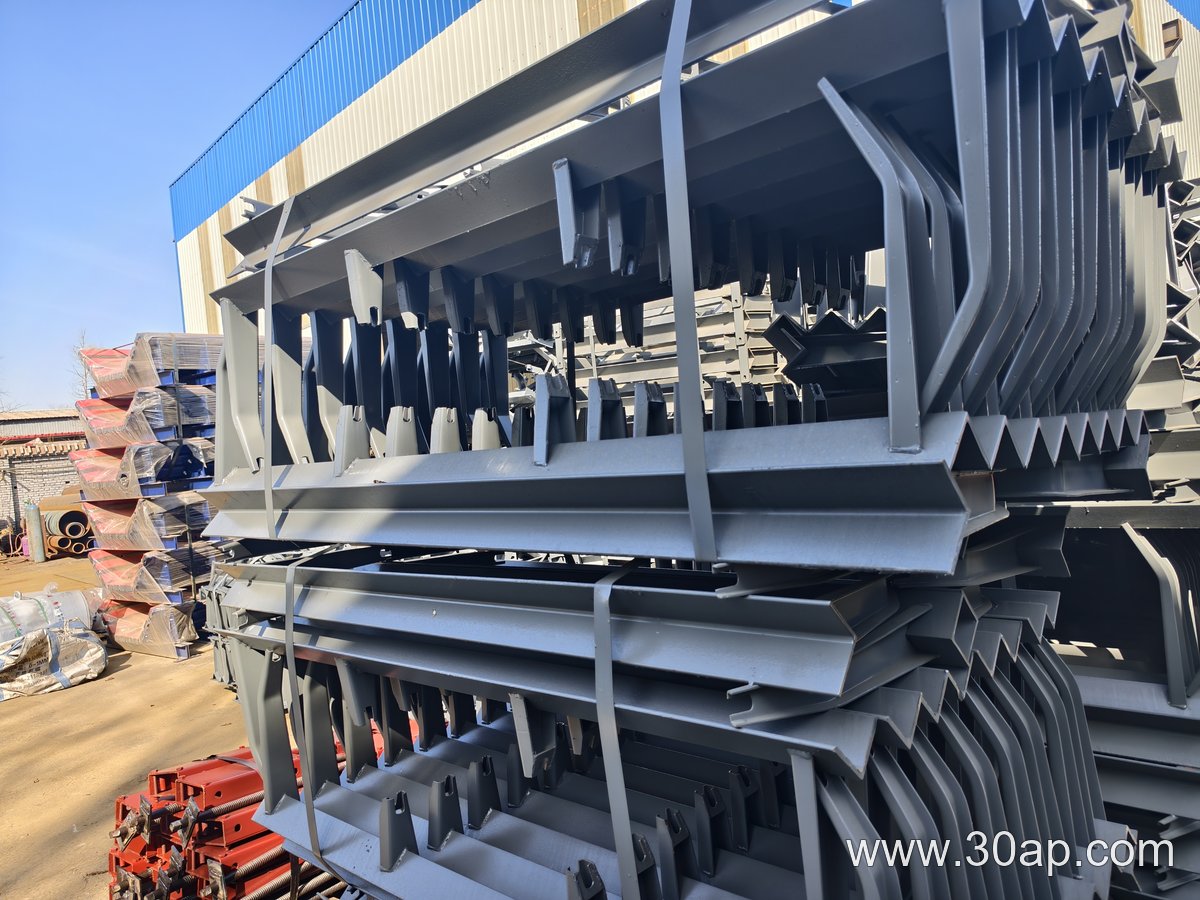
Key Specification Fields and Units
- Load rating (kN): Maximum static force the bracket can carry. Do not treat it as a dynamic rating.
- Material grade (e.g., S355): Yield strength in MPa. Higher grade allows thinner sections but check weldability.
- Hole pattern (mm): Center-to-center distances. Match to stringer and idler frame.
- Finish (µm): Coating thickness. Hot-dip galvanizing often specified in wet outdoor settings; confirm standard.
For a wet outdoor conveyor, drainage features and dissimilar-metal isolation are not separate fields but must appear in notes or drawings. Always cross-check units before comparing brackets.
Why the Conveyor Belt Decides the Unloading Rate
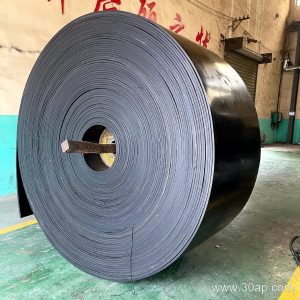
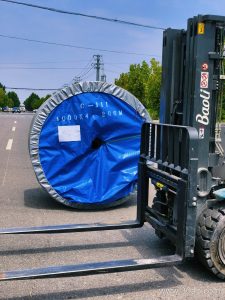
At a bulk port terminal, the ship unloader sets the pace, but the conveyor belt carries the consequence. Dust, salt air, and continuous impact punish the cover and carcass.
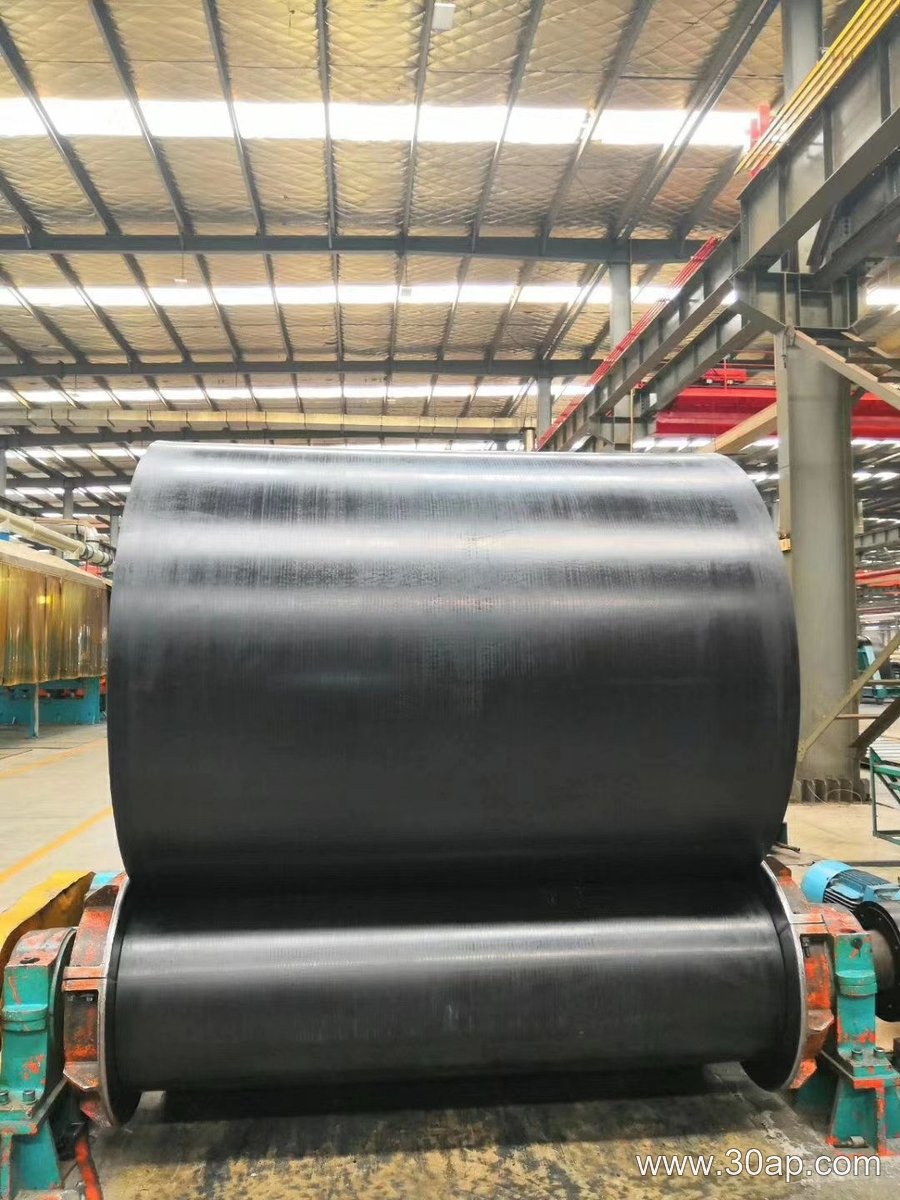
Integration Check
- Match belt tension rating to the longest loaded span.
- Select covers for abrasion and moisture, not price alone.
- Confirm pulley diameter against belt stiffness.
Example values are hypothetical; verify against the terminal duty.