Start with the Operating Conditions, Not the Catalog
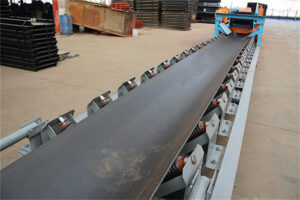
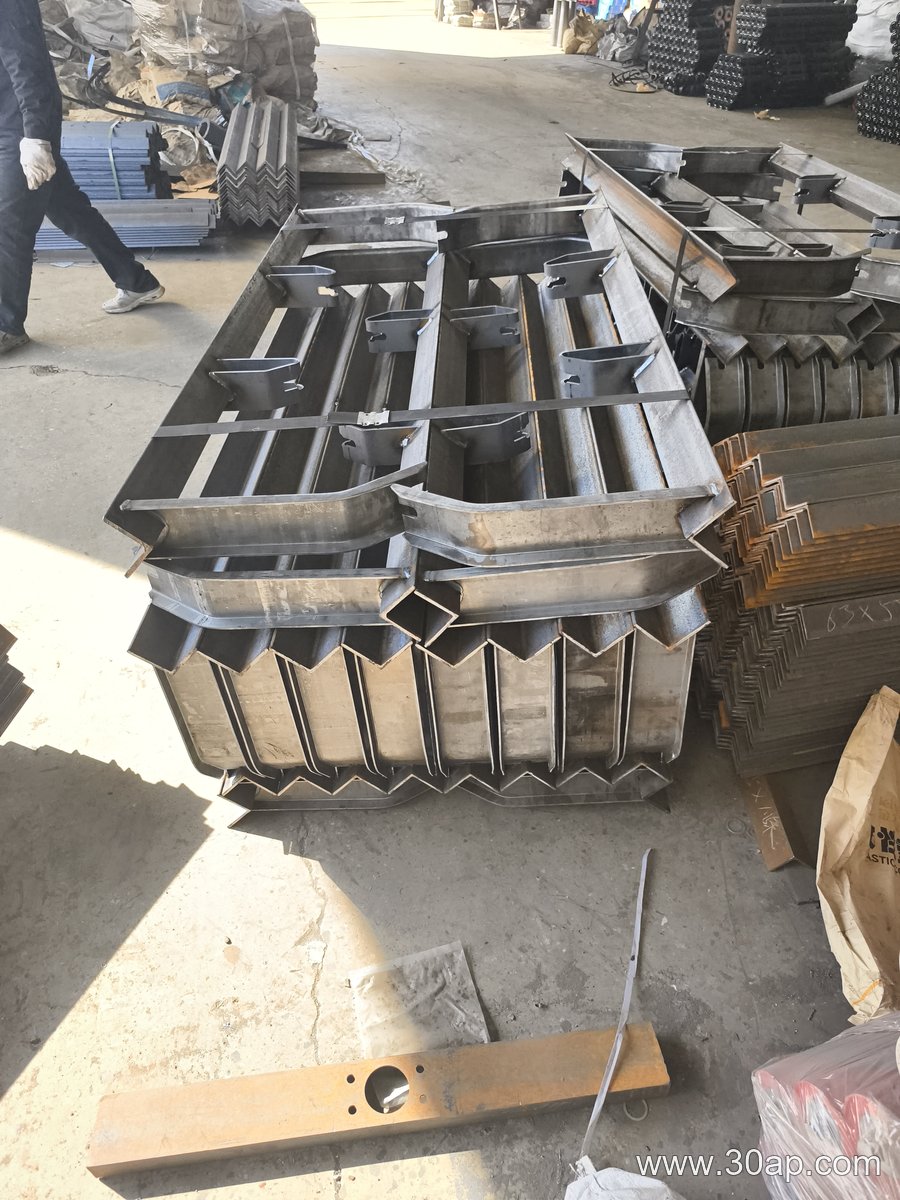
Choosing a conveyor bracket begins with the line itself. Material, belt speed, temperature, and ambient conditions narrow the field before any drawing is reviewed.
A Practical Decision Path
- Match bracket material to the conveyed material and washdown exposure.
- Check speed and load per bracket against the mounting pattern.
- Confirm temperature limits for the bracket and any polymer components.
- Review dust, moisture, and vibration for finish and hardware choices.
Document these four inputs, then compare fixed and adjustable conveyor bracket options. For example, a general manufacturing line moving warm parts may favor a fixed bracket; a line needing periodic alignment may favor an adjustable one.
Preparing the Specification Before Contacting Suppliers
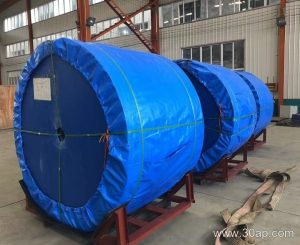
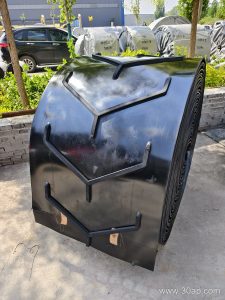
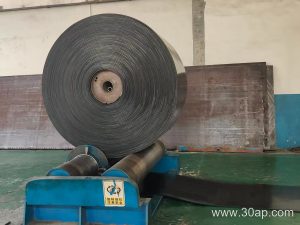
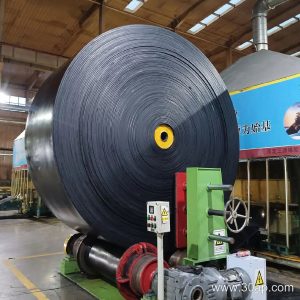
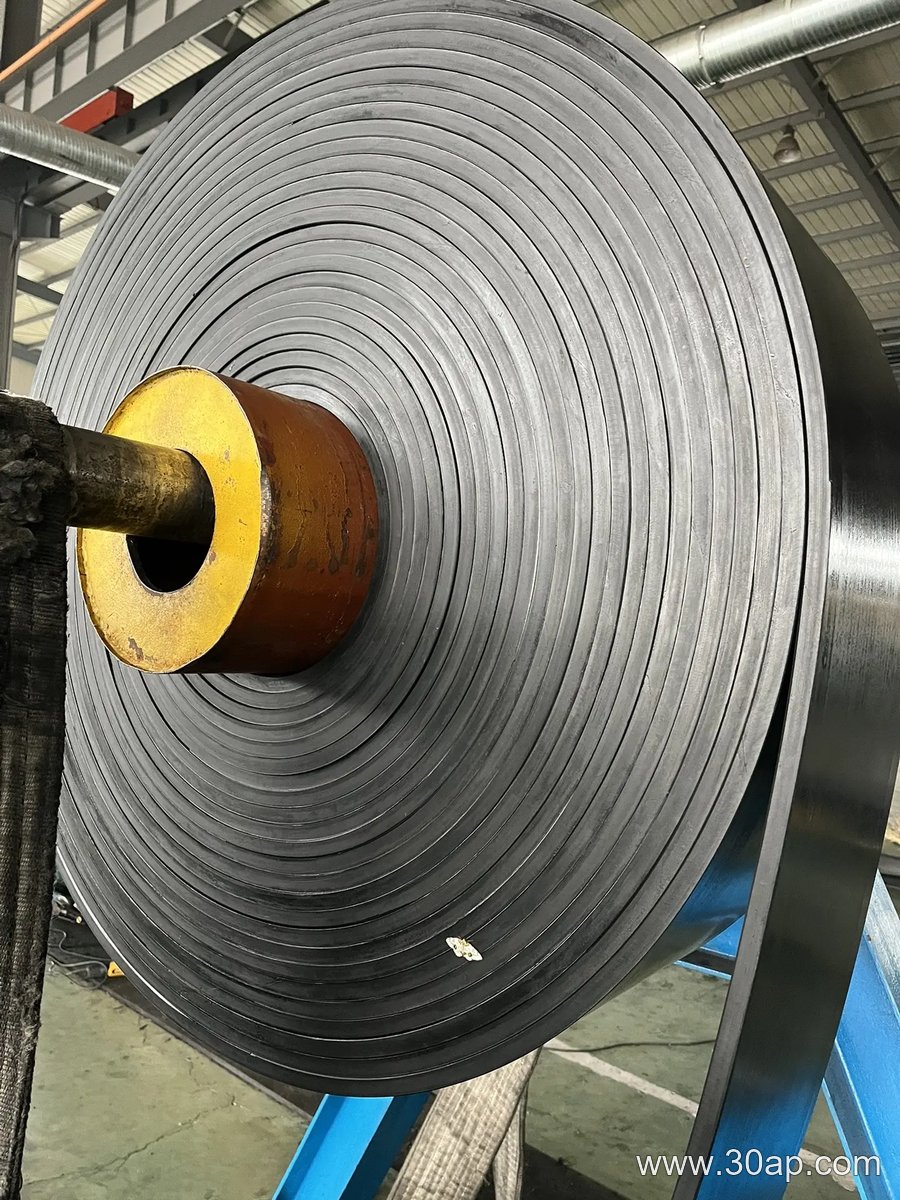
A conveyor belt purchase from China succeeds or fails on the specification you send, not on the negotiations that follow. Start with the duty: material carried, load per meter, pulley centers, incline, ambient temperature, and whether the belt runs indoors or outdoors. Then state carcass type, cover grade, belt width, and edge condition. If the line handles abrasive parts, an EP rubber conveyor belt with a defined cover class is easier to quote than a vague request for a heavy-duty belt.
Evaluating a Supplier Without Visiting the Factory
Ask for the belt construction in writing: fabric plies or steel cord, rubber compound, and splice method. Request a sample section and a test report for tensile strength and abrasion. Confirm who owns the mixing and calendering steps, because a trader with no production control cannot correct a cover problem. Compare quotations only after normalizing width, length, cover thickness, and packing.
- Demand the exact carcass designation and ply count.
- Ask how the supplier handles width tolerance and edge squareness.
- Confirm packing method for long rolls and container loading.
Why the Idler Roller Load Rating Matters More Than Diameter Alone
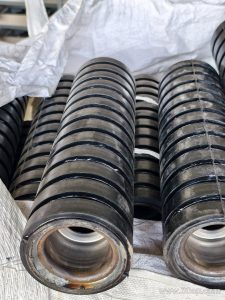
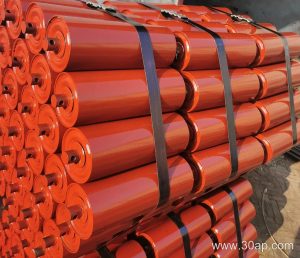
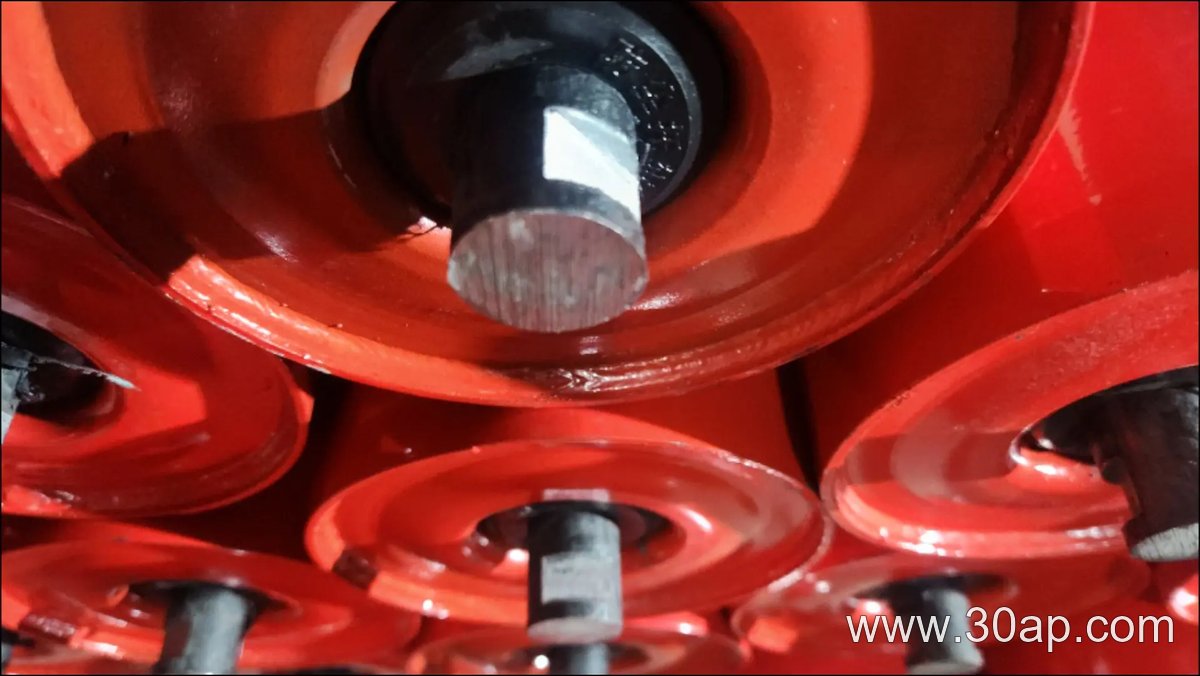
In a cement plant, an idler roller is often chosen by diameter and shaft size. The CEMA load rating is the technical designation that actually ties the roller to its expected bearing life under the belt load.
What the Rating Represents
The rating expresses the load an idler roller can carry at a stated speed for a defined life, typically 30,000 or 50,000 hours. It assumes a given belt speed and ambient condition.
How It Affects the Decision
- A heavier load rating usually means larger bearings or a thicker shell.
- Oversizing raises cost and rotating mass; undersizing shortens bearing life.
- In a cement plant, dust and heat may justify a higher rating than the nominal load suggests.
Hypothetical example: if a conveyor section carries 1,200 N per idler roller at 2.5 m/s, the engineer compares that value against the rating at the same speed and life target, then adjusts for the actual environment.
Can a Conveyor Pulley Withstand Salt Spray and Ore Dust?
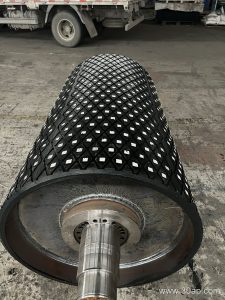
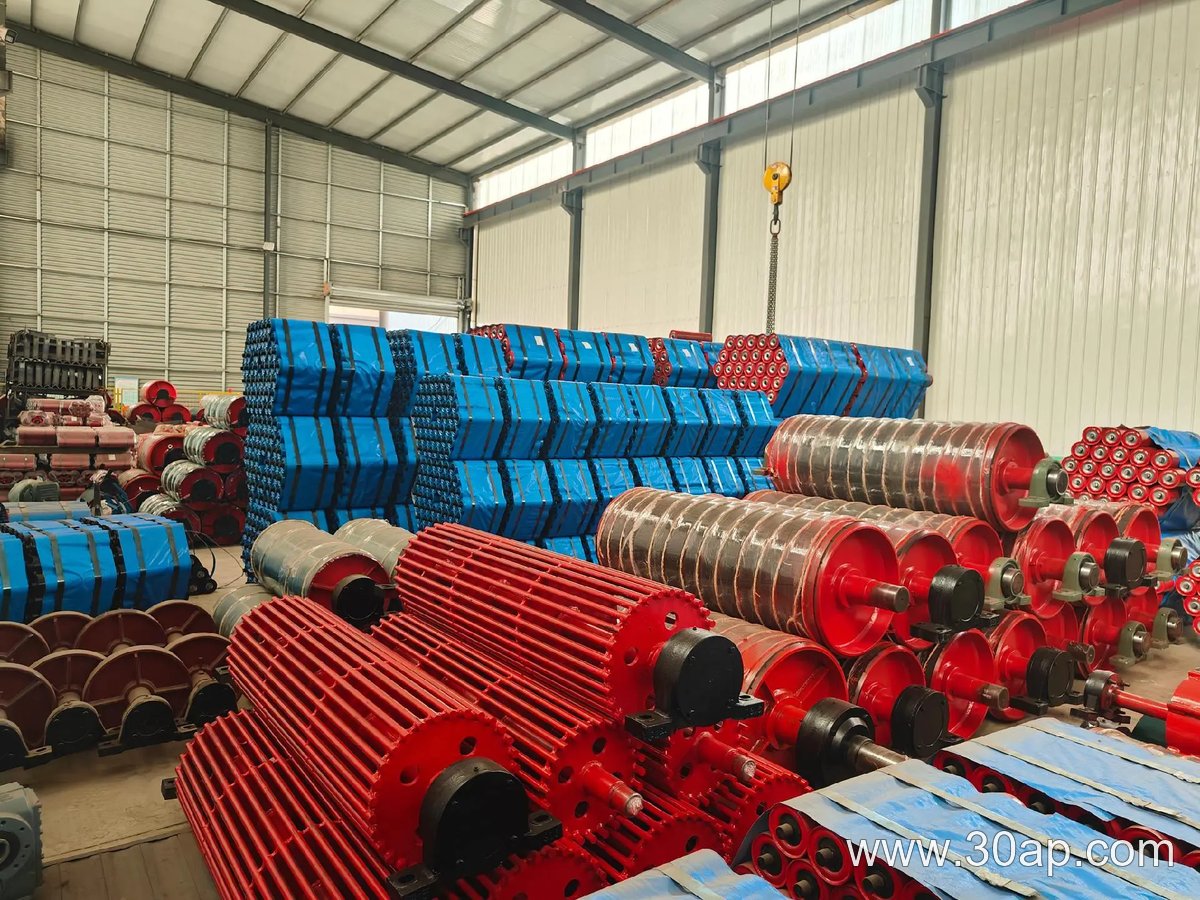
Yes, if the pulley’s corrosion resistance is matched to the terminal environment. At a bulk-material port, salt-laden air and abrasive ore dust attack the shell, lagging, and shaft. Check the shell material, lagging compound, and sealing before specifying a conveyor pulley.
What Corrosion Resistance Actually Protects
Corrosion weakens the conveyor pulley where moisture and chlorides collect: weld seams, lagging edges, and bearing housings. A corrosion-resistant pulley uses a protective coating, stainless shaft, or rubber lagging that also resists abrasion. For salt spray, specify a coating system rated for the exposure, not just a standard paint.
Three Practical Checks for Port Terminals
- Confirm shell and lagging material compatibility with salt and ore fines.
- Review shaft sealing to keep chlorides out of bearings.
- Inspect weld quality and coating coverage at edges and joints.
These checks help a conveyor pulley survive continuous coastal operation without premature pitting or lagging loss.