Start With the Conveyor Pulley, Not the Belt
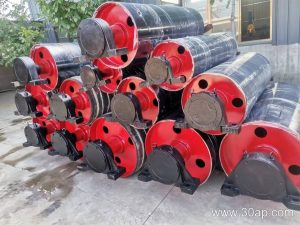
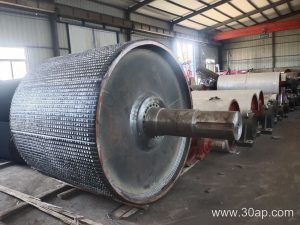
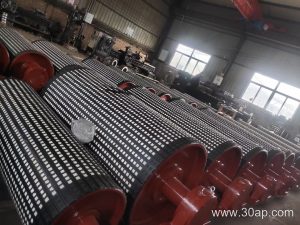
When a belt drifts to one side, the conveyor pulley is often the true cause. A crowned or lagged pulley that is out of square pulls the belt off-center.
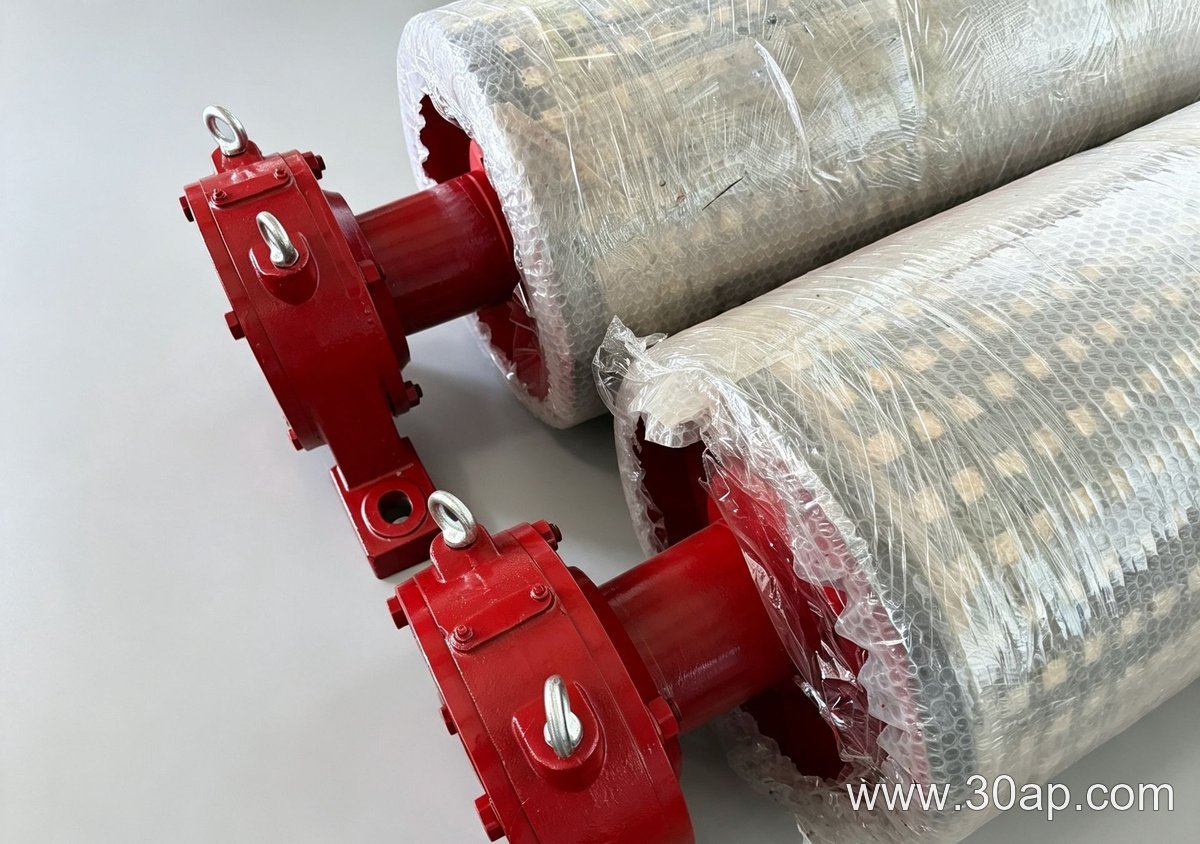
Three-Step Check
- Measure pulley face squareness to the frame.
- Verify lagging wear is even across the face.
- Confirm the pulley axis is level with the tail pulley.
Correcting pulley alignment usually resolves the drift before belt training idlers are adjusted.
Conveyor Bracket Integration on a Wet Outdoor Line
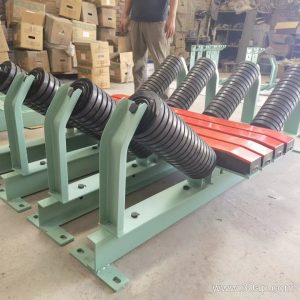
A wet outdoor conveyor exposes every joint to spray, runoff, and temperature swings. A conveyor bracket that traps water or mixes metals will fail early, so the bracket becomes a drainage and isolation detail, not just a mounting plate.
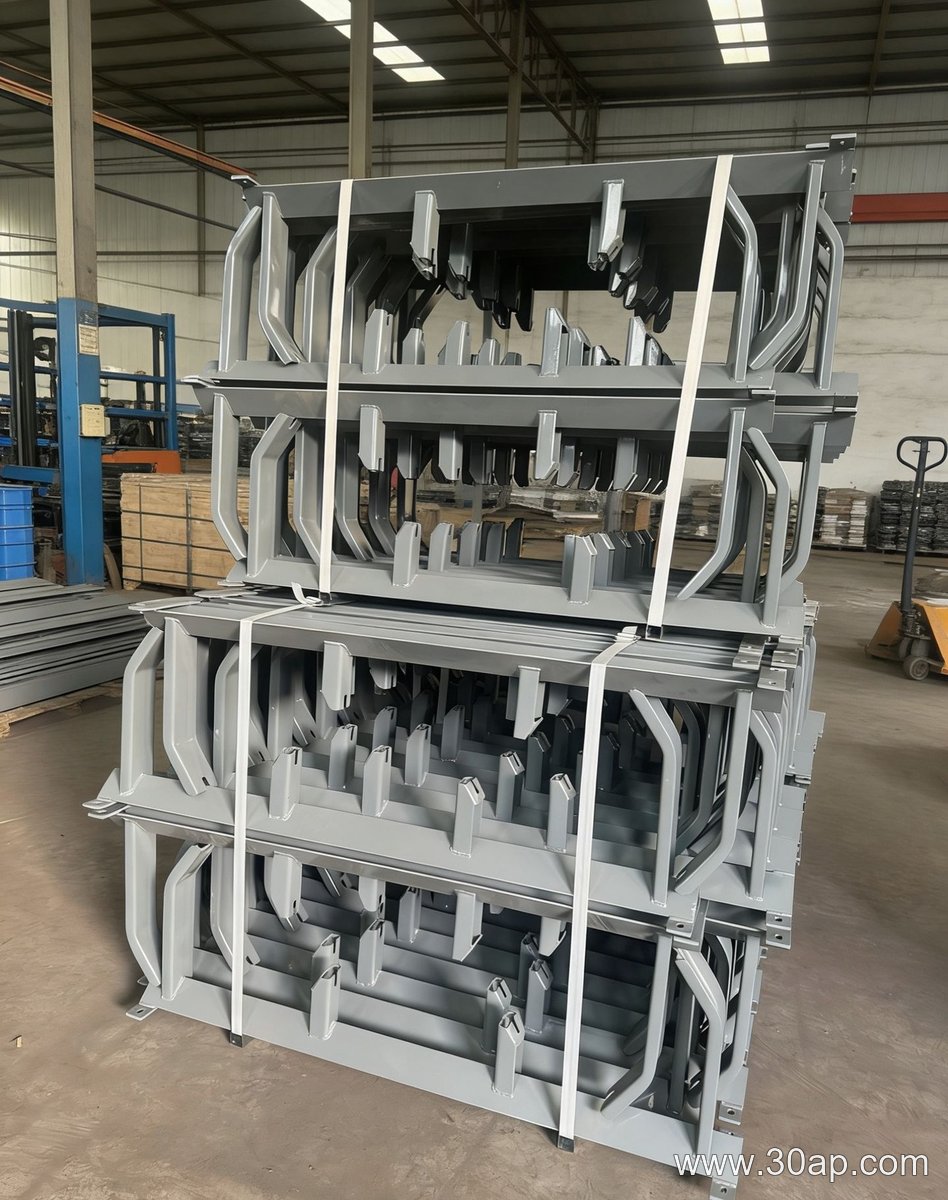
Practical checks before specifying
- Slope the bracket so water sheds away from the stringer.
- Use compatible fasteners to avoid galvanic corrosion.
- Leave a gap between dissimilar metals.
- Confirm the bracket still aligns idlers after thermal movement.
A conveyor bracket that drains freely and isolates materials keeps the line running through wet seasons.
Conveyor Belt Tracking: A Misunderstood Challenge
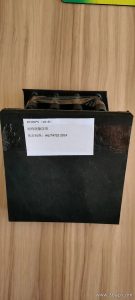
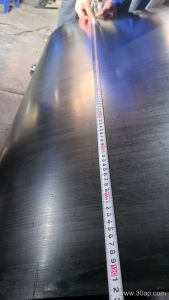
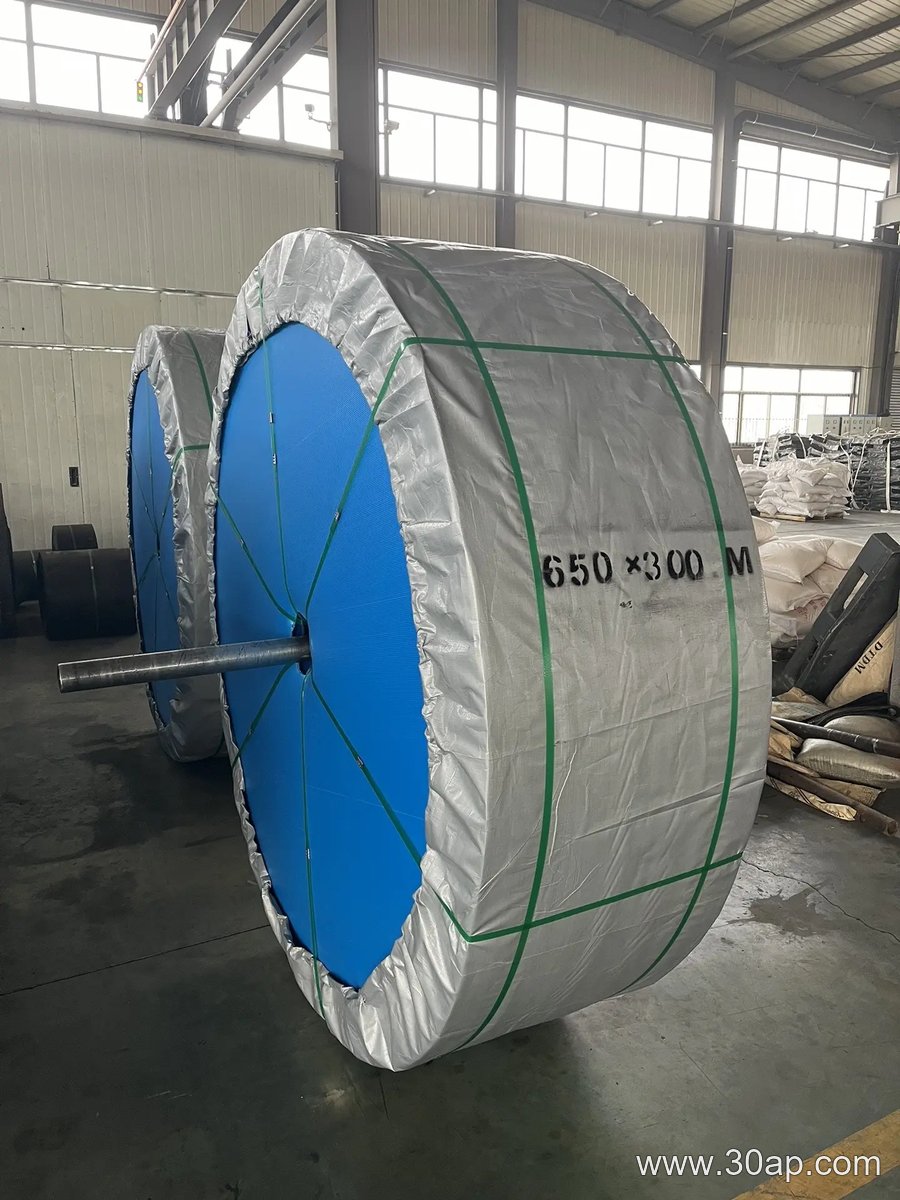
Many engineers assume a conveyor belt that mistracks needs a stronger belt. In reality, the belt is often a symptom of misalignment or uneven loading. The conveyor belt itself must be flexible enough to trough, yet stiff enough to resist edge damage.
Engineering Trade-Offs in Belt Design
For variable-load lines, a conveyor belt with a balanced carcass and abrasion-resistant cover reduces edge wear. Trade-offs include: softer covers track better but wear faster; stiffer belts hold alignment but need larger pulleys.
- Monitor load distribution to prevent belt drift.
- Use self-aligning idlers as a supplement, not a fix.
- Inspect splice quality—a common hidden cause of mistracking.
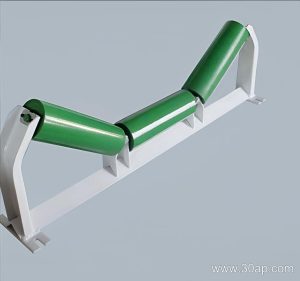
What is an idler roller and what does it do?
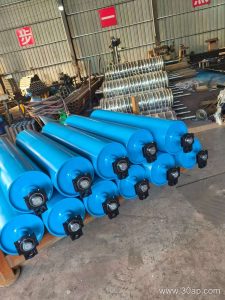
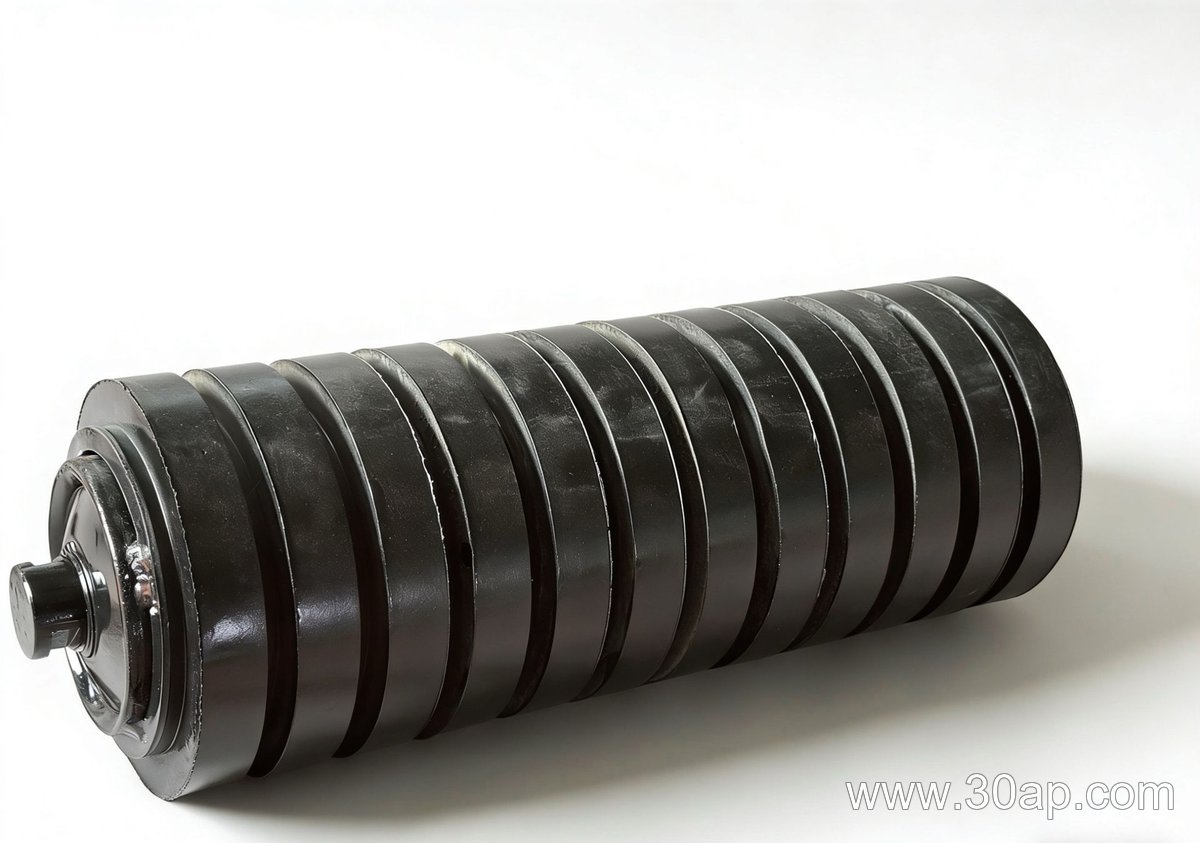
An idler roller is a rotating cylinder that supports the conveyor belt. In a mineral-processing plant, it carries heavy ore without stretching the belt excessively.
How often should idler rollers be replaced?
Replace when the shell wears thin or the bearing seizes. Inspect monthly in dusty areas; a worn idler roller can damage the belt.
Can I use the same idler roller for different belt widths?
No. The idler roller length must match belt width. A 900 mm belt needs a roller with a face length that fits the frame.
What causes an idler roller to stop turning?
Common causes include contaminated bearings, broken seals, or a bent shaft. In a mineral-processing plant, abrasive dust accelerates this.