Why Idler Roller Seals Matter More Than Bearing Brand
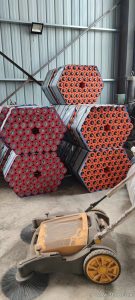
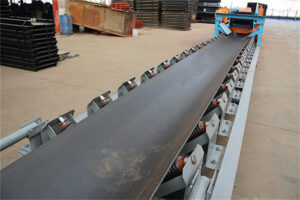
In a dusty quarry, an idler roller often fails at the seal, not the bearing. Fine grit works past simple contact seals and grinds away grease. A labyrinth seal with multiple grooves slows that ingress, but adds drag.
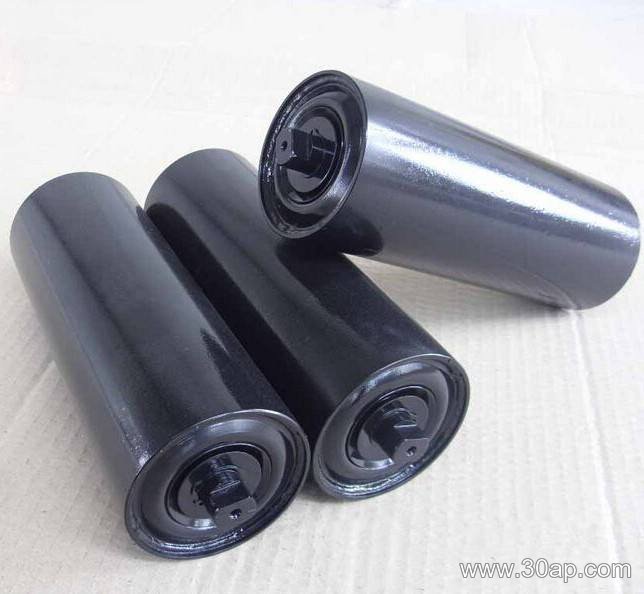
The Engineering Trade-Off
- Tighter labyrinth: better dust exclusion, slightly higher rolling resistance.
- Simpler seal: lower drag, shorter regreasing interval.
- Service access: remote greasing points reduce manual risk but add fittings.
Match seal complexity to dust loading and maintenance reach. A hypothetical quarry line with weekly inspection may accept a simpler seal; a sealed-for-life roller suits inaccessible sections.
When Wet Ore Causes Belt Slippage
In a mineral-processing plant, wet, sticky ore can reduce friction at the drive. A lagged conveyor pulley integrates into the solution by improving grip without over-tensioning the belt.
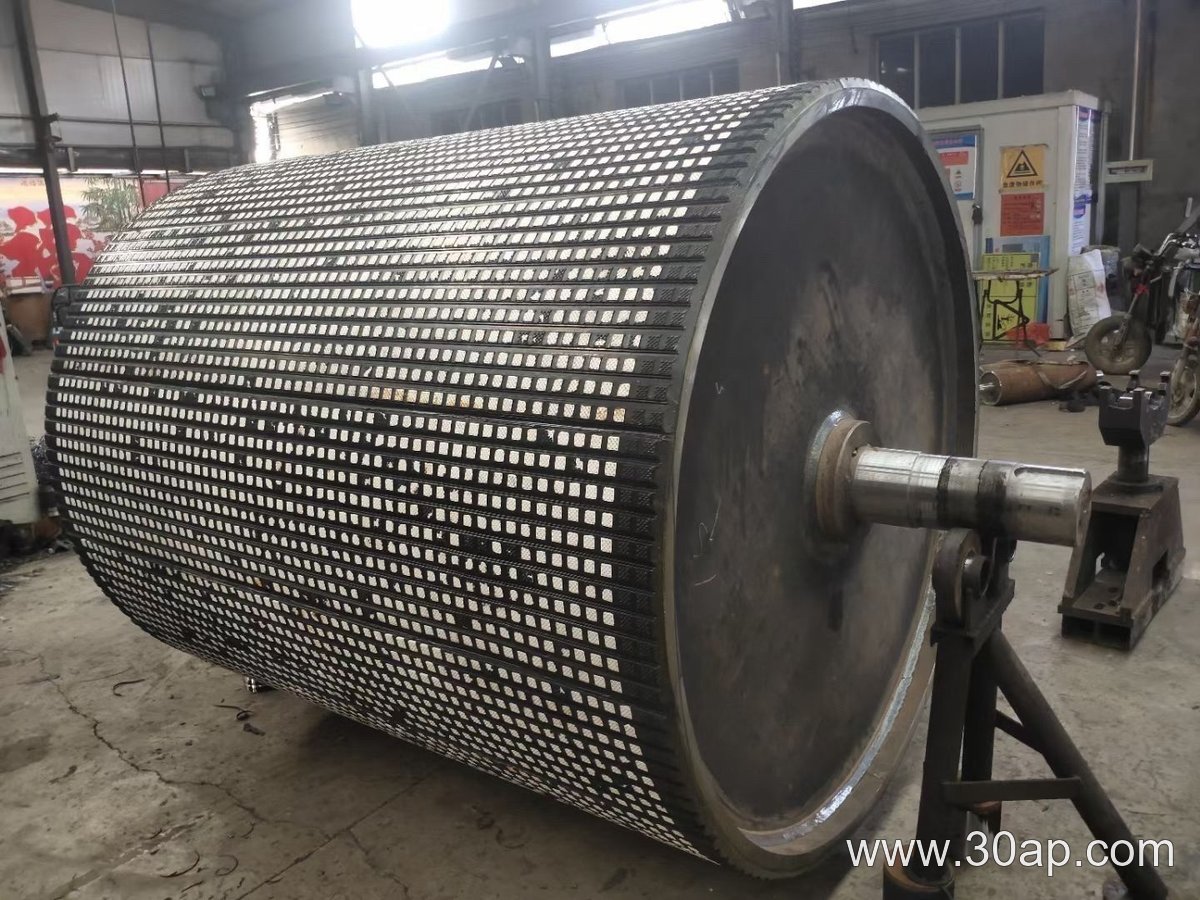
Practical Integration Checklist
- Confirm the conveyor pulley’s lagging type suits abrasive, moist conditions.
- Check that the pulley’s diameter and face width match the belt and frame.
- Verify the shaft and bearing capacity for the existing drive torque.
- Plan for drainage and cleaning around the pulley to prevent build-up.
Hypothetical example: a 1.2 m diameter conveyor pulley with rubber lagging may restore traction where a plain steel pulley slips. This is an illustrative engineering scenario, not a real installation.
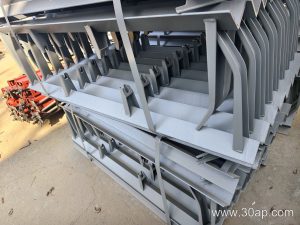
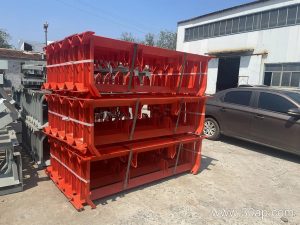
Does a conveyor bracket always have to be welded to the frame?
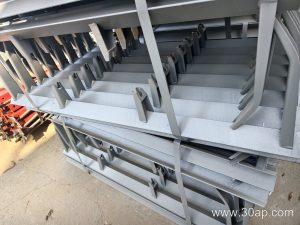
No. Many conveyor brackets are bolted or clamped, which simplifies replacement and alignment. Welding is common for permanent, high-vibration duty, but it complicates future adjustments.
When is a bolt-on conveyor bracket the better choice?
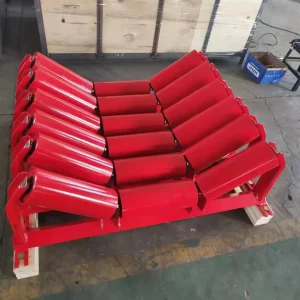
In a general manufacturing line where idler rolls are changed often, a bolt-on bracket speeds maintenance. For example, a hypothetical packaging line might use slotted bolt-on brackets to fine-tune belt tracking without cutting steel.
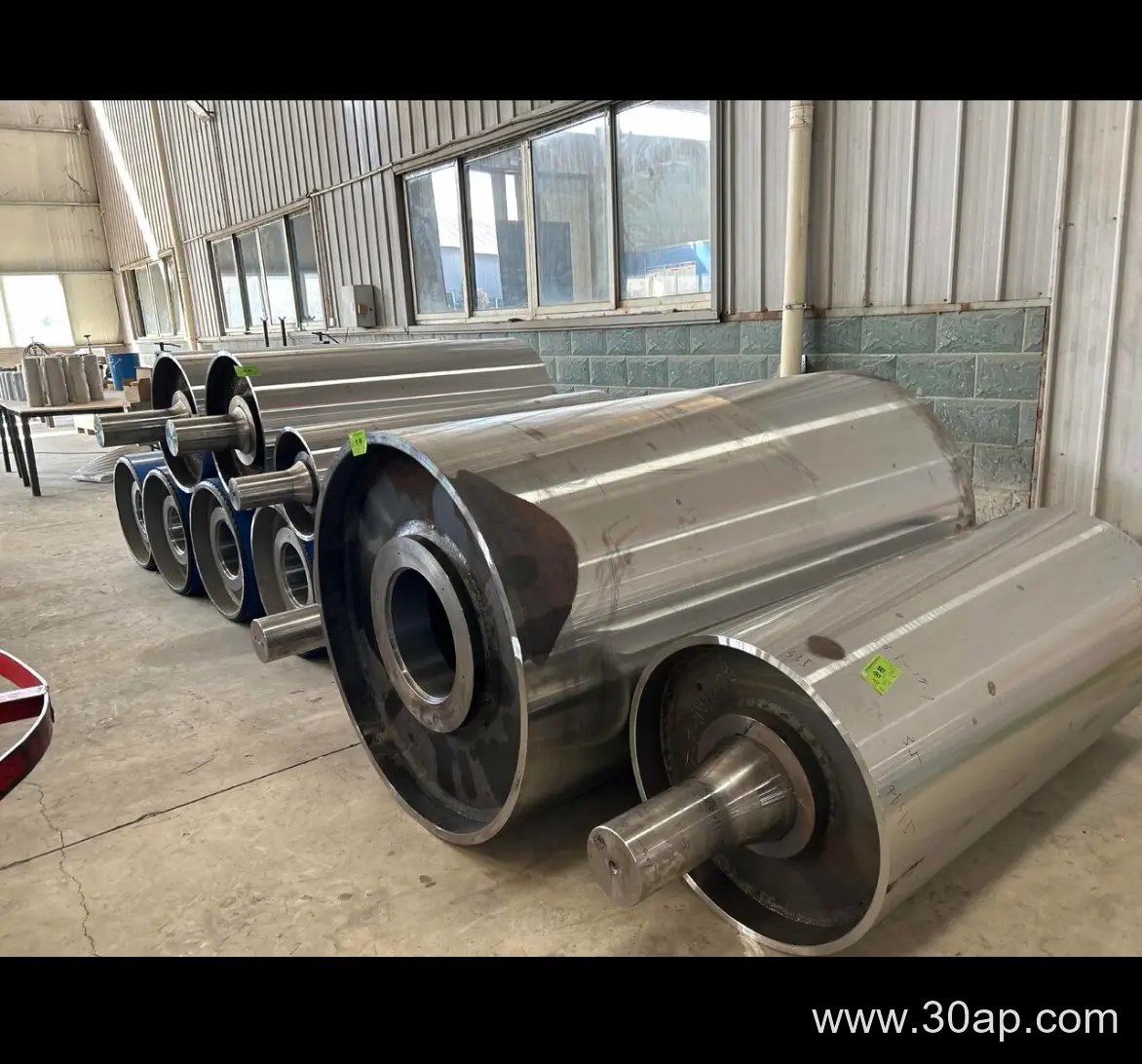
What about welded brackets in heavy-duty settings?
Welded brackets suit permanent, high-load locations. A hypothetical aggregate conveyor might weld brackets to resist constant shock, but that makes realignment harder if the frame shifts.
Can I mix both types on one conveyor?
Yes. Use welded brackets at fixed, critical supports and bolt-on brackets where adjustment or quick swap is needed. Always follow the conveyor designer’s guidance.
How to Read a Conveyor Belt Data Sheet
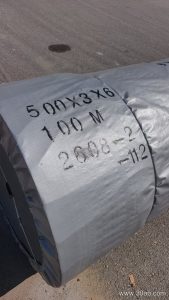
A common mistake is treating a conveyor belt spec sheet as a single rating. In a cement plant, the belt must handle abrasive limestone, hot clinker, and dust. The sheet lists separate fields—each with its own unit—so you can match the belt to the duty.
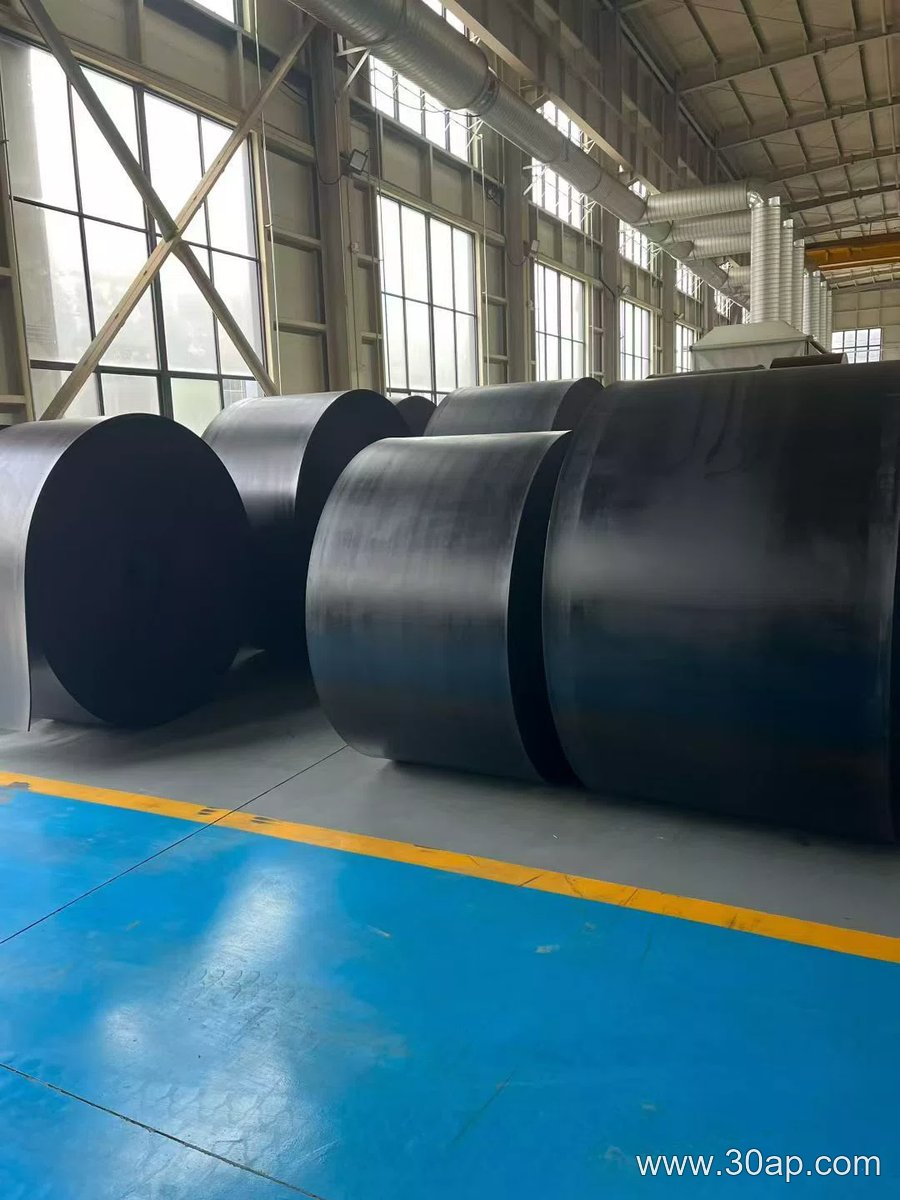
Key Fields and Units
- Tension rating (N/mm): breaking strength per unit width. Compare with calculated belt tension, not with a generic number.
- Cover thickness (mm): top and bottom covers are listed separately. Abrasion resistance is a separate grade, not a thickness value.
- Temperature range (°C): continuous and peak limits. Clinker service may require a heat-resistant compound.
- Carcass type: fabric plies or steel cord. The designation (e.g., EP) indicates fabric material, not a performance rating.
Read every field as a constraint. A high tension rating does not compensate for a thin cover in a dusty transfer point. Always verify that the belt’s temperature range covers the hottest material it will carry.