Conveyor Belt Maintenance: Inspection, Prevention, and Replacement Signals
What does a practical conveyor belt maintenance program actually require? It requires scheduled inspections, targeted preventive tasks, and the discipline to replace the belt when wear reaches a point where reliability or safety is compromised. On a general manufacturing line, these three activities form a continuous cycle that extends service life without risking unexpected stoppages.
Routine Inspection: What to Look For and How Often
Inspection frequency should match duty severity and operating hours. A common approach is a visual walk-by each shift, a detailed inspection weekly, and a comprehensive audit quarterly. During each pass, check the following:
- Belt tracking: look for edge wear, misalignment, or material build-up on return rollers.
- Cover condition: note cuts, gouges, embedded debris, or exposed carcass.
- Splice integrity: inspect for step separation, loose bolts, or frayed fabric.
- Cleanliness: confirm scrapers and skirt rubber are functioning, not just present.
Preventive Maintenance That Pays Off
Preventive maintenance is not a single action but a set of habits. Lubricate idler bearings according to the manufacturer’s schedule, but do not over-grease. Adjust tension to the correct sag—typically 1% to 2% of the span between idlers—rather than guessing. Replace worn idler rolls before they seize and damage the belt. Keep the load centered and avoid overloading the belt beyond its design capacity. For abrasive materials, consider an abrasion resistant conveyor belt as a replacement option when the existing cover wears too quickly, but only after confirming the material and loading conditions justify it.
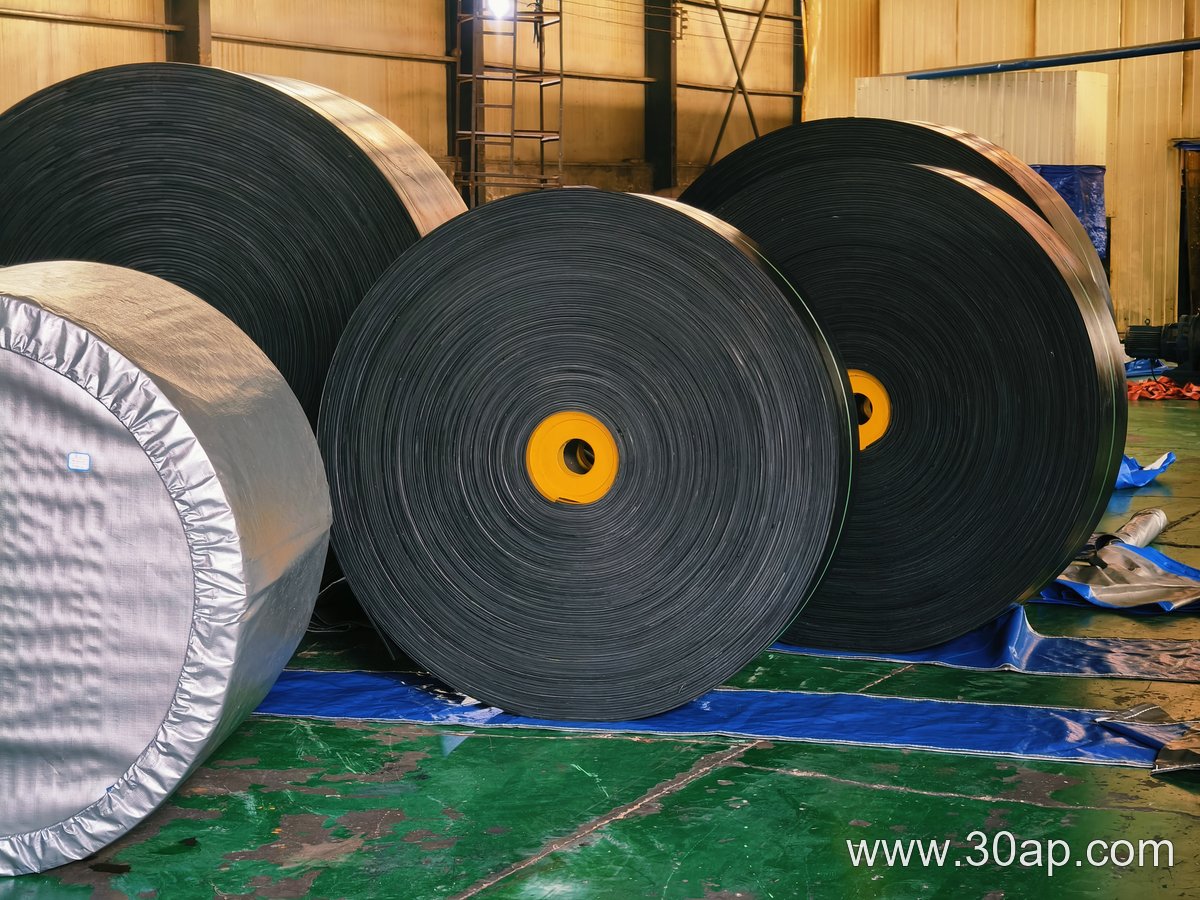
Signs That Replacement Is Needed, Not Just Repair
Repair can extend life, but some conditions call for replacement. These include:
- Exposed carcass over a significant area, especially if the fabric or steel cords are damaged.
- Multiple splices that fail repeatedly, indicating the belt has lost structural integrity.
- Edge damage deeper than 10% of belt width, or longitudinal cracks that propagate.
- Cover wear exceeding the recommended remaining thickness, often measured with a depth gauge.
When these signs appear, calculate the cost of continued repairs against the risk of unplanned downtime. A belt that fails during a production run can damage pulleys, idlers, and structure, turning a manageable maintenance cost into a major repair. In a general manufacturing line, planning replacement during a scheduled shutdown is almost always cheaper than reacting to a mid-shift failure.
Finally, document every inspection and repair. Trends in wear rates, splice failures, and tracking problems reveal whether the belt is nearing the end of its service life. That record is the most reliable guide for deciding when to replace a conveyor belt rather than patch it again.
Why a Rubber Idler Roller Outperforms Steel in a Cement Plant’s Abrasive Clinker Dust
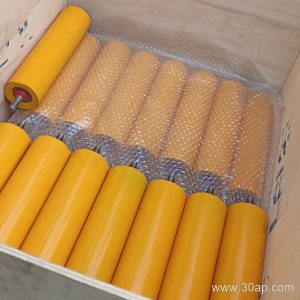
In a cement plant, the return side of a conveyor is often the most punishing location for an idler roller. Clinker dust is sharp, fine, and mildly alkaline; it settles on every surface and works its way into bearings. A steel idler roller can survive this environment, but it often wears quickly, creates a polished surface that lets the belt slip, and transfers noise and vibration into the structure. A rubber idler roller — specifically a return idler with a rubber lagging or a solid rubber disc construction — addresses these problems through material choice rather than through larger bearings or thicker shafts.
What a Rubber Idler Roller Is and How It Is Built
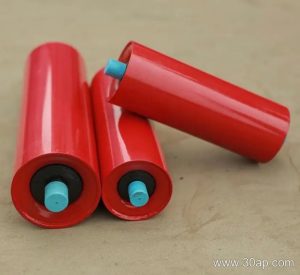
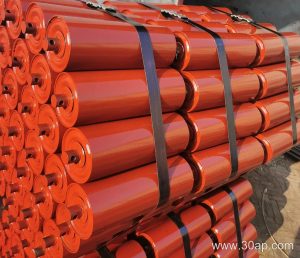
A rubber idler roller is a conveyor roller whose belt-contacting surface is made of rubber, either as a bonded lagging on a steel shell or as a series of molded rubber discs. The core is usually a steel tube with press-fitted or welded bearing housings. The rubber layer may be natural rubber, styrene-butadiene rubber (SBR), or a blend chosen for abrasion resistance and resilience. In a cement plant, the return idler position is common because the rubber surface sheds fine dust better than bare steel and does not build up a sticky coating.
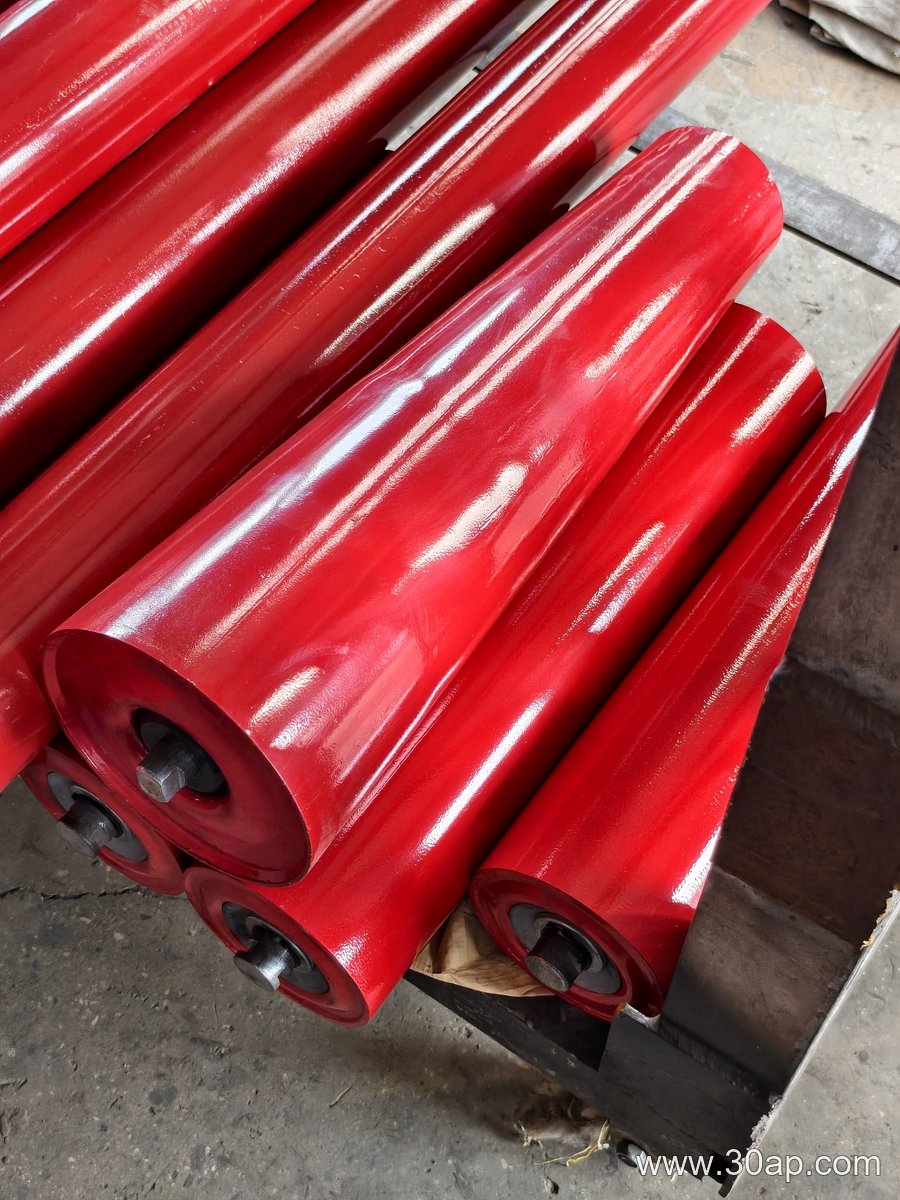
Features That Matter in Cement Dust
- Abrasion resistance: Rubber flexes under load, so hard clinker particles are pressed into the surface and then released rather than cutting the metal.
- Belt protection: The softer contact reduces wear on the belt cover, especially on the dirty side of the return belt.
- Noise and vibration damping: Rubber absorbs impact from lumps and reduces structure-borne noise.
- Dust shedding: A smooth rubber surface releases fine dust more readily than a pitted or corroded steel surface.
Practical Uses and Limits
Rubber idler rollers are not a universal replacement for steel. They are most effective on the return run, in dusty zones, and where belt protection is a priority. In a cement plant, they are often used after the clinker cooler and in transfer points where fines are heavy. They are less suitable for very high temperatures or for applications where the belt carries sharp, large lumps directly on the roller. A hypothetical example: a 1200 mm wide return conveyor carrying 400 t/h of clinker fines at 2.0 m/s might use rubber disc return idlers spaced every 3 m to reduce dust adhesion and belt wear, but the decision would depend on measured temperature and belt tension. Always verify load capacity and temperature limits with the manufacturer.
What Is a Ceramic-Lined Conveyor Pulley?
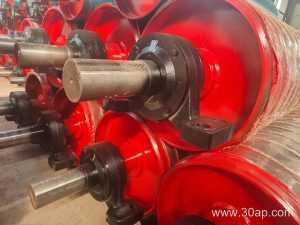
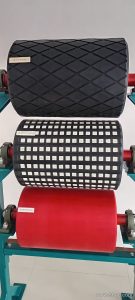
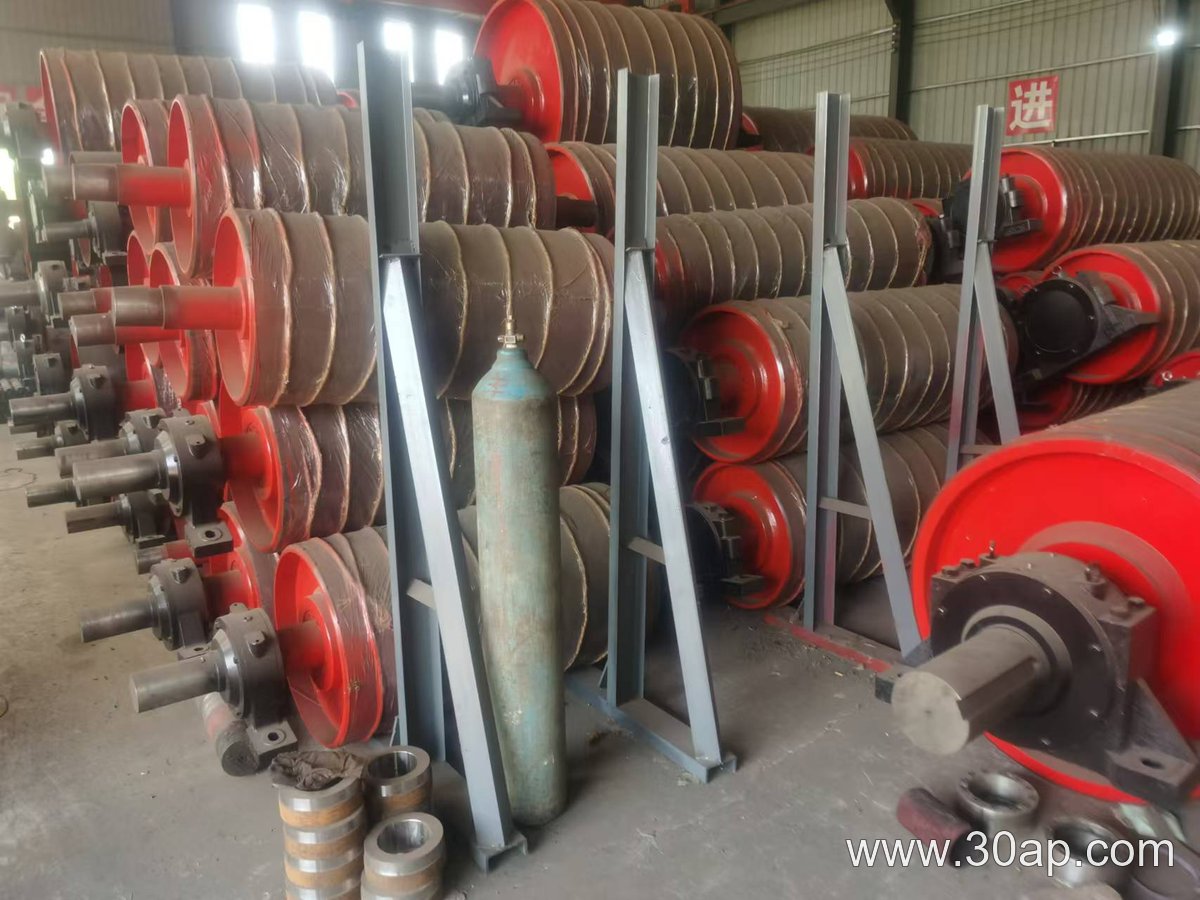
A ceramic-lined conveyor pulley is a drive or bend pulley whose outer shell is covered with small ceramic tiles embedded in a rubber or epoxy matrix. The ceramic tiles provide a hard, abrasion-resistant surface, while the rubber or epoxy absorbs impact and bonds the tiles to the pulley shell. This type of conveyor pulley is a subtype of the standard lagged pulley, designed specifically for high-wear, high-tension applications where belt slip and shell abrasion are persistent problems.
Construction and Features
A typical ceramic-lined conveyor pulley consists of a steel drum, a lagging layer, and ceramic tiles. The tiles are usually 10–20 mm thick and arranged in a diamond or square pattern with gaps for drainage and flexibility. The lagging compound may be natural rubber, nitrile, or epoxy, chosen for compatibility with the conveyed material and environmental conditions. Key features include:
- High friction coefficient, even when wet or dusty
- Excellent resistance to abrasive wear from clinker, limestone, or cement dust
- Reduced belt slip, which lowers energy consumption and belt wear
- Longer service life compared to plain rubber lagging in harsh conditions
Uses in a Cement Plant
In a cement plant, ceramic-lined conveyor pulleys are often found on drive pulleys for clinker conveyors, limestone crusher discharge belts, and raw mill feed conveyors. These locations combine heavy loads, fine abrasive dust, and occasional moisture from material conditioning. A ceramic-lined pulley helps maintain grip without excessive belt tension, which can extend belt splice life. For example, a hypothetical cement plant might specify a 500 mm diameter conveyor pulley with ceramic lagging for a clinker transport belt that operates 24/7 in a dusty environment. The ceramic surface resists the polishing effect of clinker dust, keeping the friction coefficient stable over time.
When to Specify a Ceramic-Lined Conveyor Pulley
Consider a ceramic-lined conveyor pulley when the following conditions apply:
- The belt carries abrasive materials that quickly wear rubber lagging.
- The pulley operates in wet or oily conditions where standard lagging loses grip.
- Belt slip is a recurring issue that cannot be solved by increasing tension.
- The pulley is a drive pulley with high torque requirements.
However, ceramic lagging is not universal. It can be more expensive than plain rubber, and the tiles may crack under extreme impact or if the belt has embedded metal. For light-duty or clean applications, a standard rubber-lagged conveyor pulley remains sufficient. Always match the lagging type to the actual operating conditions, and consult the pulley manufacturer for specific load and speed limits.
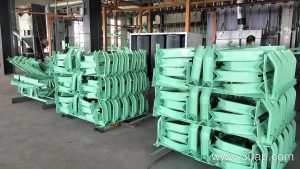
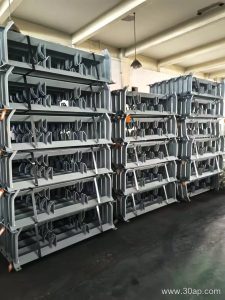
When engineers specify a conveyor bracket, they often focus on strength and fit—then are surprised by the final cost. The truth is that four practical factors shape the price of any conveyor bracket: material choice, dimensions, manufacturing method, and freight. Understanding these trade-offs helps you compare quotes intelligently without fixating on a single number.
Material: The First Cost Lever
A conveyor bracket made from mild steel costs less per kilogram than one in stainless steel or aluminum. However, the operating environment matters. In a general manufacturing line, a bracket near a washdown station may need corrosion resistance, pushing the material cost up. Heavier-duty brackets often use thicker plate or higher-strength grades, which also raise material cost. The key is to match the material to the actual load and exposure, not to over-specify.
Dimensions and Geometry
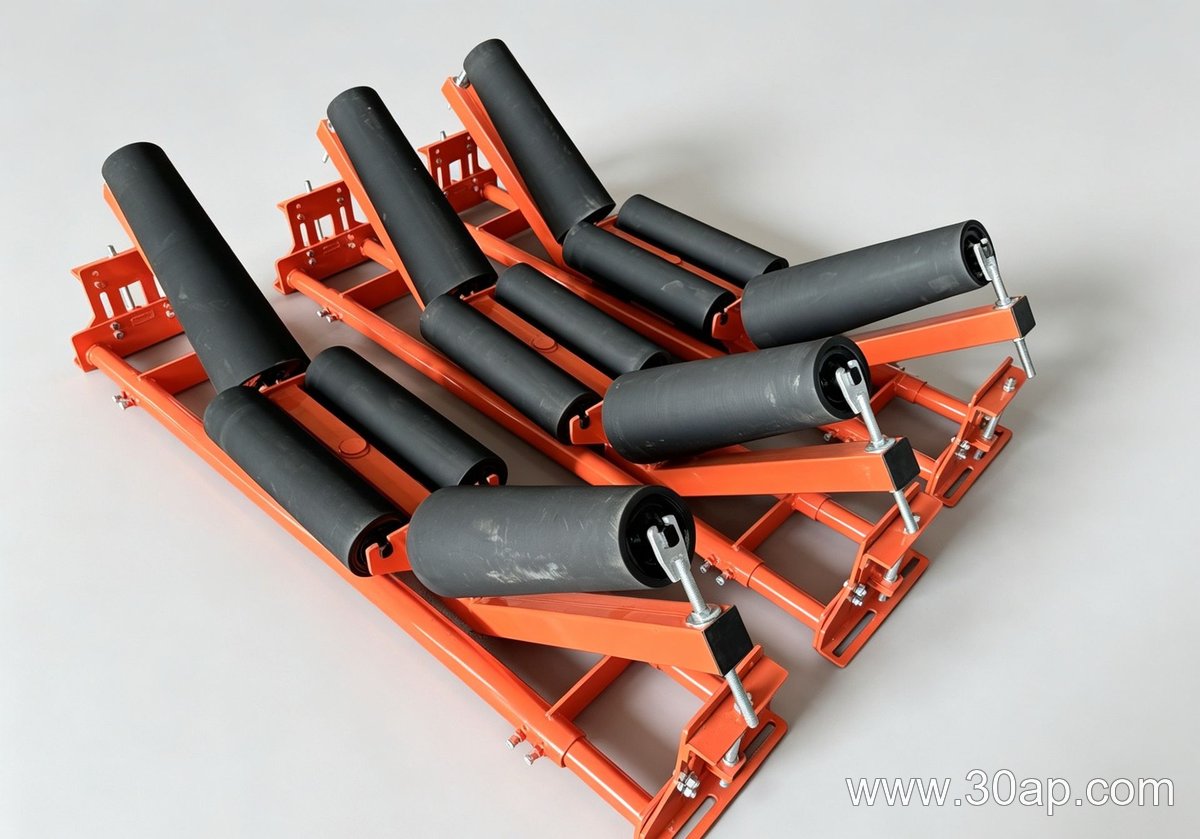
Dimensions affect cost in two ways. Larger brackets require more raw material and may need bigger forming equipment. Complex geometry—bends, gussets, or machined faces—adds processing time. A simple L-shaped conveyor support leg is cheaper than a multi-axis bracket with tight tolerances. When reviewing a conveyor bracket quotation, check whether the drawing calls for unnecessary features that could be simplified without compromising function.
Manufacturing Method and Volume
Fabrication choices change the cost structure. Laser cutting, punching, bending, welding, and drilling each add labor and machine time. A welded assembly may be cheaper for one-off pieces, while a bolted or riveted design can reduce assembly time in higher volumes. Surface treatments such as painting, galvanizing, or powder coating add cost but may extend service life. Ask suppliers how they plan to manufacture the bracket—it reveals where cost is added.
Freight and Logistics
Freight is often overlooked. A conveyor bracket is bulky relative to its weight, so shipping costs depend on volume, not just mass. Flat-pack designs that ship knocked down can lower freight charges. Distance, carrier type, and whether the bracket is part of a larger order all influence the final delivered cost. Always compare quotes on a delivered basis, not just ex-works.
FAQ
Does a higher material grade always mean a better conveyor bracket?
No. The best grade is the one that meets the load, environment, and maintenance plan at the lowest total cost. Over-specifying wastes money.
Can I reduce cost by changing dimensions?
Sometimes. Reducing unnecessary material or simplifying geometry can cut both material and machining costs, provided structural requirements are still met.
Why do two suppliers quote different prices for the same conveyor bracket?
They may use different manufacturing methods, material sources, or freight arrangements. Compare the full delivered cost and the assumed production process.