Conveyor Pulley Essentials
The conveyor pulley drives and tensions your belt. Choose the right one for reliability.
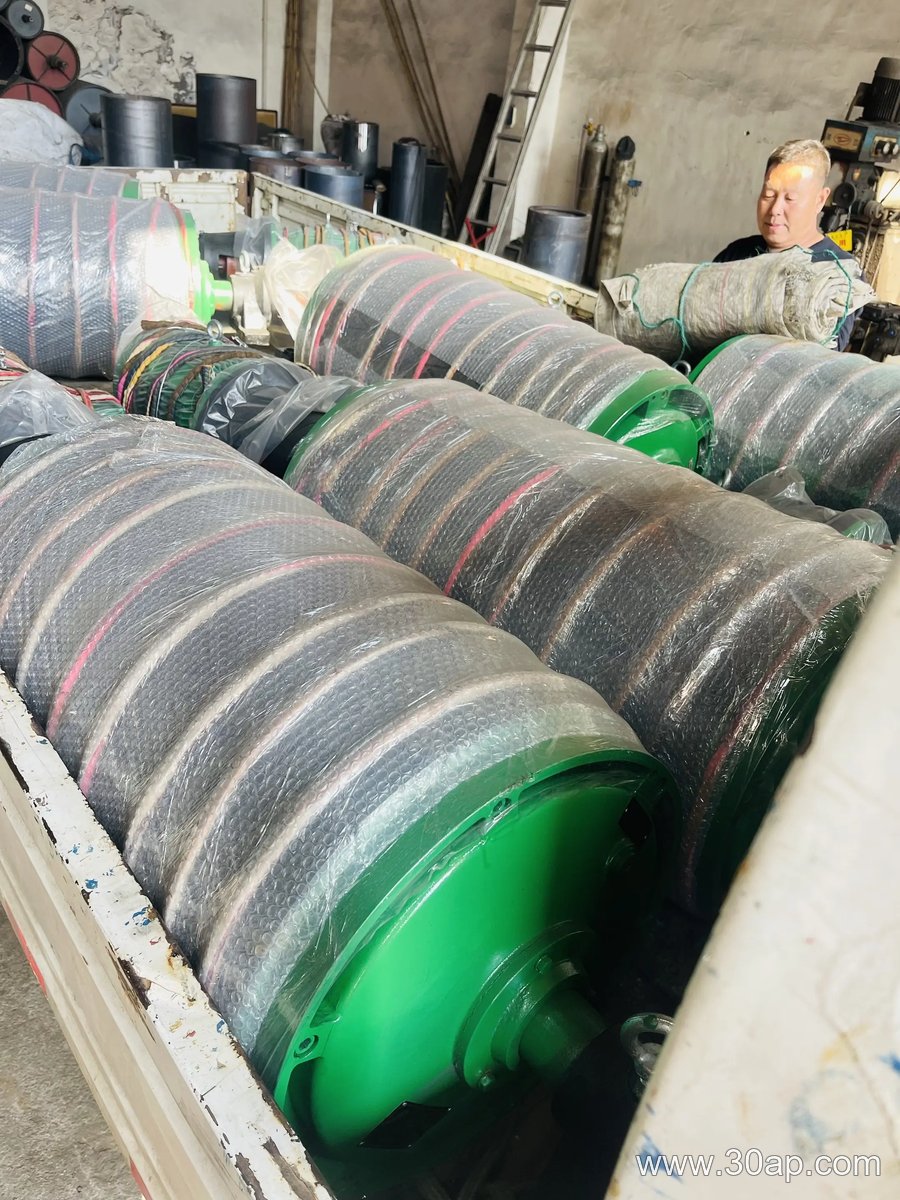
Key Selection Factors
- Belt width and load capacity
- Pulley diameter and face length
- Lagging type for grip
- Shaft and bearing specs
Purchasing Advice
Verify material, balance, and standards. Request load calculations and warranty. Buy from reputable suppliers.
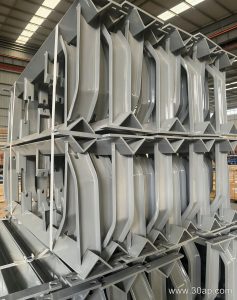
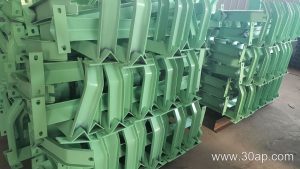
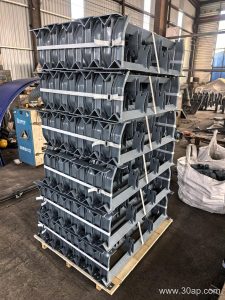
Why the Conveyor Bracket Matters
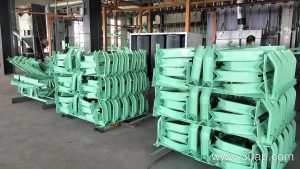
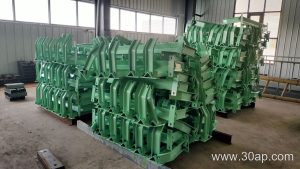
A conveyor bracket supports rollers, idlers, and frames, keeping your line aligned and efficient. Choose the right one for reliable operation.
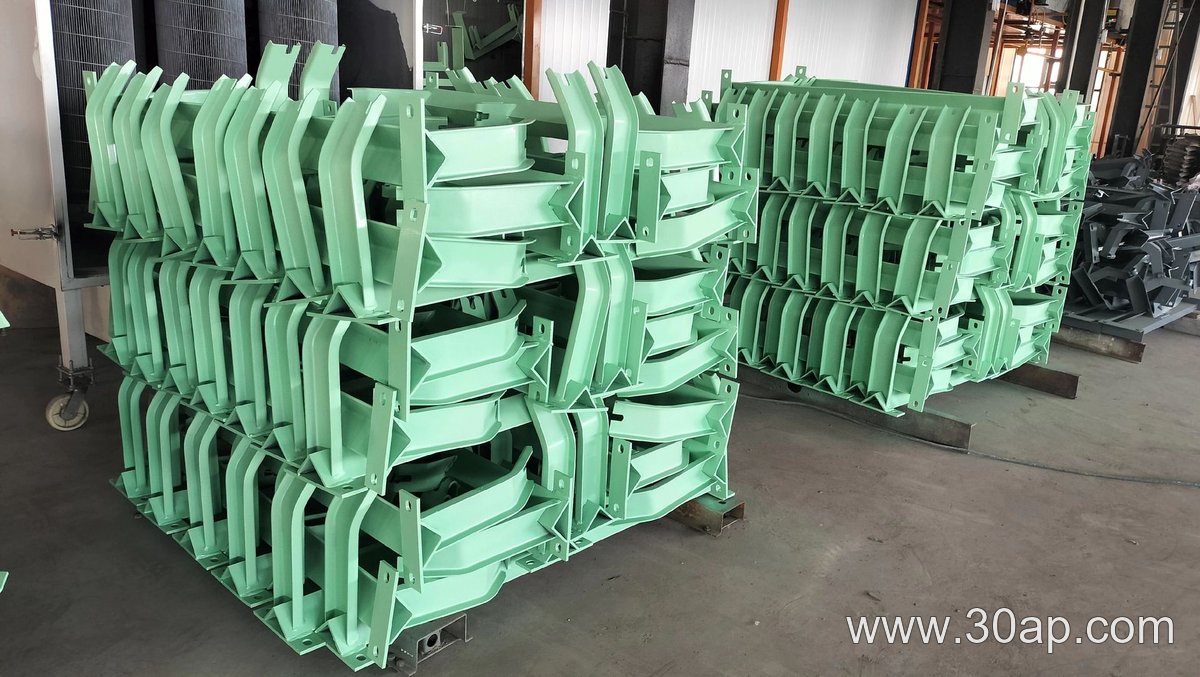
Selection and Purchasing Advice
- Match bracket material to load and environment.
- Check hole patterns and mounting compatibility.
- Prefer adjustable designs for easy alignment.
- Verify load ratings and corrosion resistance.
Conveyor Belt Selection and Purchasing Guide
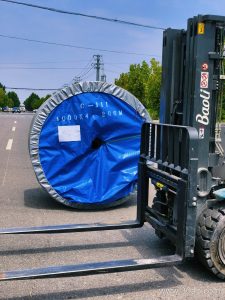
A conveyor belt is a continuous loop used to move materials efficiently across industrial operations. Choosing the right belt improves throughput, safety, and service life.
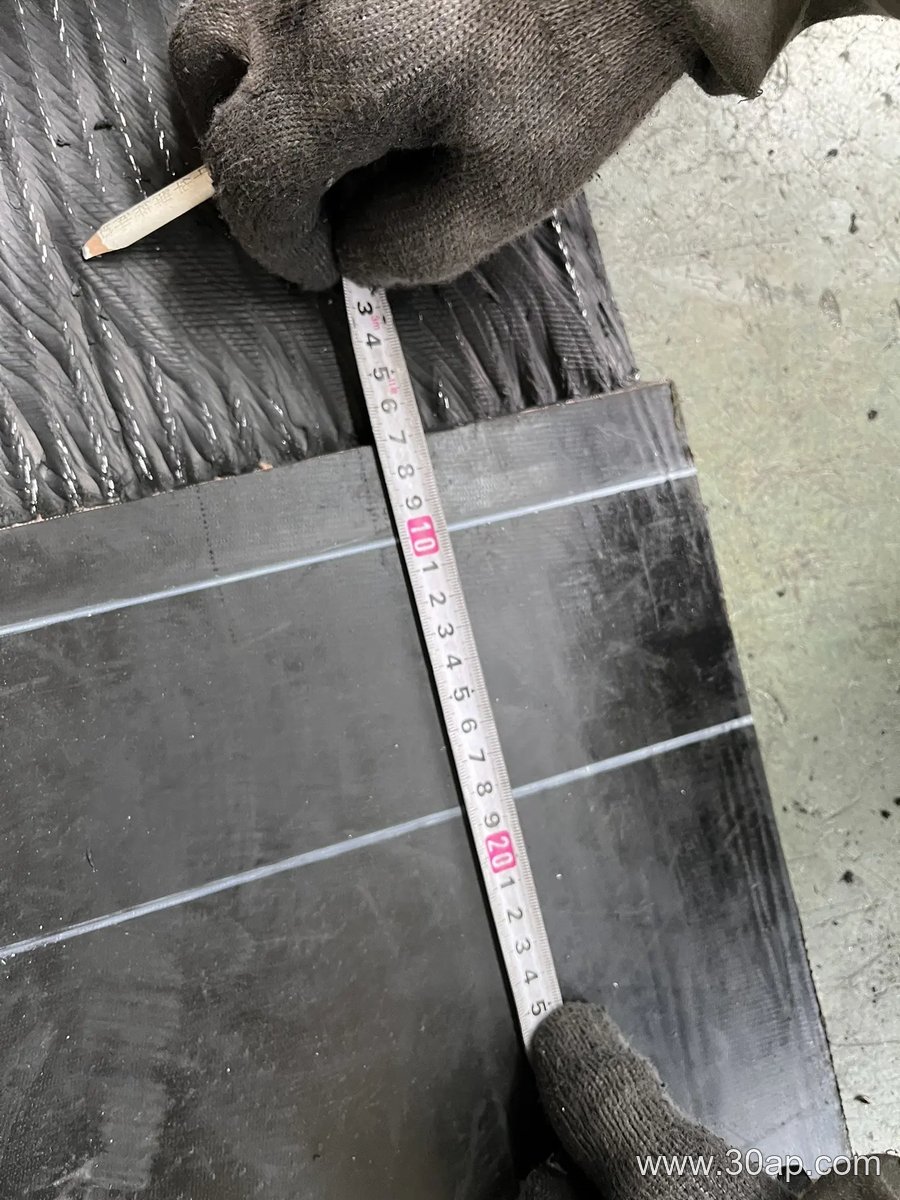
Key Selection Factors
- Material and load weight
- Belt width, thickness, and tension rating
- Operating environment and temperature
- Cleat, profile, and surface requirements
Purchasing Advice
- Match belt spec to conveyor design
- Confirm splice and fastener compatibility
- Review wear, impact, and abrasion resistance
- Compare lead time, warranty, and support
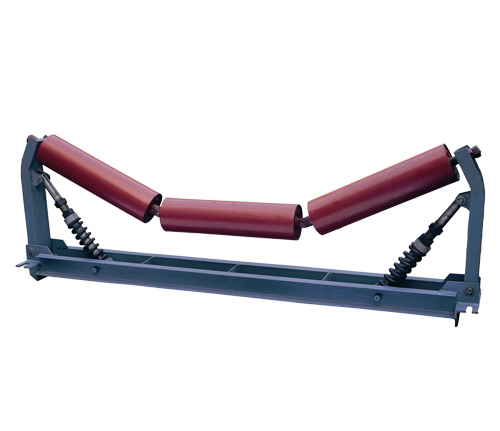
Idler Roller: The Backbone of Conveyor Efficiency
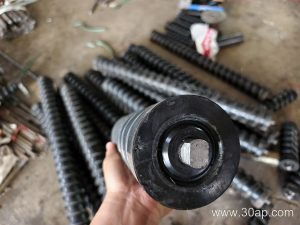
An idler roller supports the belt and reduces friction in bulk handling systems. Choosing the right one cuts downtime and energy costs.
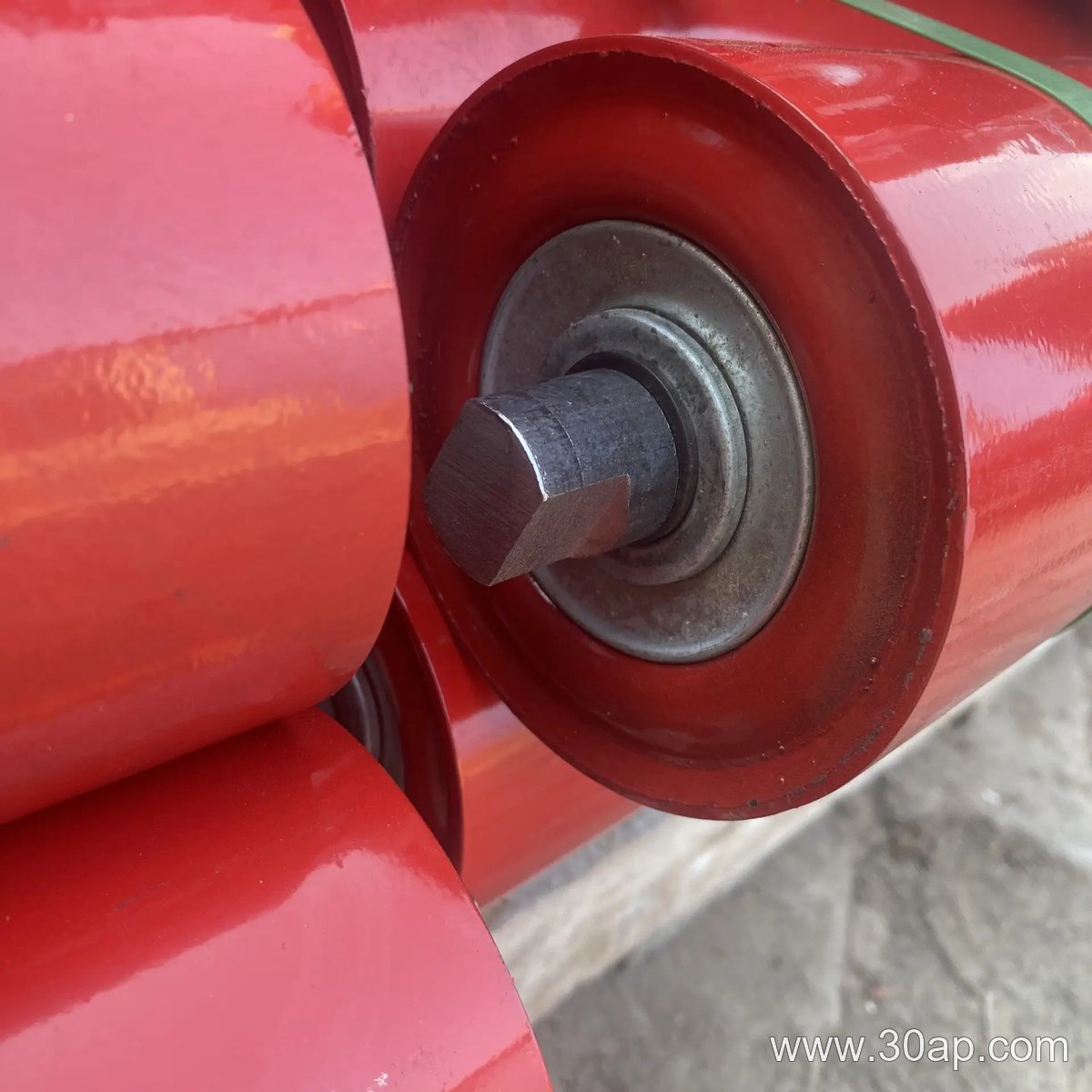
Key Selection Factors
- Load capacity and belt width compatibility
- Bearing type: sealed vs. open for dust or moisture
- Roller material: steel, stainless, or polymer
- Environmental conditions: temperature, corrosion, abrasion
Purchasing Advice
Verify shaft diameter, mounting style, and rotation speed. Request load test data and warranty terms. Standardize sizes across your line to simplify spares.