Conveyor Bracket: The Backbone of Your Material Handling System
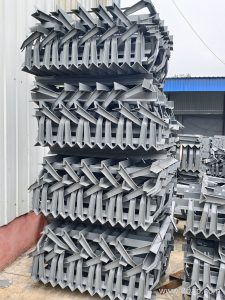
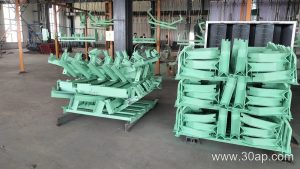
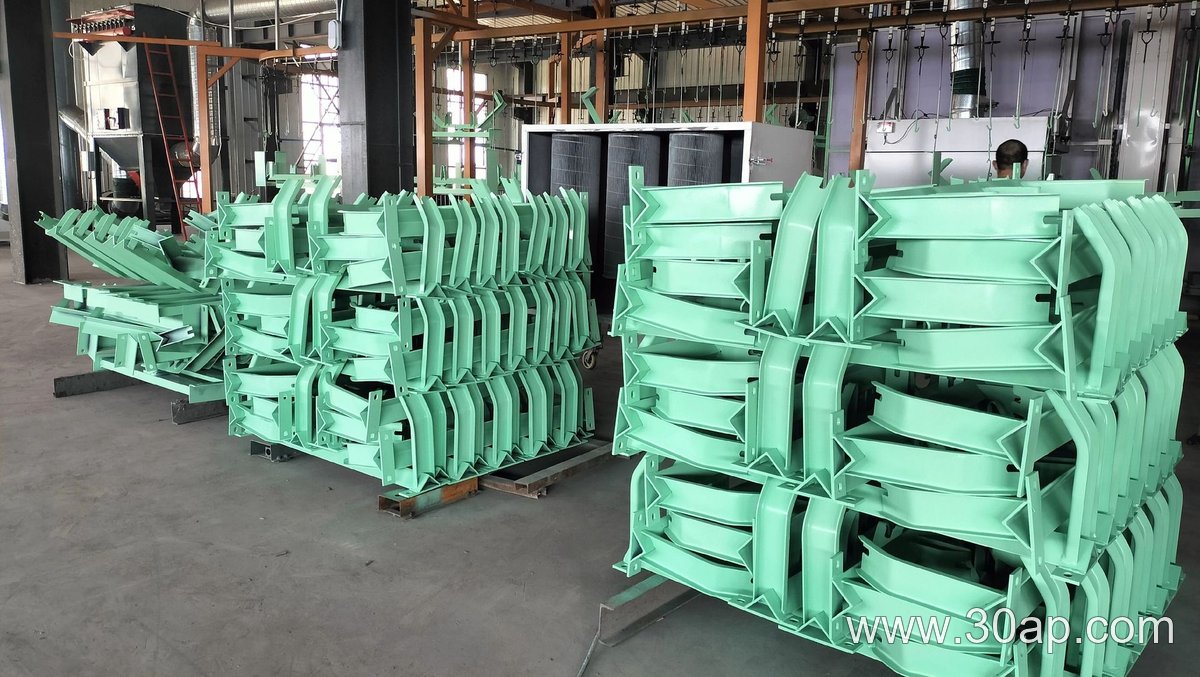
A conveyor bracket is the structural component that mounts and aligns rollers, idlers, and pulleys, directly affecting belt tracking and load stability.
Selection and Purchasing Advice
- Match bracket material to load and environment: mild steel for general use, stainless for washdowns.
- Confirm hole patterns and shaft diameters fit your existing conveyor frame.
- Check load ratings and corrosion resistance before ordering.
Conveyor Belt Selection Guide
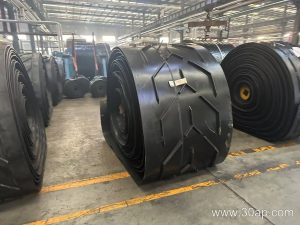
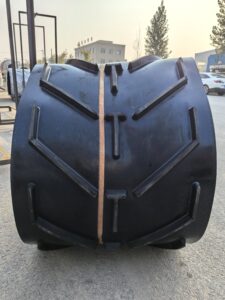
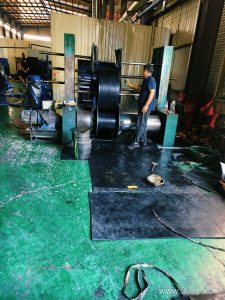
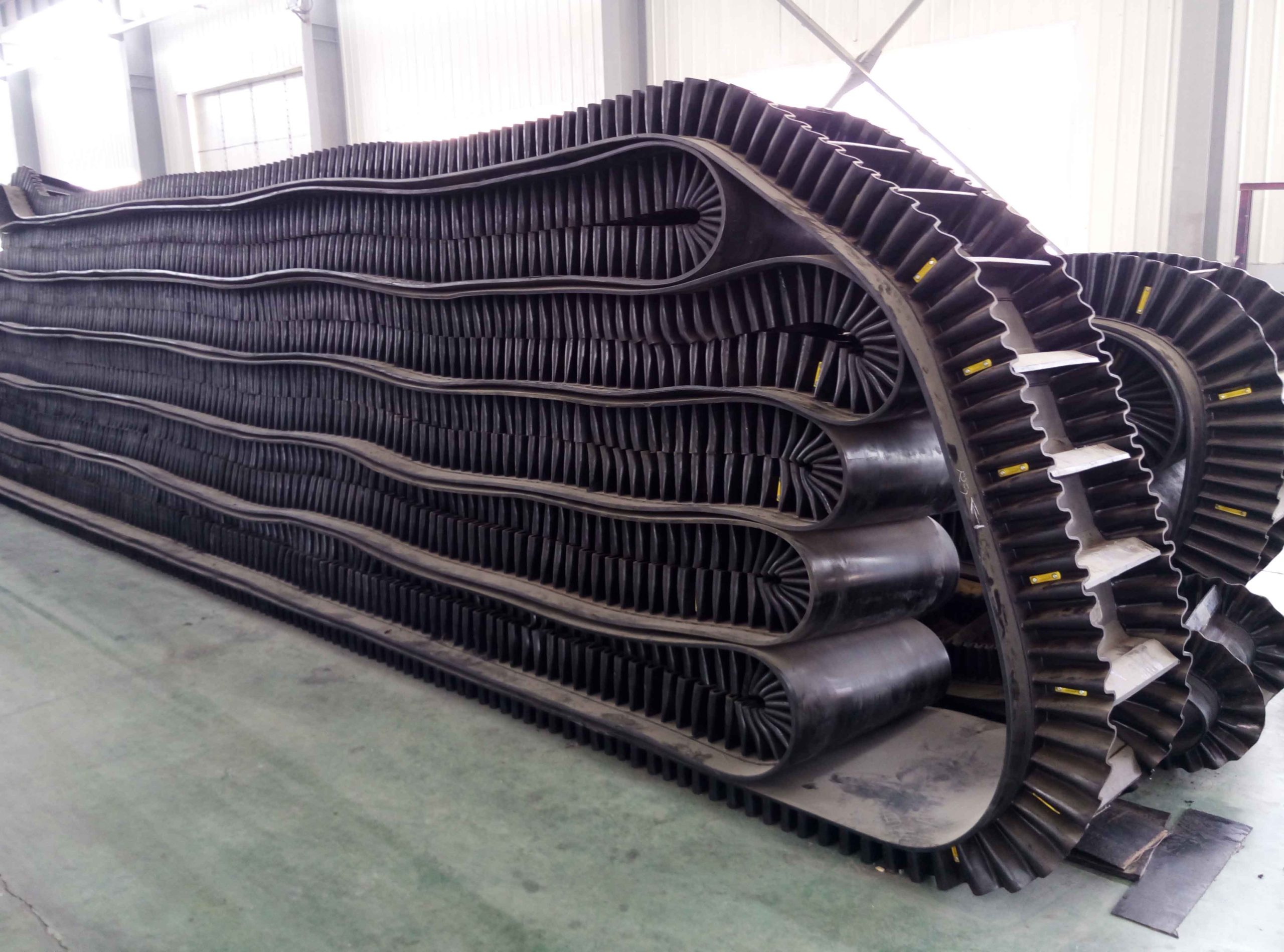
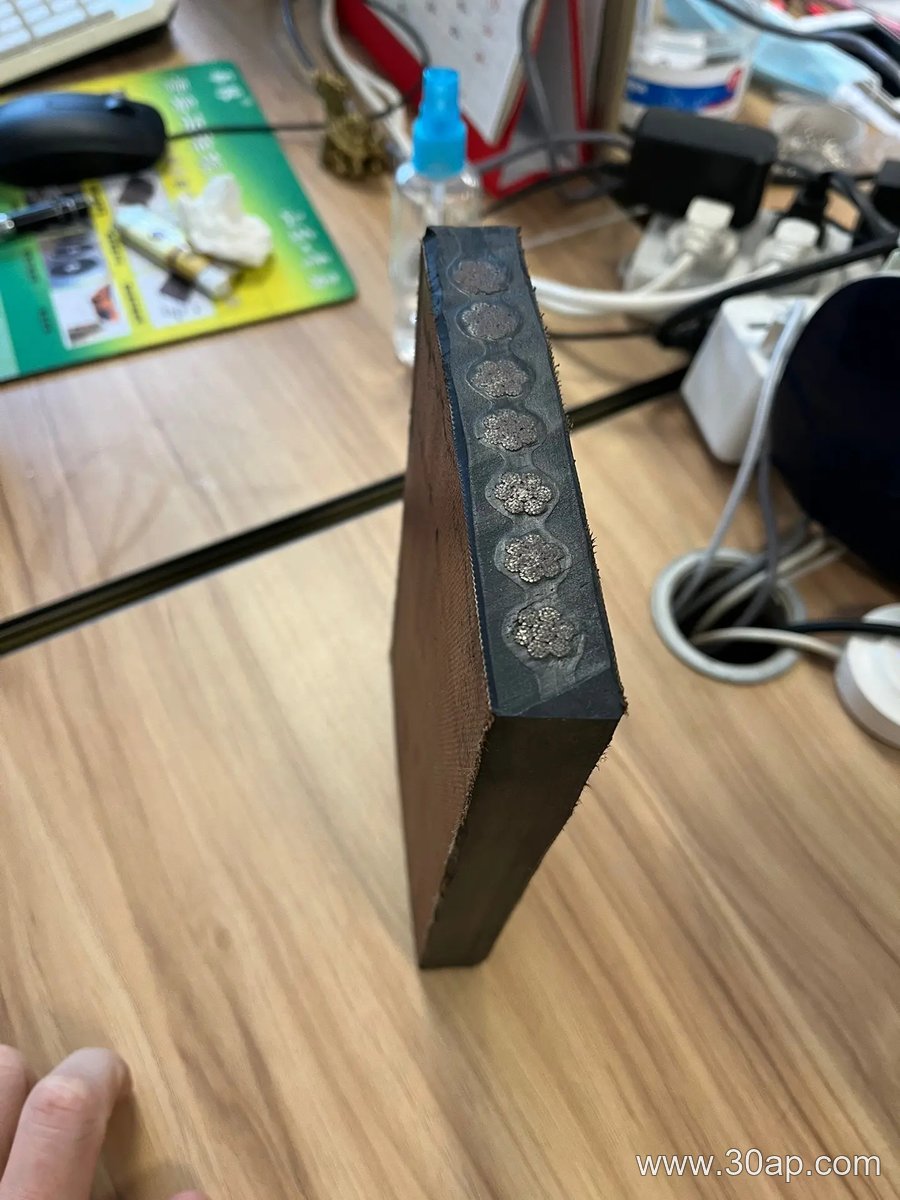
A conveyor belt is the core of any bulk handling line. Match material, tension, and environment before buying.
Key Selection Factors
- Material: rubber, PVC, or steel cord for abrasion and heat.
- Load and speed: confirm tensile strength and width.
- Environment: oil, fire, or food-grade approvals.
Purchasing Advice
Request test reports, spare splice kits, and export packing details. Compare warranty and lead time, not price alone.
Choosing the Right Idler Roller
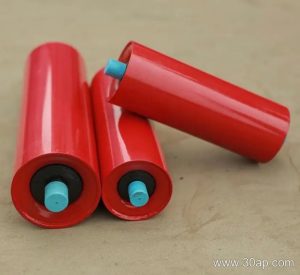
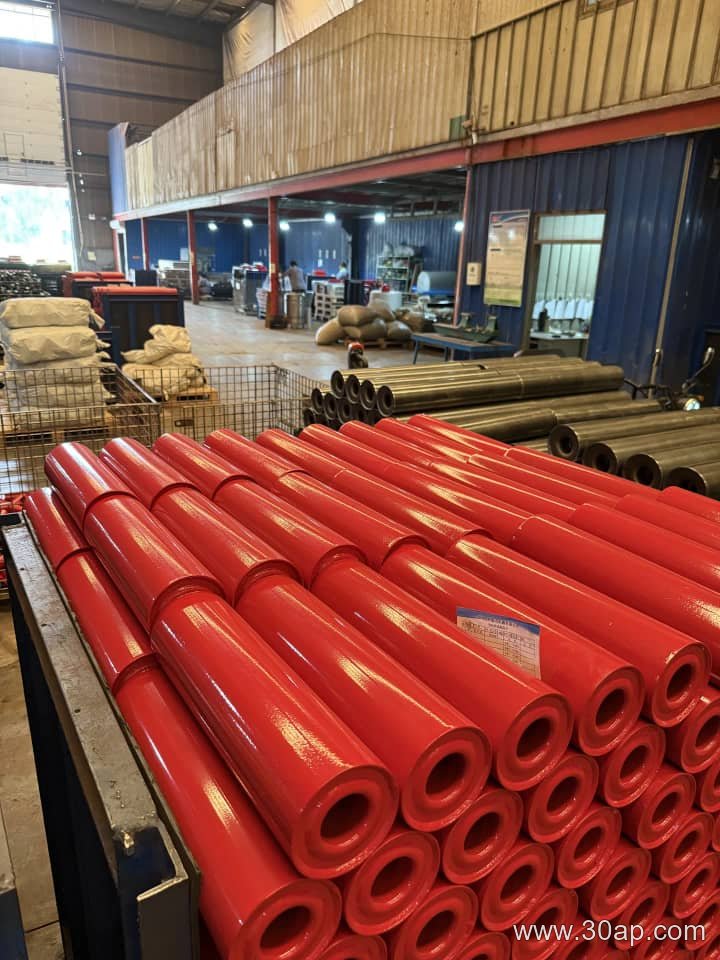
An idler roller supports and guides conveyor belts without driving them. Select based on load, speed, and environment.
Key Selection Factors
- Load capacity and shaft diameter
- Bearing type: sealed or open
- Roller material: steel, stainless, or polymer
- Environmental resistance to dust and moisture
Purchasing Advice
Match roller diameter to belt width. Verify tolerances and lubrication. Buy from suppliers offering load ratings and test data.
Conveyor Pulley Essentials
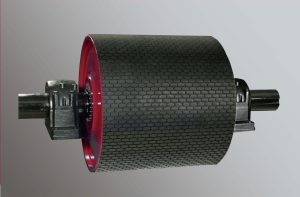
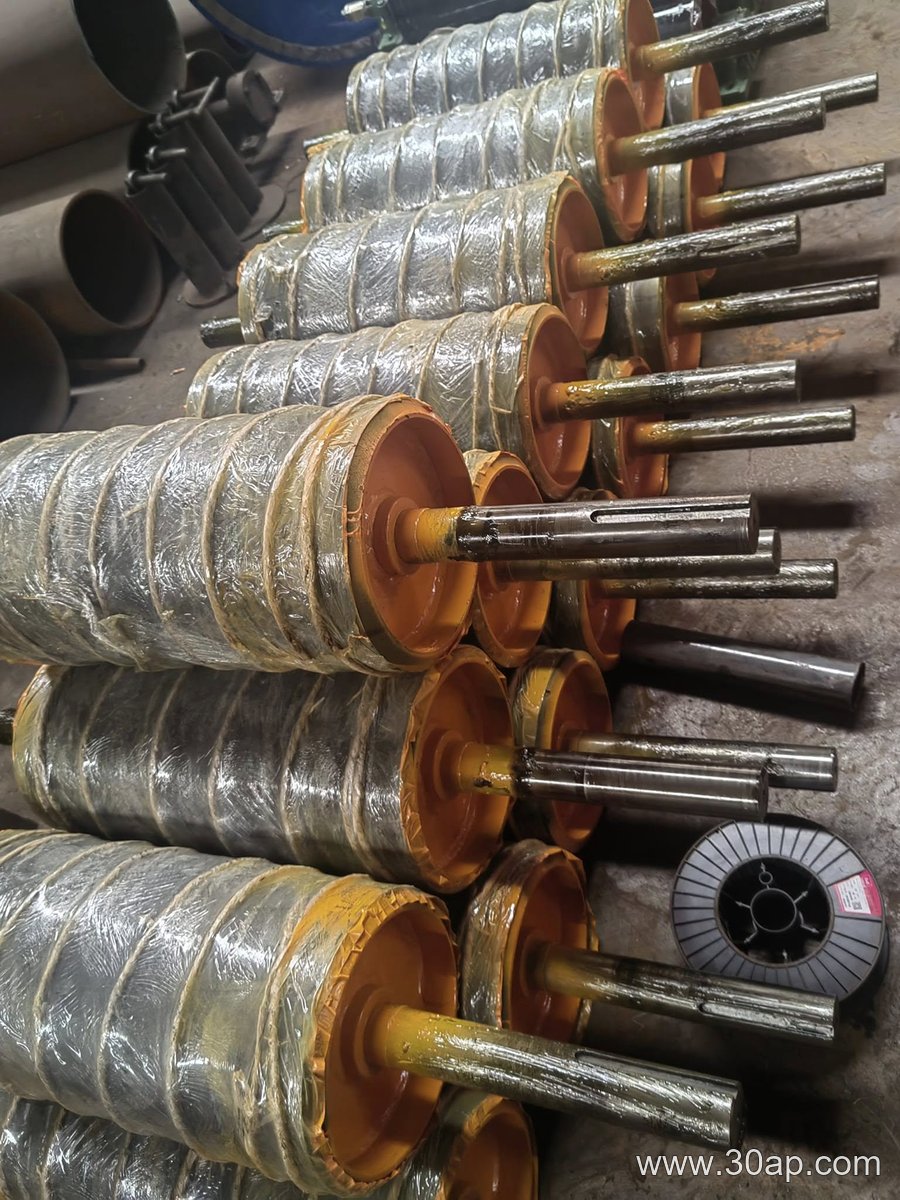
A conveyor pulley drives and tensions the belt. Choose drum or wing type based on duty and material buildup.
Selection Advice
- Match pulley diameter to belt thickness and load.
- Specify lagging for grip; rubber for wet, ceramic for abrasive.
- Confirm shaft, bearing, and hub fit.
Purchasing Tips
Request load ratings, balance class, and surface finish. Verify interchangeability and lead time before ordering.