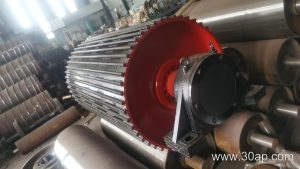
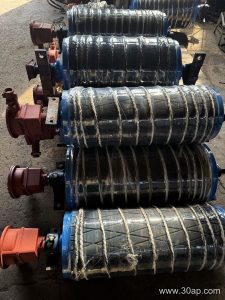
Conveyor Pulley Selection and Purchasing Guide
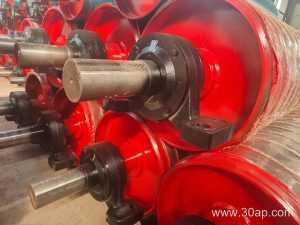
Choose the right conveyor pulley to maximize belt life and uptime.
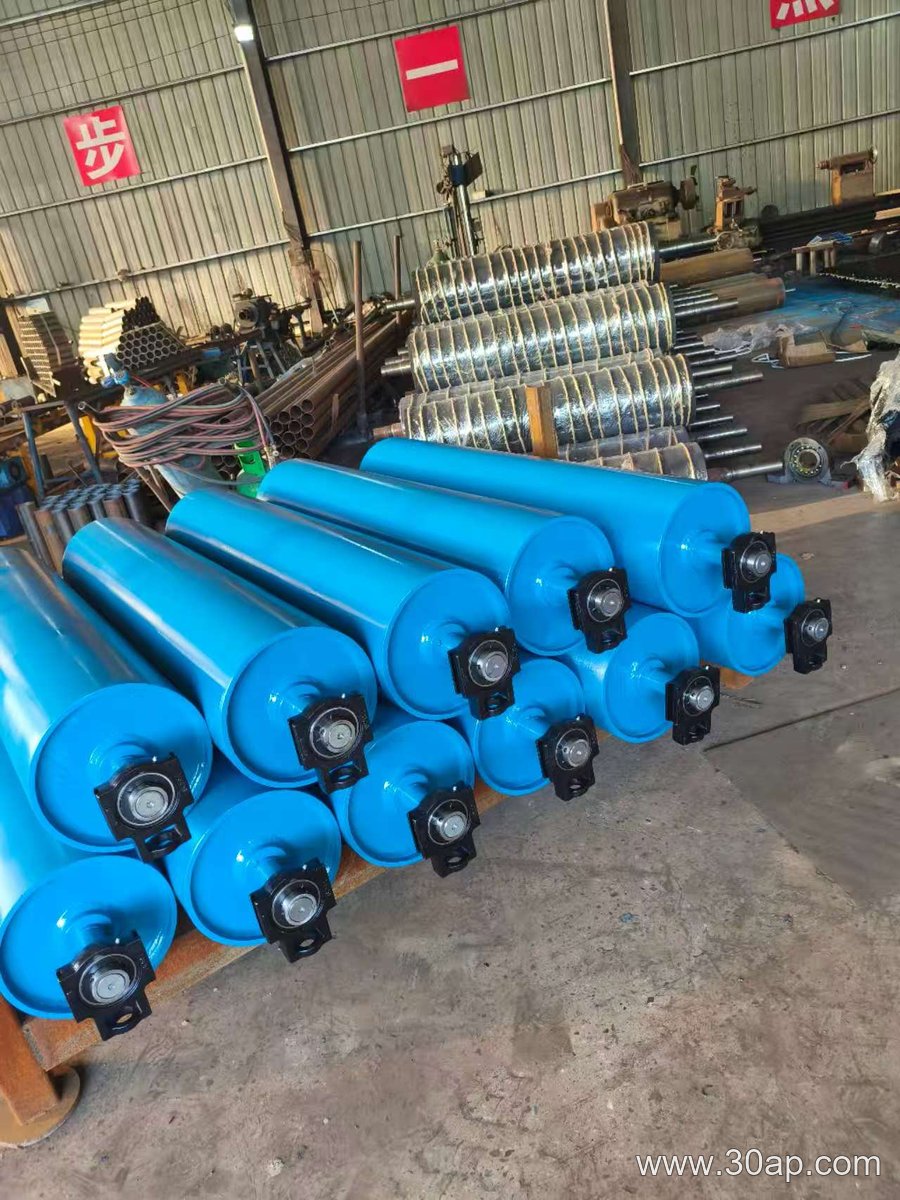
Key selection factors
- Load and belt width
- Pulley diameter and face length
- Lagging type for grip
- Shaft and bearing compatibility
Purchasing advice
- Verify dynamic balance
- Check weld quality and runout
- Confirm lagging thickness
- Request load ratings
Match pulley to application for reliable, efficient conveying.
Conveyor Bracket Essentials
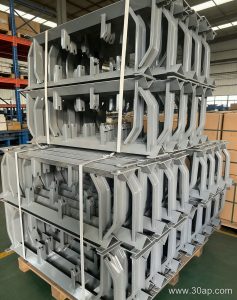
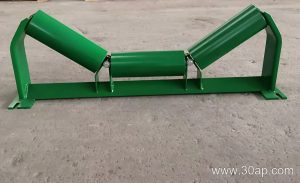
A conveyor bracket supports rollers, idlers, and frames. Choose the right material and fit for reliable operation.
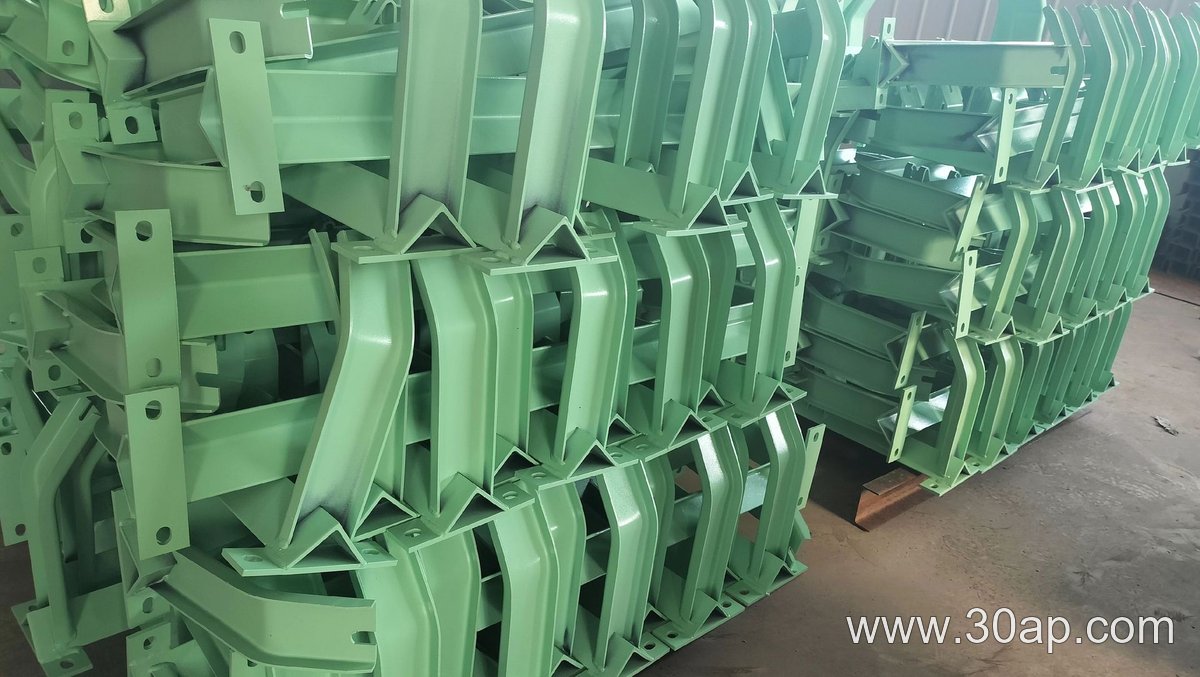
Selection Tips
- Match load capacity and belt width.
- Pick mild steel, stainless, or polymer.
- Check mounting hole pattern.
Purchasing Advice
Verify tolerances, corrosion resistance, and lead times. Buy from suppliers offering samples and consistent batches.
Conveyor Belt Selection for Global Buyers
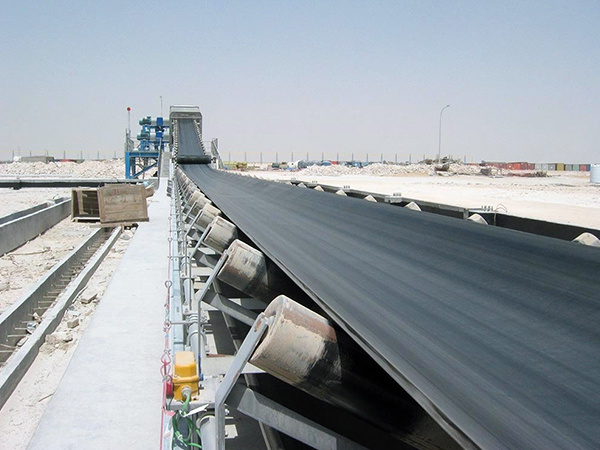
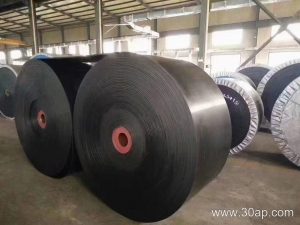
A conveyor belt is a critical investment. Match carcass, cover, and splice to your material, load, and environment before you buy.
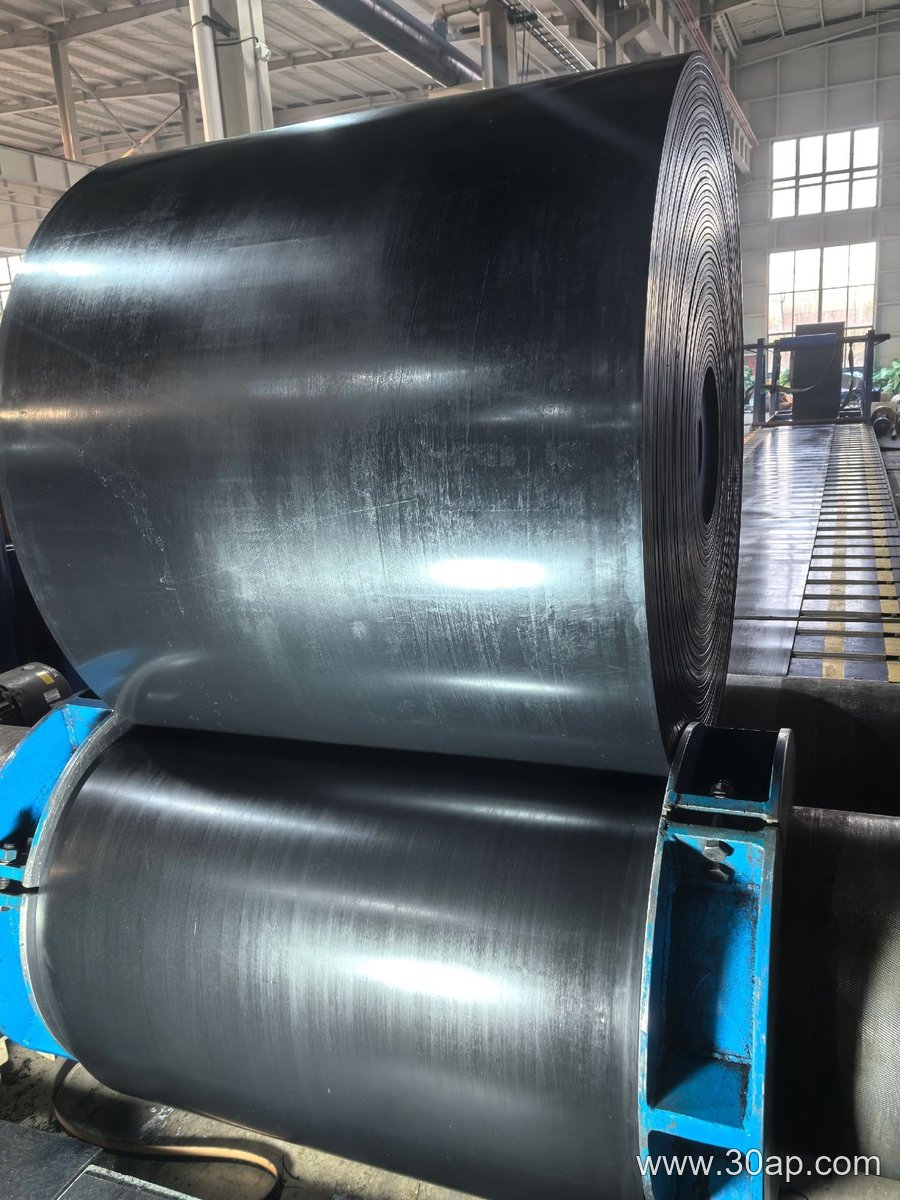
Key Selection Factors
- Material: abrasive, hot, oily, or food-grade
- Load and speed: tension rating and pulley diameter
- Condition: wet, dusty, or corrosive
Purchasing Advice
Request test reports, confirm ISO or FDA compliance, and compare warranty and lead time. Buy from exporters who offer technical support and spare splicing kits.
Idler Roller Essentials for Export Buyers
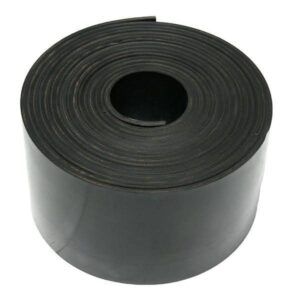
An idler roller supports and guides conveyor belts without driving them. Choosing the right idler roller improves belt life, reduces downtime, and lowers total cost.
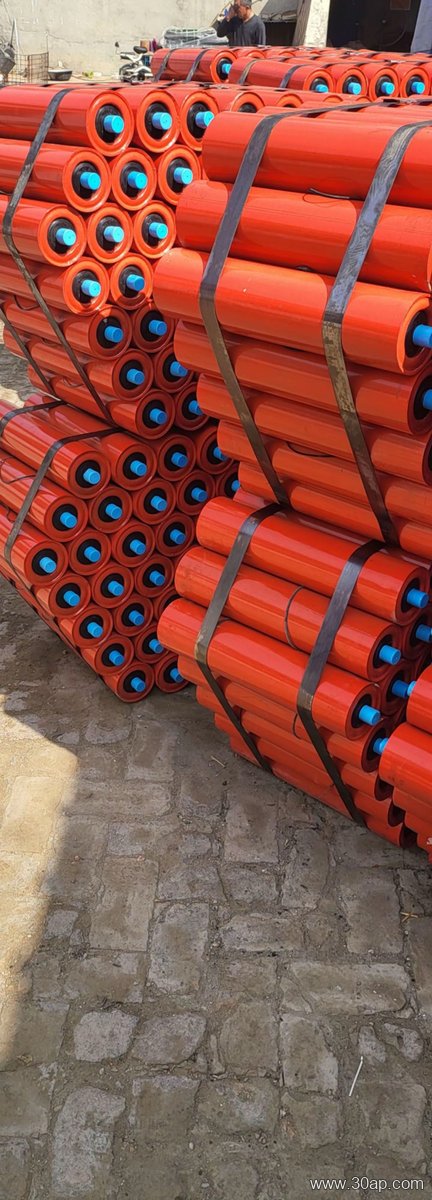
Key Selection Factors
- Roller diameter and length must match belt width and load.
- Bearing type: sealed for dusty or wet conditions.
- Material: steel, stainless, or polymer for corrosion resistance.
- Balance and concentricity affect vibration and noise.
Purchasing Advice
Request load ratings, tolerances, and test reports. Confirm interchangeability with your conveyor frame. For export orders, verify packaging, lead time, and spare-part availability.