Choosing the Right Idler Roller for Industrial Conveyors
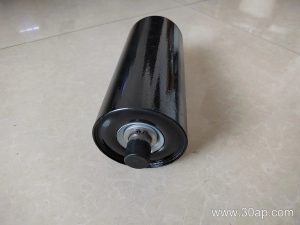
An idler roller supports and guides the belt without driving it. Correct selection reduces wear, downtime, and energy costs. First, match the roller diameter and shaft to your belt speed and load. Then choose the bearing type: sealed ball bearings for dusty environments, or tapered rollers for heavy radial loads. Next, select the shell material—steel for durability, stainless steel for wet or corrosive sites, or polymer for light, quiet operation. Check the roller’s concentricity and dynamic balance to prevent vibration. For purchasing, verify the load rating, operating temperature range, and IP protection. Request test data on radial runout and grease life. Buy from suppliers who offer custom lengths and end-cap options. Finally, compare total cost of ownership, not just unit price, because a quality idler roller pays back through longer service intervals and fewer belt misalignments.

- Confirm shaft diameter and mounting style
- Match bearing seal to dust and moisture
- Review load and speed ratings
- Ask for runout and balance reports
Conveyor Pulley Essentials
The conveyor pulley drives and tensions the belt, so its diameter, lagging and shaft fit determine reliability.
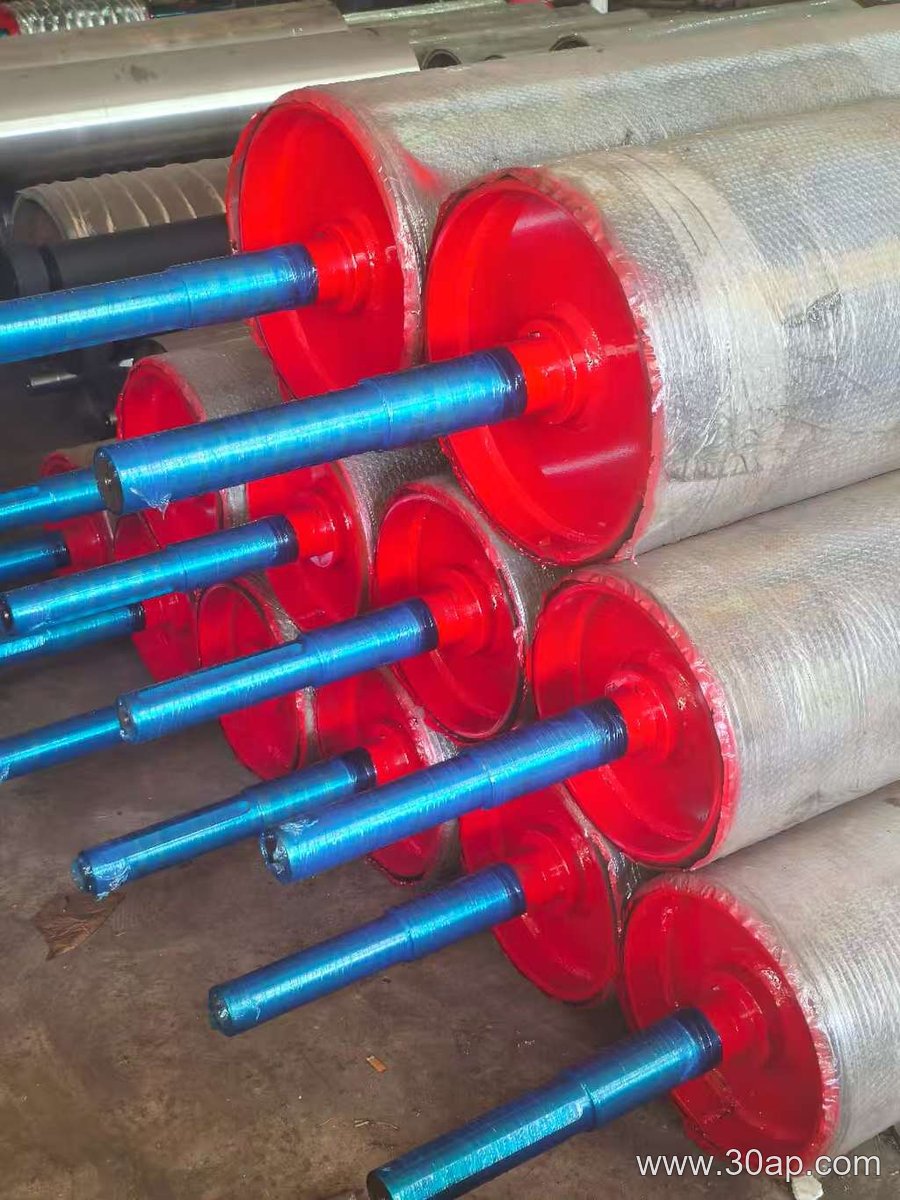
Selection Tips
- Match pulley diameter to belt thickness and speed.
- Choose lagging for grip in wet or dusty conditions.
- Confirm shaft, bearing and keyway compatibility.
Purchasing Advice
Request load ratings, runout tolerances and material certificates. Compare lead times and warranty before ordering.
Conveyor Bracket: The Backbone of Your Material Handling System
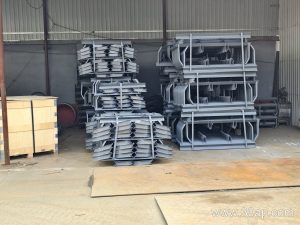
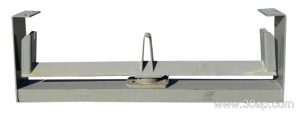
A conveyor bracket is the structural component that mounts rollers, idlers, and pulleys to your conveyor frame. Choosing the right bracket ensures alignment, reduces vibration, and extends belt life.
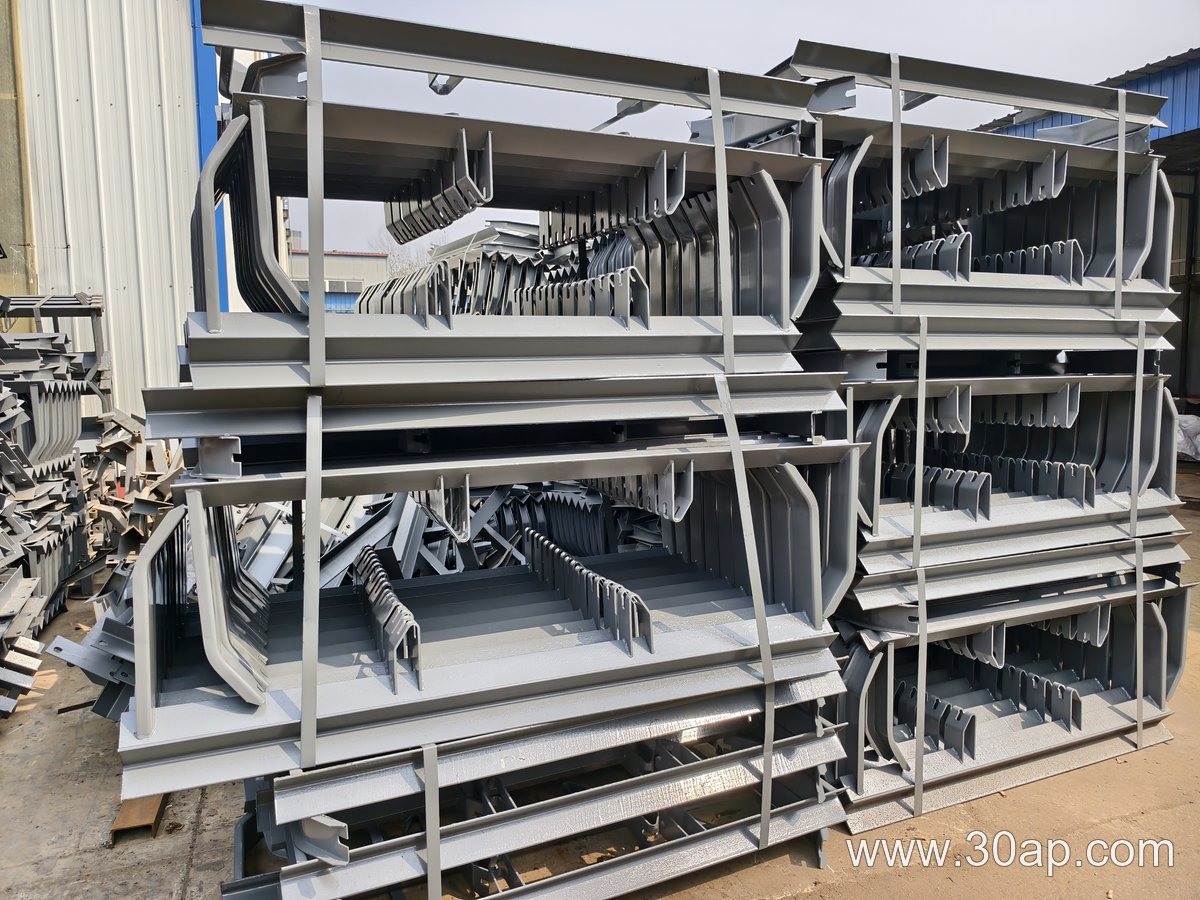
Selection and Purchasing Advice
- Match bracket material to load and environment: mild steel for general use, stainless steel for washdown, aluminum for light duty.
- Verify mounting hole patterns and slot dimensions against your roller shaft diameter.
- Check load rating and corrosion resistance before ordering in bulk.
Conveyor Belt Selection and Purchasing Guide
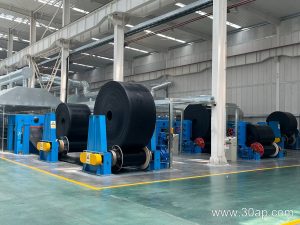
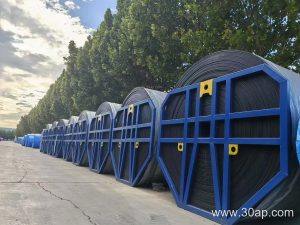
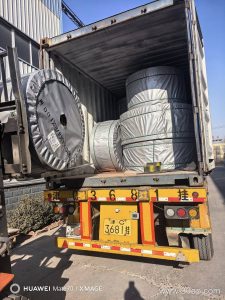
A conveyor belt is the core of any material handling system. Choose the right one to cut downtime and cost.

Key Selection Factors
- Material: rubber, PVC, or steel for abrasion and heat.
- Load and speed: match tensile strength to daily tonnage.
- Environment: oil, food, or outdoor use demands specific grades.
Purchasing Advice
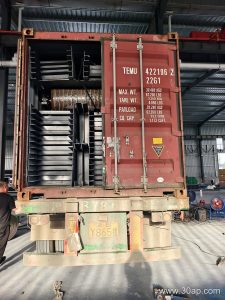
Verify exporter certifications, request test reports, and compare warranty. Buy spare belts for critical lines.