Conveyor Pulley Selection and Purchasing Advice
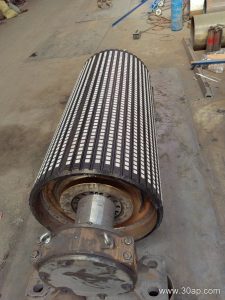
A conveyor pulley drives or redirects the belt. Choose the right one for reliability.
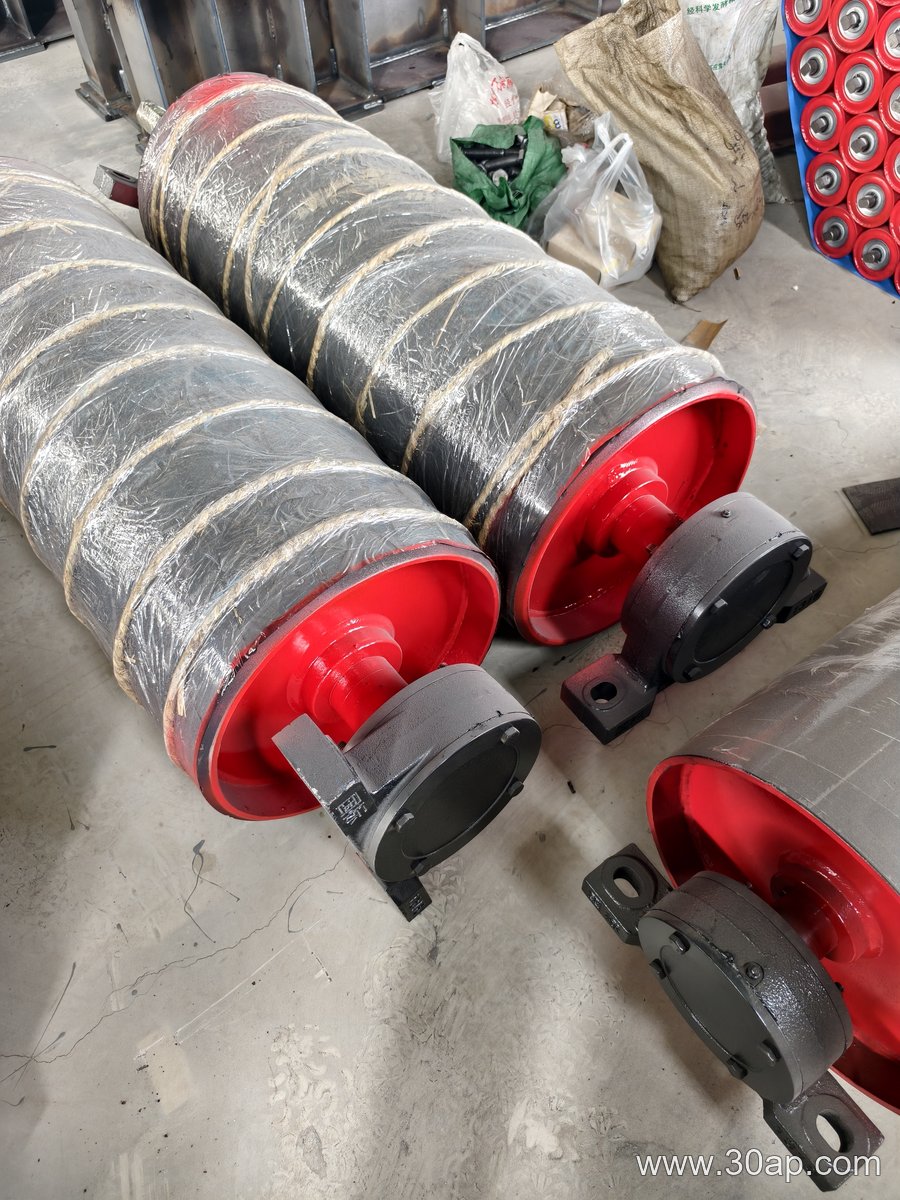
Key Selection Factors
- Belt width and tension
- Load and speed
- Environment: dust, moisture, temperature
Purchasing Tips
Verify shaft, bearings, lagging, and balance. Request load calculations and material certs. Compare lead times and warranty.
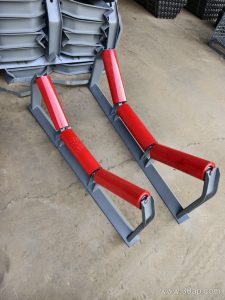
Why the Conveyor Bracket Matters in Material Handling
A conveyor bracket secures rollers, idlers, and frames, directly affecting system alignment, load capacity, and maintenance downtime.
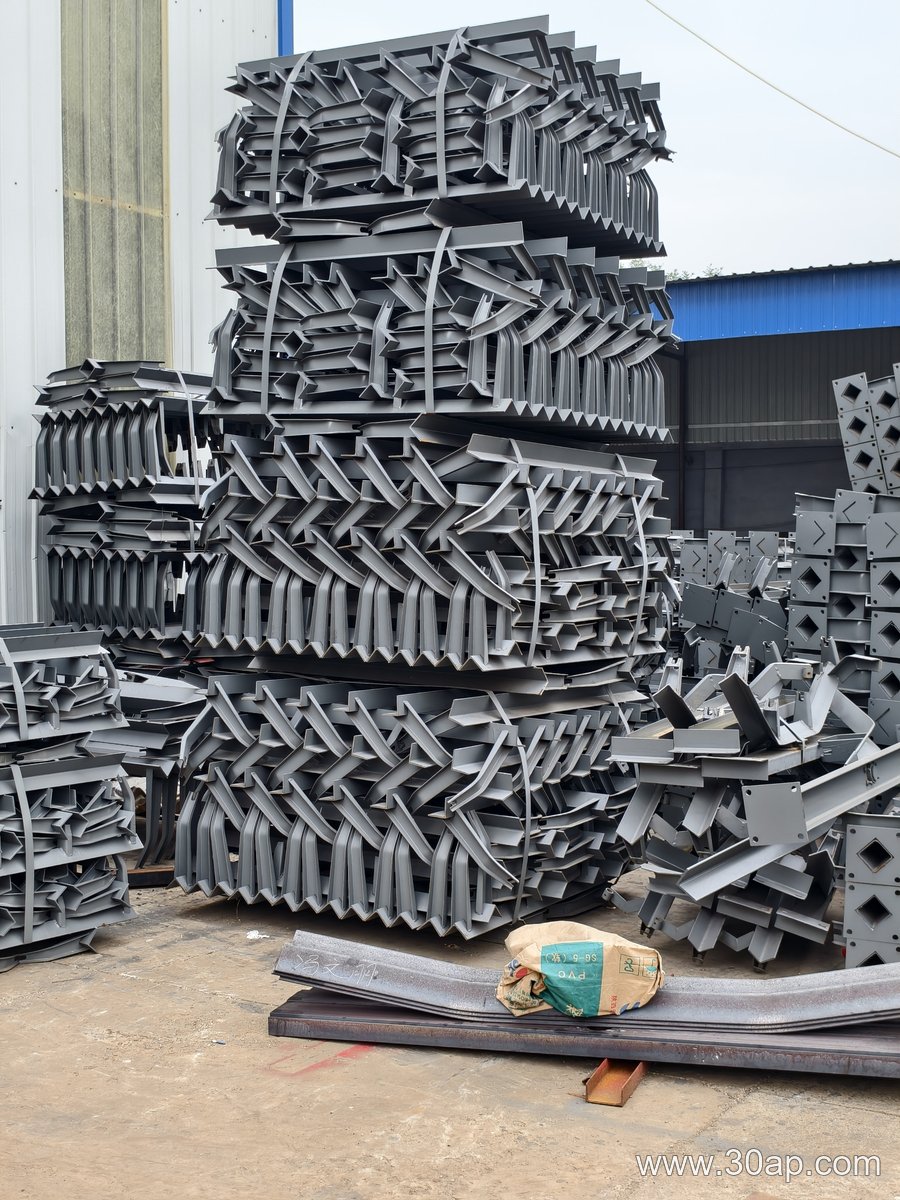
Selection and Purchasing Advice
- Match bracket material to environment: mild steel for dry areas, stainless for washdowns.
- Check load rating and bolt hole spacing against your conveyor frame.
- Prefer adjustable brackets for tensioning and misalignment correction.
- Verify compatibility with roller shaft diameter and mounting type.
Buy from suppliers offering dimensional drawings and corrosion options to reduce retrofit risk.
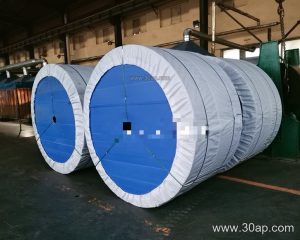
Conveyor Belt Selection and Purchasing Guide
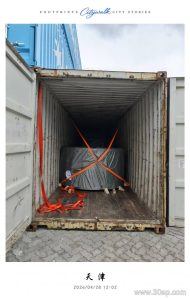
A conveyor belt is the core of any bulk handling system. Choose the right one to cut downtime and export costs.

Key Selection Factors
- Material: rubber, PVC, or steel cord.
- Load weight and belt width.
- Speed and incline angle.
- Oil, heat, or abrasion resistance.
Purchasing Advice
Verify tensile strength, splice type, and standards. Request test reports and spare lead times before ordering.
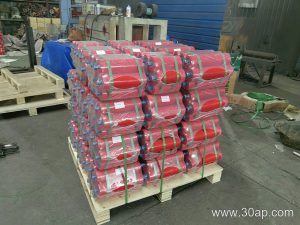
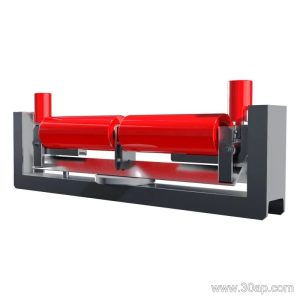
Choosing the Right Idler Roller
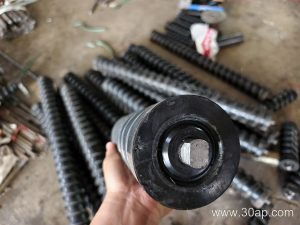
An idler roller supports and guides conveyor belts without driving them. Select based on load, speed, and environment.

Key Selection Factors
- Load capacity and belt width
- Bearing type: sealed for dust, open for clean areas
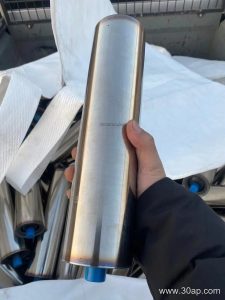
- Material: steel, stainless, or polymer
- Roller diameter and shaft fixing
Purchasing Advice
Verify dynamic load ratings, check concentricity, and confirm bearing life. For corrosive sites, choose stainless or coated rollers. Buy from suppliers offering test data and spare parts.