What a Smart Conveyor Belt Tracker Does
A Smart Conveyor Belt Tracker is an automatic belt alignment device that detects and corrects belt drift on a running conveyor. Instead of relying on manual adjustment of a conveyor pulley or bracket, the tracker monitors belt position and acts on a steering roller or frame to bring the belt back toward the center line. It is often described as an automatic conveyor belt tracking system, and both names refer to the same product family.
The keyword matters because belt misalignment is one of the most common causes of edge damage, spillage and unplanned downtime in bulk handling. A tracker does not replace good installation practice, but it adds a corrective layer that works continuously.
How the Device Is Built
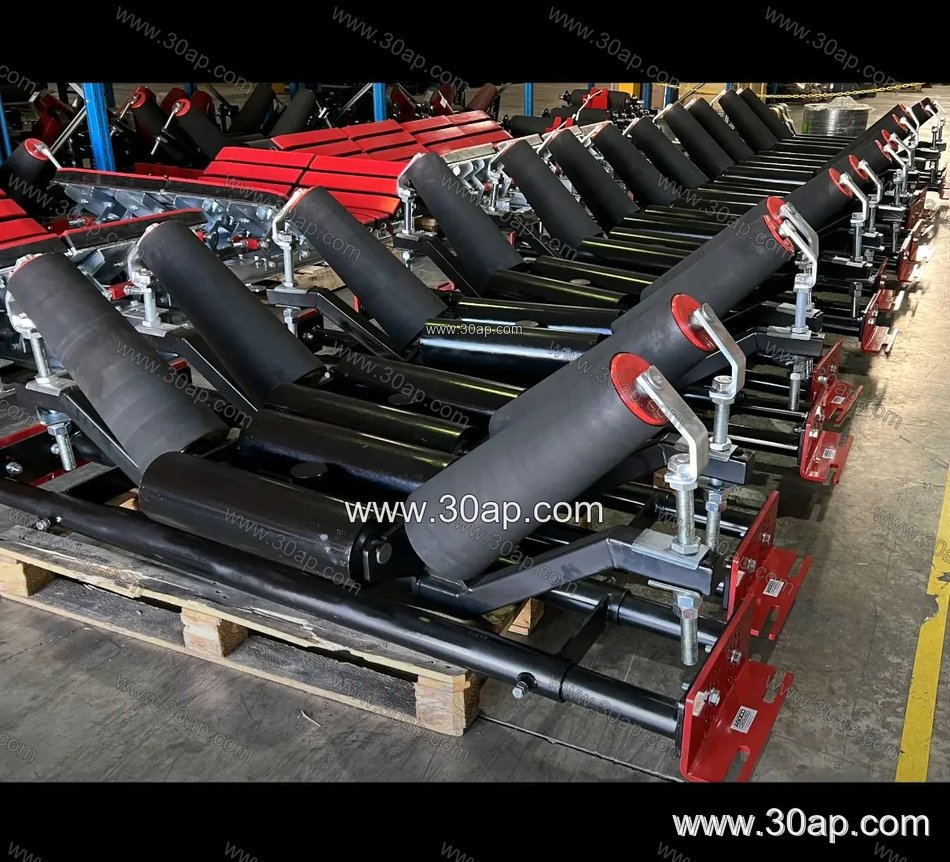
A typical unit combines three functional parts: a sensing element, a control unit and an actuating mechanism. Sensing may use edge sensors, mechanical feelers or non-contact detectors. The controller interprets the signal and commands the actuator, which may be hydraulic, electric, pneumatic or mechanical, including four-bar linkage designs. The actuating frame carries a steering roller that contacts the belt and guides it.
Design details vary widely. Some trackers are self-energizing and need no external power; others include PLC control and feedback for plant integration. A tracker should not be confused with a dynamic balancing roller or with roller rotation monitoring, which are different functions.
Where It Fits in a Conveying Line
Trackers are used on carrying and return runs, on troughed and flat belts, and on one-way or reversible conveyors. They appear in power plant coal handling, cement plants, coal mines and washing plants, iron ore and copper ore concentrators, quarries and aggregate yards, steel plants, ports and bulk terminals.
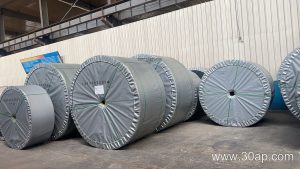
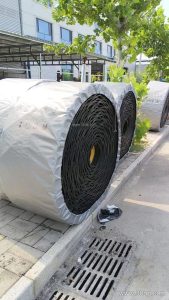
The belt itself influences the choice. A heavy-duty mining conveyor belt carrying abrasive rock behaves differently from a smooth EP conveyor belt on a cement clinker line, and a steel cord conveyor belt on a long overland route needs stable tracking over its full length. Heat resistant conveyor belt, flame retardant conveyor belt and oil resistant conveyor belt installations may need tracker components that tolerate the same environment.
Installation and Selection Points
Selection starts with the conveyor, not with a catalog number. Buyers should confirm belt width, belt speed, running direction, load profile, mounting position and available space. Common belt widths such as 800 mm, 1000 mm, 1200 mm and 1600 mm are useful references, but belt width alone does not define roller diameter, shaft size, frame hole spacing or the number of devices required. Those details come from the conveyor drawing and the tracker supplier’s own data.
Useful checks before ordering:
- Is the problem local drift, full-length drift, or drift only when loaded?
- Is the location on the carrying run or the return run?
- Is the belt reversible, and does the tracker support both directions?
- Are there space limits near the conveyor bracket and frame?
- Does the site require explosion protection, washdown or high temperature resistance?
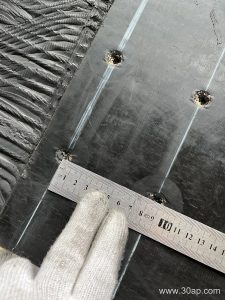
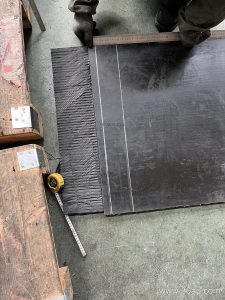
Onsite, confirm that idler roller frames are square, that material build-up is removed and that the belt splice is straight before blaming the tracker. A tracker cannot compensate for a badly skewed structure or a belt that is incorrectly stored and joined.
Maintenance and Safe Operation
Inspect sensors, linkages and steering rollers on a planned schedule. Clean dust and spillage from moving parts, check fasteners and confirm that the actuator moves freely through its full stroke. Record any change in belt behavior after adjustment.
Always stop and isolate the conveyor before touching, adjusting or removing any component. Observe belt movement only from a safe position, never while reaching toward rotating parts. If drift persists after a tracker is fitted, check belt tension, loading position, pulley alignment and the condition of the conveyor pulley and idler roller set.
For buyers comparing suppliers of a 输送带纠偏器, ask for the mounting drawing, the control principle and the recommended inspection interval. Matching a tracker to the actual belt, structure and duty is more valuable than choosing by size alone.