What a Hydraulic Belt Tracker Does
A hydraulic belt tracker is a self-contained steering device that keeps a conveyor belt centered on its carrying or return run. Instead of relying on manual pulley adjustments, it uses the belt’s own drift to move a roller frame, and a hydraulic actuator supplies the force that angles the tracking rollers and guides the belt back. In plants handling abrasive bulk material, from a copper ore concentrator to a cement clinker line, this kind of automatic correction reduces edge damage and spillage without constant operator attention.
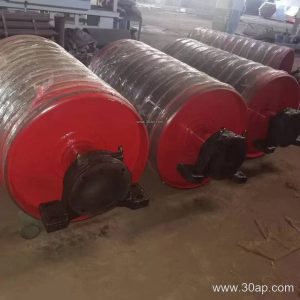
The device is also known as a hydraulic conveyor belt tracking system or hydraulic self-aligning idler assembly. It is a distinct product from a simple training idler, and it should not be confused with a drive pulley, tail pulley, or bend pulley. Those components transmit power or change belt direction; the tracker corrects lateral position.
How the Unit Is Built
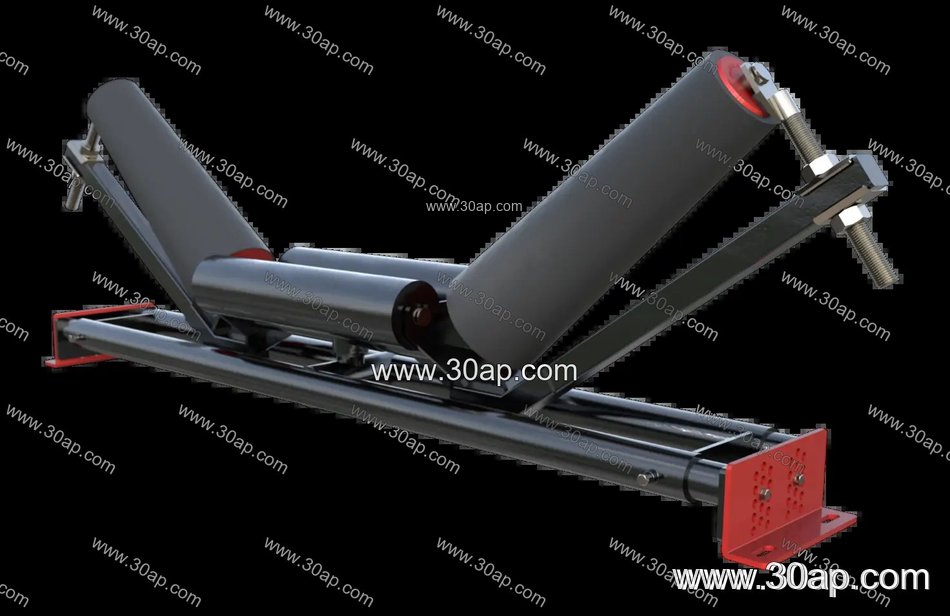
A typical assembly combines a pivoting roller frame, a sensing roller or edge sensor, a hydraulic power unit, and a control valve. When the belt contacts the sensing element, the valve directs oil to the actuator, which rotates the frame slightly. The resulting angle produces a small lateral force on the belt. Because hydraulic pressure is available on many heavy conveyors for other duties, the tracker can deliver strong, smooth correction on wide, heavily loaded belts.
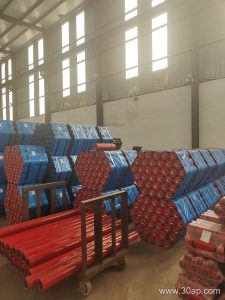
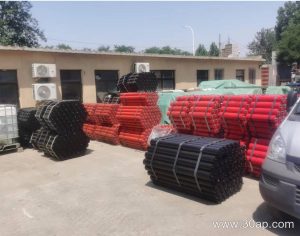
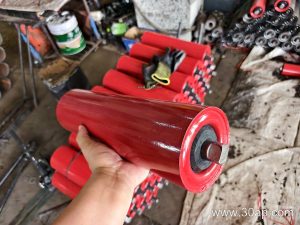
- Pivoting frame with tracking rollers, sized to the belt width and load
- Hydraulic cylinder or rotary actuator with hoses and fittings
- Sensing roller, edge probe, or linkage that detects drift
- Control valve block, often with manual override
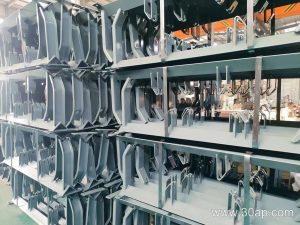
- Mounting brackets matched to the conveyor stringer or frame
The frame must be installed square to the belt centerline. A tracker mounted on a skewed bracket will fight the conveyor rather than correct it.
Where It Fits in the Plant
Hydraulic tracking is common where belts are wide, loads are heavy, and access for adjustment is limited. Examples include:
- Coal handling and coal mining conveyor lines feeding stockpiles or bunkers
- Iron ore and gold mining conveyors carrying wet, sticky ore
- Cement and aggregate plants moving crushed limestone or clinker
- Power plant coal yards and ship loading conveyors at ports
- Quarry and crusher discharge belts with frequent impact and off-center loading
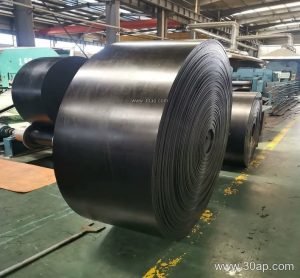
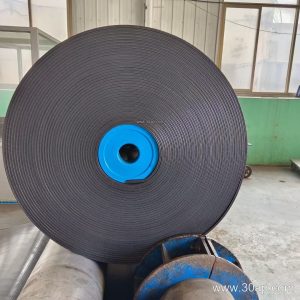
On these systems the belt may be a heavy-duty mining conveyor belt, an abrasion resistant conveyor belt, or a steel cord conveyor belt. The tracker’s roller surface and frame strength should suit the belt and the material. A pipe conveyor belt or a corrugated sidewall conveyor belt needs a different approach, so confirm compatibility before ordering.
Selection Details Buyers Should Confirm
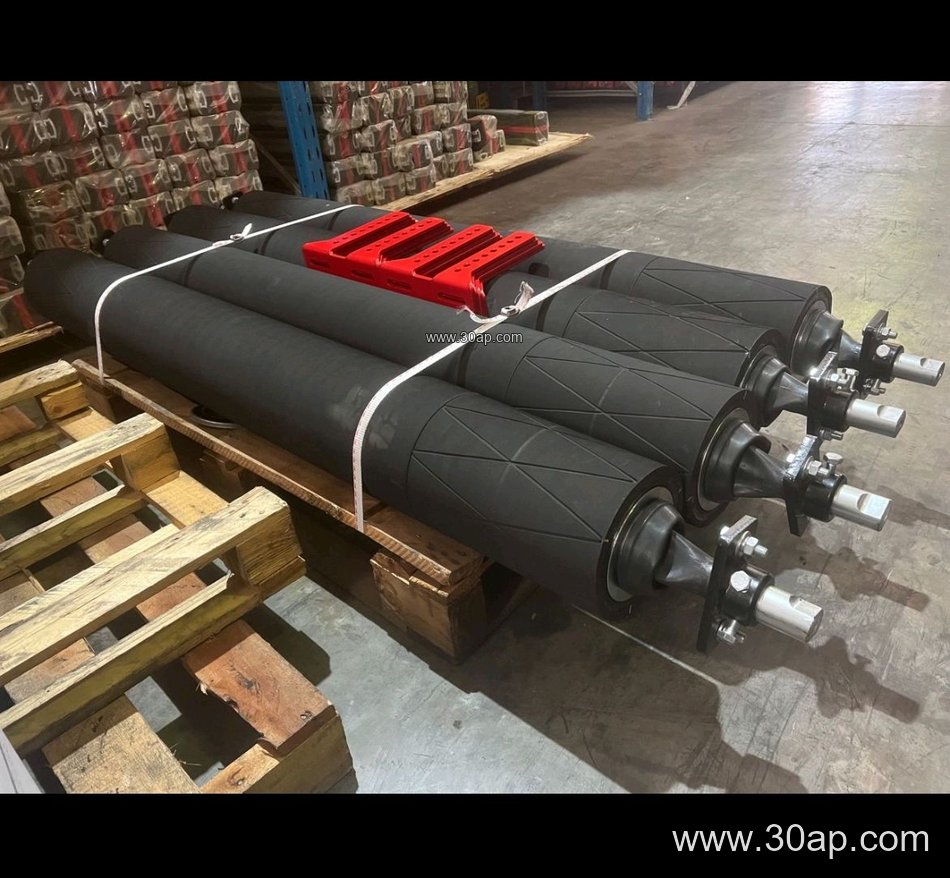
Belt width alone does not define the roller diameter, shaft size, bracket hole spacing, or number of tracking stations. Buyers should provide the belt width, belt speed, running direction, carrying or return location, belt construction, and the observed misalignment pattern. A 1200 mm or 1800 mm belt may need different roller lengths depending on frame design and trough angle; these are examples, not a universal match table.
| Information to supply | Why it matters |
|---|---|
| Belt width and type | Sets roller length and surface form |
| Belt speed and direction | Affects sensor response and mounting |
| Carrying or return run | Determines frame and roller arrangement |
| Material and moisture | Guides buildup and corrosion protection |
| Conveyor drawing | Confirms bracket and space limits |
If the belt uses a flame retardant conveyor belt or a heat resistant conveyor belt in a hot process area, mention the temperature and any hydraulic fluid limits. In underground coal mining, hydraulic equipment and fluid selection must meet the site’s specific approval requirements.
Installation and Maintenance Notes
Before work, stop the conveyor, isolate energy, and prevent unexpected restart. Check that idler rollers turn freely, that the belt splice is straight, and that loading is centered. A tracker cannot compensate for a badly misaligned structure or a jammed idler roller. Inspect hoses for chafing, keep the sensing linkage free of packed material, and verify the manual override during scheduled shutdowns. For more on related components, see the conveyor pulley and conveyor bracket pages on our site, and review belt tracking options at 输送带纠偏器.
For plants using EP conveyor belt or NN conveyor belt constructions, record the belt type in the maintenance file so replacement rollers and tracker settings remain consistent. A short commissioning check after installation is more useful than repeated field adjustments.