What a Loading Zone Belt Tracker Does
A Loading Zone Belt Tracker is a belt alignment device installed where bulk material first lands on the conveyor, the point where the belt is most likely to wander. The heavy impact, off-centre loading and changing load profile at the chute outlet make this the most demanding part of many conveyor lines. A Loading Zone Belt Tracker, also described as a loading point belt alignment device, reacts to belt drift close to the source of the problem rather than waiting for the belt to run off at the head end.
The working principle is straightforward. A sensing roller or steering frame touches the belt edge or belt surface and detects lateral movement. When the belt shifts, the tracker pivots slightly and steers the belt back toward the centre line. Mechanical, linkage-based and powered variants exist. The phrase “automatic” should not be read as a guarantee of PLC control or electric actuation; the drive method and control logic must be confirmed from the actual product data.
Construction and Mounting Position
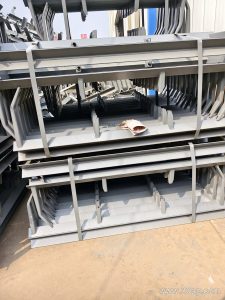
Most designs combine a robust frame, one or more idler rollers, steering arms and a mounting base that fits the conveyor bracket or stringer. Because the unit sits under the impact zone, the frame and roller bearings are usually built for shock loads and dust. On a typical installation the tracker is placed just downstream of the impact cradle or impact idler set, where the belt has settled but is still influenced by the loading pattern.
- Frame and steering arms sized to the conveyor structure
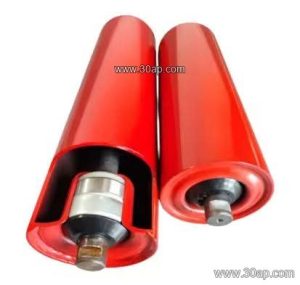
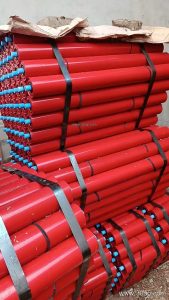
- Sensing or steering rollers matched to the belt width and load
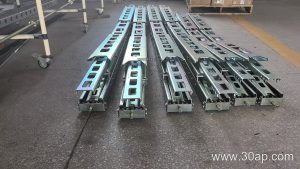
- Mounting brackets compatible with the existing conveyor bracket layout
- Sealing and bearing protection for dusty, wet or abrasive conditions
The correct position depends on the conveyor drawing, the chute geometry and the belt running direction. A tracker installed too far from the loading point may react late, while one installed inside a badly designed impact zone may be damaged or blocked by build-up.
Where It Fits in Mining, Cement and Power Plants
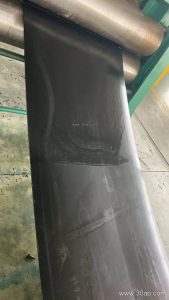
Loading point misalignment is common in mines, coal preparation plants, cement works, power station coal handling, steel plants, quarries and aggregate yards. A crusher discharge or a transfer chute that feeds off-centre will push the belt sideways, and a Mining Conveyor Belt carrying sharp rock adds edge damage risk once the belt touches the structure. In a coal yard, a Flame Retardant Conveyor Belt may be specified for fire safety, but it still needs mechanical guidance at the load point.
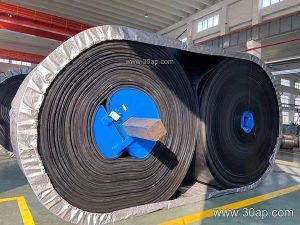
The choice of belt also matters. A Steel Cord Conveyor Belt is stiff and tolerates high tension, while an EP Conveyor Belt or Multi-Ply Fabric Core Conveyor Belt behaves differently under lateral force. A Chevron Conveyor Belt or Corrugated Sidewall Conveyor Belt can limit how a sensing roller contacts the surface, so the tracker design must suit the belt profile. For dusty cement or aggregate duty, an Abrasion Resistant Conveyor Belt reduces wear, but it does not correct misalignment by itself.
What Buyers Should Check Before Ordering
No single size fits every conveyor. Belt width alone does not define roller diameter, shaft diameter, bracket hole spacing or the number of trackers required. Buyers should prepare the following information:
- Belt width, for example 800 mm, 1000 mm or 1200 mm, and belt type
- Belt speed and running direction, including reversible duty if applicable
- Carry side or return side position, and distance from the loading point
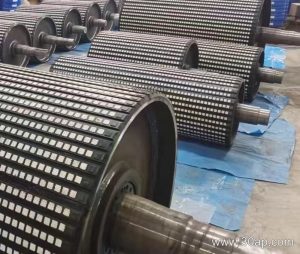
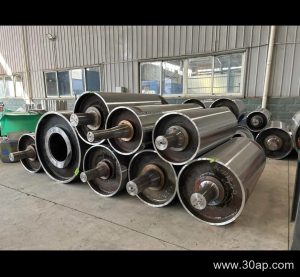
- Existing conveyor pulley, idler roller and conveyor bracket dimensions
- Material size, moisture, dust, temperature and impact severity
- Observed drift pattern: one side only, local or full length, empty or loaded
Site photos and the conveyor general arrangement drawing are often more useful than a written description. Where an existing conveyor pulley or idler roller is being reused, confirm the actual shaft and bearing details rather than assuming interchangeability.
Installation and Maintenance Notes
Stop the conveyor, isolate the energy source and prevent unexpected start-up before any adjustment or roller replacement. Check that the belt is clean, the impact idlers are intact and the chute is not building up material. A tracker cannot compensate for a skewed joint, a misaligned pulley or a badly centred feed. After installation, observe the belt from a safe position during start-up and steady running, and record whether drift appears when empty, when loaded, or only during acceleration.
Routine checks should cover roller rotation, frame freedom, fasteners, build-up around the sensing elements and belt edge condition. In a quarry or iron ore plant, dust ingress and impact damage are the usual causes of poor response. Spare rollers and brackets kept to the correct drawing reduce downtime.
Selection Summary
A Loading Zone Belt Tracker is a targeted answer to belt drift at the feed point, not a substitute for correct conveyor design. Match the device to the belt, the structure and the loading conditions, and confirm every interface dimension before purchase. For related conveyor components such as the conveyor belt, idler roller and conveyor pulley, ask for a dimensional drawing so the tracker and the rest of the line work as one system.