What Conveyor Idler Misalignment Means
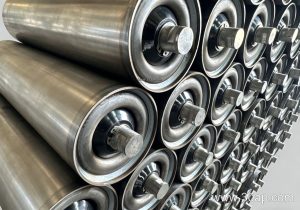
Conveyor idler misalignment is the condition where a carrying or return idler roller is not square to the belt path. The roller axis may be skewed in plan view, tilted vertically, or mounted at the wrong spacing. The result is a local change in belt tracking that can develop into edge wear, spillage, and increased drive load. In a quarry, cement plant, coal mine, or power plant coal yard, a small skew at one idler station can affect several meters of belt.
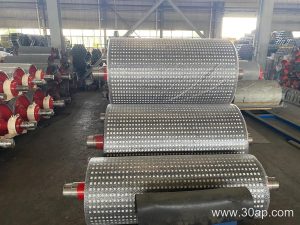
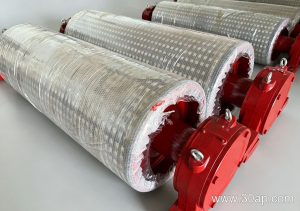
The term describes the alignment of the idler roller relative to the conveyor frame, not a defect in the conveyor belt itself. It is also different from pulley alignment. Drive, tail, and bend pulleys are fixed components with separate alignment checks, and they are not interchangeable with idlers. A conveyor pulley that is out of square needs its own correction procedure.
How a Misaligned Idler Affects Tracking
An idler roller that sits at an angle creates a sideways force on the belt. The belt tends to climb toward the side where the roller leads. This effect is strongest when the roller is close to the tail or head, when the belt is lightly loaded, and when the belt is running empty. Operators often notice that a belt tracks correctly when loaded but drifts when empty, or the reverse. That pattern can point to idler alignment rather than to material build-up or a belt splice problem.
On a 1200 mm wide conveyor carrying aggregate, a single skewed return idler may be enough to pull the belt toward one frame side. On a 2000 mm wide conveyor in a port stockyard, the same angular error can produce a slower but wider drift. The effect depends on belt tension, belt speed, load, and the number of affected idler stations. It is not possible to predict the exact offset from belt width alone.
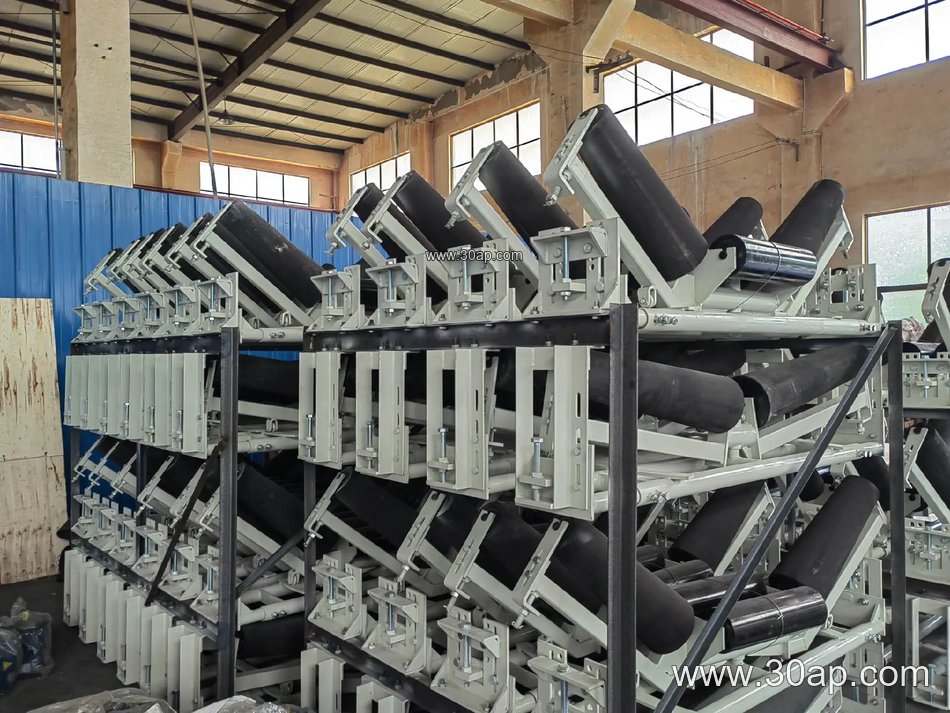
Common Causes in Mining and Bulk Handling
- Idler frames installed out of square during construction or after a frame repair.
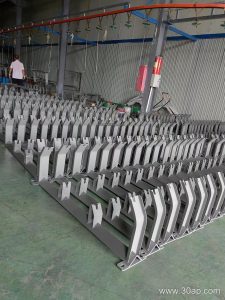
- Bent brackets or worn mounting holes that allow the idler roller to sit at an angle.
- Foundation settlement in a crusher building or transfer tower.
- Material build-up on one side of a roller, changing its effective contact line.
- Uneven belt loading at a transfer point, which can mimic idler misalignment.
- Idler spacing that differs from the drawing on one section of the frame.
In coal mining and underground mining conveyor systems, floor heave and moving ground can shift a conveyor bracket. In cement plants, dust and clinker build-up around idlers is a frequent cause of apparent misalignment. In power plant coal handling, a combination of belt speed and light load can make a small idler skew more visible.
Checking Alignment Without Guesswork
Stop the conveyor and isolate the energy source before any measurement or adjustment. Check the idler roller axis against a string line or laser reference along the frame. Look for bent brackets, loose bolts, and worn mounting slots. Compare the idler spacing with the drawing for that section. Inspect the belt for a diagonal splice, worn edges, and material stuck to the return side.
If the belt drifts only near a transfer point, check the chute and loading condition before adjusting idlers. If the belt drifts along the entire length, check the conveyor pulley alignment and the belt splice first. Correcting a few idlers will not compensate for a skewed drive pulley or a badly made splice. A conveyor belt that is not cut square at the joint can produce a steady drift that no idler adjustment will fix.
Correction and Components
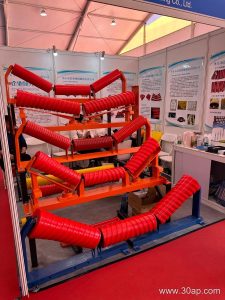
Correction starts with the frame and brackets. Re-square the idler station, replace bent brackets, and tighten mounting bolts to the specified torque. Where the belt still drifts, self-aligning idler sets or a belt misalignment device such as a 输送带纠偏器 can help, but they should be selected for the actual belt width, speed, and running direction. A training idler is not a substitute for a square frame.
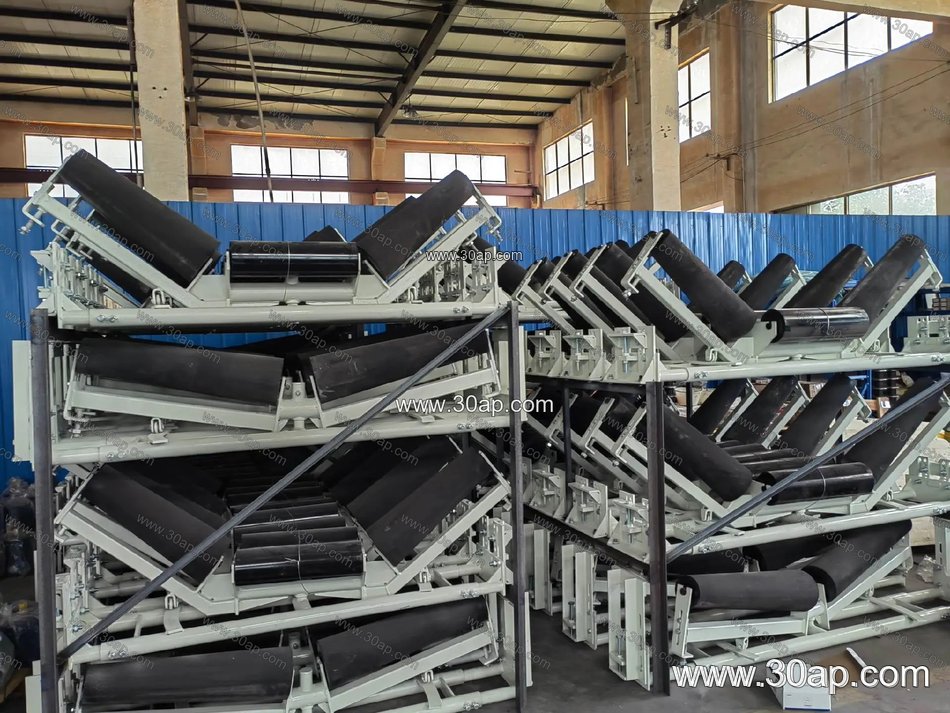
For wider belts, the idler roller diameter and shaft size must be matched to the frame and load, not chosen from belt width alone. A 1000 mm belt and a 1400 mm belt may use different roller diameters and bracket hole patterns. Always confirm the frame drawing and the idler mounting dimensions before ordering.
Buyer Checklist
When specifying idlers or replacement brackets, provide the belt width, belt speed, running direction, trough angle, idler diameter, shaft diameter, bearing type, and frame hole spacing. Mention whether the station is carrying or return, and whether the conveyor is fixed or reversible. For a conveyor belt in a mining or cement application, note the material, moisture, and temperature so the idler seal and bearing protection suit the environment.
Also confirm how the idler will be adjusted on site. Slotted brackets and shim plates make future alignment easier. For a new project, ask for an alignment tolerance for idler squareness and a clear installation procedure. This is more useful than a single belt width figure. The goal is a conveyor that tracks with minimal edge contact and predictable maintenance.
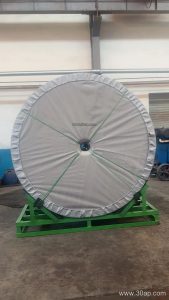
For related components, such as a rubber conveyor belt, EP conveyor belt, or steel cord conveyor belt, keep the belt specification separate from the idler alignment specification. The belt can be correct and the idlers still out of square. Review the whole conveyor line, including the conveyor pulley and conveyor bracket, before deciding where to adjust.