What a Conveyor Bracket Is and Why Its Price Varies
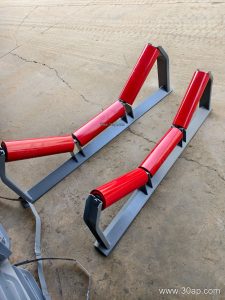
A conveyor bracket is the steel support that holds the idler roller in the right position under the belt. When buyers ask about conveyor bracket price, they are usually comparing the cost of troughing brackets, return brackets, transition brackets, and self-aligning brackets for a specific belt width and duty. The bracket itself looks simple, but its price moves with steel grade, forming method, hole spacing, and the number of parts in the assembly.
In a quarry or a cement plant, a worn bracket can drop an idler roller out of line and damage the conveyor belt. That is why the cheapest bracket is not always the lowest-cost choice over the life of the line.
How the Bracket Is Built
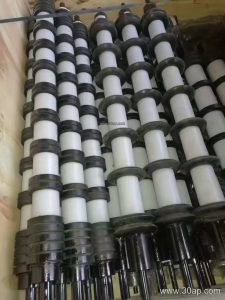
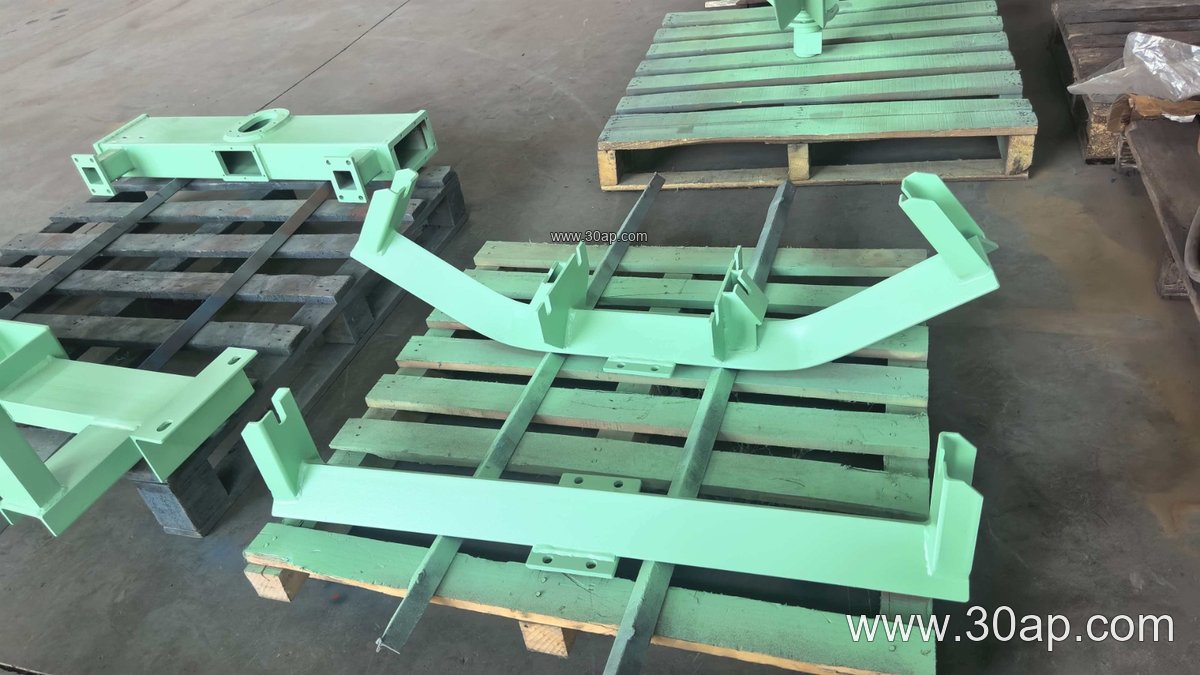
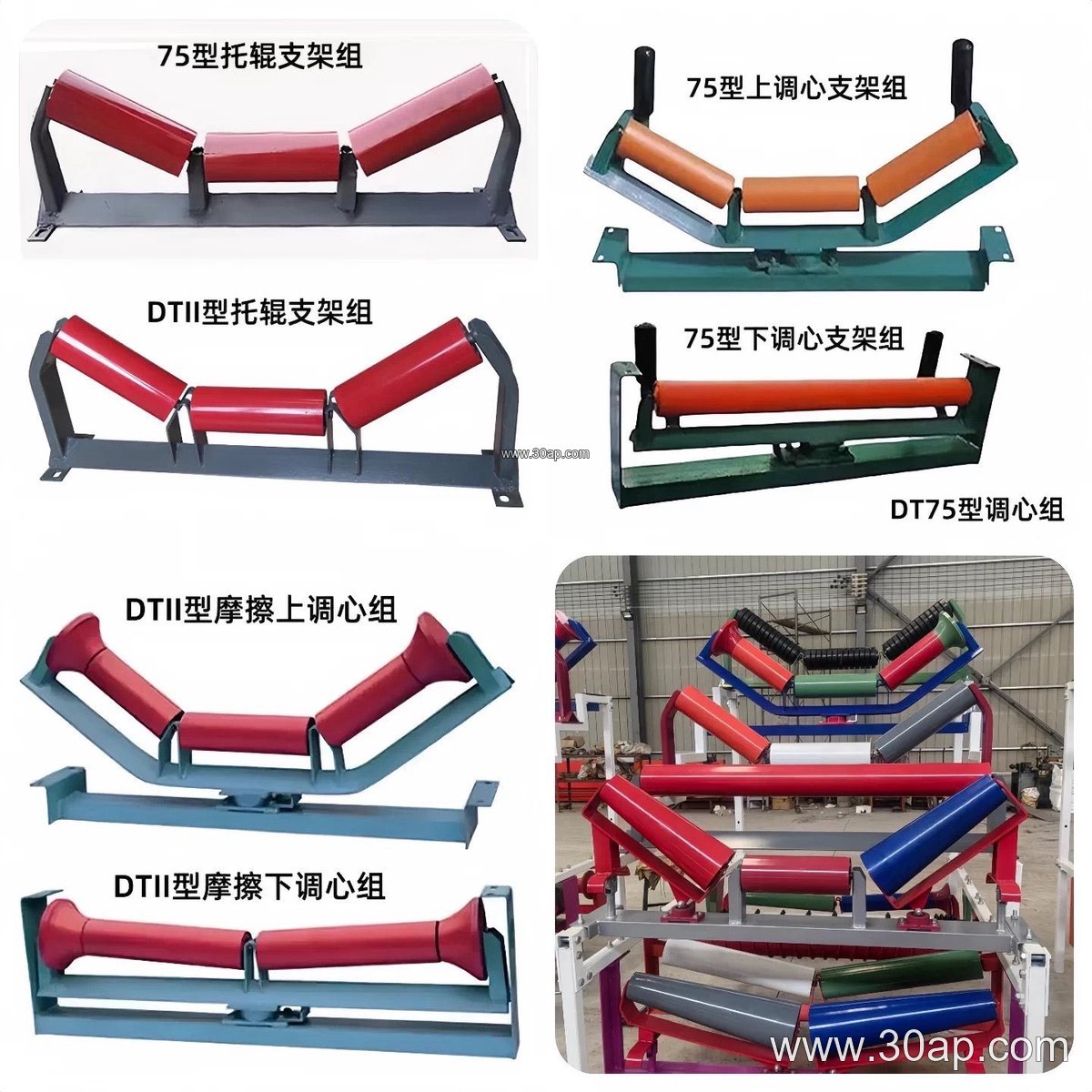
Most brackets are made from angle steel, channel steel, or folded steel plate. Troughing brackets carry three idlers at a set trough angle, while return brackets hold a single flat or V-shaped roller. Adjustable brackets allow the trough angle to be changed on site, which helps when a line handles different materials.
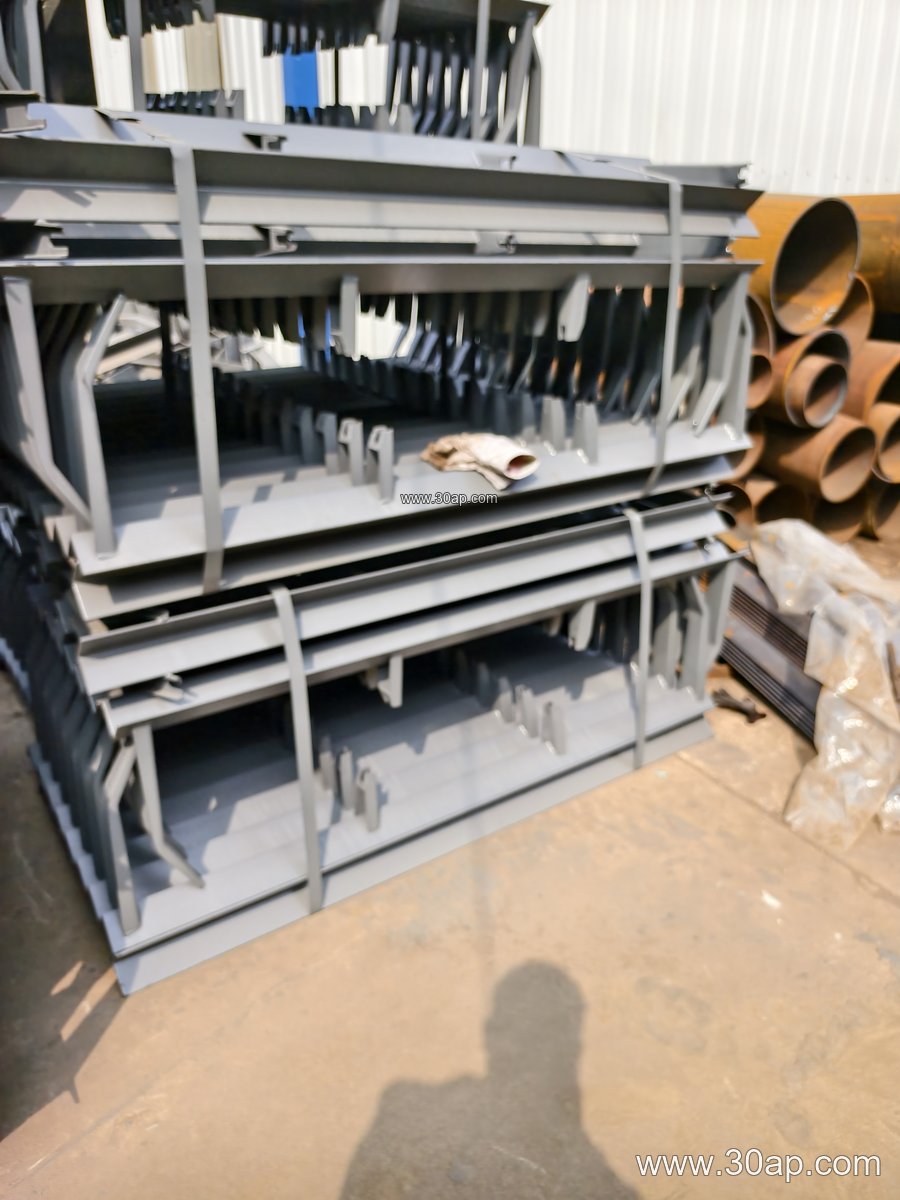
- Material: angle steel, channel steel, or bent plate
- Surface: painted, galvanized, or bare steel
- Mounting: bolted to the conveyor frame with slotted or fixed holes
- Adjustment: fixed trough angle or adjustable between common angles
Hole spacing and crossbeam length are set by belt width and trough angle, so they are confirmed at design stage rather than treated as a standard figure.
Where Brackets Are Used
Brackets appear wherever a belt conveyor runs. In a limestone mine or a crushing and screening line, troughing brackets support the carrying side, while return brackets keep the empty belt steady. In a power plant coal yard, self-aligning brackets help correct belt drift on long runs. In a fertilizer or grain silo facility, lighter brackets are common because the load is lower.
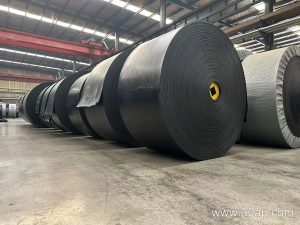
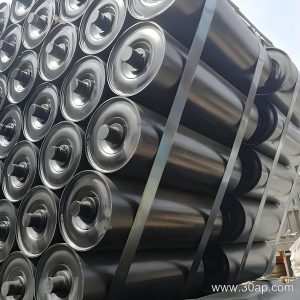
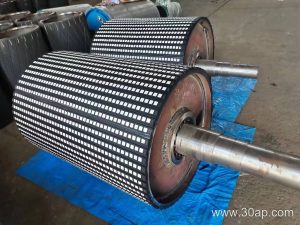
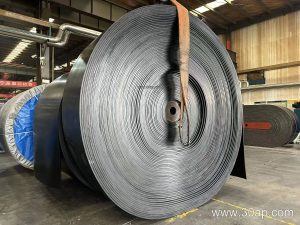
The bracket works together with the conveyor belt, the idler roller, and the conveyor pulley. A misaligned bracket adds friction, and friction raises both belt wear and power draw.
Common Reference Sizes
The table below shows typical reference combinations. These are examples for orientation, not fixed rules, and final values follow the conveyor design.
| Belt width | Trough angle | Idler diameter | Typical use |
|---|---|---|---|
| B500 | 20 degrees | Ø89 | Light aggregate lines |
| B650 | 30 degrees | Ø89 | Sand and gravel |
| B800 | 35 degrees | Ø108 | Cement and crushing plants |
| B1000 | 35 degrees | Ø133 | Coal handling |
| B1200 | 45 degrees | Ø133 | Iron ore and heavy bulk |
| B1400 | 45 degrees | Ø159 | Port and stockyard lines |
| B1600 | 35 degrees | Ø159 | Large tonnage conveying |
| B1800 | 45 degrees | Ø194 | Mining and heavy duty |
A bracket for B1200 at 45 degrees with Ø133 idlers is not the same part as a B650 bracket at 30 degrees with Ø89 idlers. Each combination has its own hole pattern and beam length.
What Drives the Quoted Price
Several factors shape the conveyor bracket price a supplier quotes:
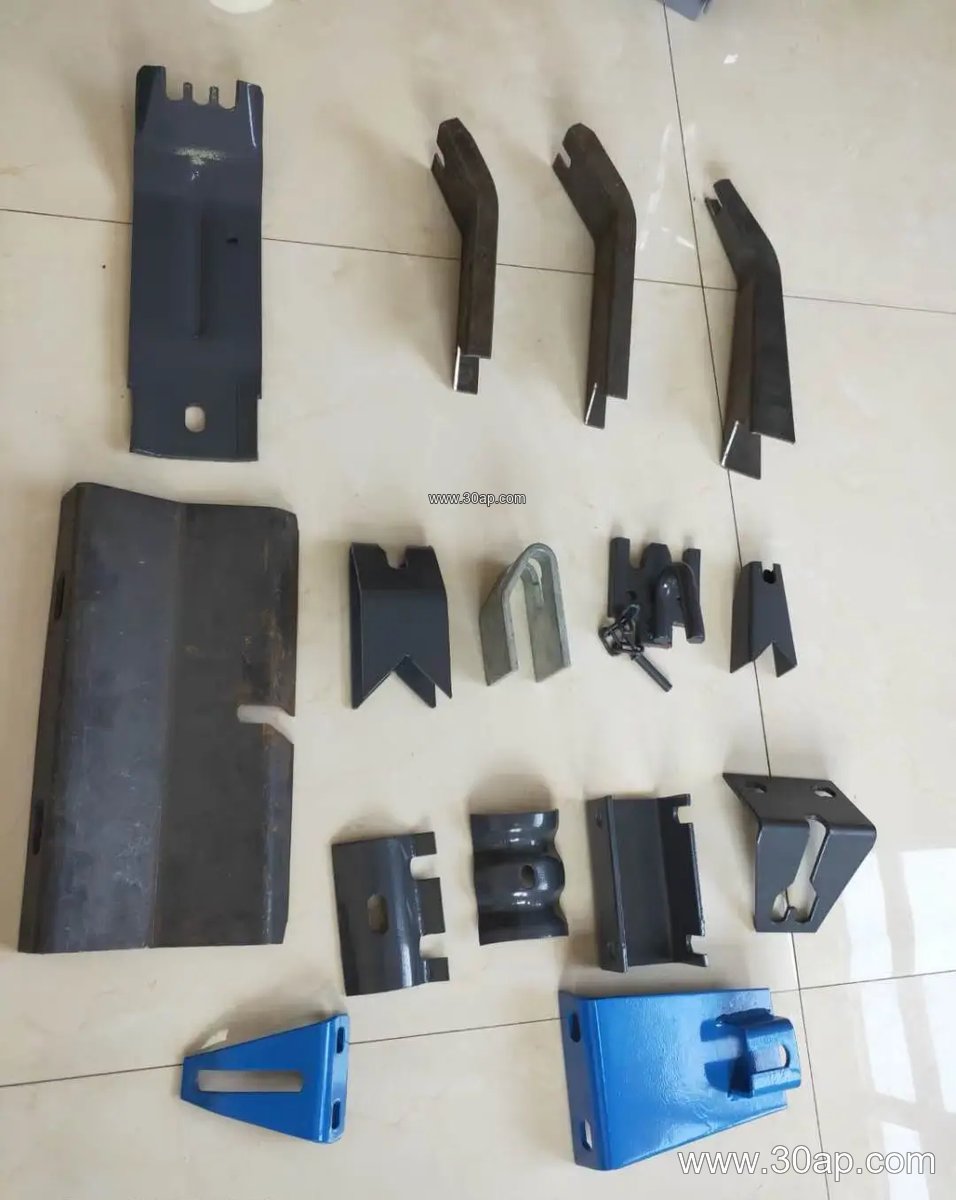
- Steel weight and section size
- Fabrication steps such as cutting, drilling, bending, and welding
- Surface treatment, from simple paint to hot-dip galvanizing
- Adjustable design versus fixed design
- Order quantity and packing method
For a heavy-duty mining conveyor belt line, thicker steel and reinforced welds usually cost more but reduce downtime. For a short recycling line, a standard fixed bracket may be enough.
Buying Advice
Before comparing quotes, confirm the belt width, trough angle, idler diameter, and mounting hole spacing. Ask whether the bracket is fixed or adjustable, and check that the finish suits the environment, such as a wash-down area or a dusty coal yard. A bracket that matches the conveyor frame and the idler roller will install faster and last longer.
Buyers often compare bracket price alone, but the total cost includes replacement labor and the risk of belt damage. A well-matched bracket protects the belt and keeps the line running.