What a Parallel Return Idler Does on a Conveyor
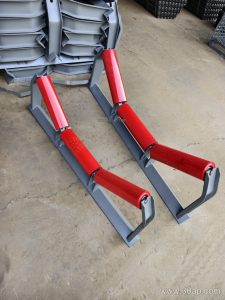
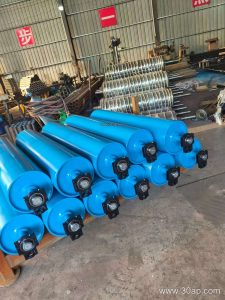
The parallel return idler is a key component in the return run of a belt conveyor. Unlike the troughing idlers on the carrying side that shape the belt into a trough, a parallel return idler—also called a flat return roller or plain return idler—supports the empty conveyor belt after it has discharged its load. Its simple, straight cylindrical design helps maintain belt alignment and reduces sag, ensuring smooth operation on mining, quarry, cement, and power plant conveyors.
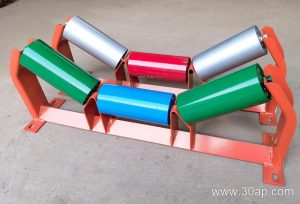
In a typical conveyor system, the belt travels over the head pulley, discharges material, and then returns underneath. Here, parallel return idlers are spaced at regular intervals to carry the belt’s weight and any residual material. They are distinct from V-type or spiral return idlers, which serve specific functions such as belt training or material shedding. The parallel return idler remains the standard choice for general support in many bulk material handling applications.
Construction and Key Components
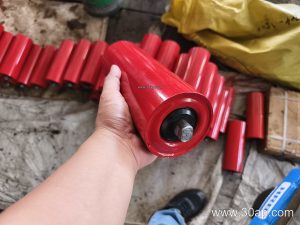
A parallel return idler is built around a steel tube shell, often with a smooth or slightly crowned surface. The shell rotates on a shaft supported by bearings housed in sealed end caps. Common bearing sizes include 6204, 6205, 6305, 6306, 6308, and 6310, selected according to load and speed requirements. The roller diameter typically ranges from Ø63 mm to Ø219 mm, with common sizes such as Ø89, Ø108, Ø127, Ø133, and Ø159 mm being widely used in different belt widths and load conditions.
The roller length is determined by the conveyor belt width and the idler arrangement. For a flat return idler, the roller length usually matches or slightly exceeds the belt width to ensure full support. Standard belt widths from B400 to B2400 mm are common, and the corresponding idler lengths are specified accordingly. For example, a B800 belt may use a return idler with a roller length around 950 mm, while a B1200 belt might use a length near 1400 mm. These values are indicative and should be confirmed with the conveyor design.
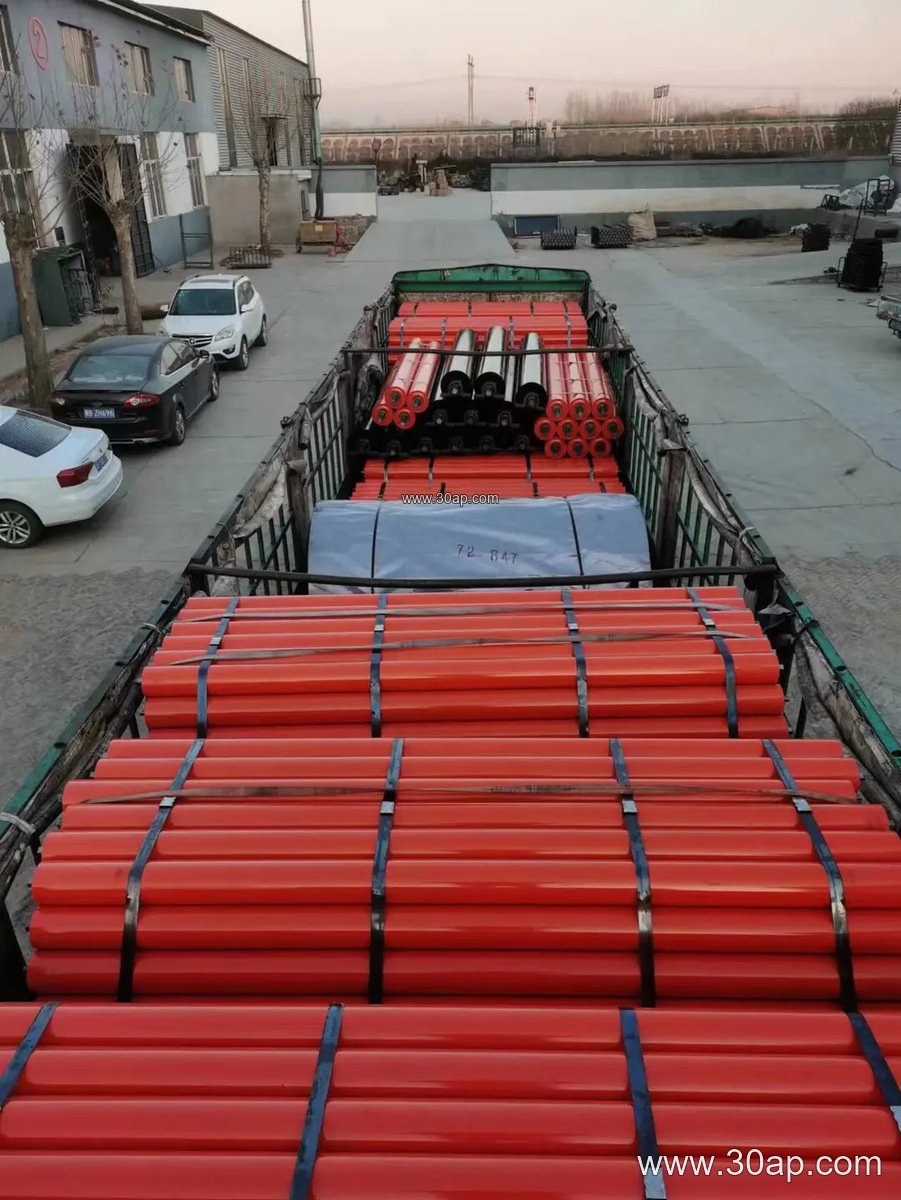
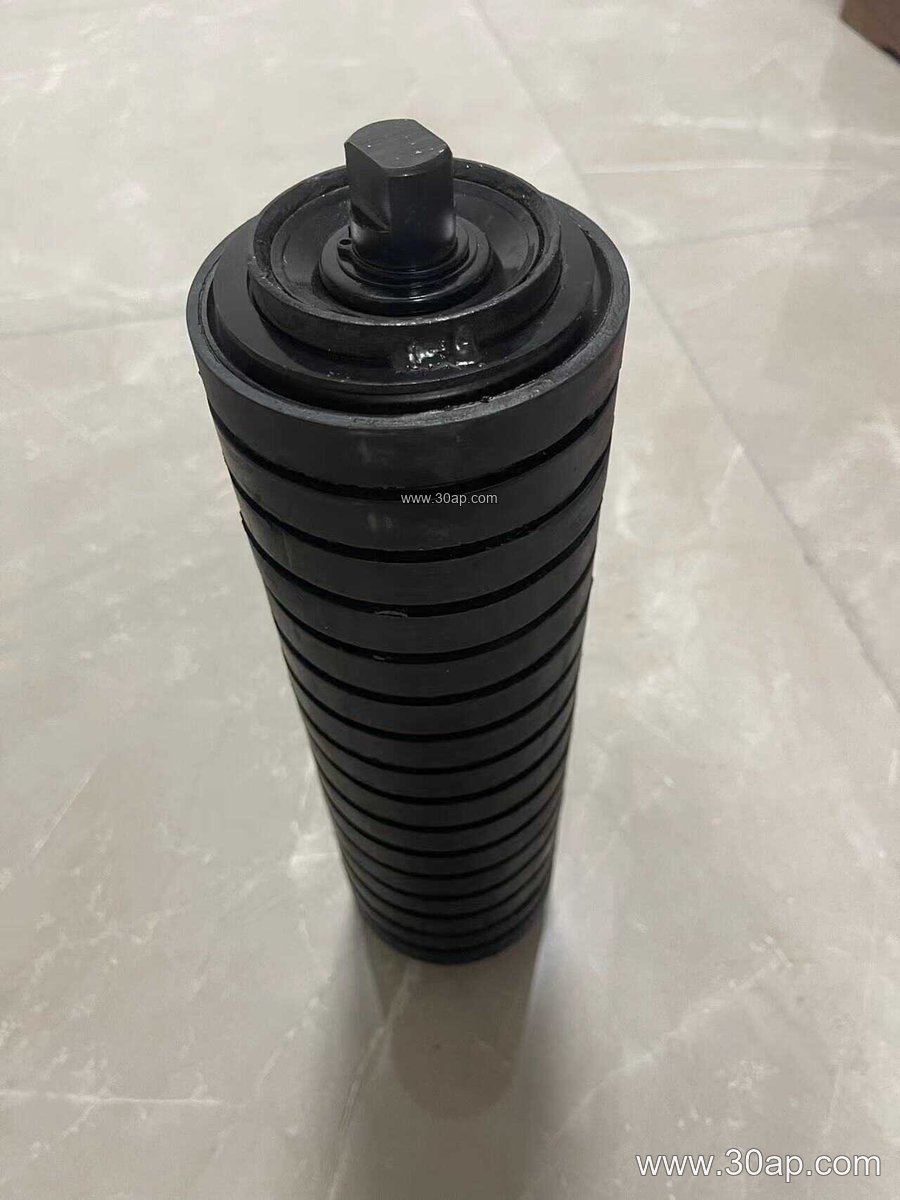
Sealing is critical for long service life, especially in dusty or wet environments. Many parallel return idlers feature labyrinth seals or contact seals to keep out contaminants and retain grease. The shell material can be steel, nylon, or rubber-coated for specific applications. Rubber disc return idlers are a variant used for impact absorption or material buildup prevention, but the parallel return idler remains the baseline design.
Where Parallel Return Idlers Are Used
Parallel return idlers are found in nearly every industry that relies on belt conveyors. In a limestone quarry, they support the return belt after primary crushing, often working alongside a heavy-duty conveyor belt that handles sharp, abrasive rock. In a coal-fired power plant, they help maintain belt tension on the return side of coal conveyors, where flame retardant conveyor belts are often specified for safety. Cement plants use them extensively in clinker and raw material transport, while sand and gravel operations depend on their durability in abrasive conditions.
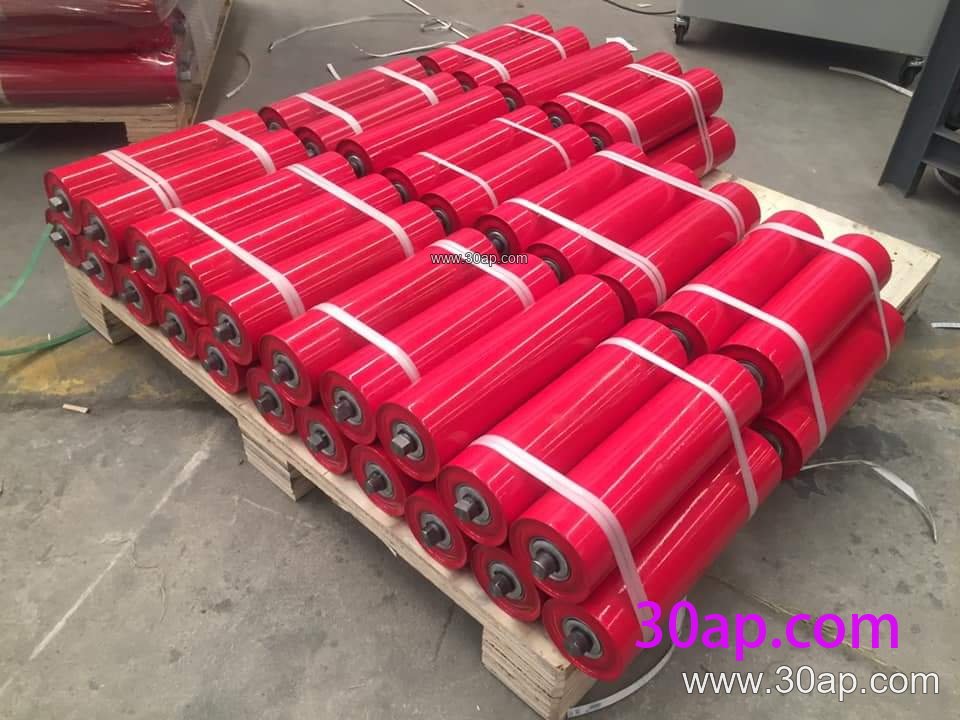
They are also common in iron ore mines, copper concentrators, and gold mining operations, where long overland conveyors require reliable return support. Port facilities and ship loading systems use parallel return idlers on high-capacity conveyors handling bulk materials. Even in recycling and construction waste sorting, these idlers keep the belt running smoothly.
When selecting a parallel return idler, consider the belt width, belt speed, load, and environmental factors. For instance, a conveyor using an EP conveyor belt or a steel cord conveyor belt may require different idler spacing and bearing capacity. In underground coal mining, fire resistant and anti-static properties are essential, and the return idlers should be compatible with the flame retardant conveyor belt in use.
Specifications and Selection Guidance
Buyers should specify the roller diameter, length, shaft diameter, bearing type, and surface finish. The following table provides common reference values for parallel return idlers, but these are not universal and should be adapted to the actual conveyor design.
| Parameter | Common Range / Options |
|---|---|
| Roller Diameter | Ø63, Ø76, Ø89, Ø102, Ø108, Ø127, Ø133, Ø159, Ø178, Ø194, Ø219 mm |
| Belt Width | B400, B500, B650, B800, B1000, B1200, B1400, B1600, B1800, B2000, B2200, B2400 mm |
| Bearing | 6204, 6205, 6305, 6306, 6308, 6310 (selected by load/speed) |
| Roller Surface | Steel tube, nylon, rubber disc, ceramic |
| Sealing | Labyrinth, contact, or combination |
Note that roller length varies with belt width and idler configuration. For a parallel return idler, the length is typically close to the belt width plus clearance. For example, a B650 belt might use a return idler with a roller length of about 750 mm, while a B1400 belt could use a length around 1600 mm. These are examples only; actual dimensions depend on the conveyor frame and pulley arrangement.
When choosing between a parallel return idler and a V-type return idler, consider belt training needs. V-type idlers help center the belt, while parallel idlers provide uniform support. In some cases, a combination is used. Also, ensure the idler is compatible with the conveyor pulley diameters and the overall belt tension.
Maintenance and Buyer Checklist
Regular inspection of parallel return idlers helps prevent belt damage and downtime. Check for seized bearings, worn shells, and material buildup. Lubricate sealed bearings according to the manufacturer’s schedule, though many modern idlers are lifetime-lubricated. Replace idlers that show excessive play or surface wear, as they can cause belt tracking issues.
For buyers, request drawings or datasheets that specify the shaft diameter, bearing type, and sealing method. Confirm the idler’s load rating and suitability for the environment. In dusty or corrosive conditions, consider enhanced seals or stainless steel components. Always match the idler to the conveyor belt width and the pulley specifications; do not assume that one diameter suits all belt widths.
Whether you operate a quarry, a coal mine, or a cement plant, selecting the right parallel return idler contributes to conveyor reliability. For more information on compatible components such as conveyor brackets and idler rollers, consult your supplier.