What the NN200 Conveyor Belt Is
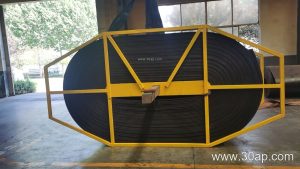
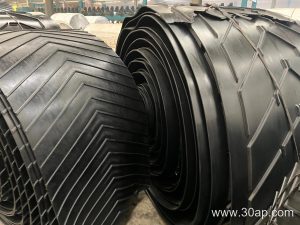
The NN200 Conveyor Belt is a fabric-core rubber belt built around nylon (NN) canvas plies. In this naming convention, the number refers to the nominal tensile strength of the carcass, expressed in newtons per millimeter of belt width. NN200 sits in the middle of the common nylon belt range, above lighter NN100 and NN150 constructions and below heavier NN300 and NN400 designs. Buyers often describe the same product as an NN Conveyor Belt, a nylon Fabric Core Conveyor Belt, or a Multi-Ply Fabric Core Conveyor Belt, and all of these refer to the same family of product.
Nylon is chosen for its high strength-to-weight ratio, good fatigue resistance, and strong adhesion to rubber. Compared with an EP Conveyor Belt, which uses polyester warp and nylon weft, an NN belt generally offers superior resistance to repeated flexing and impact, while an EP carcass tends to hold length stability better under steady tension. Neither is universally better; the choice depends on the duty.
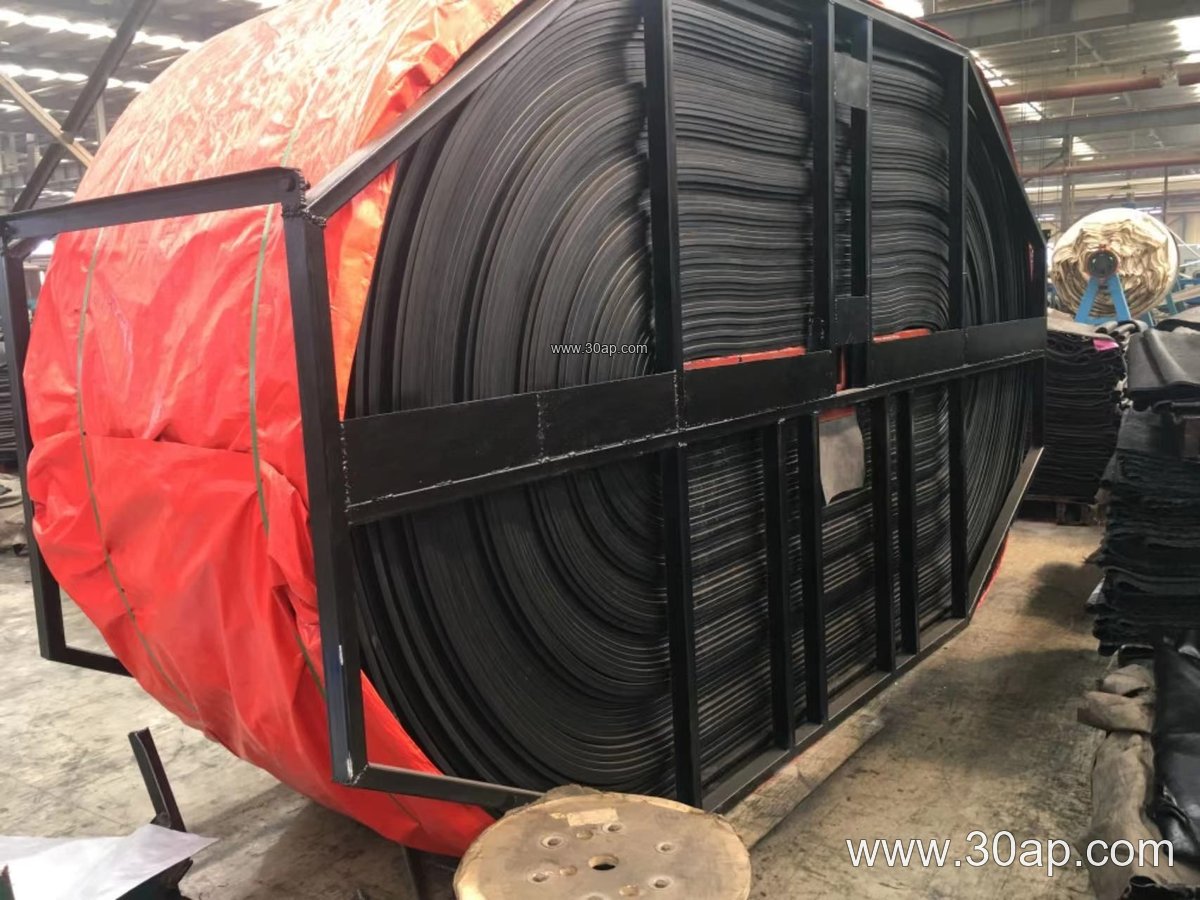
How the Belt Is Constructed
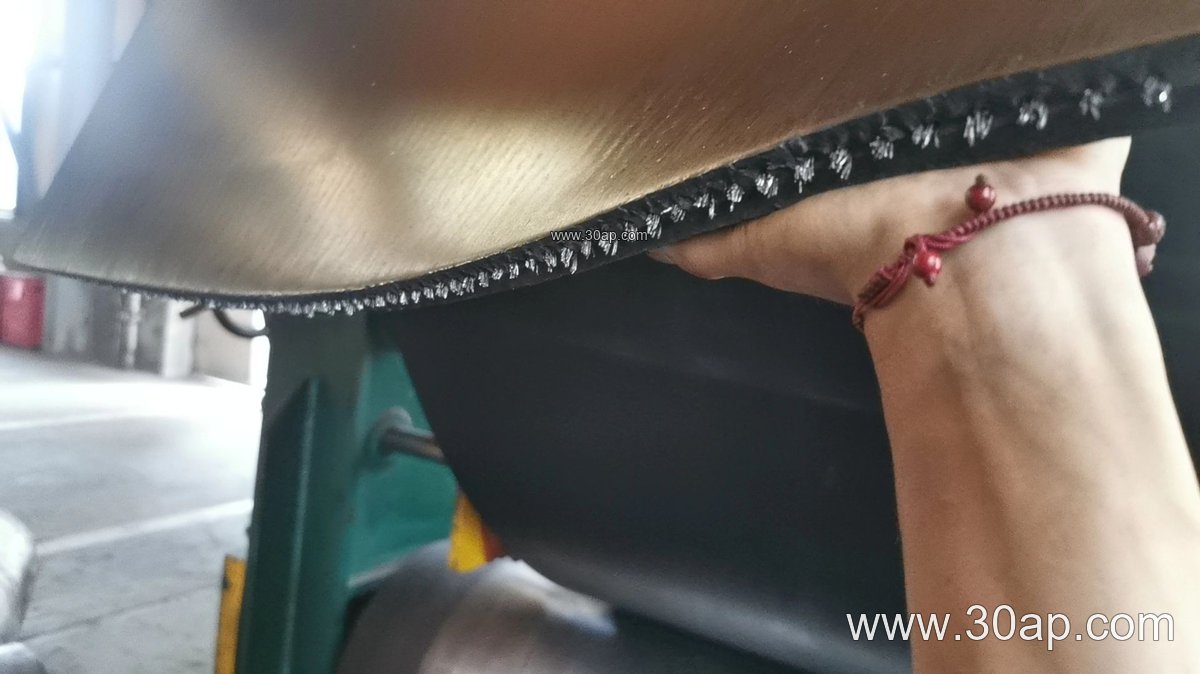
A typical NN200 belt combines several layers of nylon canvas, skimmed and frictioned with rubber compound, then consolidated under heat and pressure. Top and bottom cover grades are selected for the working environment, and the edges are usually protected by a rubber edge or cut edge treatment depending on the application.
Common Construction Reference
- Carcass: 2 to 6 plies of nylon canvas, depending on belt width and load
- Nominal strength grade: NN200 (nylon canvas)
- Cover thickness examples: 3+1.5 mm, 4+2 mm, 5+2 mm, 6+2 mm, 8+3 mm
- Width examples: B500, B650, B800, B1000, B1200, B1400, B1600
These figures are common reference values. Actual ply count, cover gauge, and width are confirmed by design for each conveyor, and different manufacturers may vary. A wider belt does not dictate a single pulley diameter, and shaft sizing must be calculated from the full conveyor load case rather than from belt width alone.
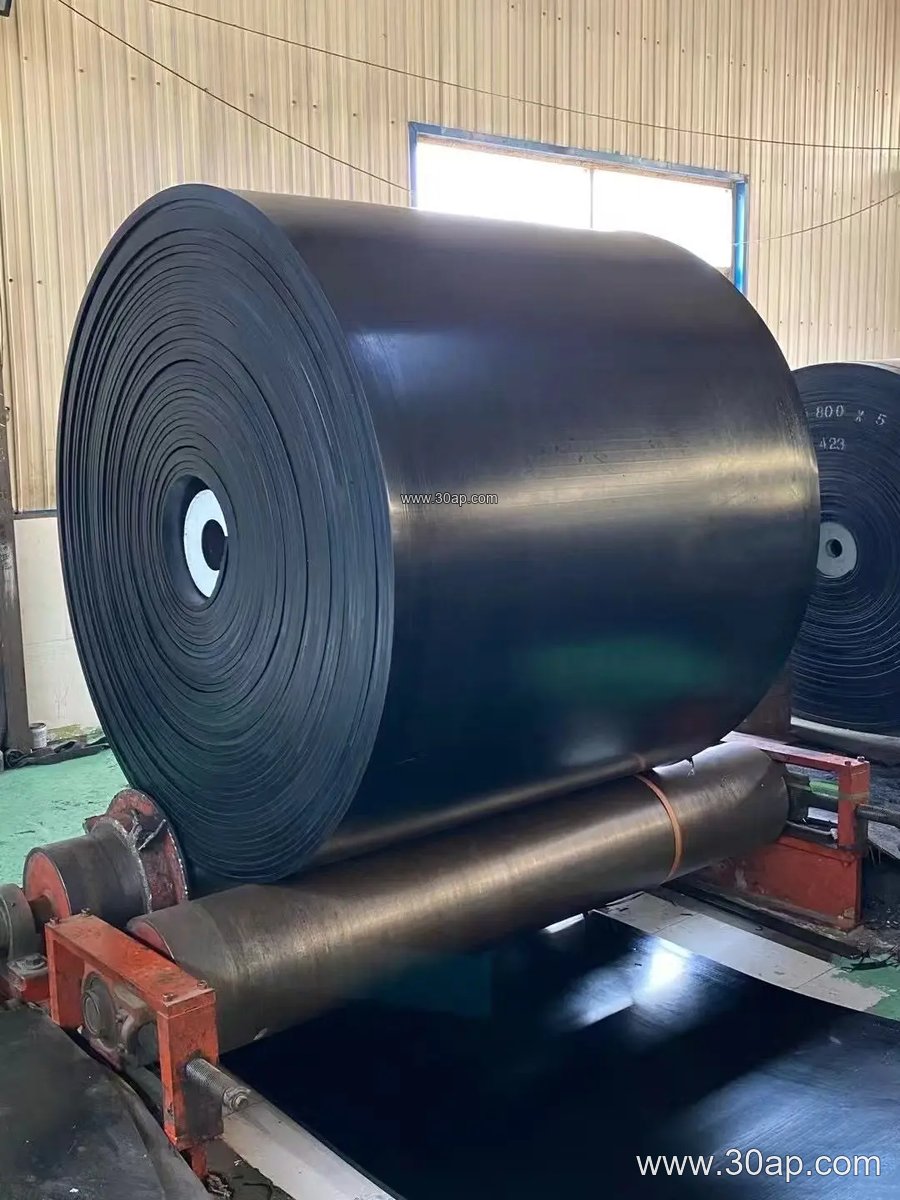
Where It Fits in a Conveyor System
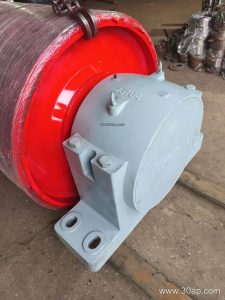
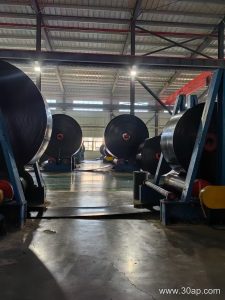
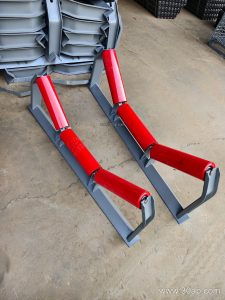
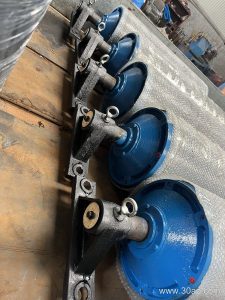
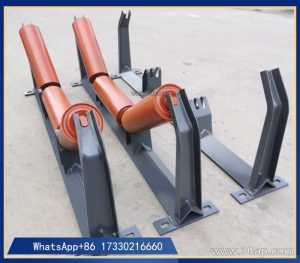
The belt runs over a series of conveyor pulleys, with the drive pulley transmitting torque, the tail pulley guiding the return, and bend pulleys routing the path. Idler rollers support the carrying and return strands, while conveyor brackets and frames hold the idlers and pulleys in alignment. Belt tracking, splice quality, and pulley alignment all influence service life as much as the belt itself.
NN200 is frequently considered for:
- Quarry and aggregate lines feeding crushers and screens
- Sand and gravel plants with moderate impact at loading points
- Cement plant raw material and clinker handling circuits
- Power plant coal handling and ash transport
- Port and ship loading conveyors moving bulk material
- Mining conveyor belt duties where abrasion and flexing are present
For very high tension or long overland routes, a Steel Cord Conveyor Belt or a high-grade EP belt such as EP630 may be more suitable. For steep inclines, a Chevron Conveyor Belt with a patterned surface can help retain material, and a Corrugated Sidewall Conveyor Belt or Skirted Conveyor Belt may be chosen where spillage control matters. These are alternatives for specific duties, not substitutes for the NN200 grade itself.
Cover Grade and Environmental Choices
The carcass grade is only part of the specification. The cover compound determines how the belt behaves in the field. Common options include:
- Abrasion Resistant Conveyor Belt covers for stone, ore, and clinker
- Heat Resistant Conveyor Belt grades for cement and sintered material
- Oil Resistant Conveyor Belt compounds for oily feedstock
- Flame Retardant Conveyor Belt and Anti-Static Conveyor Belt builds for underground coal mining
- Cold Resistant Conveyor Belt grades for low-temperature sites
An Abrasion Resistant Conveyor Belt cover is a frequent pairing with NN200 in quarry and aggregate service, while a flame retardant and anti-static combination is typical for Underground Coal Mining Conveyor Belt applications. The correct combination should be agreed with the belt supplier against the actual operating conditions.
Buyer Checklist
When specifying an NN200 Conveyor Belt, gather the following before requesting a quotation:
- Required width and nominal strength grade
- Number of plies and cover thickness for top and bottom
- Material type, lump size, and loading impact
- Belt speed, incline angle, and center distance
- Ambient and material temperature range
- Flame retardant, anti-static, oil, or chemical exposure requirements
- Splice preference and pulley diameters at drive, tail, and bend positions
Confirm that the selected cover grade matches the duty, and check that the splice method suits the carcass. Regular inspection of idler rollers, pulley lagging, and belt edges helps catch tracking problems early. Troughability, elongation, and impact resistance should be discussed with the manufacturer so the NN Conveyor Belt selected supports the conveyor design rather than merely matching a strength number.