What an Aggregate Conveyor Belt Does
An aggregate conveyor belt is the flexible load-carrying surface that moves crushed stone, gravel, sand and screened rock between crushers, screens and stockpiles. In a quarry or sand making plant, it is the piece of belting that takes the hardest, most abrasive material on site, often with sharp edges, variable lump size and a certain amount of dust and moisture. Because the load is heavy and the wear is constant, the belt is usually chosen as an abrasion resistant conveyor belt rather than a general-purpose one.
The same product is also called a quarry conveyor belt or a rock conveyor belt, and in a crushing circuit it may simply be described as a crusher conveyor belt. These are different ways of naming the same belting; they are not separate product families.
Construction and Typical Specifications
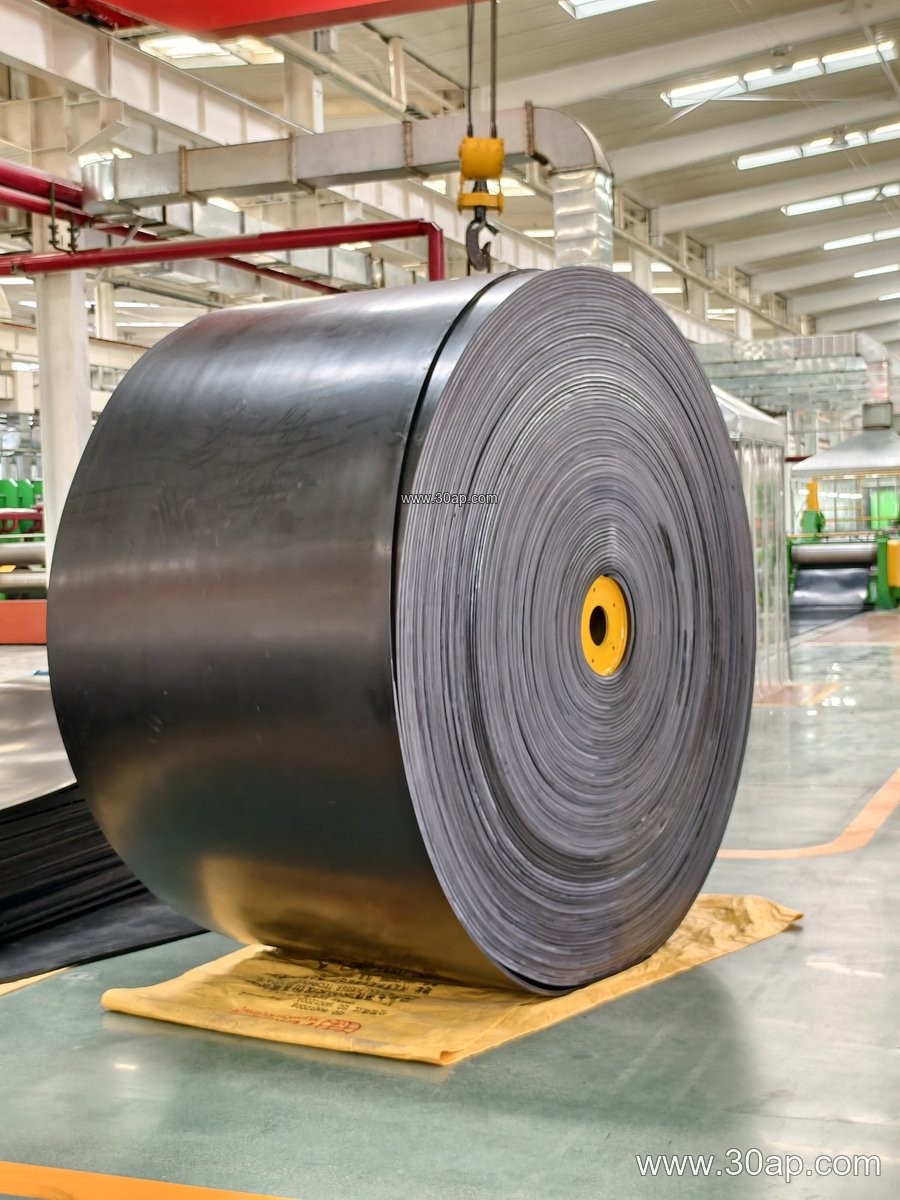
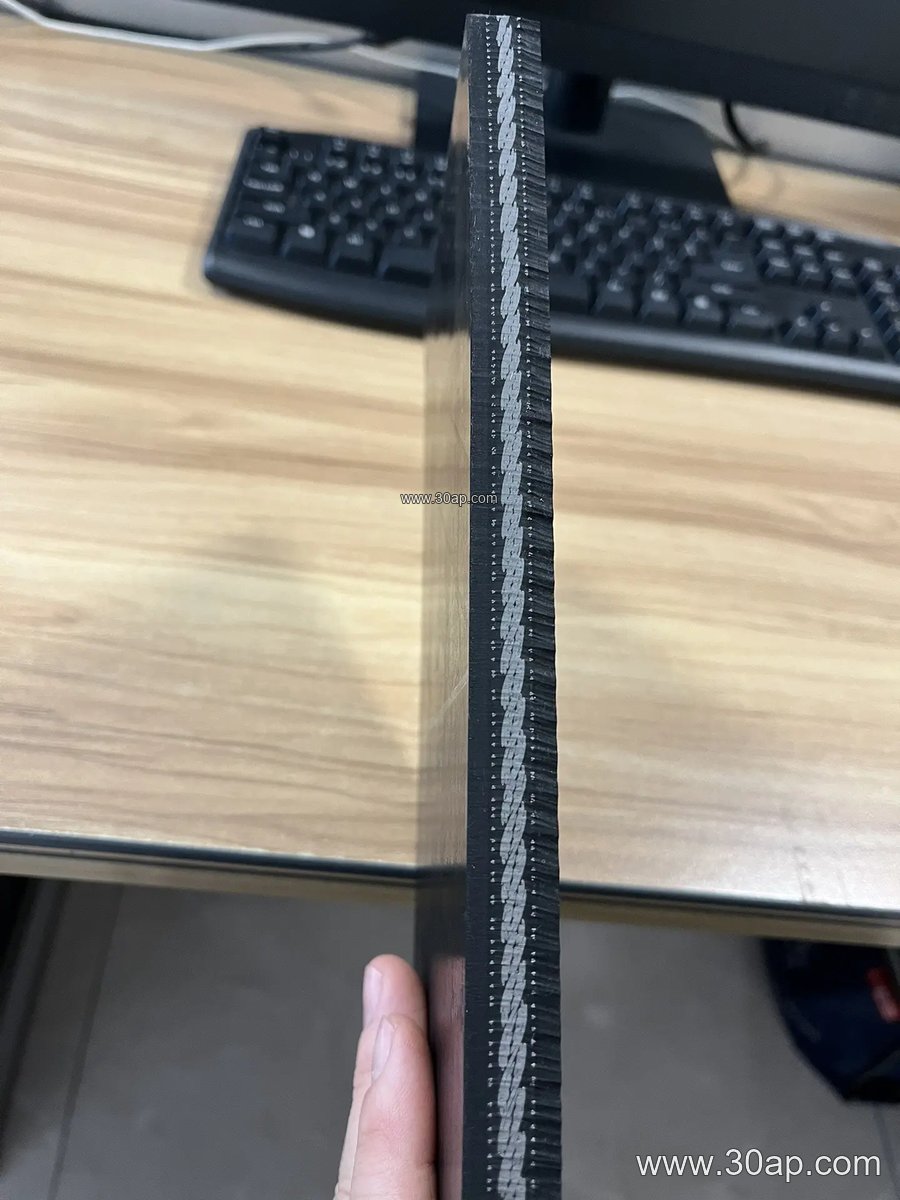
Most aggregate belts are fabric-core or steel cord structures. A fabric core conveyor belt with EP or NN plies handles medium-duty lines, while a steel cord conveyor belt suits long, high-tension runs such as a main plant-to-stockpile conveyor. The cover compound matters as much as the carcass: a high abrasion resistant conveyor belt with adequate thickness will outlast a thinner, softer cover under sharp rock.
The values below are common reference ranges, not fixed rules. Final construction follows the conveyor design and the supplier’s data sheet.
- Belt width: B500, B650, B800, B1000, B1200, B1400, B1600 and wider are all used in aggregate plants; the width follows the tonnage and lump size.
- Fabric core grades: EP200, EP315, EP400, EP500, EP630, EP800 and above.
- Cover thickness: 3+1.5 mm, 4+2 mm, 5+2 mm, 6+2 mm and 8+3 mm are common combinations.
- Ply count: usually 2 to 6 fabric layers, depending on tension.
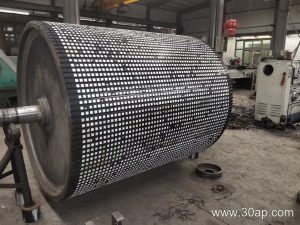
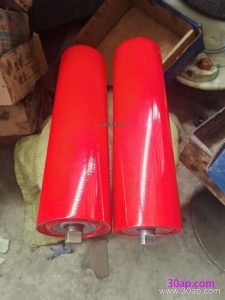
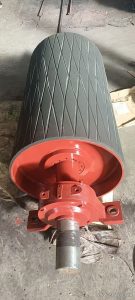
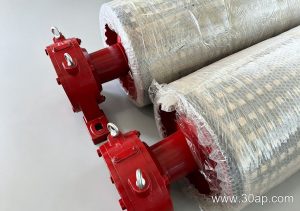
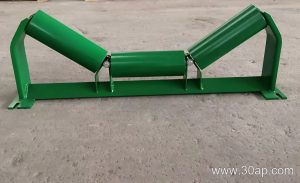
A belt width does not dictate a single pulley diameter. The drive pulley, tail pulley and bend pulley are separate components, each sized from belt tension, wrap angle and shaft load, and they are not interchangeable. The same applies to the idler roller and conveyor bracket layout, which are matched to the belt width and load rather than copied from it.
Where It Fits in the Plant
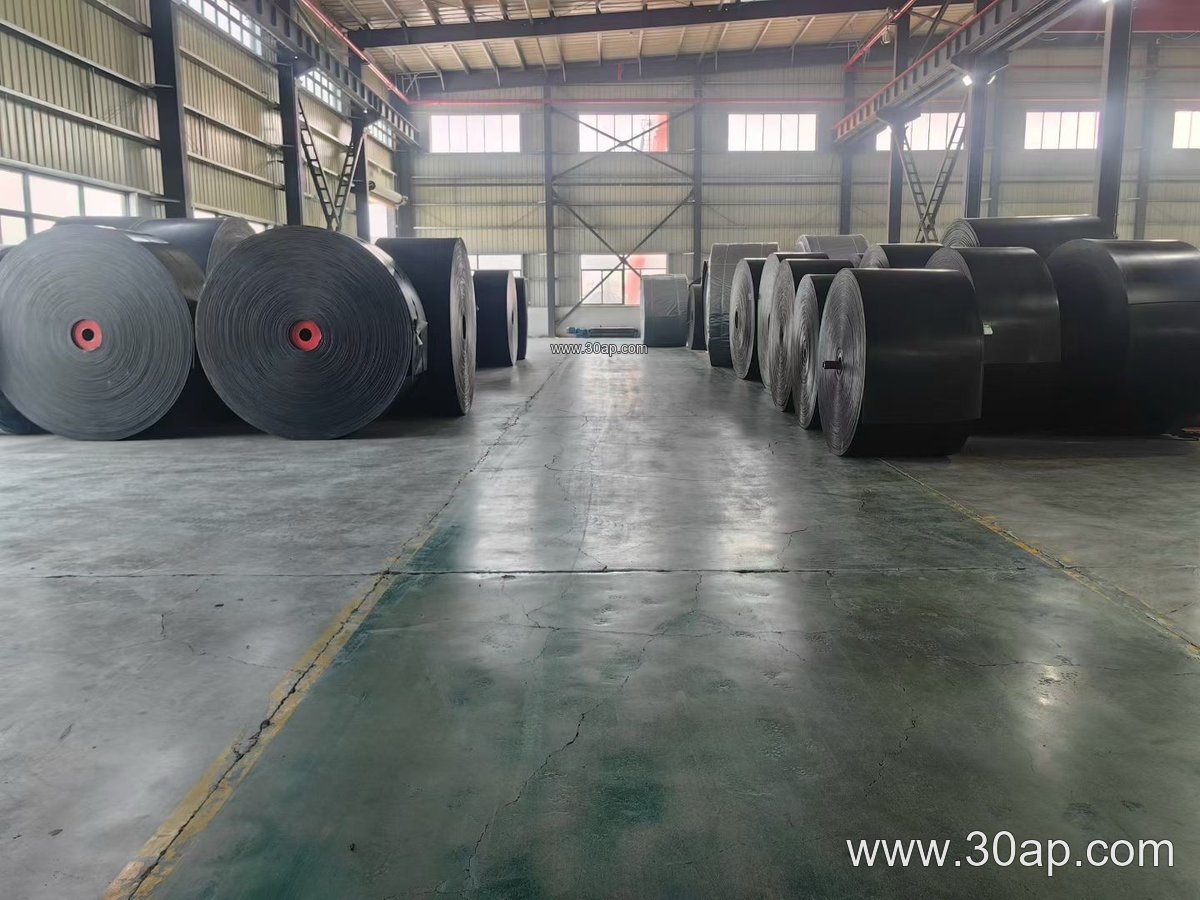
Aggregate belting appears across mining, cement, power plant and construction material operations. In a stone crushing line it carries feed to the primary crusher and returns oversize for recrushing. In a sand making plant it moves manufactured sand to washing and grading. Ports and ship loading terminals use wider, heavier belts for bulk material transfer. Coal mining and underground mining conveyors use flame retardant and anti-static grades, and cement plants need heat resistant belting near kiln and clinker areas.
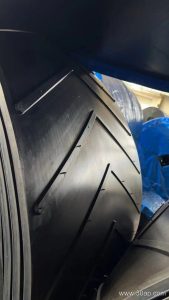
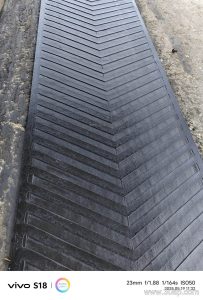
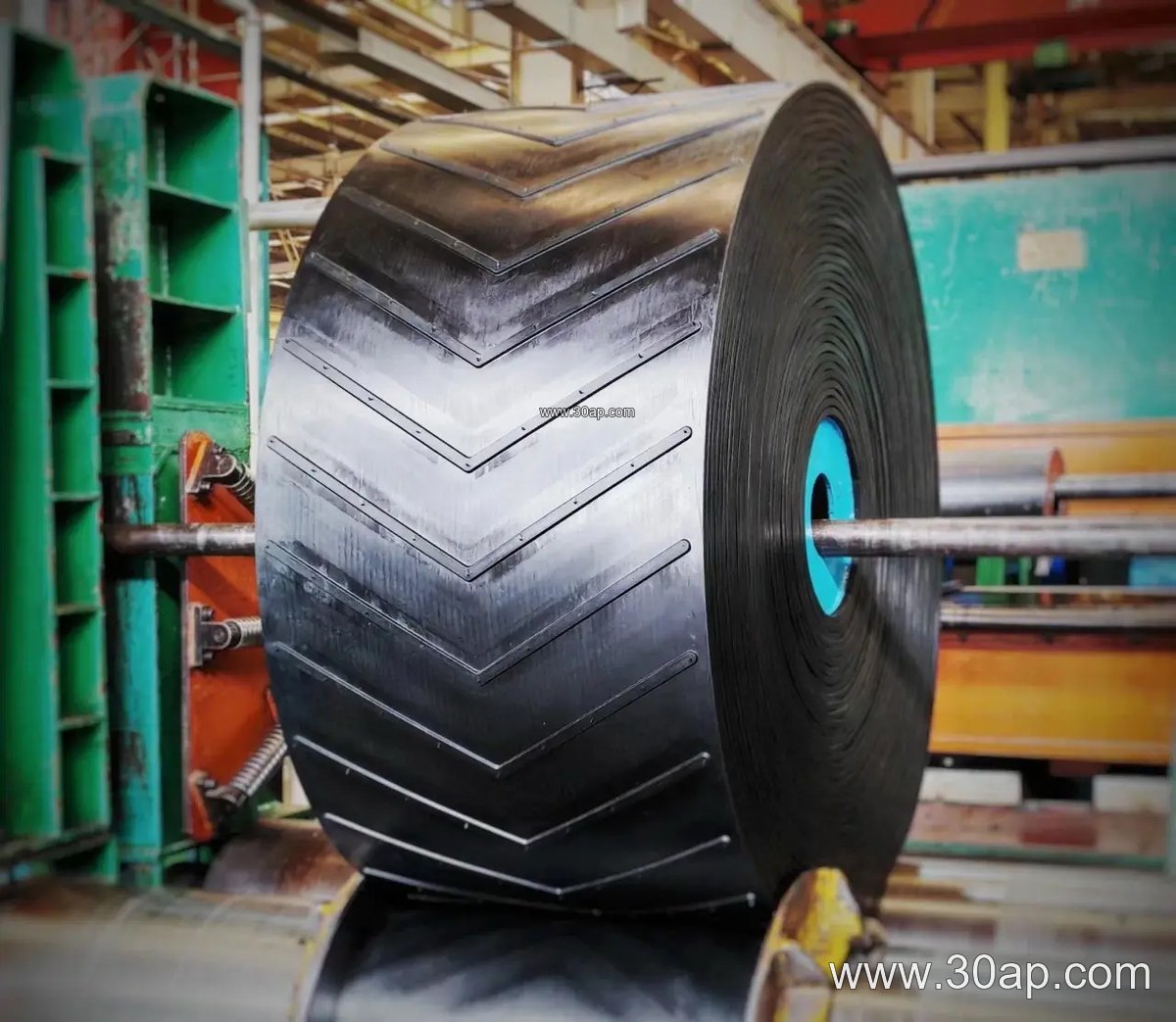
Where the route climbs steeply or material spills at transfer points, a chevron conveyor belt or a corrugated sidewall belt may be considered. These are different subtypes used to solve a specific problem; they do not replace the standard flat aggregate belt on normal horizontal runs.
Buyer Checklist
Before ordering, confirm the material type, maximum lump size, tonnage per hour, incline angle, pulley diameters, trough angle and ambient conditions. Ask whether dust or wash water is present, since wet, sticky sand can change the cover choice. For a cold climate, a cold resistant conveyor belt may be needed; for oily or chemical exposure, oil resistant or acid resistant grades are available.
The belt splice also deserves attention. An endless conveyor belt spliced on site reduces the number of mechanical fasteners and keeps the surface continuous, which matters on long stockpile conveyors. Check that the supplier’s cover grade, ply count and width match the conveyor drawing, and keep spare belting, idler rollers and pulley lagging on hand so a torn belt does not stop the whole plant.
Finally, match the belt to the duty, not to a catalogue default. A properly specified aggregate conveyor belt, paired with correctly sized conveyor pulleys and well-aligned idlers, gives the lowest cost per ton moved in a quarry, mine or sand plant.