What a Ceramic Rubber Lagged Pulley Does
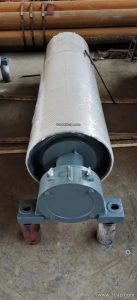
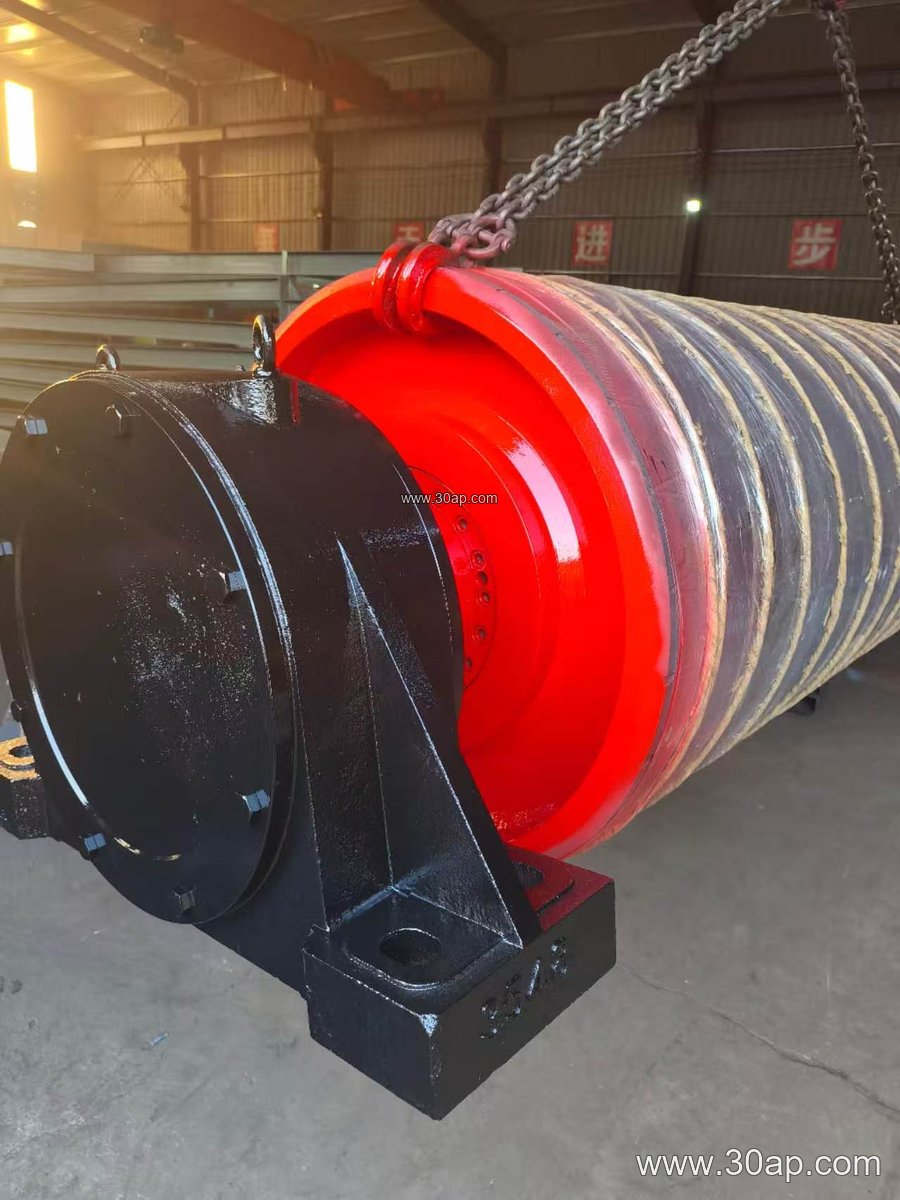
A ceramic rubber lagged pulley is a conveyor pulley whose shell is covered with a rubber layer that holds embedded ceramic tiles. The ceramic pads sit slightly proud of the rubber, so the surface combines two actions: the rubber body flexes and grips, while the hard ceramic studs bite into the belt. On a conveyor drive, this grip matters most. Slip at the drive pulley wastes power, heats the belt cover and shortens belt life. In a quarry, a cement plant clinker line or a power plant coal handling system, the head pulley often runs in dust and moisture, which is exactly where a plain steel shell struggles.
The same pulley is also described as a ceramic lagged conveyor pulley or a ceramic rubber lagging pulley. These are names for the same product, not different types.
How the Lagging Is Built
The pulley body is usually a welded steel drum with end discs and a shaft, machined so the lagging bonds evenly. The rubber layer is applied by hot vulcanisation, and the ceramic tiles are pressed in during the process. Tile shapes vary: square, rectangular and diamond patterns are common, and some designs use grooved or dimpled ceramic to help water and fines escape. Lagging thickness commonly falls in the 8 to 20 mm range, with 10, 12 and 15 mm often chosen for drive positions. Thicker lagging gives more cushioning and more wear allowance, but it also changes the pulley diameter, so the belt path should be checked.
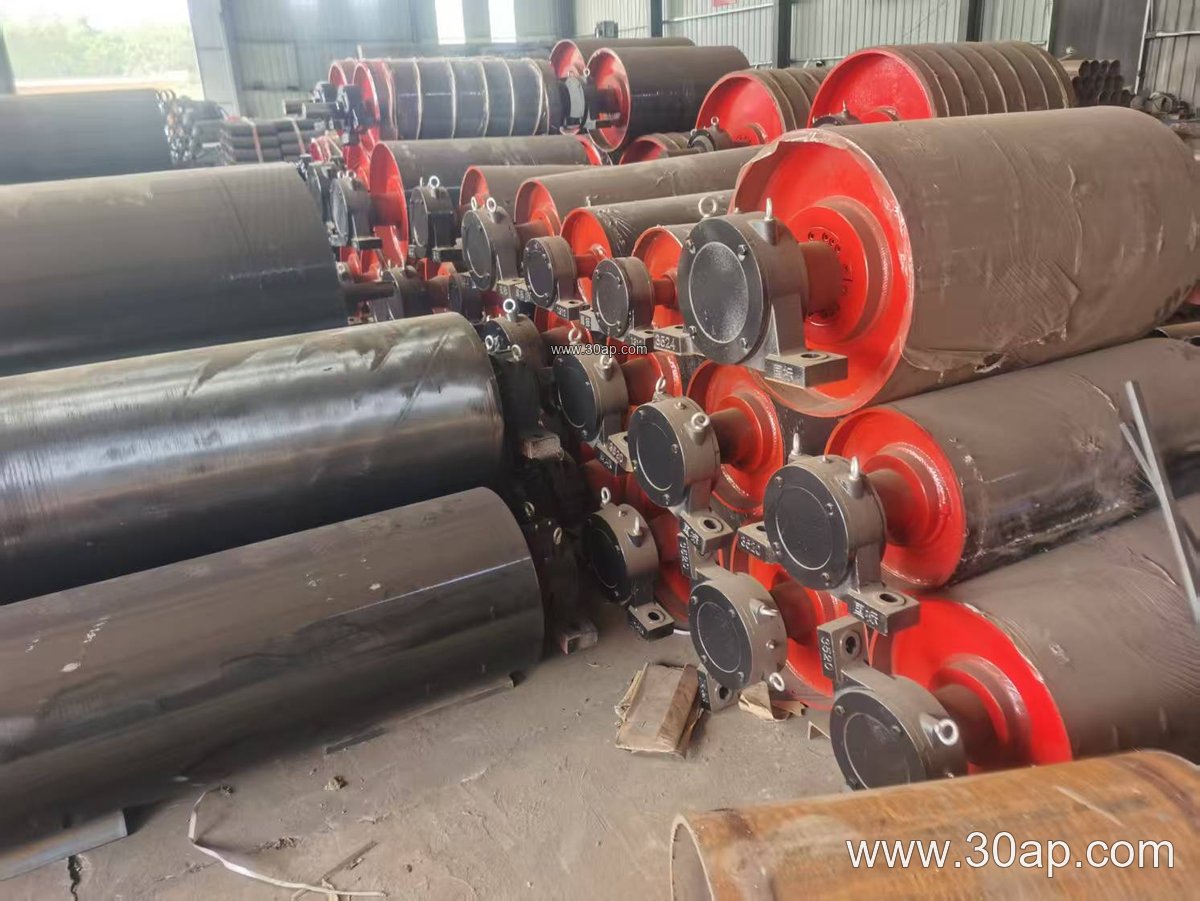
Ceramic lagging is one option on a longer list of pulley surfaces: plain shell, cast rubber, cold-bonded rubber, hot vulcanised rubber, diamond groove, herringbone groove and flat rubber. Diamond and herringbone patterns are often used where water drainage is the main concern. Ceramic lagging is usually specified where abrasive carry-back and high torque meet, such as a drive pulley on an ore conveyor.
Where It Fits on the Conveyor
This lagging is most at home on a drive pulley, also called the head pulley when it discharges the load. It can also be used on a tail pulley or a tension pulley in abrasive service, though the drive position is the classic application. Snub and bend pulleys rarely need ceramic because they carry little torque, and a plain or rubber surface is often enough there. Matching the surface to the role keeps cost sensible and avoids over-specifying.
- Drive or head position: high torque, high wear, slip risk.
- Tail position: abrasive material, belt tracking concerns.
- Tension pulley: moderate load, sometimes ceramic in wet, gritty conditions.
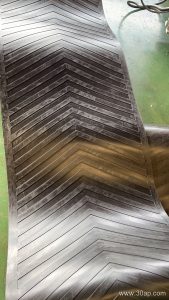
On a long overland or underground coal mining conveyor, the drive pulley may work with a steel cord conveyor belt or a multi-ply fabric core belt. Heavier belts need more grip, and the ceramic surface helps transfer torque without excessive belt tension. A chevron conveyor belt or corrugated sidewall belt on the same plant usually runs on separate pulleys, so the lagging choice is made per conveyor.
Sizes and Selection Points
Pulley size is set by belt width, shaft load and the required wrap angle, not by a single fixed rule. The drum face is normally wider than the belt. Typical combinations are shown below as reference only.
| Belt width | Common pulley face | Example diameter |
|---|---|---|
| B500 | about 600 mm | Ø250 to Ø400 |
| B650 | about 750 mm | Ø315 to Ø500 |
| B800 | about 950 mm | Ø400 to Ø630 |
| B1000 | about 1150 mm | Ø500 to Ø800 |
| B1200 | about 1400 mm | Ø630 to Ø1000 |
| B1400 | about 1600 mm | Ø800 to Ø1250 |
Do not read a belt width as a fixed diameter. B1200 can be paired with Ø800 or Ø1000 depending on belt speed, tension and space. Shaft diameter is calculated from torque and bearing loads; common shaft sizes run from Ø50 to Ø200, but the value must come from the drive design, not from the belt width alone.
Buyer Checklist
- Confirm the pulley role: drive, tail, tension or bend.
- State belt type and width, for example an EP conveyor belt at 1200 mm or a flame retardant conveyor belt for underground use.
- Give the required lagging thickness and tile pattern.
- Provide belt speed, motor power and wrap angle so the shaft and drum can be sized.
- Ask how tiles are bonded and whether the lagging can be replaced in the field.
- Check balance and runout, since a heavy lagged drum running fast needs good machining.
Ceramic lagging is hard and brittle at the tile edges, so avoid dragging the belt across the pulley during installation. Keep the conveyor belt cleaner working, because carry-back packed into the lagging reduces grip. Inspect tiles for cracks and missing pieces at shutdowns; a small loss is normal wear, but a large one changes the surface and should be repaired. A ceramic rubber lagged pulley costs more than a plain drum, yet on an abrasive drive it can pay back through longer lagging life and steadier belt tracking.