What a Guide Roller Does on a Conveyor
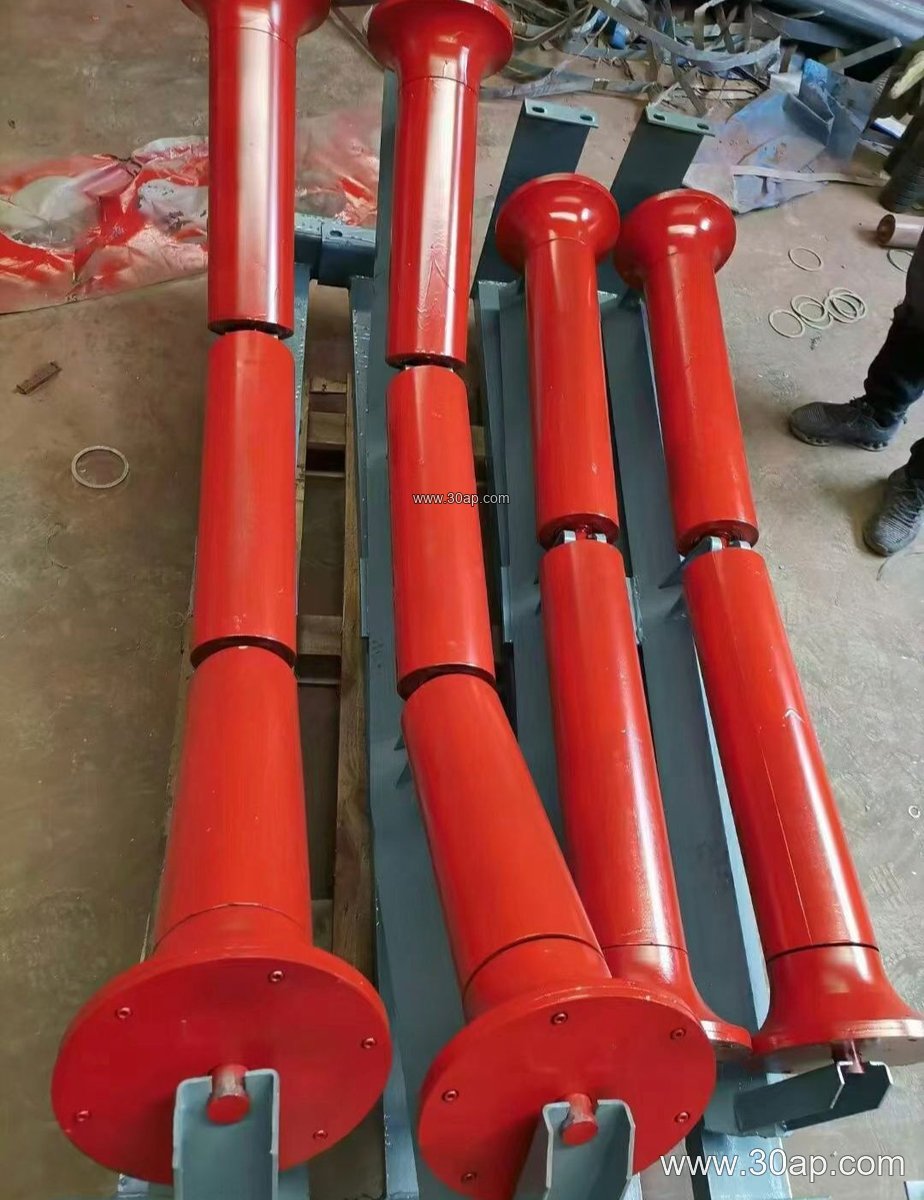
A guide roller is a small-diameter idler mounted at strategic points along a conveyor to keep the belt centered and to protect the belt edges from rubbing against structure. Unlike a full carrying idler, a guide roller usually works in a vertical or near-vertical orientation, contacting the belt edge or the side of the belt. In quarry and aggregate lines, these rollers are often the first line of defense against misalignment that can spill material and damage an expensive rubber conveyor belt.
Although sometimes called a belt guide roller or edge guide roller, the function is specific: it corrects small tracking deviations before they become major problems. It is not a substitute for a bend pulley or a tail pulley; those components handle tension and direction changes, while a guide roller handles lateral position.
Construction and Common Configurations
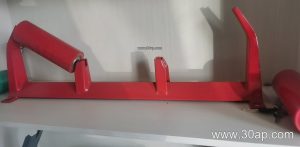
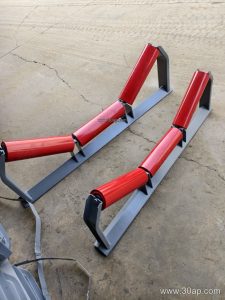
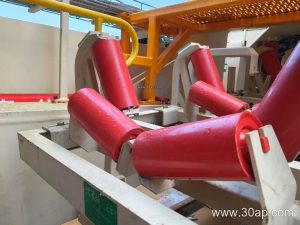
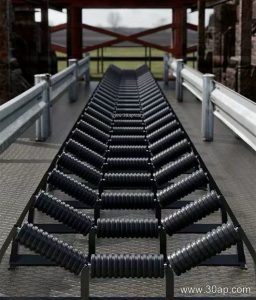
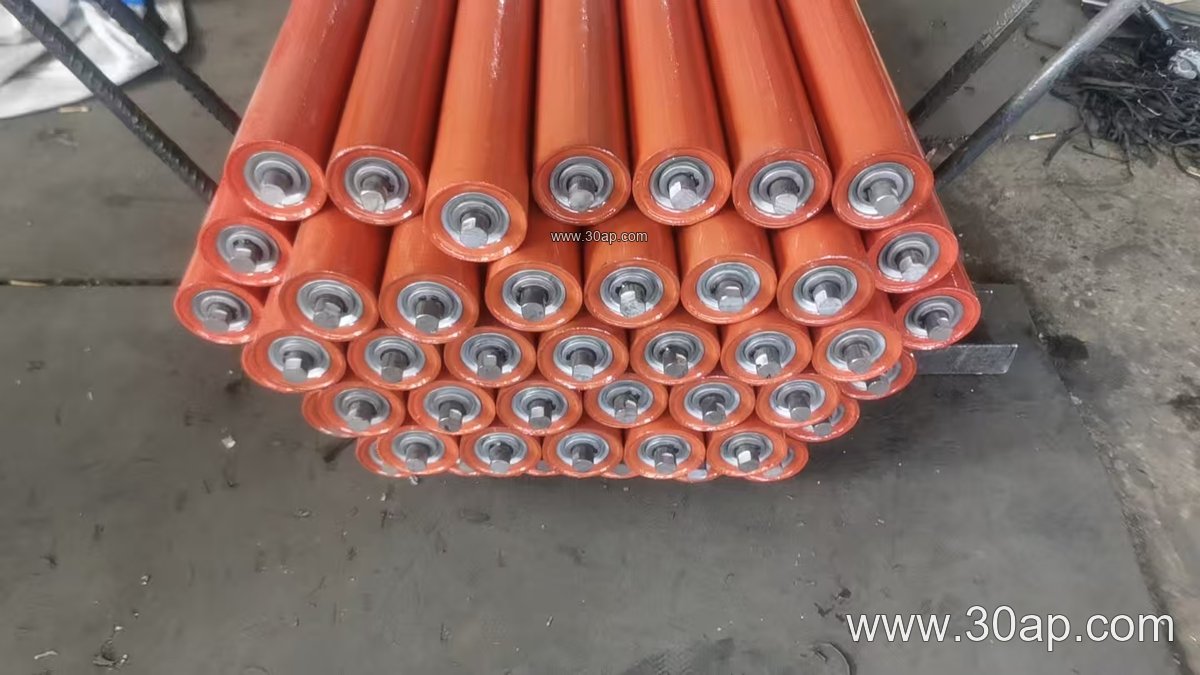
Most guide rollers share the basic construction of a standard idler roller: a steel tube shell, a shaft, sealed bearings, and a mounting bracket. The shell may be plain steel, nylon-coated, or fitted with a rubber ring for gentle contact with the belt edge. Bearing sizes commonly range from 6204 to 6310, depending on load and roller diameter. Typical roller diameters for guide rollers are in the smaller range, such as Ø63, Ø76, Ø89, and Ø102, although larger sizes may be used on wide belts.
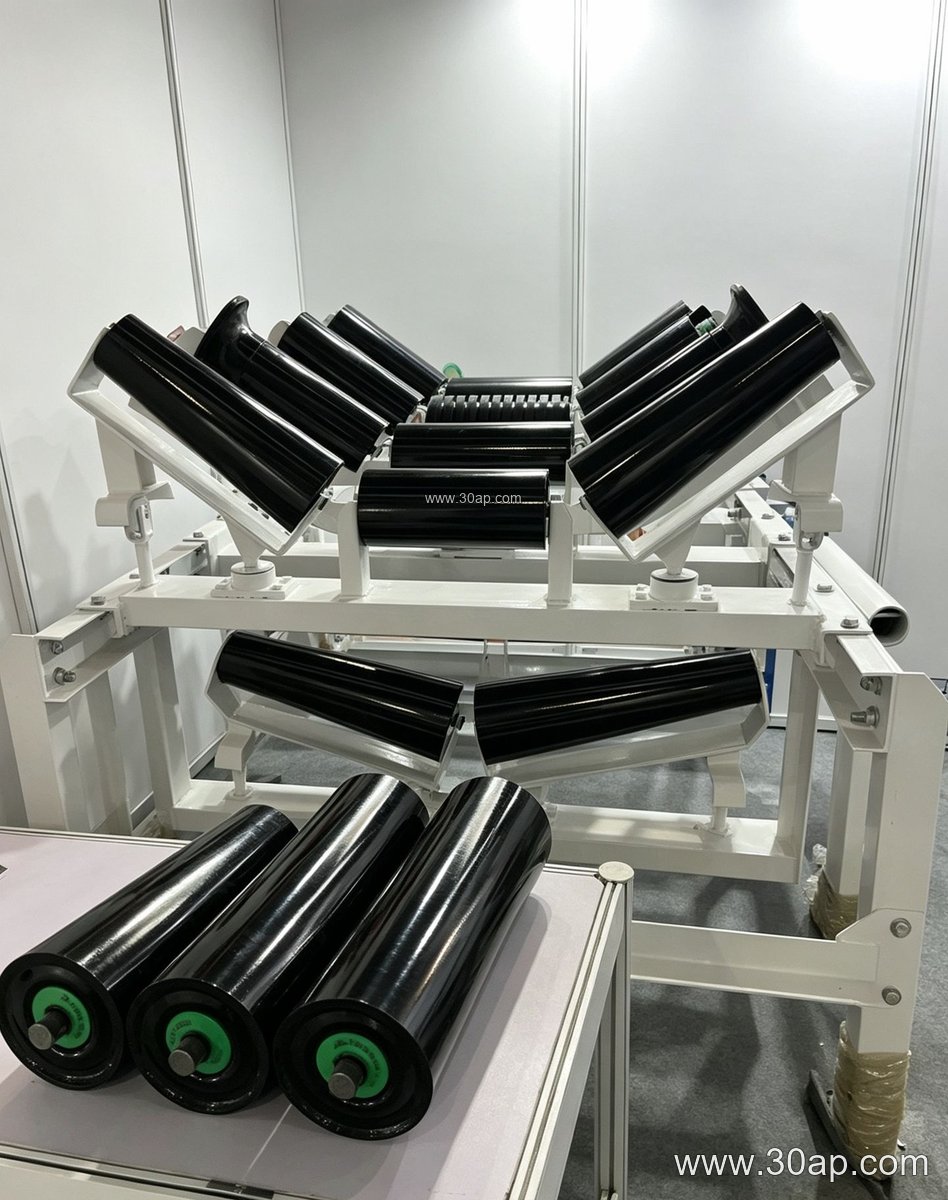
Mounting arrangements vary. A common design uses a bracket that clamps to the conveyor frame and allows the roller to be adjusted in height and angle. Some guide rollers are spring-loaded to maintain light pressure against the belt edge. Others are fixed and rely on precise alignment during installation. The roller length is usually short, often 100 mm to 200 mm, because it only needs to contact the belt edge rather than support the full belt width.
Where Guide Rollers Fit in the System
Guide rollers are found on both the carrying and return sides, but they are most critical at transfer points, curves, and long inclined sections. In a coal mining conveyor belt system, a few guide rollers placed just after the loading zone can prevent the belt from wandering as it settles onto the carrying idlers. In a cement plant, they help keep the belt centered on the head and tail pulleys, reducing edge wear on heat resistant conveyor belt grades used in clinker handling.
They are also used on pipe conveyor belt systems, where the belt must maintain a tubular shape; here, guide rollers assist with edge control at the transition zone. On portable crushing and screening plants, guide rollers are often mounted on the sides of the frame to keep the belt from contacting structural members during operation.
Selection Points for Buyers
When specifying a guide roller, the belt width and belt thickness are the first considerations. The roller must be long enough to contact the belt edge without interfering with the carrying idlers. The mounting bracket should match the conveyor frame profile. Bearing selection depends on the expected load and environmental conditions; in dusty or wet applications, sealed bearings with good grease retention are preferred. The roller surface should be chosen to avoid damaging the belt edge: a rubber ring is gentler than bare steel, while nylon offers good wear resistance.
Alignment adjustment is another key feature. A guide roller that cannot be fine-tuned may cause more tracking problems than it solves. Look for brackets with slotted holes or threaded adjusters. Finally, consider the roller’s dynamic balance; a poorly balanced guide roller can vibrate and wear the belt edge prematurely.
Maintenance and Troubleshooting
Guide rollers are low-maintenance components, but they should be inspected regularly for bearing play, shell wear, and freedom of rotation. A seized guide roller will act as a fixed obstacle and can quickly damage the belt edge. In abrasive environments such as a quarry conveyor belt line, the roller surface may wear faster, so periodic replacement is normal. Keep the mounting brackets tight and the adjustment mechanisms free of corrosion. When replacing a guide roller, check the belt tracking before and after to confirm the new roller is set correctly.
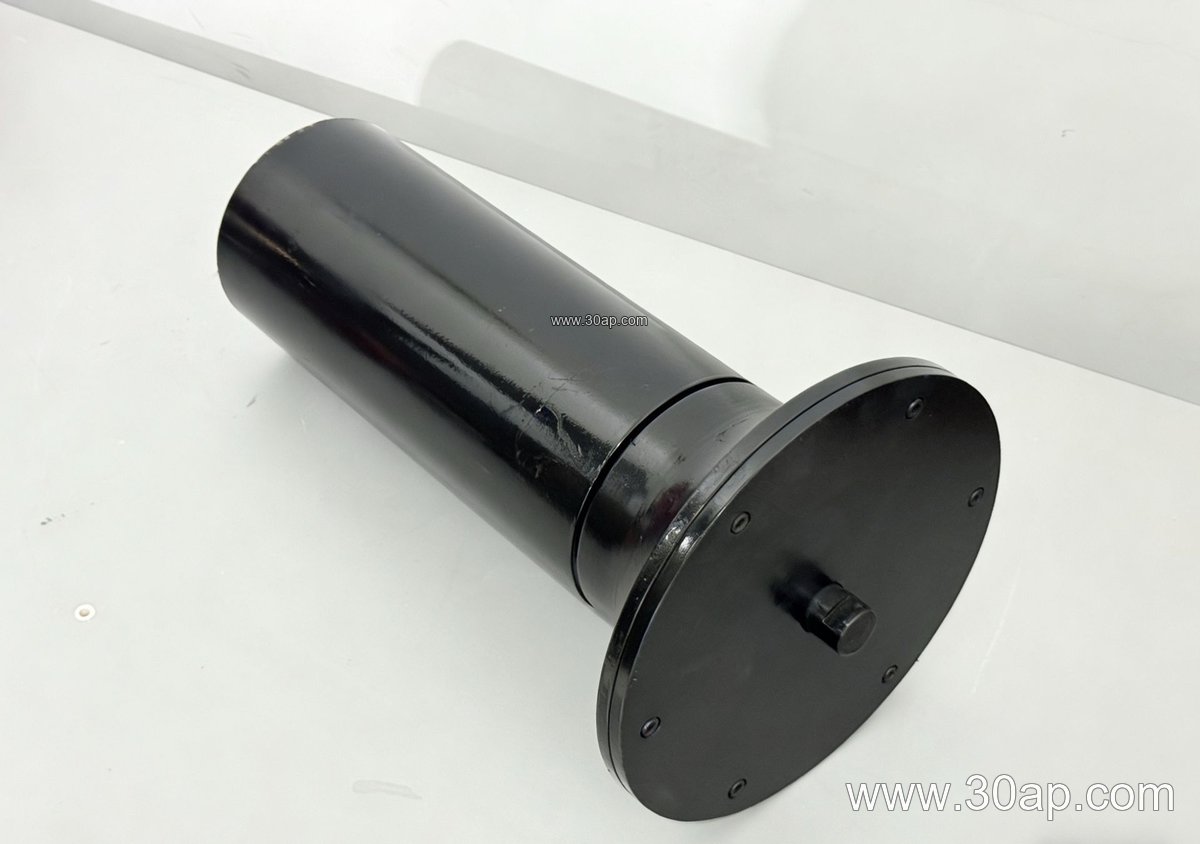
For operators dealing with fabric core conveyor belt or steel cord conveyor belt, guide rollers should be selected with attention to belt stiffness. A very stiff belt may require heavier-duty guide rollers or a different tracking solution. In food grade conveyor belt applications, guide rollers should be made from materials that resist corrosion and are easy to clean.
Related Components and System Integration
A guide roller works alongside other conveyor components such as the conveyor pulley, idler roller, and conveyor bracket. It is not a replacement for a drive pulley or a bend pulley, but it complements them by keeping the belt aligned as it approaches those components. In a typical conveyor bracket assembly, the guide roller may be mounted on the same frame that supports the return idlers. Proper integration ensures that the belt runs smoothly from the tail pulley to the head pulley without edge damage.
For heavy-duty mining conveyor belt systems, guide rollers are often specified with reinforced brackets and larger shafts to withstand vibration and shock loading. In port and ship loading applications, where belts may be wide and fast, guide rollers help maintain belt position during rapid acceleration and deceleration.