What an Idler Bracket Does on a Conveyor
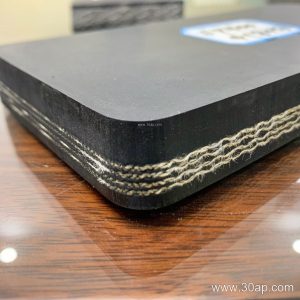
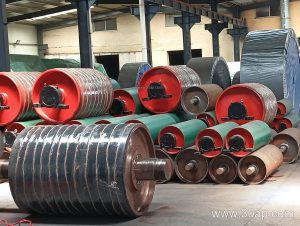
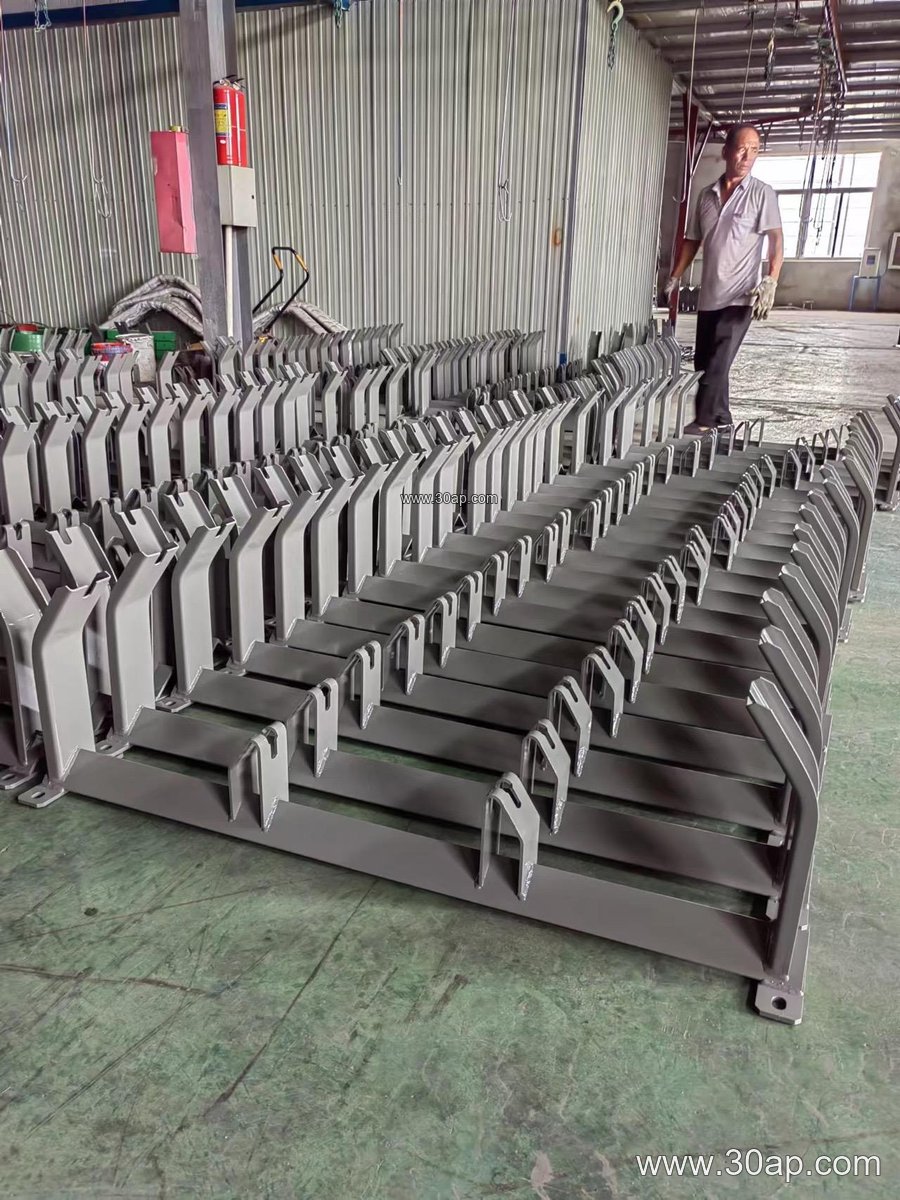
An idler bracket is the structural support that holds conveyor idler rollers in the correct position along the belt line. It keeps the troughing angle stable, maintains roller spacing, and transfers the load from the belt and material into the conveyor frame. In a quarry conveyor or a coal mining conveyor, the idler bracket is often the least visible component, yet it directly affects belt tracking, roller life, and overall system reliability. The bracket works together with the conveyor belt, idler roller, and conveyor pulley to keep material moving efficiently.
Construction and Common Materials
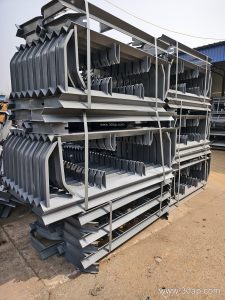
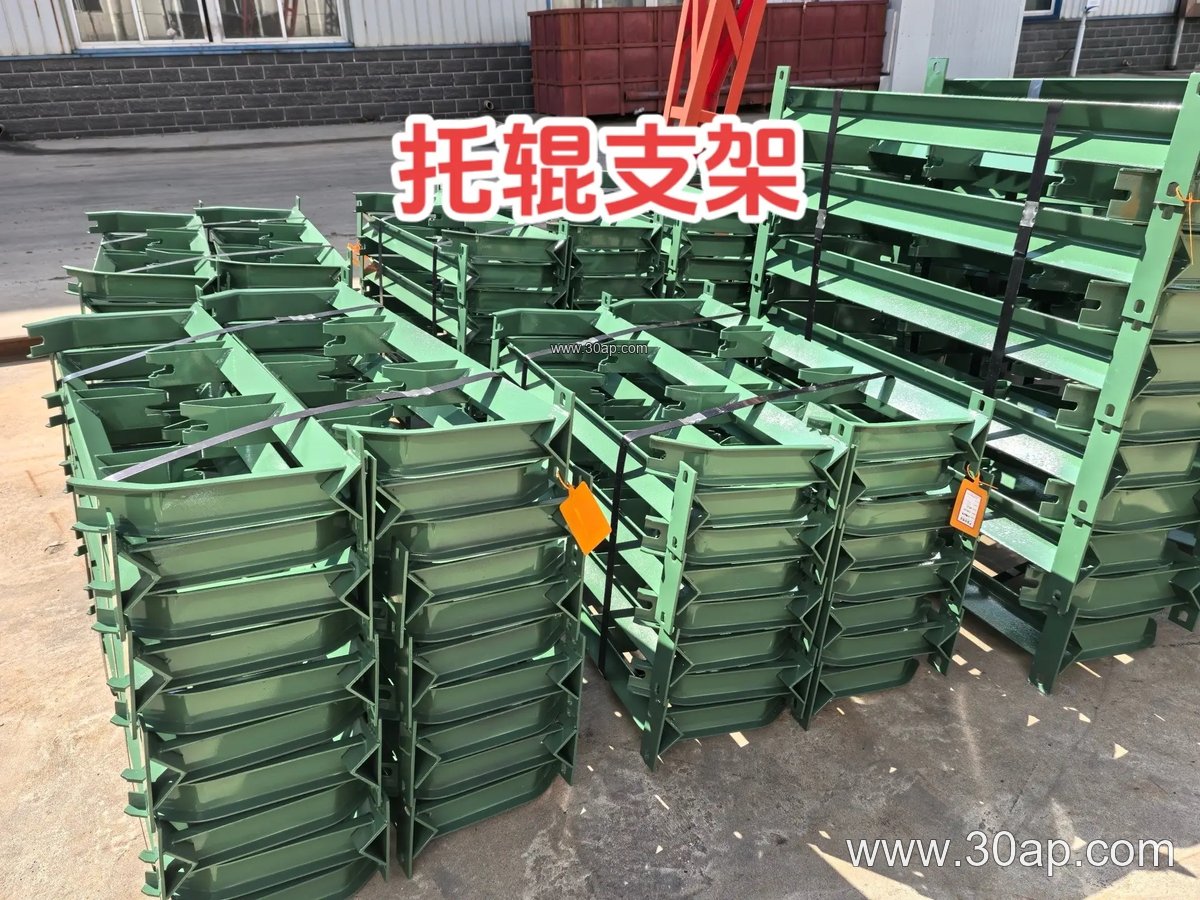
Most idler brackets are fabricated from angle steel, channel steel, or bent steel plate. The choice depends on load conditions and mounting requirements. A heavy-duty mining conveyor belt carrying dense ore may require a reinforced bracket with thicker section steel, while a lighter aggregate conveyor belt line can use a standard formed bracket. Slotted holes or adjustable arms allow the same bracket family to accommodate different trough angles and roller diameters without custom fabrication for every position.
Types and Where They Fit
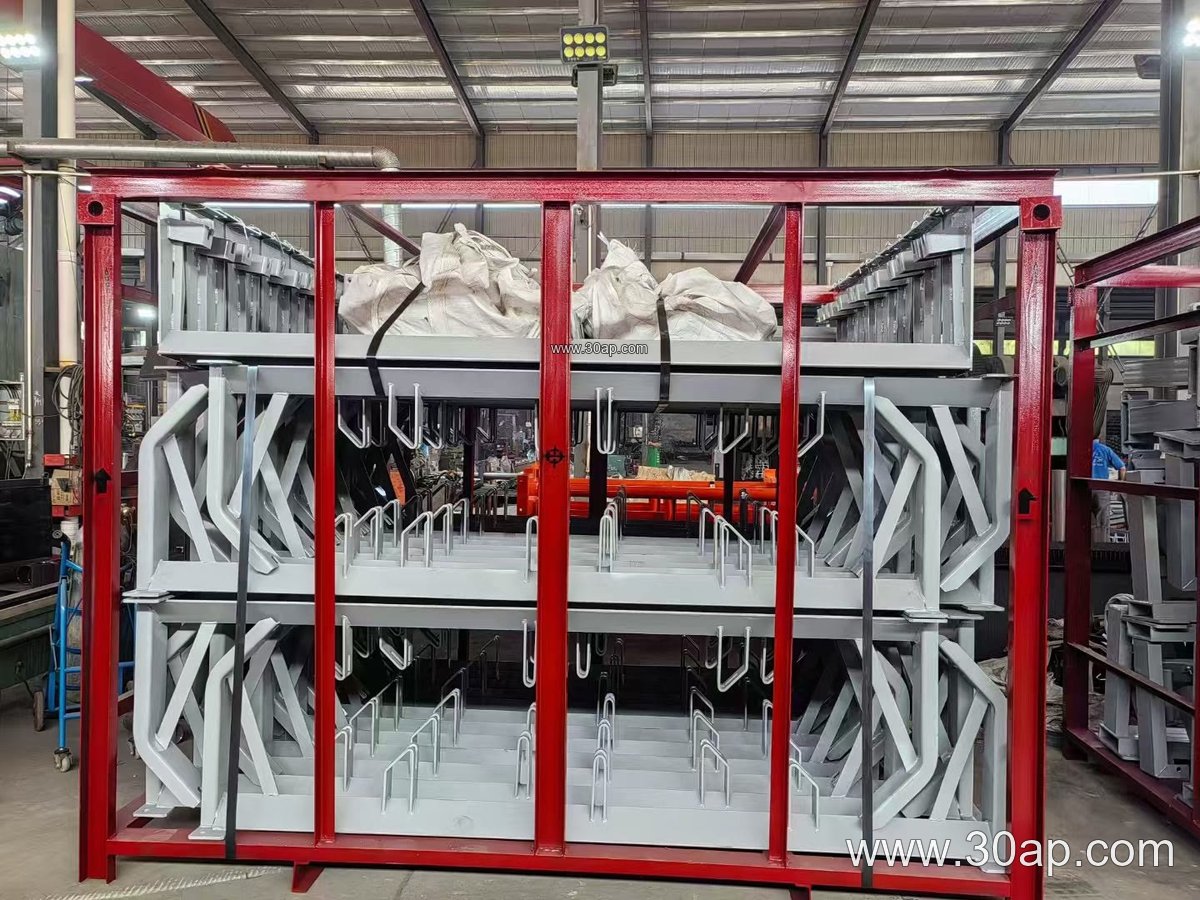
Idler brackets are not a single universal part. Common configurations include troughing brackets for the carrying side, transition brackets near pulleys, return brackets for the empty strand, V-return brackets, impact brackets under loading points, and self-aligning brackets for belt tracking. A troughing idler bracket at 35 degrees is common in many bulk material conveyor lines, while a 45-degree setup may be used where higher material capacity is needed. Adjustable brackets can be set between 20 and 45 degrees, and forward-tilted designs often use about 1.5 to 2 degrees to help with belt centering. These are design options, not fixed rules for every conveyor.
Matching Bracket, Roller, and Belt Width
Belt width and roller diameter influence bracket dimensions, but they do not lock a single combination in place. A B800 conveyor may use 30-degree or 35-degree troughing with a Ø108 roller, while a B1200 line might run 45-degree troughing with Ø133 rollers. Larger widths such as B1600 or B2000 usually need longer cross beams and heavier brackets, but the exact hole spacing and beam length are determined by the conveyor design. The table below shows reference combinations only; final selection should follow the conveyor manufacturer’s specification.
| Reference Belt Width | Typical Trough Angle | Common Roller Diameter | Bracket Note |
|---|---|---|---|
| B500 | 20–30 degrees | Ø89 | Light to medium duty |
| B650 | 30 degrees | Ø89–Ø108 | Adjustable versions available |
| B800 | 35 degrees | Ø108 | Common quarry and plant use |
| B1000 | 35–45 degrees | Ø108–Ø133 | Reinforced frame recommended |
| B1200 | 35–45 degrees | Ø133 | Check transition spacing |
| B1400 | 35–45 degrees | Ø133–Ø159 | Heavy-duty bracket family |
| B1600 | 35–45 degrees | Ø159 | Longer cross beam |
| B1800 | 35–45 degrees | Ø159–Ø194 | Mining and port applications |
| B2000 | 35–45 degrees | Ø194 | Engineered mounting required |
These values are indicative. A B650 bracket with a 30-degree angle and Ø89 roller is a common reference point, but it is not the only valid choice. Installation hole spacing and cross beam length change with belt width, trough angle, and frame design, so they should not be treated as universal constants.
Applications Across Industries
In a limestone quarry or crushing and screening plant, troughing idler brackets support the conveyor belt through dusty, abrasive conditions. In a coal washing plant or underground mining conveyor, flame retardant and anti-static belt grades are often paired with robust brackets that resist vibration and misalignment. Cement plants, power plant coal handling, and port ship loading systems all rely on correctly selected brackets to keep the belt centered and the rollers turning freely. The same bracket principle applies whether the belt is a fabric core conveyor belt, steel cord conveyor belt, or a special profile such as a chevron conveyor belt or corrugated sidewall conveyor belt.
Buyer Checklist
- Confirm the belt width, trough angle, and roller diameter required for each position.
- Decide between fixed and adjustable brackets based on whether the trough angle may change.
- Check material and section thickness for the expected load and environment.
- Verify mounting hole spacing and cross beam length against the conveyor frame.
- Consider transition, impact, and self-aligning positions separately from standard carrying brackets.
- Plan for maintenance access so worn idler rollers can be replaced without disturbing the bracket alignment.
For more information on compatible conveyor components, visit china-conveyorbelt.com or ztconveyor.com. A well-matched idler bracket helps extend roller life and keeps the conveyor belt running smoothly in demanding industrial environments.