What the Tail Pulley Does on a Conveyor
The conveyor tail pulley sits at the loading end of a belt conveyor, where the belt returns after discharging its load. Its main jobs are to support the belt, guide it back into the carrying run, and work with the take-up system to hold tension. Unlike the drive pulley, which transmits power, or a bend pulley, which only changes belt direction, the tail pulley is tied to belt tracking and tension control at the rear of the machine. In a quarry, a cement plant, or a coal handling line, a poorly aligned tail pulley quickly shows up as belt wander, edge wear, and spillage.
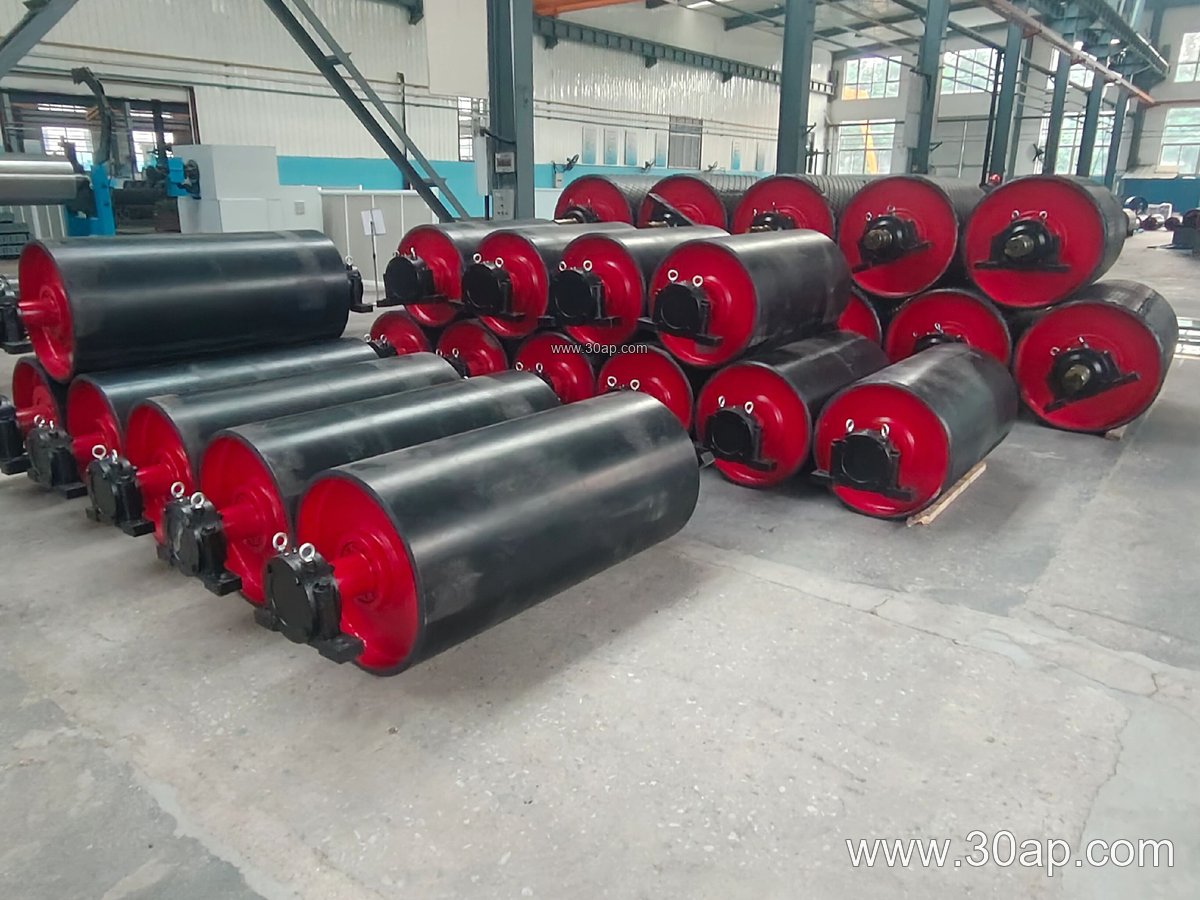
A tail pulley can be supplied as a plain drum, a winged pulley for sticky material, or a rubber-lagged drum for better grip and wear life. The right choice depends on the material, the belt type, and how much take-up travel the conveyor needs.
Construction and Surface Options
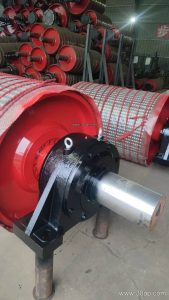
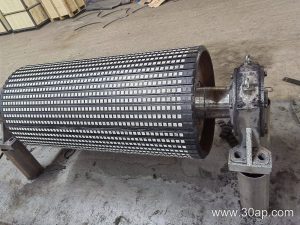
Most tail pulleys are welded steel drums with a shaft, bearing housings, and a lagging layer. The shaft is usually keyed or shrink-fitted to the end discs, and the drum shell is machined to keep runout low. Common shaft diameters include Ø80, Ø100, Ø120, Ø140, and Ø160, but shaft size is determined by torque and load rather than belt width alone.
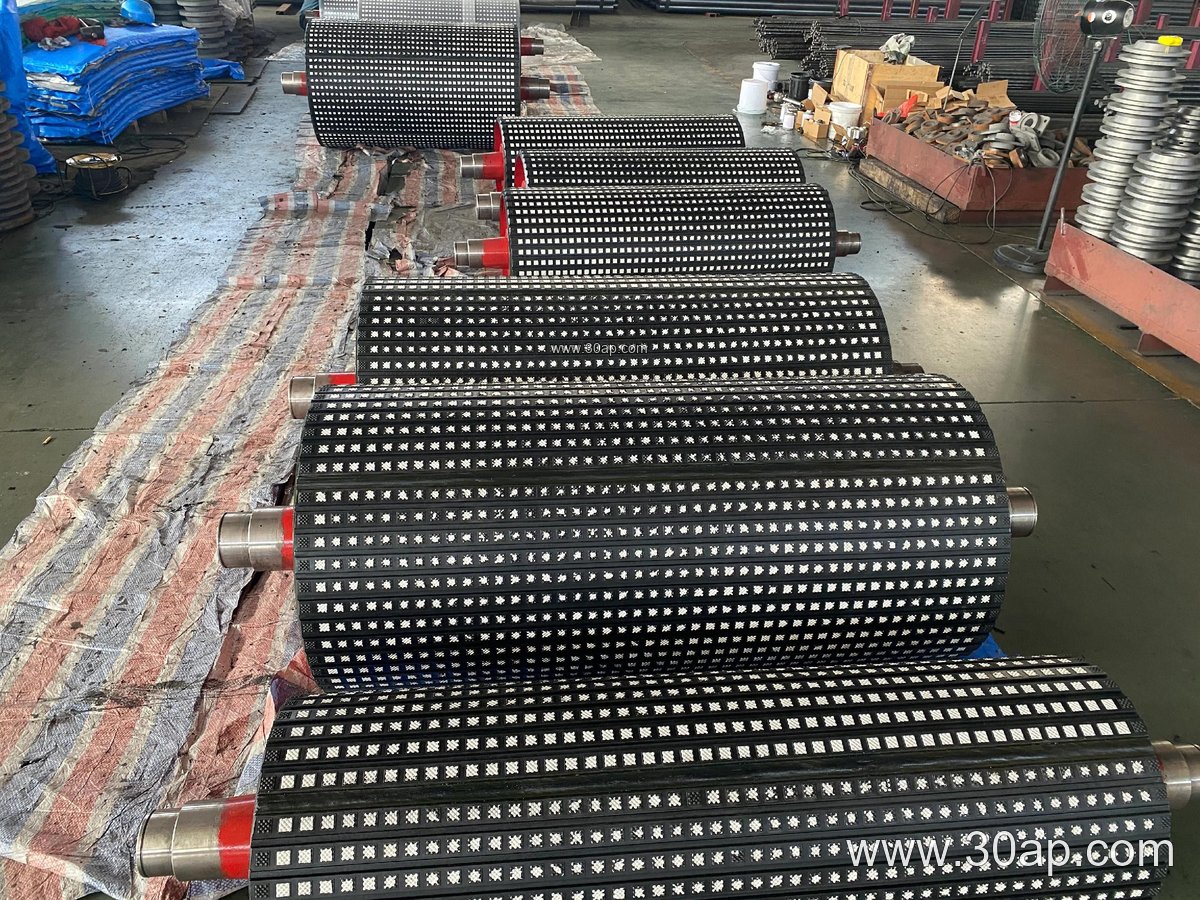
Surface finish matters. Plain steel is fine for light duty. Rubber lagging, applied by cold bonding or hot vulcanizing, improves friction and protects the shell. Diamond or herringbone patterns help shed water and fines. Ceramic lagging is used where abrasion is severe. Lagging thickness is often 8, 10, 12, 15, or 20 mm, selected according to belt speed and load.
Typical Tail Pulley Reference Data
| Belt width | Common pulley diameter | Typical face width |
|---|---|---|
| B500 | Ø250 – Ø400 | about 600 mm |
| B650 | Ø315 – Ø500 | about 750 mm |
| B800 | Ø400 – Ø630 | about 950 mm |
| B1000 | Ø500 – Ø800 | about 1150 mm |
| B1200 | Ø630 – Ø1000 | about 1400 mm |
| B1400 | Ø800 – Ø1000 | about 1600 mm |
| B1600 | Ø800 – Ø1250 | about 1800 mm |
These ranges are common practice, not fixed pairings. A B1200 conveyor may use a Ø800 tail pulley in one plant and a Ø1000 drum in another, depending on belt tension and take-up design.
Where It Fits in the Plant
In a sand and gravel line, the tail pulley often runs behind the loading hopper, exposed to dust and small stone. In a coal preparation plant, it may be part of a flame retardant conveyor belt system where tracking and lagging wear are constant concerns. In a cement plant, the tail drum on a clinker or limestone conveyor has to cope with heat and abrasive dust, so lagging choice and bearing protection get more attention.
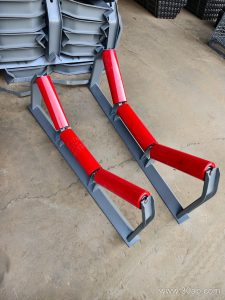
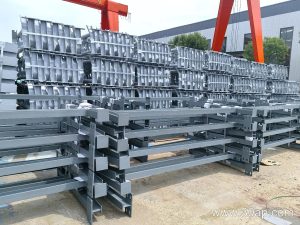
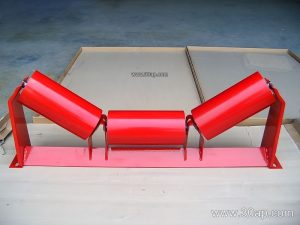
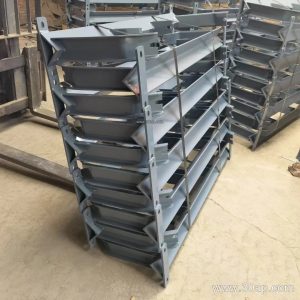
The pulley works together with the conveyor belt, idler roller sets, and conveyor bracket assemblies. Alignment of the tail drum relative to the first idler bank has a strong effect on belt training, especially on long overland conveyors using steel cord conveyor belt or high-strength fabric core constructions.
Buyer Checklist Before Ordering
- Confirm belt width, belt type, and expected tension so the drum diameter and shaft can be sized correctly.
- State the mounting position and take-up arrangement; a tail pulley on a screw take-up differs from one on a gravity take-up.
- Choose lagging based on material: plain for clean service, rubber for general grip, ceramic or grooved patterns for wet or abrasive conditions.
- Check bearing type, sealing, and lubrication access, particularly in dusty quarry or underground mining environments.
- Ask for machining tolerances, balancing class, and inspection records rather than assuming them.
On a typical aggregate conveyor or a power plant coal line, matching the tail pulley to the belt and the load profile prevents premature belt edge damage and keeps the return strand clean. For heavy-duty mining conveyor belt duties, a heavier shell and thicker lagging usually pay back through longer service life.