What an Idler Quotation Covers
An idler quotation is a supplier’s written offer for the rollers that support the conveyor belt along the carrying and return sides of a conveyor. It is more than a price line: a useful quotation identifies the idler type, roller diameter, shaft and bearing arrangement, roller length, surface form, and the quantity needed per station. Buyers in a quarry, a coal washing plant, or a cement plant often compare several quotations before placing an order, so the document should be specific enough to check against the conveyor drawing.
The idler roller itself is a simple assembly — a steel tube, a shaft, bearings, and a sealing system — but small differences in these parts affect service life. A quotation that lists only “idlers, 100 pieces” leaves too much open. Ask for the model, dimensions, and material details in writing so that offers from different suppliers can be compared fairly.
Reading the Main Line Items
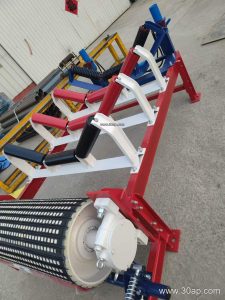
Most quotations group items by duty. Carrying idlers run under the loaded belt; return idlers support the empty side. Troughing sets with two or three rolls are common on the carrying side, while a single flat roll or a V-shaped return set is typical underneath. Transition idlers sit near the head and tail and help the belt change shape gradually. Impact idlers with rubber rings are used where material drops onto the belt.
A well-structured quotation usually shows the following information for each line:
- Idler type and roll arrangement (single, two-roll, three-roll troughing)
- Roller diameter, for example Ø89, Ø108, Ø133, or Ø159
- Belt width the set is intended for, such as B800, B1000, or B1200
- Trough angle, commonly 20, 30, 35, or 45 degrees
- Roller length and shaft end detail
- Bearing size, such as 6205, 6305, or 6308
- Roll surface: steel, nylon, ceramic, or rubber rings
These values are reference points, not fixed combinations. Roller length changes with belt width, trough angle, and the number of rolls in the set. A three-roll troughing set for B800 often uses rolls around 315 mm long, but side rolls and center rolls can differ, and the final figure should come from the conveyor design.
Why the Details Matter in Harsh Plants
In an iron ore or copper ore handling line, dust and fines work their way into bearings if the seal is weak. A quotation that names the bearing and describes the labyrinth or contact seal helps the buyer judge whether the idler will last. In a power plant coal yard, a fire resistant conveyor belt may run alongside the idlers, and the rollers should be specified to suit the same environment. The idler and the belt work as a pair: a heavy-duty mining conveyor belt needs rollers that can carry the load without excessive deflection.
Surface form also deserves attention. Steel rolls are the general choice; nylon rolls reduce weight and resist build-up in some sticky duties; ceramic lagging on rollers can help with traction in wet conditions. Rubber rings are used on impact idlers at transfer points. None of these is universally better — the right choice depends on the material and the station.
Checking Diameter, Width, and Bearing Together
Buyers sometimes try to pick a roller diameter from the belt width alone. That is not reliable. Diameter is chosen with shaft load, belt speed, and the space available in the conveyor bracket. A Ø102 roll and a Ø127 roll can both appear on machines of similar width. Likewise, one bearing size does not belong to one diameter; 6205 and 6305 bearings appear across several roller sizes depending on the load case.
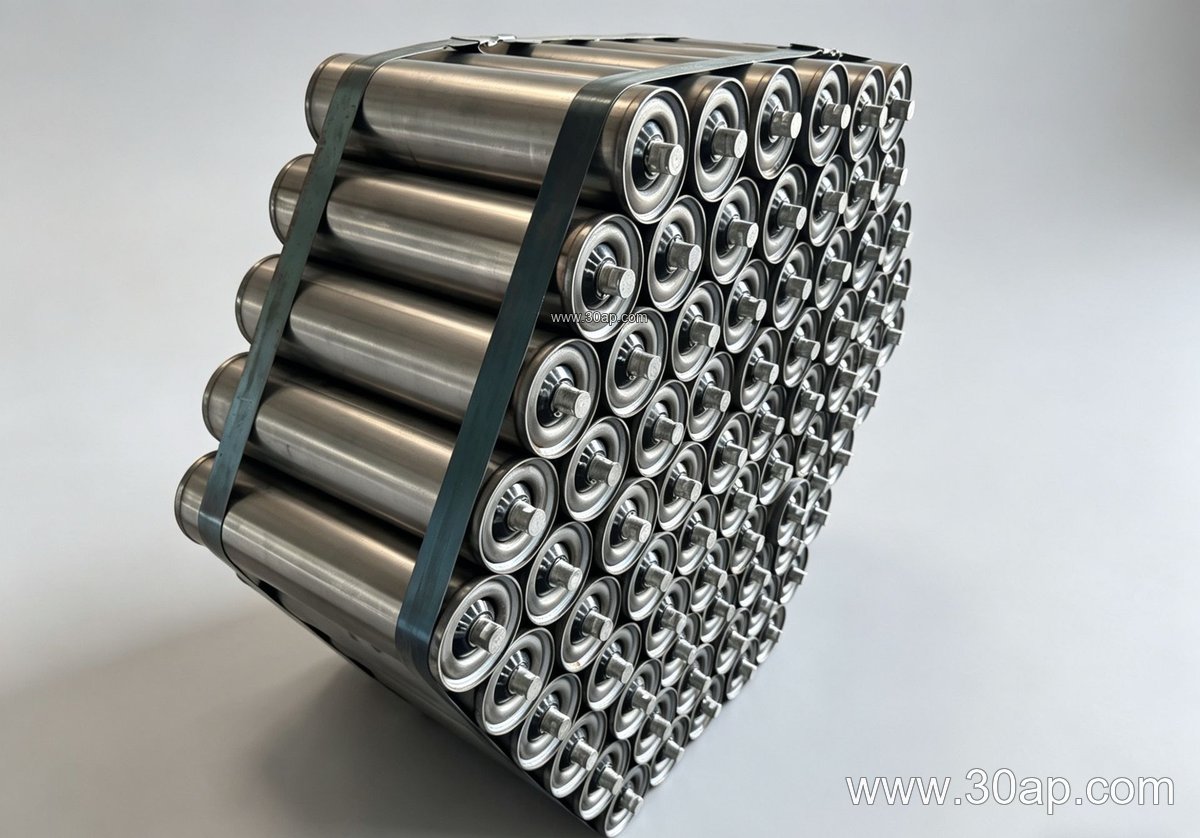
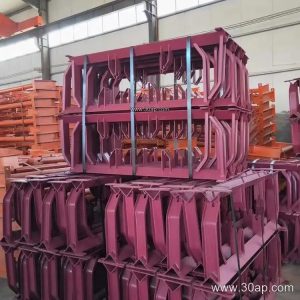
When reviewing an idler quotation, check that the shaft ends match the existing conveyor bracket, that the roller length clears the belt path at the chosen trough angle, and that the mounting dimensions allow the set to sit correctly. For a replacement order, the old roller drawing is the best reference.
Questions to Ask Before Ordering
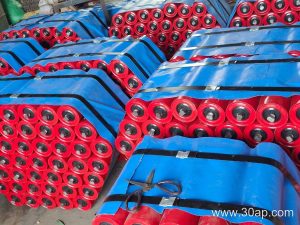
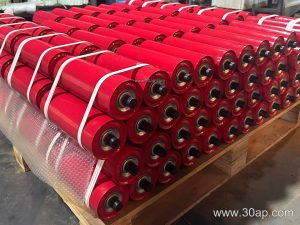
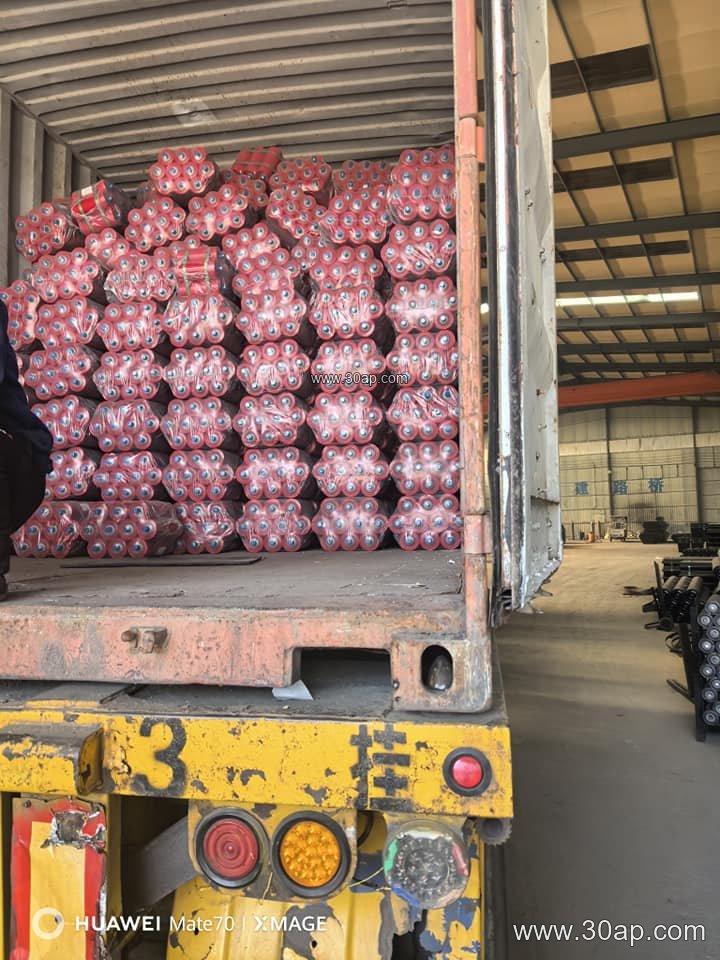
A practical quotation should answer a few questions. Are the rolls balanced for the intended belt speed? Is the seal suitable for wet washing or dusty crushing? Are the idlers supplied as complete sets with brackets, or as loose rolls? What is the packing method, and how are the rolls protected during transport? For a port or ship loading conveyor, corrosion protection may matter as much as load capacity.
It also helps to state the application clearly in the inquiry: a sand and gravel line, a limestone quarry, a fertilizer plant, or a tunnel spoil system each puts different demands on the idler roller. A supplier who knows the duty can propose a sensible specification instead of a generic one.
Finally, keep the quotation and the approved drawing together. When the next replacement order comes, the same reference saves time and reduces the risk of fitting the wrong roller. A clear, detailed idler quotation is a small document with a long working life.