What Is a Fire Resistant Conveyor Belt
A fire resistant conveyor belt is a specialized conveyor belt designed to resist ignition and limit flame propagation, making it suitable for environments where sparks, hot materials, or flammable dust are present. Often referred to as a flame retardant conveyor belt, this product is critical in industries such as mining, coal handling, power generation, and cement manufacturing. Unlike standard rubber belts, fire resistant belts incorporate additives and cover compounds that meet strict safety standards without compromising mechanical performance. When sourced from a reputable fire resistant conveyor belt supplier, these belts help protect personnel and equipment from fire hazards.
Construction and Materials
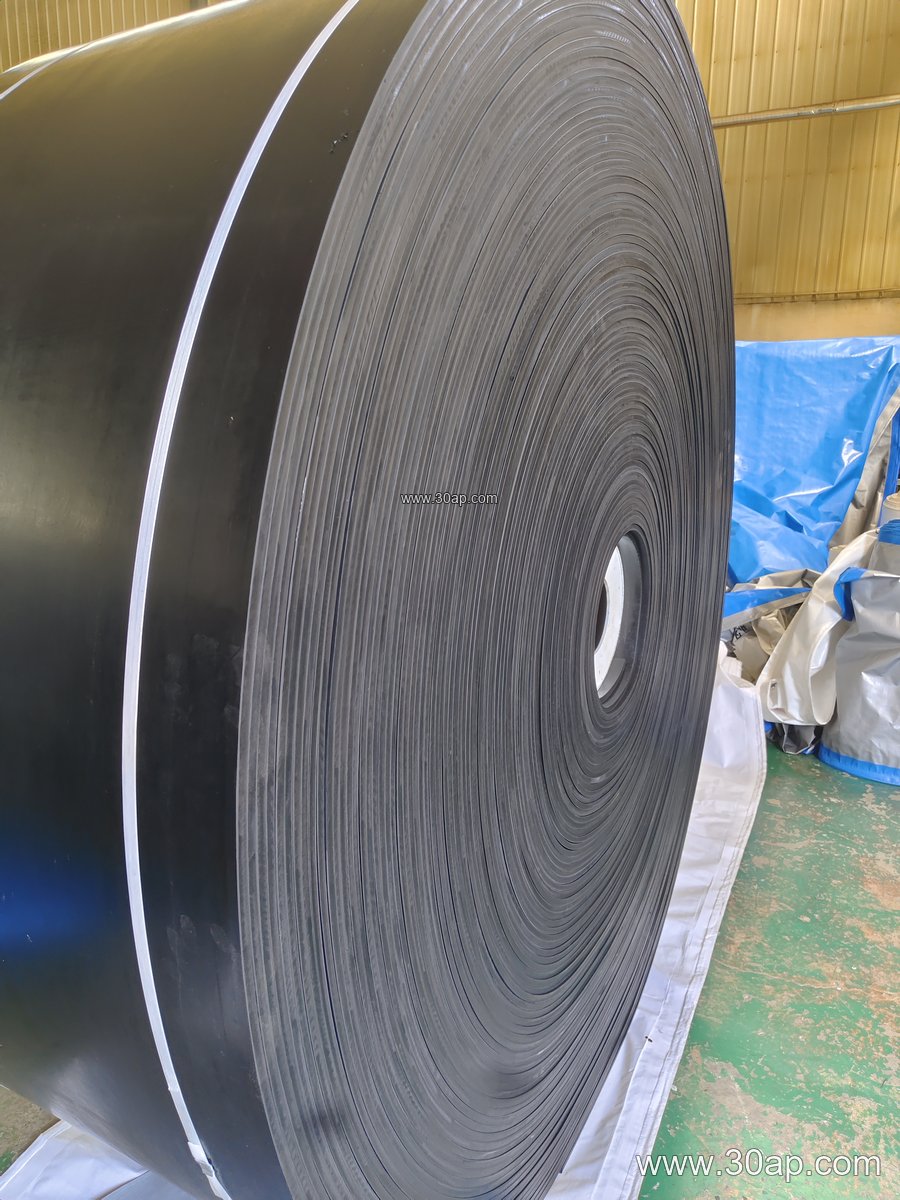
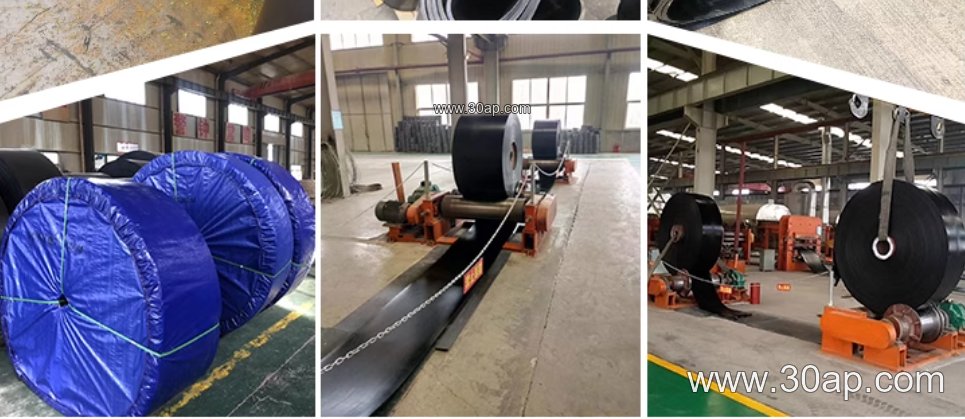
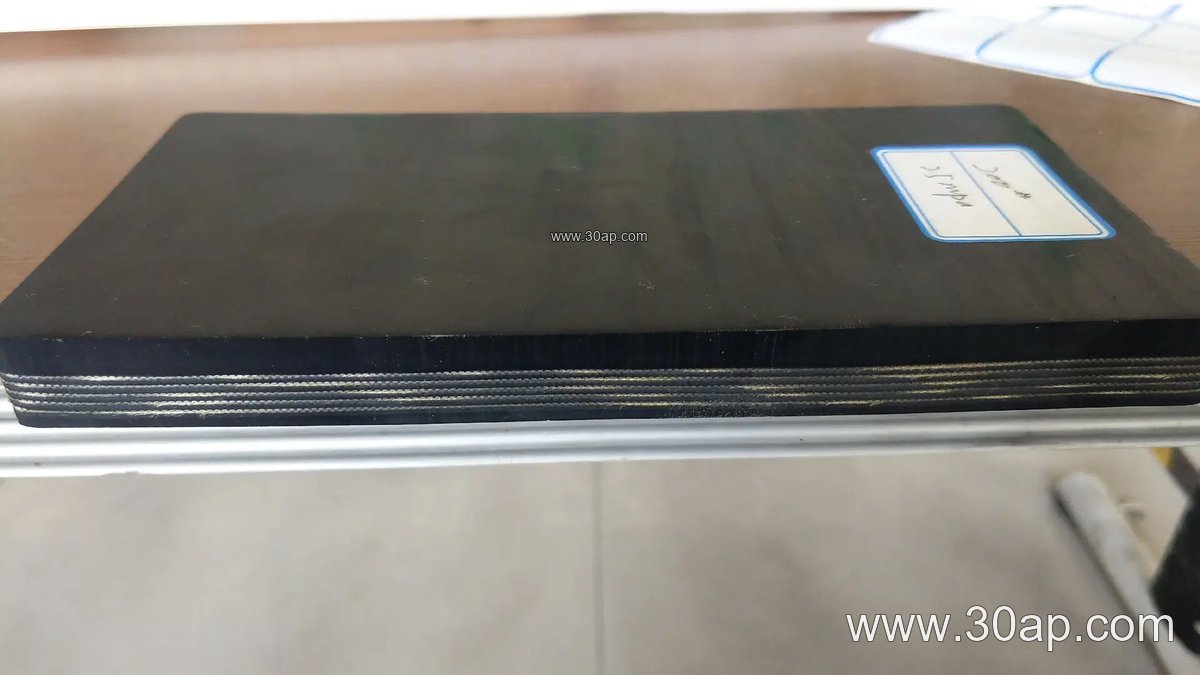
Fire resistant conveyor belts are typically built with a fabric core (such as EP or NN) or steel cord reinforcement, combined with cover compounds that include fire-suppressing agents. The rubber covers are formulated to resist flames and may also offer anti-static properties to prevent spark generation. Common constructions include multi-ply fabric cores with 2 to 6 layers, and cover thicknesses like 4+2 mm, 5+2 mm, or 6+2 mm. The belt edges can be protected with additional rubber for durability. For underground coal mining, PVG conveyor belts (polyvinyl chloride) are often used for their fire resistance and anti-static characteristics.
Key Applications
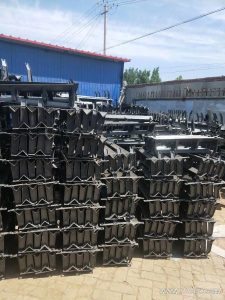
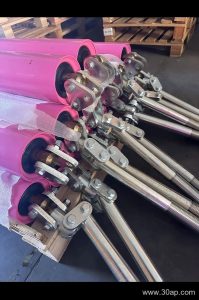
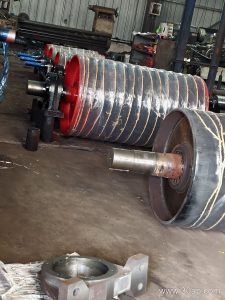
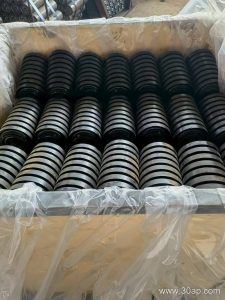
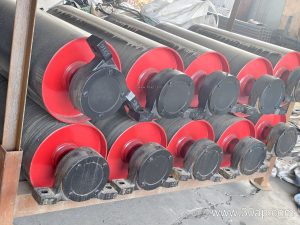
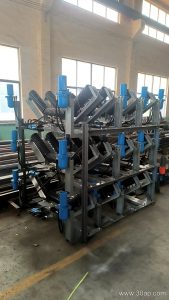
Fire resistant conveyor belts are indispensable in coal mines, power plants, cement kilns, and steel mills where hot materials or combustible dust are present. They are also used in grain handling, recycling facilities, and any bulk material conveyor system that requires flame retardant properties. In mining, these belts work alongside idler rollers, conveyor pulleys, and conveyor brackets to ensure smooth and safe material transport. Whether in a quarry conveyor belt system or an underground coal mining conveyor belt, fire resistance is a non-negotiable safety feature.
Specifications and Types
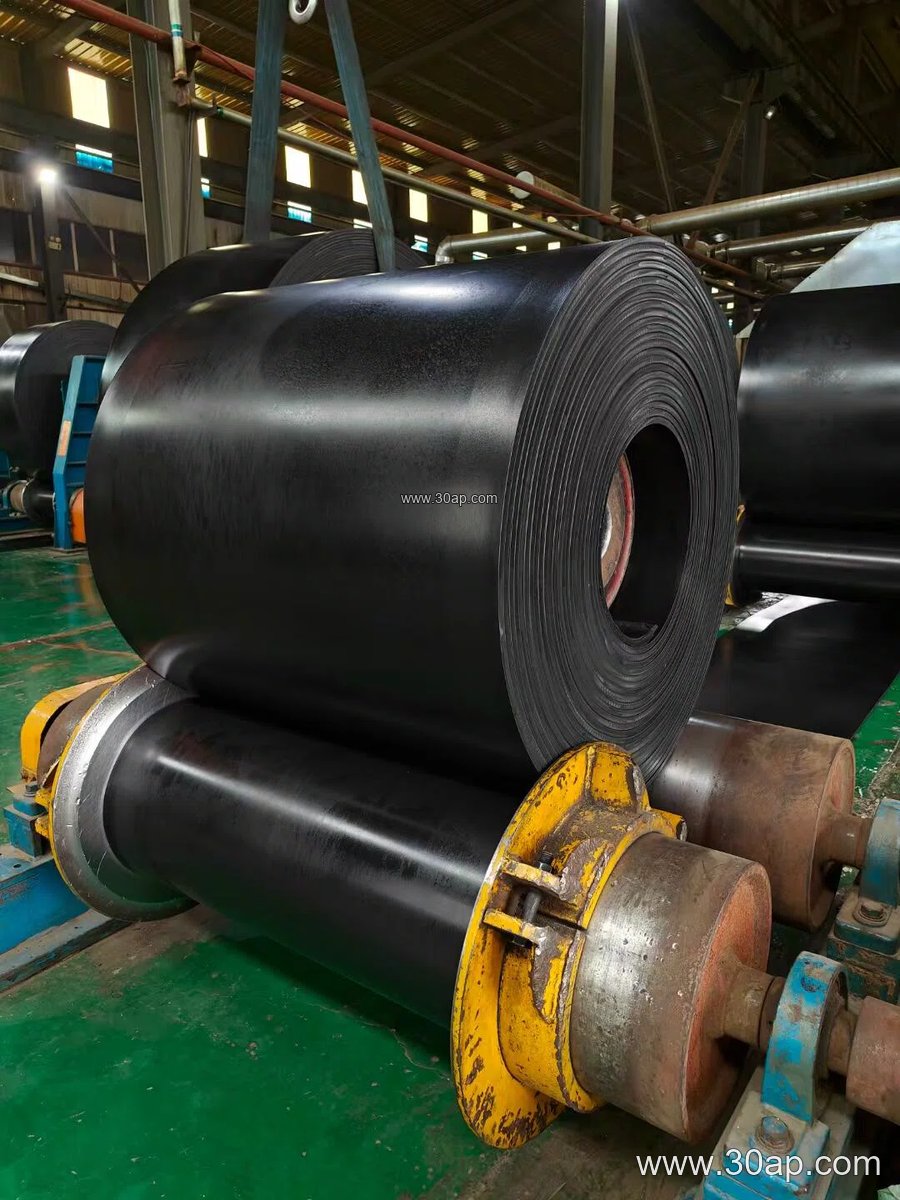
Fire resistant belts are available in various strengths and sizes to match application needs. Common fabric core types include EP200, EP315, EP400, EP500, EP630, EP800, EP1000, EP1250, EP1600, and EP2000. Belt widths typically range from 500 mm to 2000 mm, with wider belts available for high-capacity systems. Cover rubber grades may combine fire resistance with abrasion resistance, heat resistance, or oil resistance. Below is a reference table of typical parameters; actual values depend on design and manufacturer.
| Parameter | Common Options |
|---|---|
| Belt Type | EP, NN, Steel Cord, PVG |
| Strength (N/mm) | EP200 to EP2000 |
| Width (mm) | 500, 650, 800, 1000, 1200, 1400, 1600, 1800, 2000 |
| Cover Thickness (mm) | 3+1.5, 4+2, 5+2, 6+2, 8+3 |
| Number of Plies | 2 to 6 |
Note that these are typical ranges; specific applications may require custom sizes. For instance, a 1200mm wide conveyor belt with EP1000 rating might be used in a coal handling plant, while a 2000mm wide belt could serve a high-volume port facility.
Selection and Maintenance Tips
When choosing a fire resistant conveyor belt, consider the operating environment: temperature, material being conveyed, and risk of fire. Ensure the belt meets relevant safety standards for flame resistance and anti-static properties. Regular inspection of the belt, idler rollers, and conveyor pulleys helps prevent friction heating and extends belt life. Proper tension and alignment reduce wear and tear. For high-abrasion applications, a combination of fire resistance and abrasion resistance may be necessary. Always consult with the manufacturer for specific recommendations.
Related Products
Fire resistant belts are part of a broader family of conveyor belts, including rubber conveyor belt, EP conveyor belt, steel cord conveyor belt, and specialty belts like heat resistant, oil resistant, and cold resistant variants. Each type addresses specific challenges, but fire resistance remains paramount in hazardous environments.