What a PVG Conveyor Belt Is
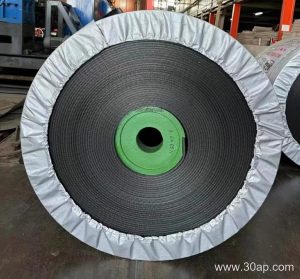
A PVG conveyor belt is a solid-woven fabric belt with polyvinyl chloride covers. The carcass is a single-ply, tightly woven fabric that is impregnated and coated with PVC, so the belt behaves as one integrated sheet rather than a stack of separate plies. This construction is why the product is often called a PVC/PVG solid woven belt, and the two names describe the same article. In practice, PVG refers to the grade with covers formulated for tougher duty, while the general family is widely known as a PVC conveyor belt.
Because the carcass and covers bond into a monolithic body, the belt resists delamination, water ingress and edge fraying better than many laminated builds. It is also naturally flame retardant and anti-static when produced for underground service, which is why it appears so often in coal mining conveyor systems.
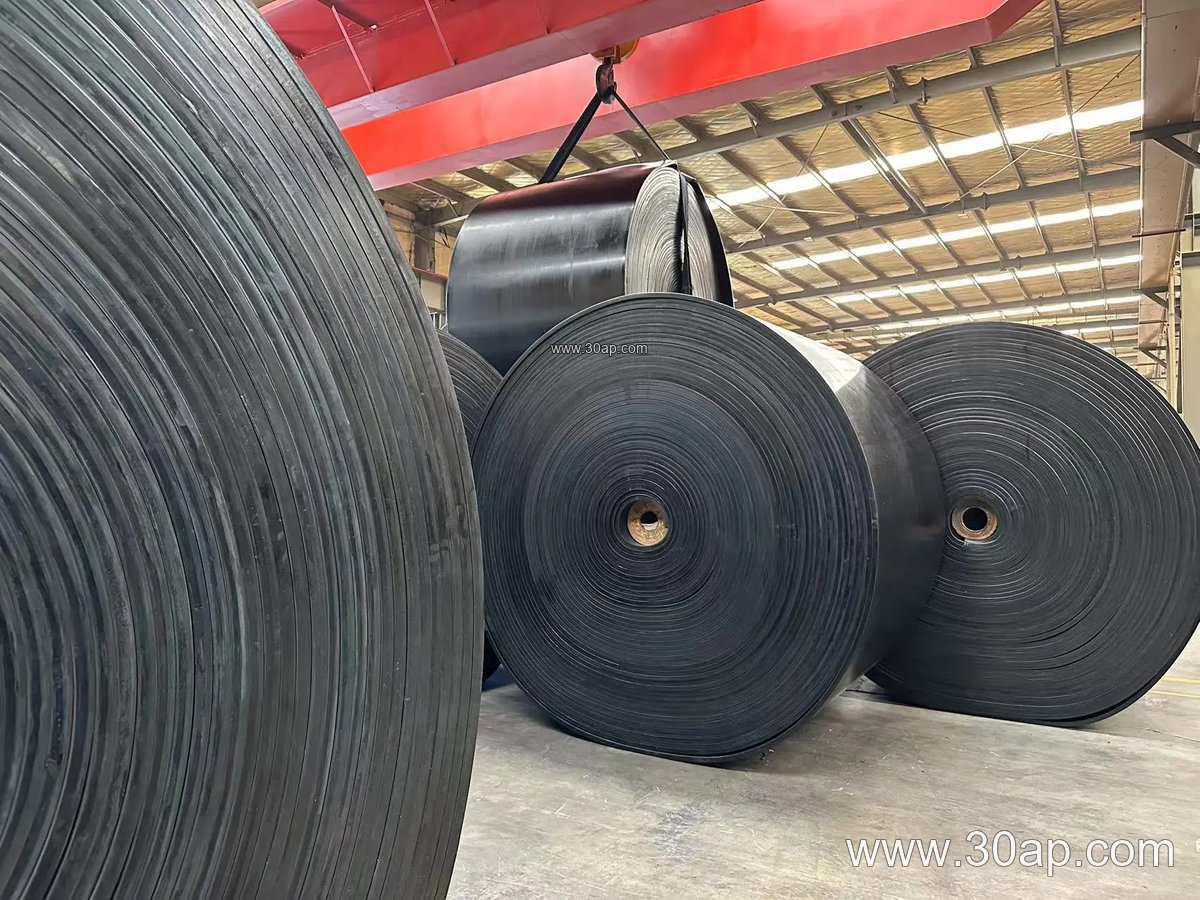
How the Belt Is Built
The manufacturing route starts with weaving heavy multi-filament yarn into a single fabric layer. The fabric passes through an impregnation bath, then covers are applied to both faces and the whole assembly is cured under heat and pressure. Typical cover thicknesses for this family are 3+1.5 mm, 4+2 mm and 5+2 mm, with heavier 6+2 mm or 8+3 mm builds available for abrasive duty. The result is a relatively thin, flexible belt with high tensile strength per unit thickness.
Common strength designations include PVG800, PVG1000, PVG1250 and PVG1600, and the PVG800S variant is frequently specified where a particular cover or safety grade is required. Widths usually follow standard pulley face ranges such as 650 mm, 800 mm, 1000 mm, 1200 mm, 1400 mm and 1600 mm; wider or narrower belts are made to order. These figures are reference values only, and actual supply should be confirmed against the conveyor design.
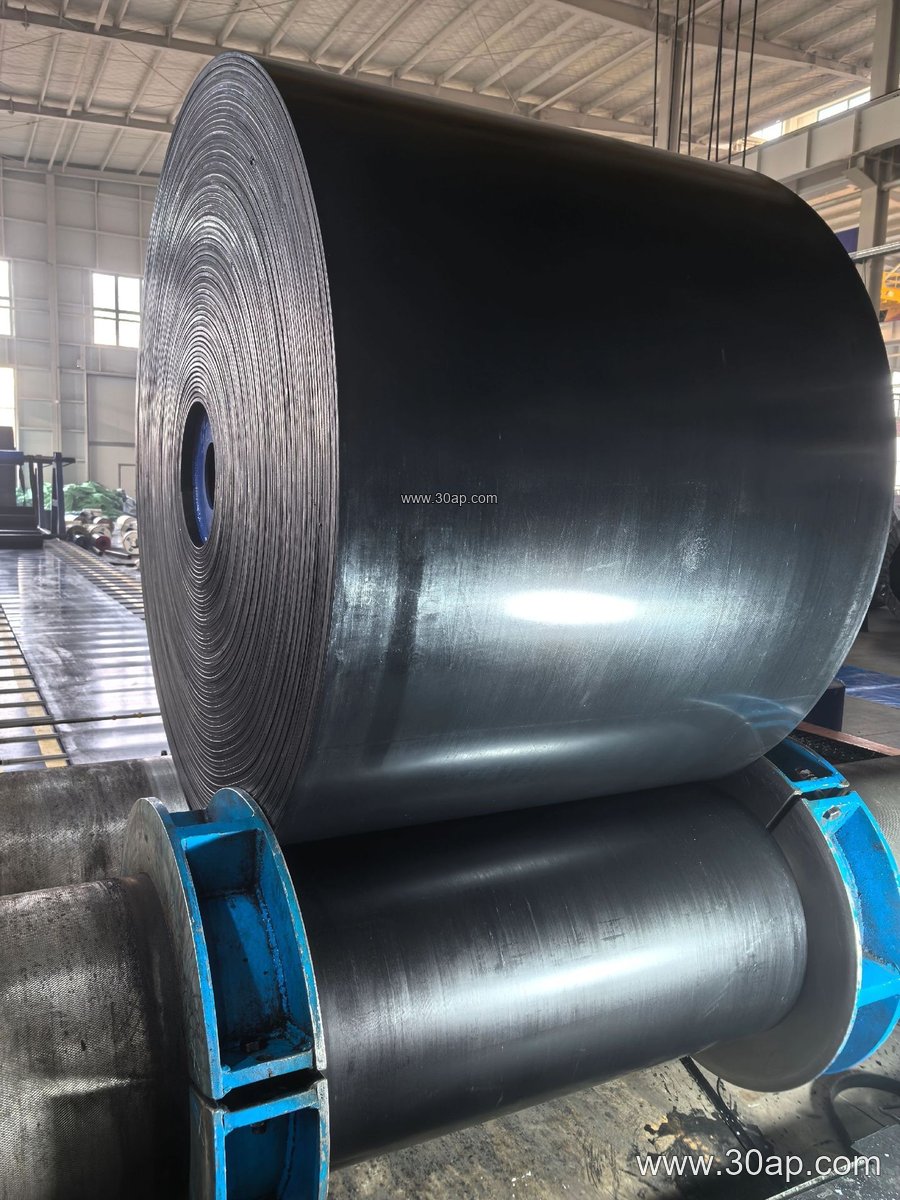
Where It Fits in the Plant
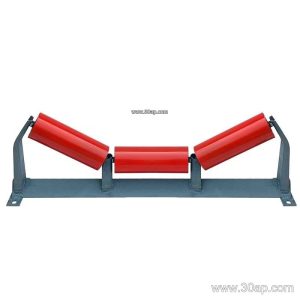
Underground coal mining is the classic home of this belt, where flame retardant and anti-static properties are mandatory. The same construction is used in preparation plants, cement works, power station coal yards, quarries and sand and gravel operations. It handles crushed rock, ore, aggregate and other bulk material on troughed idlers, and it tolerates reasonably sharp loading points when the cover grade is chosen correctly.
Above ground, a PVG belt competes with multi-ply fabric constructions. An EP conveyor belt or NN conveyor belt usually offers higher tensile strength per ply and is common on long overland runs, while a steel cord conveyor belt is reserved for very high tension and long center distances. For medium-duty yard conveyors, a rubber conveyor belt with fabric carcass may be preferred where cut and gouge resistance matters more than flame safety. The PVG belt wins where a thin, light, fire-safe body is the priority.
Specification Points Buyers Should Check
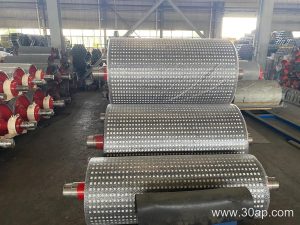
Selection starts with the duty: material, lump size, throughput, incline and the number and arrangement of conveyor pulleys. Drive pulleys, tail pulleys and bend pulleys each load the belt differently, and the belt tension calculation should follow the actual layout rather than a rule of thumb. Belt width must be matched to the loading conditions and the pulley face, not assumed from a single number.
- Grade and strength – confirm the required tensile class such as PVG800 or PVG1000 against the calculated maximum tension.
- Cover thickness – thicker covers last longer under impact and abrasion but add weight and reduce flexibility.
- Safety properties – flame retardant and anti-static performance should be stated for underground work.
- Splice method – solid woven belts are usually joined with finger splices, vulcanized or mechanical, and the splice strength affects the whole system.
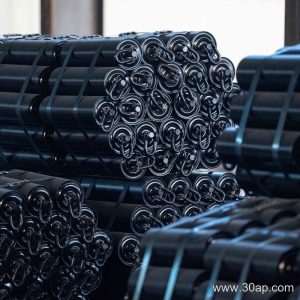
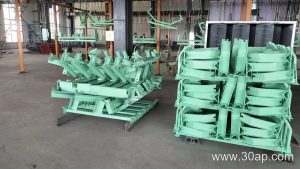
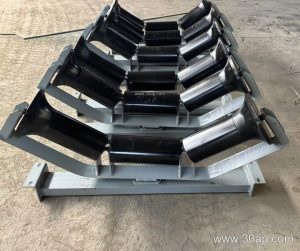
- Accessories – idler roller spacing, conveyor bracket geometry and pulley lagging all influence belt life.
Installation and Care
Alignment is critical. A belt that runs off-center will wear its edges quickly, and no cover compound compensates for a skewed frame or a misaligned conveyor pulley. Keep loading centered, maintain the idlers, and check the belt at the discharge and tail areas where trapped material can damage covers. Store spare rolls indoors, away from sunlight and ozone sources, and avoid sharp folds.
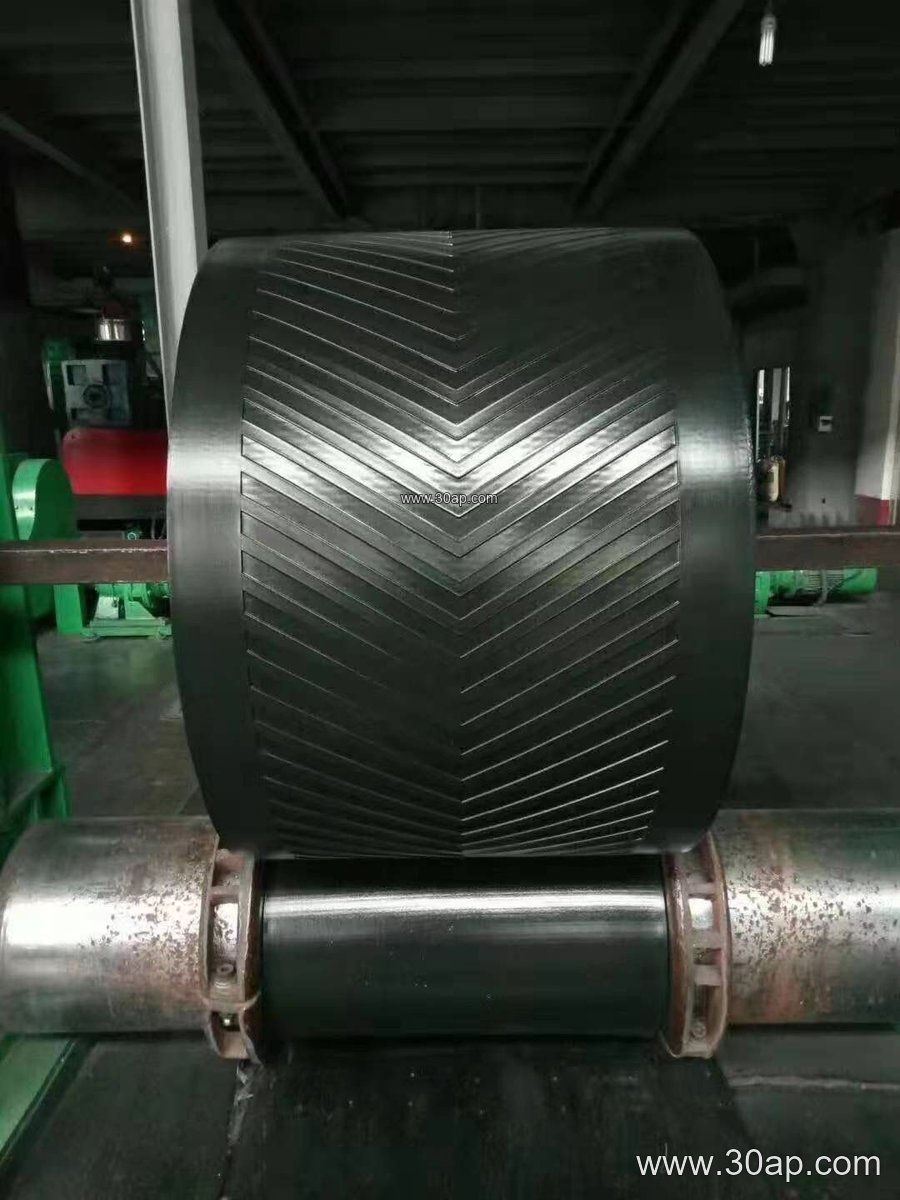
For harsh duty, buyers may also consider a chevron conveyor belt for inclines or a corrugated sidewall belt for steep, space-limited routes, but these are different products and should not be substituted for a flat PVG belt without a full redesign. Where heat, oil or cold dominates, a heat resistant conveyor belt, oil resistant conveyor belt or cold resistant conveyor belt grade may be the better fit. Matching the belt to the real operating environment remains the most reliable way to control cost per ton conveyed.