What a Conveyor Belt Support Frame Does
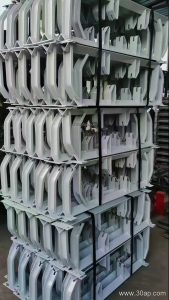
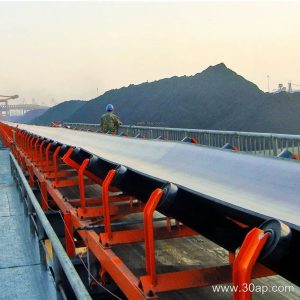
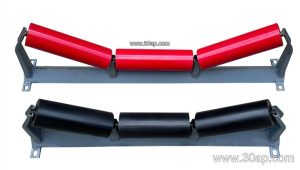
A conveyor belt support frame is the steel structure that carries the idlers under and over the belt line. It is not the pulley, not the roller, and not the belt itself, but without it the whole run loses its shape. In a quarry, a cement plant, or a power plant coal yard, the frame keeps the belt in a stable trough, holds the return strand off the ground, and transfers load into the stringer or the floor. Buyers often call it a conveyor bracket or a support stand, but the job is the same: locate the idlers at the right height, the right angle, and the right spacing so the belt tracks cleanly.
How the Frame Is Built
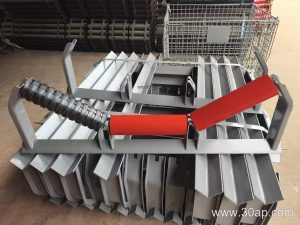
Most frames are fabricated from angle steel, channel steel, or folded steel plate, then drilled or punched for idler mounting. A troughing frame carries three idlers in a 20, 30, 35, or 45 degree trough. A return frame holds a single flat roller or a V-shaped return set. Transition frames sit near the head and tail to ease the belt from flat to troughed, while impact frames go under the loading point with cushion rollers. A self-aligning frame adds a small forward tilt, usually about 1.5 to 2 degrees, to help the belt stay centered.
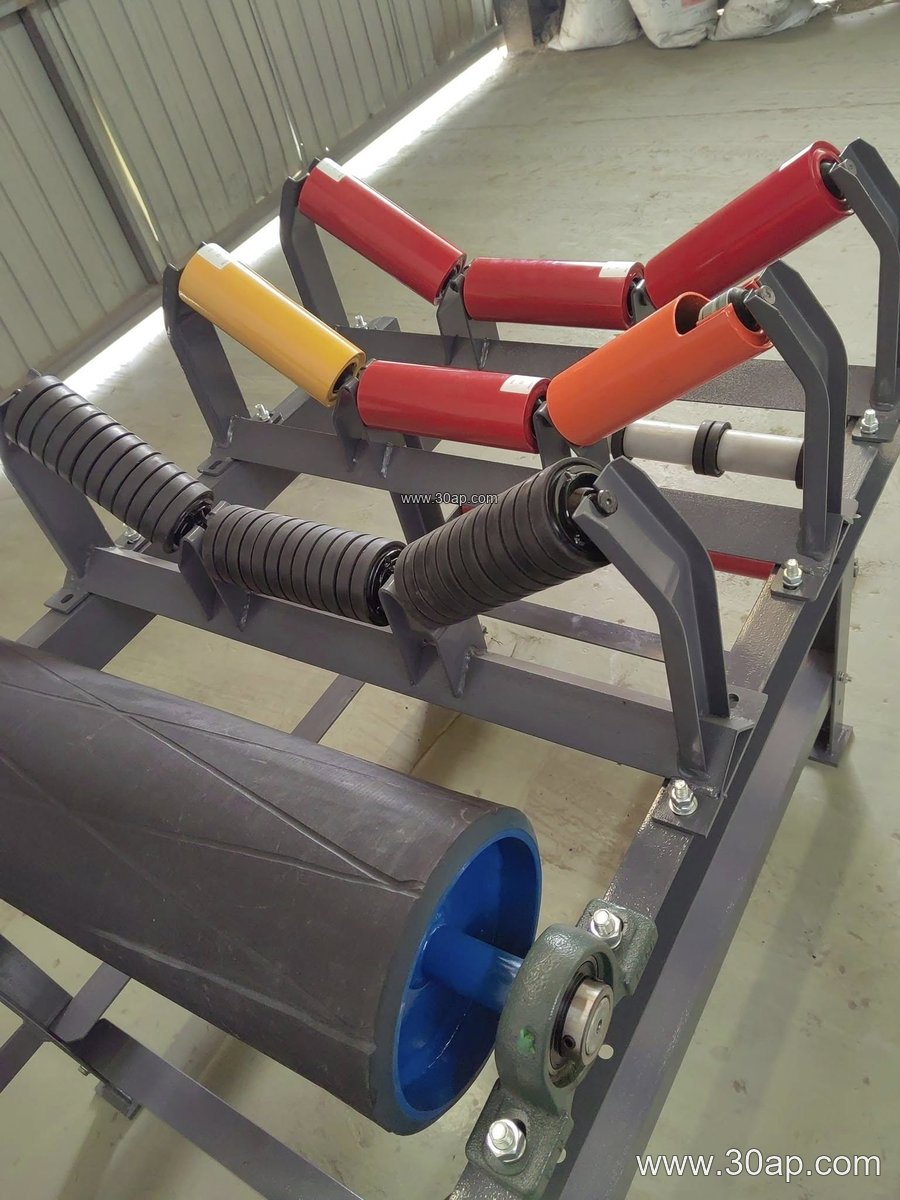
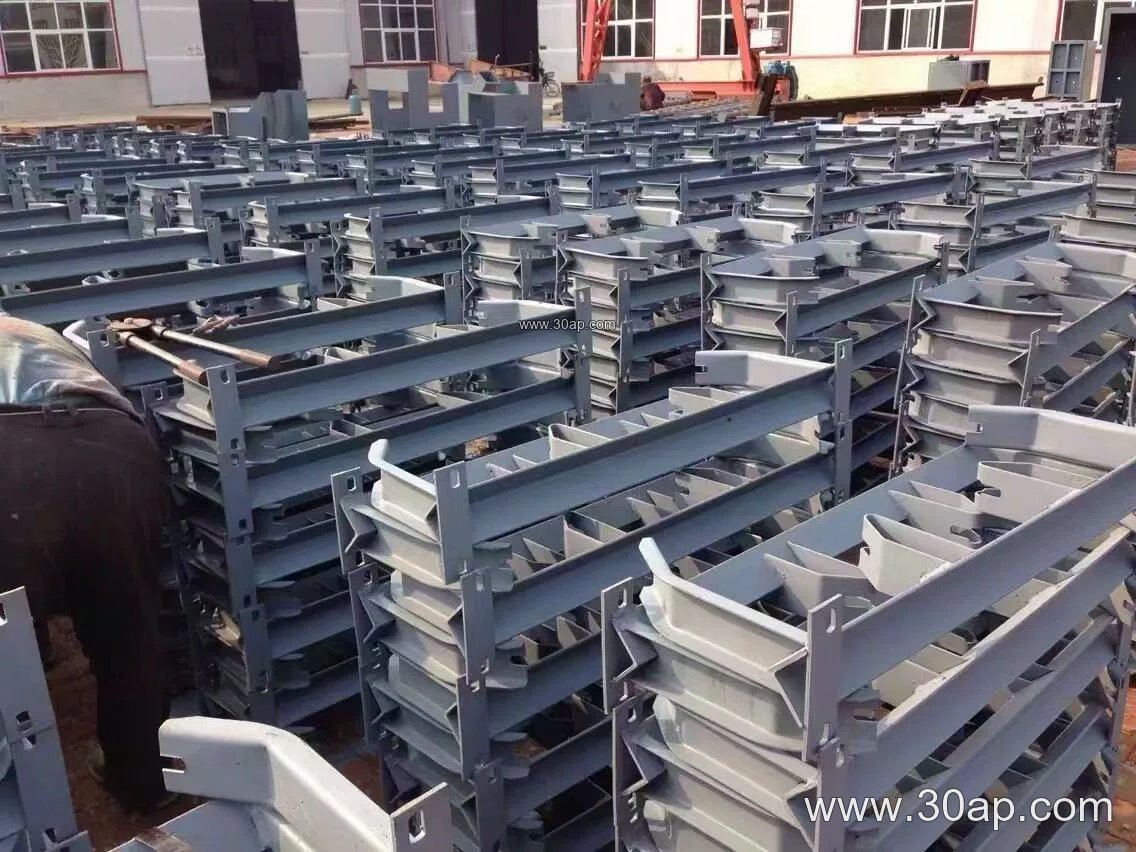
Common Frame Types at a Glance
- Troughing and upper trough frames for the carrying side
- Transition frames near pulleys
- Return and V-return frames for the lower strand
- Impact frames under chutes and hoppers
- Self-aligning and forward-tilt frames for tracking
- Hanging frames for confined structures
- Adjustable frames that can change trough angle on site
Matching Frame to Belt Width and Roller Diameter
Frame length, mounting hole spacing, and beam height change with belt width, trough angle, and roller diameter, so they are set by design rather than by a single fixed number. Typical combinations seen in the field include B800 with a 35 degree trough and Ø108 rollers, or B1200 with a 45 degree trough and Ø133 rollers. Smaller lines such as B650 may run a 30 degree trough with Ø89 rollers. The table below lists common reference points only; confirm actual dimensions with the frame drawing.
| Reference Item | Common Range |
|---|---|
| Belt width | B500, B650, B800, B1000, B1200, B1400, B1600, B1800, B2000, B2200 |
| Trough angle | 20°, 30°, 35°, 45° |
| Roller diameter | Ø89, Ø108, Ø133, Ø159, Ø194 |
| Forward tilt | about 1.5° to 2° |
| Material | angle steel, channel steel, folded plate |
One belt width does not lock you to one trough angle or one roller size. The frame and the belt work as a system: a wider, heavier belt such as a Steel Cord Conveyor Belt or a heavy-duty Mining Conveyor Belt usually needs a stiffer frame and larger rollers, while a lighter Fabric Core Conveyor Belt on a short run may use a simpler stand.
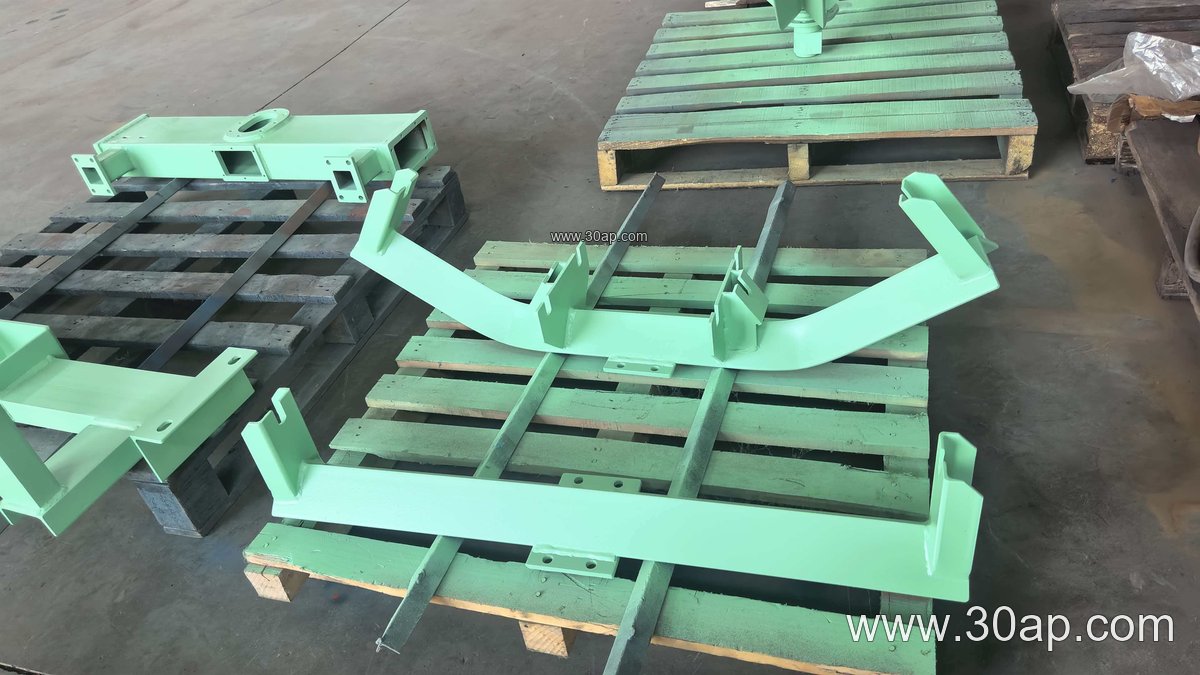
Where These Frames Are Used
You will find support frames in almost any bulk handling line. In a limestone quarry or a crushing and screening plant, trough frames carry run-of-mine rock after the primary crusher, often paired with an Abrasion Resistant Conveyor Belt. In a coal washing plant or a power plant coal yard, flame retardant and anti-static belts run on frames built for dusty, enclosed galleries. Cement plants use them on clinker and raw meal lines, and ports use them on ship loading and stockyard conveyors. The frame is also common in steel plants, fertilizer plants, and grain silos.
Buyer Checklist Before Ordering
- Confirm belt width and the trough angle you actually want to run.
- Match roller diameter to the load and belt stiffness, not to habit alone.
- Ask for mounting hole spacing and beam length on the drawing, since these follow width and angle.
- Choose adjustable frames if the trough angle may change, fixed frames for stable duty.
- Check that impact frames sit exactly under the loading point.
- Confirm surface treatment for wet, corrosive, or outdoor sites.
- Keep spare brackets and bolts for wear points near transition and tail areas.
A well-chosen Conveyor Belt Support Frame keeps the idler roller square to the belt, reduces edge damage, and makes tracking adjustment simpler. Whether the line moves iron ore, clinker, or grain, the frame is the quiet part that decides how long the belt and rollers last. For matching components, see the conveyor belt, idler roller, and conveyor pulley ranges at ccs-conveyorbelt.com before finalizing the frame layout.