What a 650mm Conveyor Belt Is
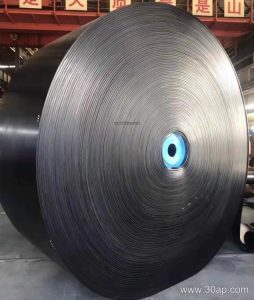
A 650mm conveyor belt is a belt with a nominal width of 650 millimeters, commonly written as B650. It sits in the middle of the light-to-medium width range, wider than a 500mm or 600mm belt but narrower than an 800mm or 1000mm unit. In plants where a main line runs an 800mm or 1000mm belt, a 650mm belt often handles secondary streams, screen undersize, transfer points, and short feeders.
The width is only one part of the specification. Buyers should also state carcass type, strength grade, cover thickness, and any special surface form. On this site you can compare a 650mm conveyor belt with other widths and constructions at www.beltsonline.com/650mm-conveyor-belt before requesting a quotation.
Construction and Common Builds
Most 650mm belts are fabric-core constructions. EP conveyor belt (polyester warp, nylon weft) and NN conveyor belt (nylon warp and weft) are the usual choices for general bulk handling. A multi-ply fabric core conveyor belt with two to four plies is common at this width, and a single-ply or two-ply belt may suit lighter duties. Steel cord conveyor belt is rarely used at 650mm because the high tension ratings it offers are normally needed on wider, long-distance lines.
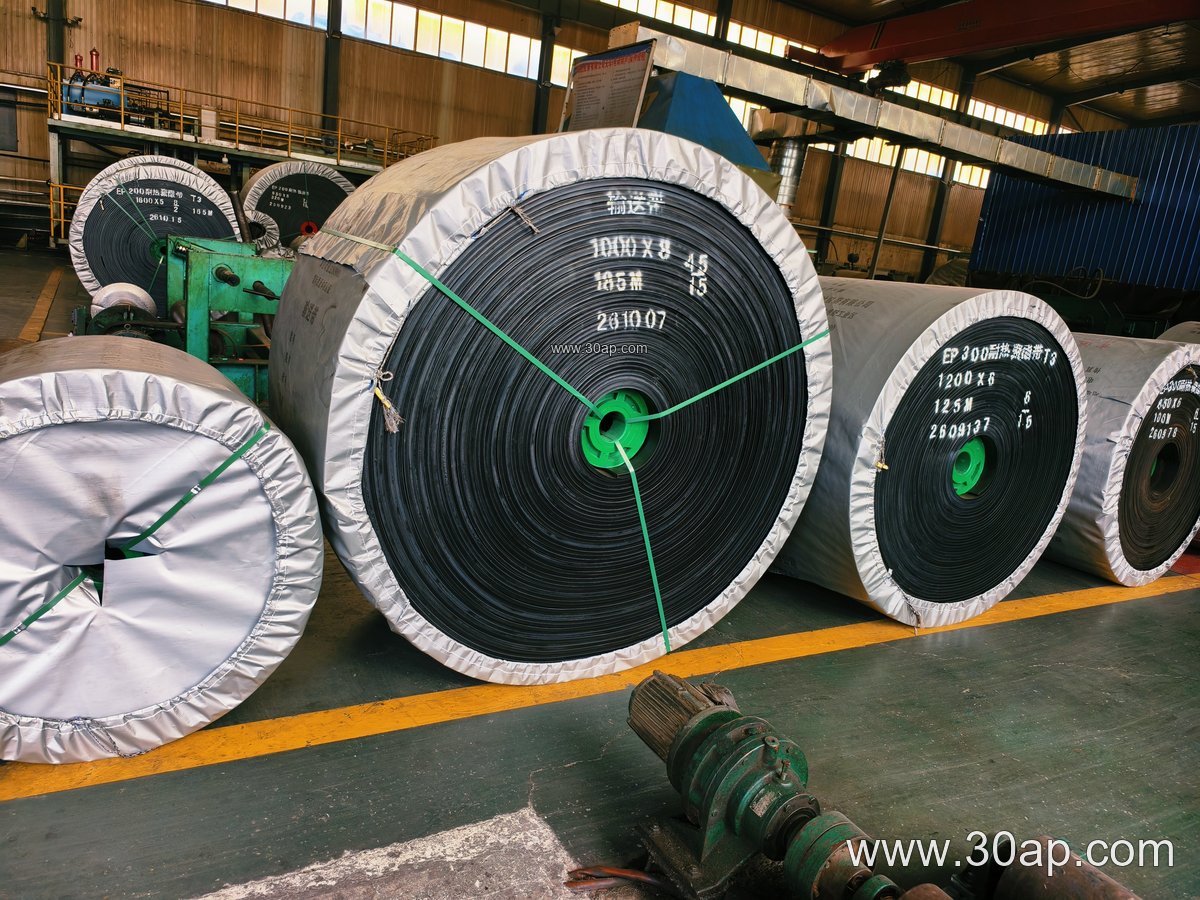
Cover compounds are selected by the material carried. Abrasion resistant conveyor belt is standard for crushed stone and sand, heat resistant conveyor belt for clinker and sinter, oil resistant conveyor belt for recycled oil-bearing scrap, and flame retardant conveyor belt or fire resistant conveyor belt for coal handling. Anti-static conveyor belt is often requested together with flame retardant grades in underground mining conveyor belt service.
| Item | Common Range for 650mm Belts |
|---|---|
| Belt width | B650 (650 mm) |
| Carcass type | EP, NN, multi-ply fabric core |
| Strength grade | EP200, EP315, EP400, EP500, EP630 |
| Number of plies | 2 to 4 (sometimes 5) |
| Top / bottom cover | 3+1.5, 4+2, 5+2 mm |
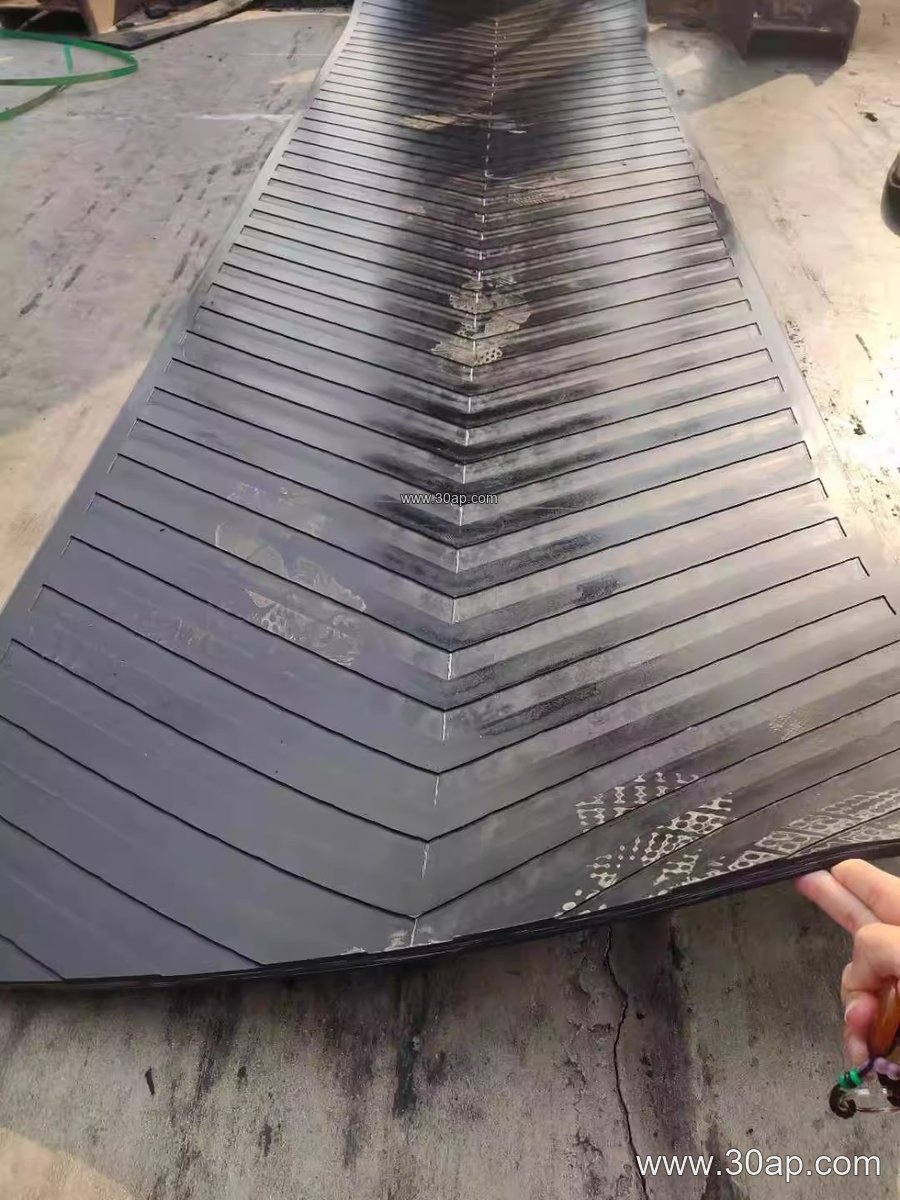
| Surface form | Plain, chevron, skirted, corrugated sidewall |
These figures are typical references only; actual constructions vary by manufacturer and by design requirement.
Where It Fits in a Plant
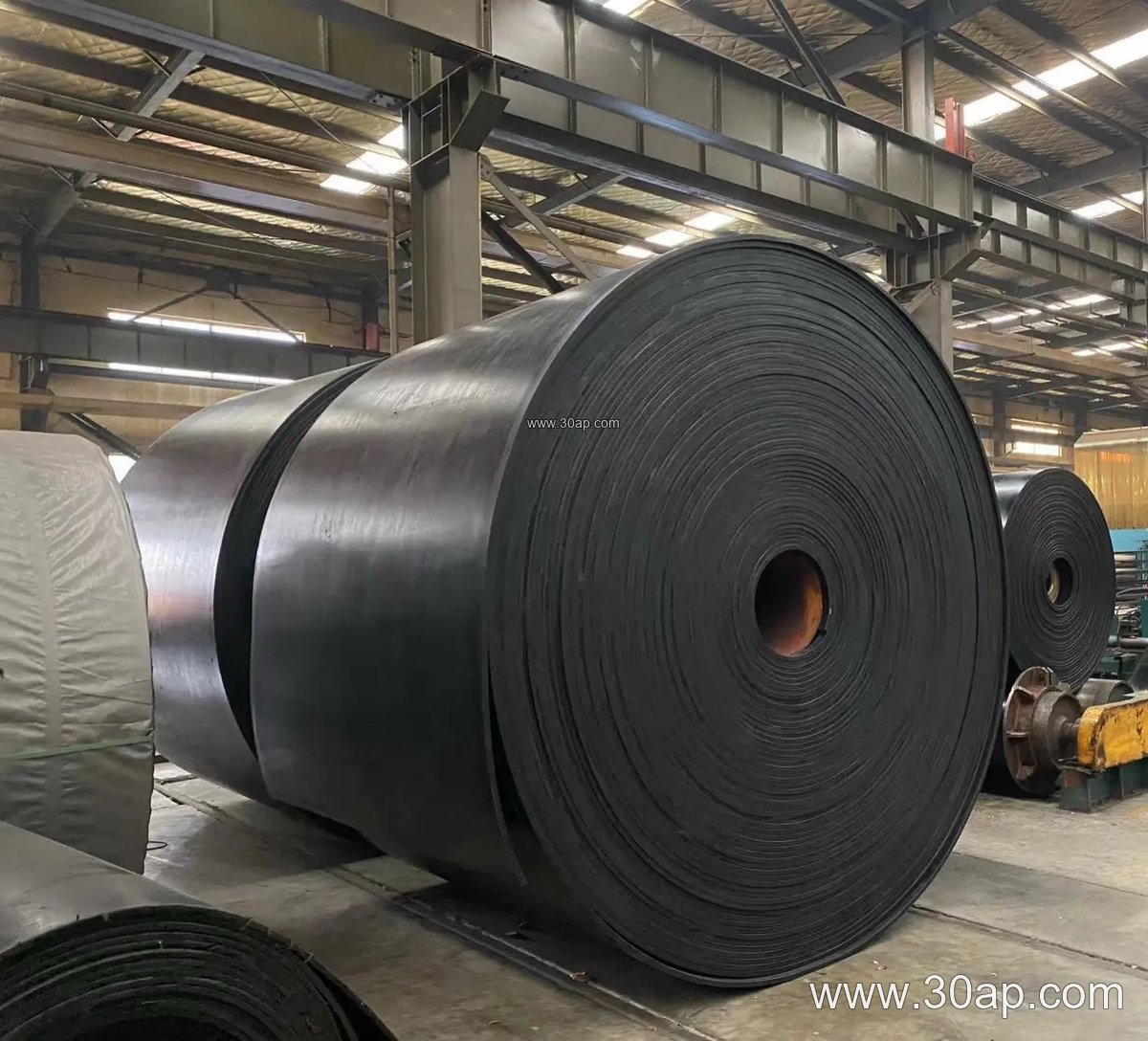
At 650mm, the belt is a good match for moderate tonnage. Typical duties include:
- Mine and quarry lines feeding a crusher or a screening station
- Coal mining conveyor belt routes in drifts and gate roads
- Cement plant transfers for limestone, gypsum, and clinker
- Power plant coal and ash handling
- Sand and gravel plants, concrete batching, and recycling lines
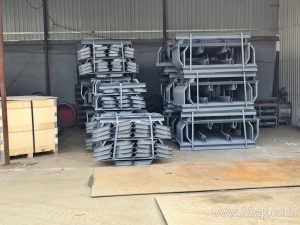
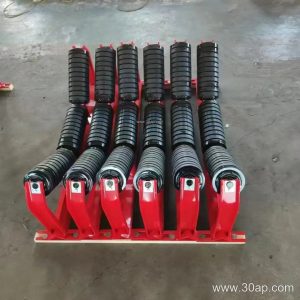
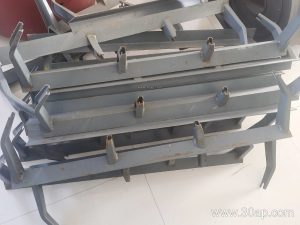
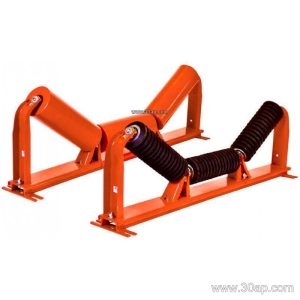
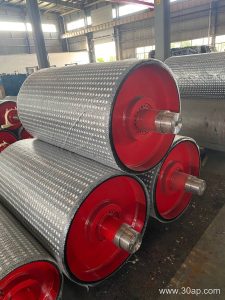
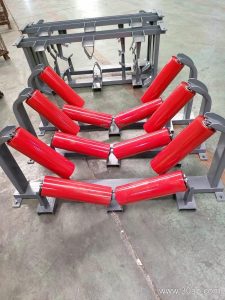
In these circuits the belt works with conveyor pulley assemblies, idler roller sets, and conveyor bracket frames sized to the same 650mm belt line. Drive pulley, tail pulley, and bend pulley each perform a distinct function, and none of them should be treated as a substitute for another. A chevron conveyor belt may be chosen on an incline, while a corrugated sidewall belt or skirted belt helps contain material at steep transfer points. A pipe conveyor belt is a different design and is not a replacement for an open 650mm belt.
Selection Notes for Buyers
Before ordering, collect the following information: material type and lump size, capacity in tons per hour, conveyor length and incline, trough angle, pulley diameters, and ambient conditions. Belt tension depends on the layout, not on width alone, so a 650mm belt can be paired with different pulley diameters depending on the drive design. Do not assume a fixed shaft size from the belt width.
For cold climates, cold resistant conveyor belt grades help prevent cracking. For fertilizer, acid, or chemical exposure, an acid resistant or chemical resistant belt may be required. Food grade conveyor belt is used where contact with food is possible. Impact resistant and high abrasion resistant grades are worth considering below a crusher discharge.
Finally, confirm splice type (mechanical or vulcanized), edge condition, and whether an endless conveyor belt is needed for a specific machine. Our conveyor idler and pulley team at www.beltsonline.com/conveyor-pulley can help match the belt to the frame and rollers, and www.beltsonline.com/conveyor-idler-roller covers the supporting components. Matching a 650mm belt to the right pulleys and idlers reduces edge damage and extends service life.
Maintenance Basics
Check belt tracking weekly, inspect the top cover for cuts and gouges, and confirm that idler rollers turn freely. Worn rollers and misaligned brackets are common causes of edge wear on narrow and medium-width belts. Keep the tail pulley clean so material does not build up under the belt, and re-tension or re-splice when the belt shows signs of slippage. A well-tracked 650mm belt usually delivers a long, predictable service interval.