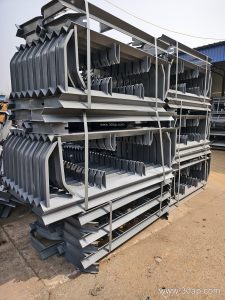
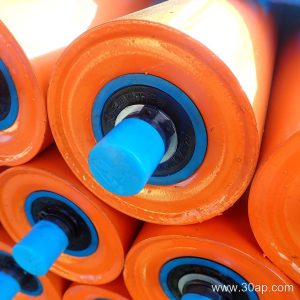
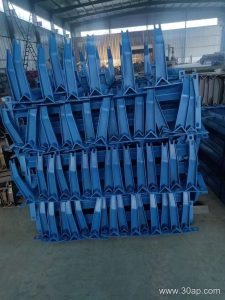
What a Non-Standard Conveyor Bracket Is
A non-standard conveyor bracket is a support component made to fit a conveyor structure that does not follow standard dimensions or standard mounting patterns. Instead of forcing a standard bracket onto an existing frame, the non-standard bracket is built to match the actual belt width, trough angle, roller diameter, and installation position. In plants where conveyors are modified, extended, or mixed with older equipment, this kind of custom bracket often becomes the practical solution. It is still a conveyor bracket in function, but its geometry and hole positions are project-specific.
Buyers often meet this item when a new conveyor belt must run on an existing frame, or when an idler roller set needs a different mounting height. The bracket may look simple, yet it carries the roller frame and keeps the belt profile stable. For that reason, a non-standard design should be treated as an engineered part, not as a random piece of folded steel.
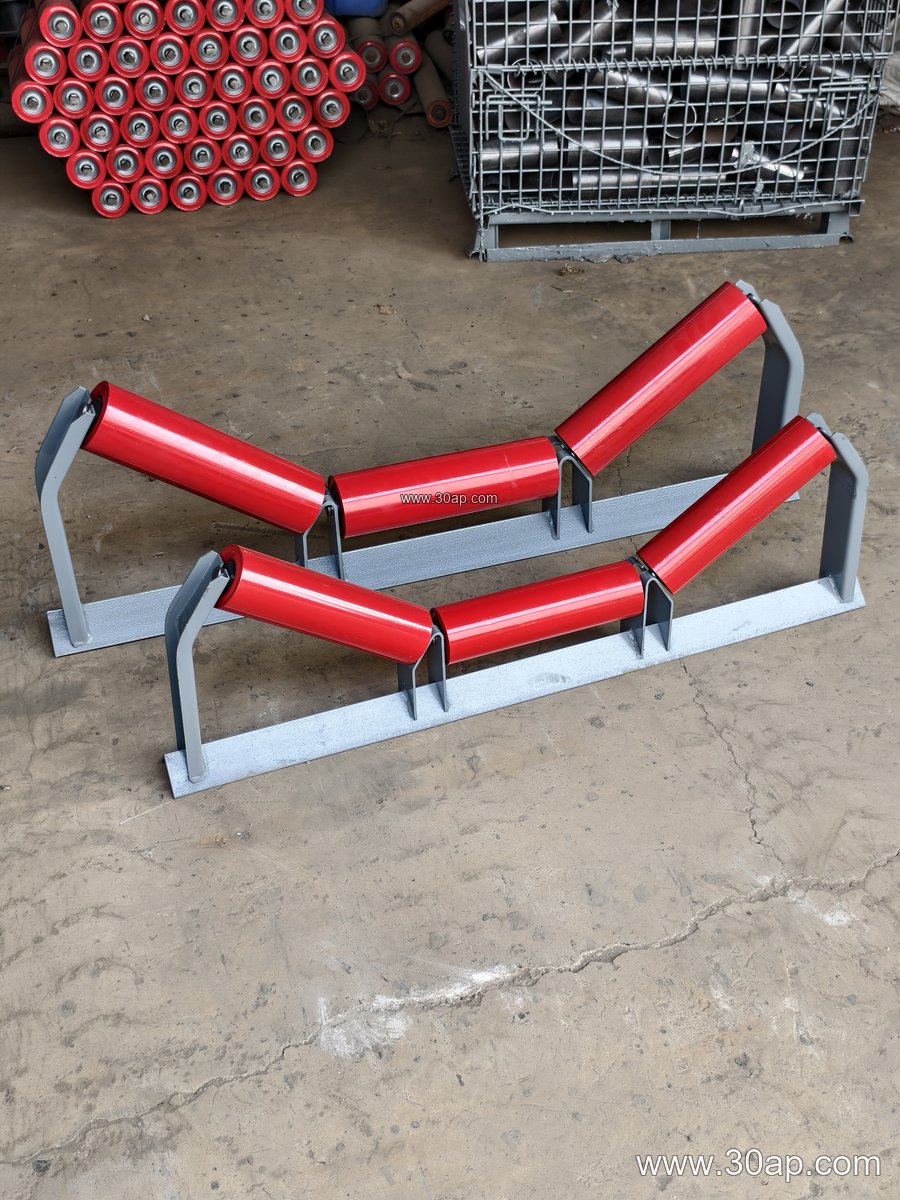
How It Is Built and Where It Fits
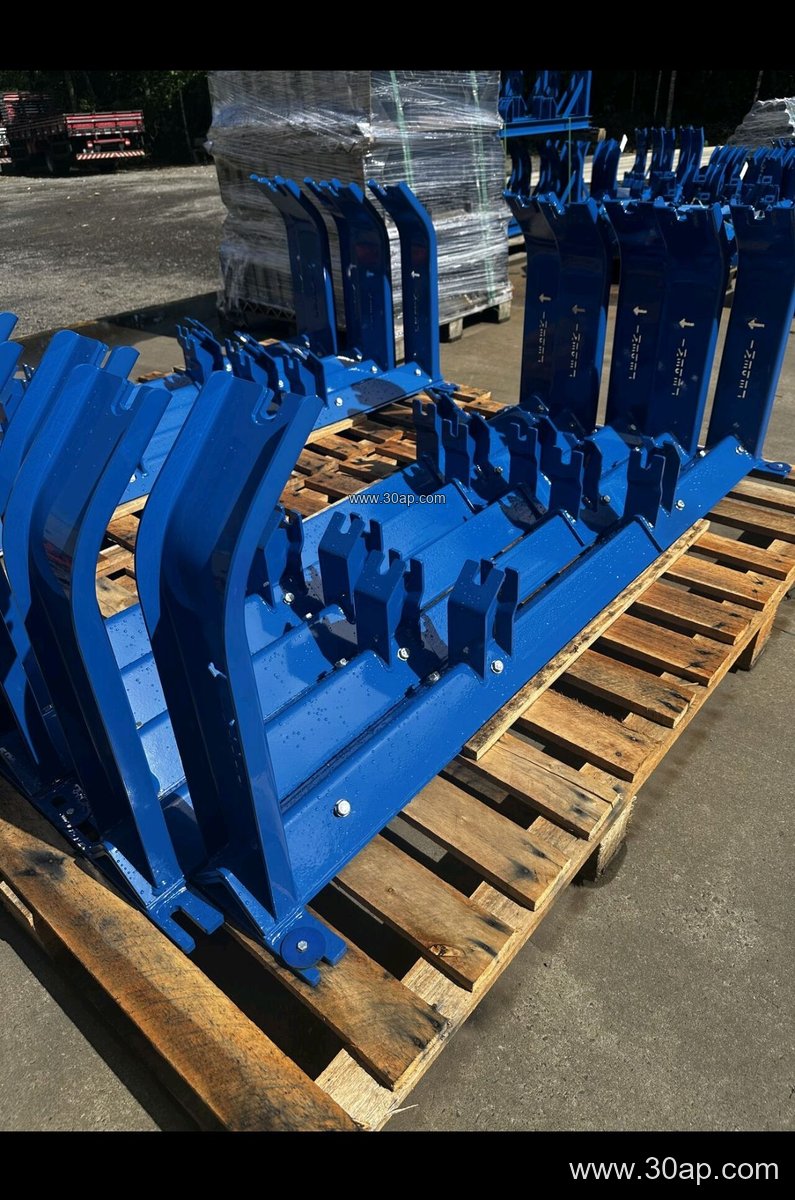
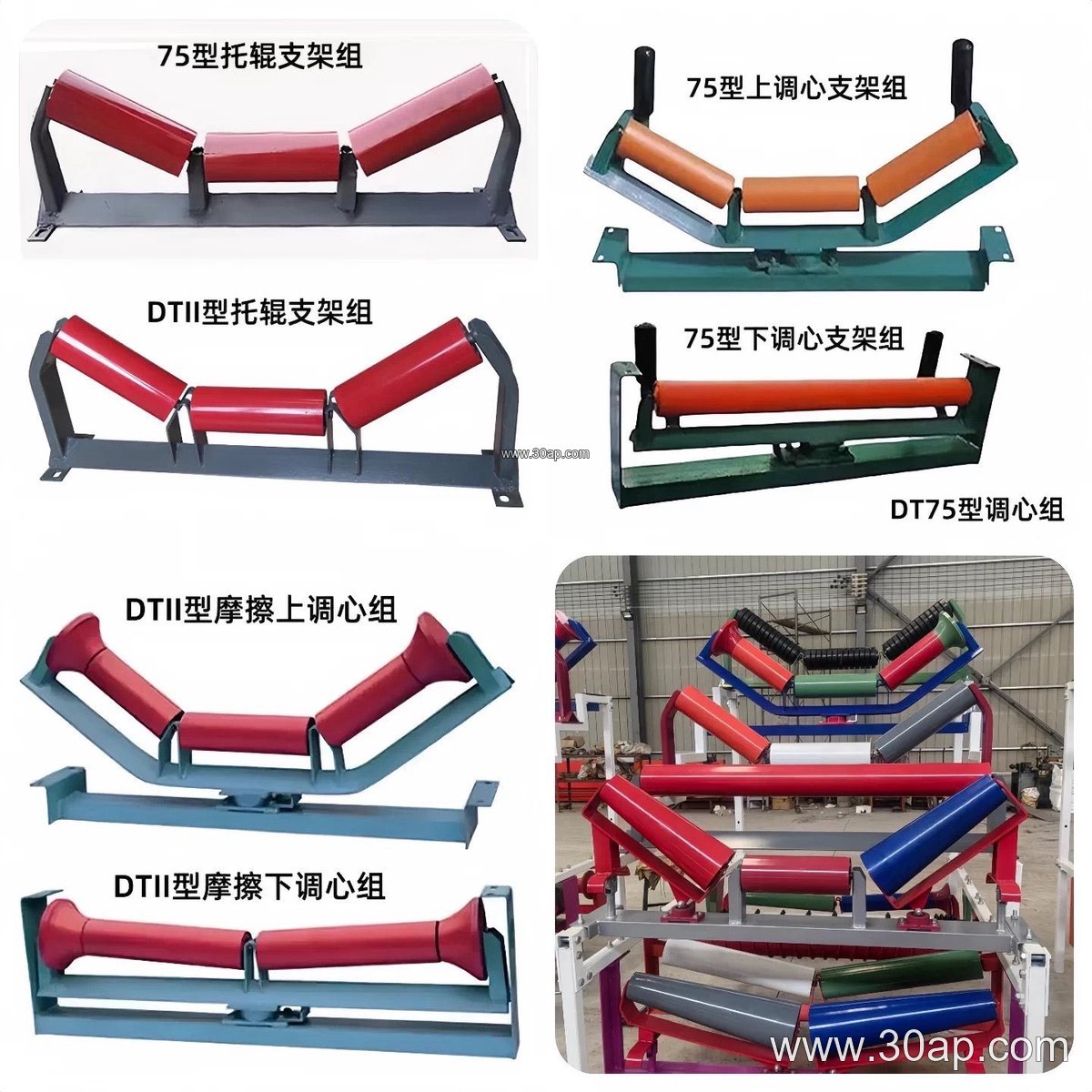
Most non-standard conveyor brackets are fabricated from angle steel, channel steel, or folded steel plate. The material choice depends on load, corrosion exposure, and the available welding or bolting method. A typical bracket includes a cross beam, mounting pads, roller seats, and bolt holes. On a troughing side bracket, the roller seats are set at a specific trough angle. On a return bracket, the shape may be flatter or formed as a V return support.
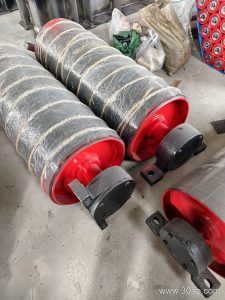
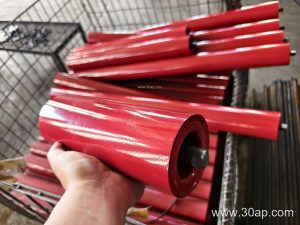
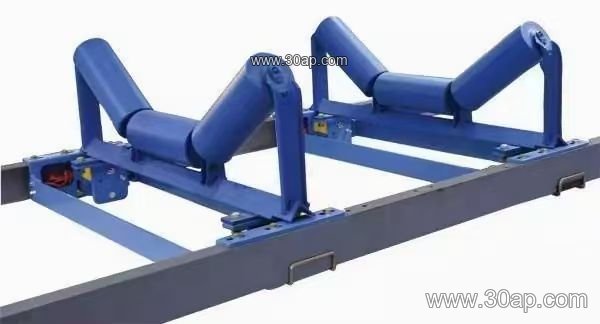
The bracket works together with the conveyor pulley, idler roller, and conveyor belt. Its mounting holes must line up with the frame, and its roller seats must hold the idler shaft at the right height. If the bracket is adjustable, the trough angle can be changed between common settings such as 20, 30, 35, and 45 degrees. Fixed brackets are set at one angle during fabrication. A slight forward tilt of about 1.5 to 2 degrees may be used on certain training brackets, but this is a design choice, not a universal rule.
Common bracket positions
- Upper troughing bracket carrying the loaded belt
- Transition bracket near a conveyor pulley
- Return bracket under the empty belt
- V return bracket for belt centering
- Impact bracket under a loading point
- Adjustable bracket for alignment or angle changes
Where Non-Standard Brackets Are Used
These brackets appear in quarry and aggregate lines where a crusher conveyor belt must fit a rebuilt frame. They are also common in coal mining conveyor systems, cement plants, and power plant coal handling. In a sand and gravel plant, a non-standard bracket may be needed because the frame was widened or because a different idler roller diameter was installed. In a steel plant or port terminal, the same idea applies when a conveyor pulley or drive station is relocated and the original bracket no longer matches.
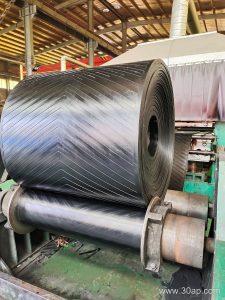
Because the bracket ties the belt line together, it should suit the belt type in use. A heavy-duty mining conveyor belt may need a stronger bracket than a light fabric core conveyor belt. An abrasion resistant conveyor belt in a stone crushing line may run with standard rollers, but the bracket still has to hold them securely. The bracket does not change the belt specification, but it does affect how evenly the belt is supported.
Key Dimensions and Reference Data
Non-standard brackets are not sold by a single universal size. The table below shows common reference ranges that may be used when discussing a custom design. These are reference values, not fixed combinations or supply promises.
| Parameter | Common reference range | Notes |
|---|---|---|
| Belt width | B500, B650, B800, B1000, B1200, B1400, B1600, B1800, B2000, B2200 | Cross beam length and hole spacing follow the actual frame |
| Trough angle | 20°, 30°, 35°, 45° | Adjustable brackets can change between these settings |
| Roller diameter | Ø89, Ø108, Ø133, Ø159, Ø194 | Match the idler roller shaft and seat, not the belt width alone |
| Material | Angle steel, channel steel, folded plate | Selected by load and environment |
A bracket for a B800 belt at 35 degrees with Ø108 rollers will not automatically fit a B1200 line at 45 degrees with Ø133 rollers. The mounting hole distance and cross beam length are determined by the conveyor design. This is why a non-standard bracket should be ordered from a drawing or a careful site measurement.
What a Buyer Should Check
Before ordering, confirm the belt width, the trough angle, the roller diameter, the shaft end shape, and the frame hole pattern. Check whether the bracket is fixed or adjustable, and whether it is for the carrying side or the return side. State the environment: a wash plant, a coal yard, or a fertilizer store may call for different surface protection. Also confirm the interface with the conveyor pulley and the transition distance, because a bracket placed too close to a pulley can affect belt training.
A useful request includes a sketch or photo of the old bracket, the measured hole centers, and the roller seat height. If the conveyor uses a pipe conveyor belt or a corrugated sidewall belt, the bracket still needs to match the roller arrangement, but the belt type should be stated so the support profile is understood. For flame retardant conveyor belt or heat resistant conveyor belt applications, the bracket material and coating should suit the local temperature and safety requirements.
Finally, keep spare brackets for critical positions. A small non-standard part can stop a whole transfer line, and a replacement made from the original drawing is faster than re-measuring on site. For related components, see conveyor bracket and idler roller options at pdconveyorbelt.com, and confirm conveyor pulley details before finalizing the frame interface.