What a Guide Idler Does on a Conveyor
A belt conveyor guide idler is a small but critical component that keeps the conveyor belt centered as it travels along the carrying and return strands. Unlike a standard carrying idler that mainly supports the belt and material load, a guide idler is positioned to correct lateral drift before it becomes a problem. In quarry and aggregate lines, where belts often run slightly misaligned after loading, these idlers help prevent edge damage and spillage. The same role applies in a cement plant or a power plant coal handling system, where continuous operation demands reliable belt tracking.
Sometimes called a training idler or belt guide roller, this component is not the same as a drive pulley, tail pulley, or bend pulley. Those pulleys transmit power or change belt direction, while a guide idler works passively on the belt surface or edges. A conveyor pulley and a guide idler serve different functions and should not be treated as interchangeable.
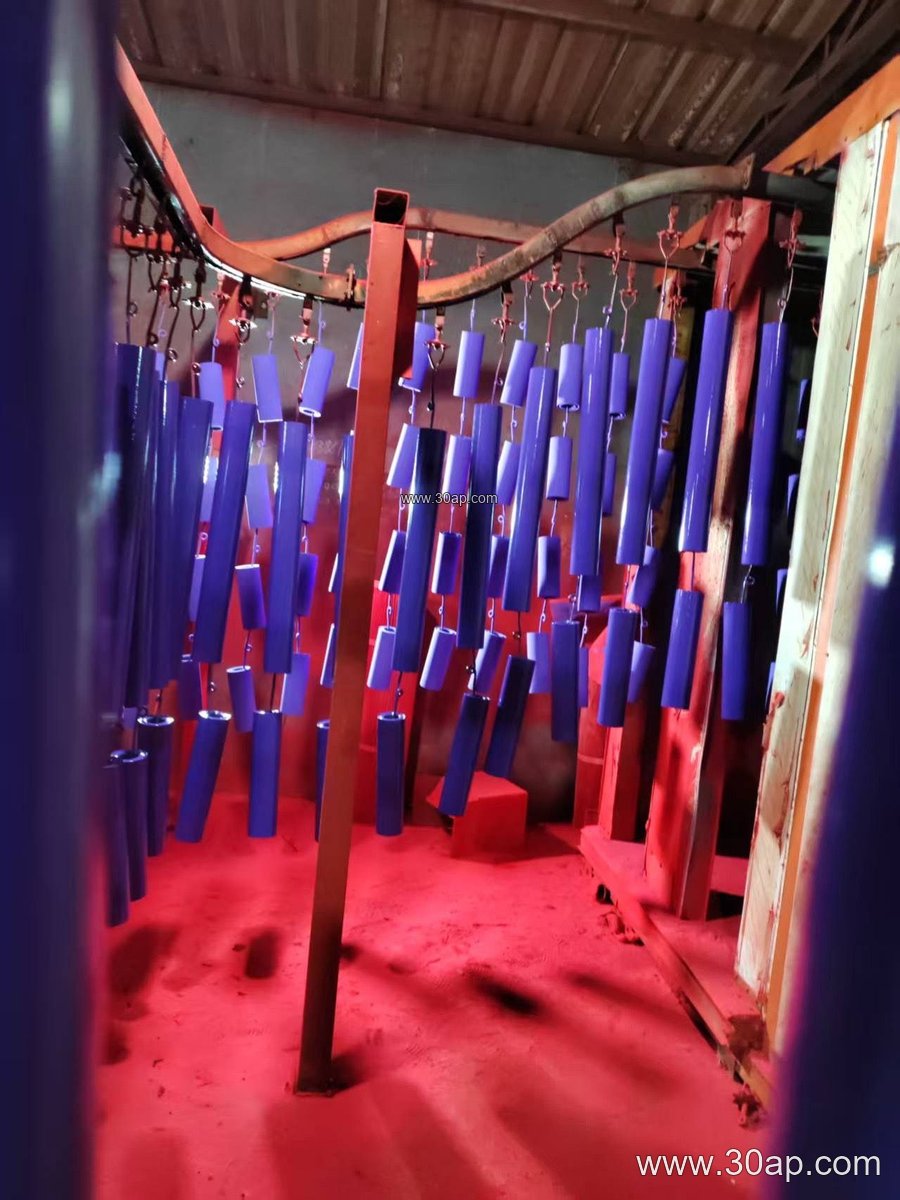
Construction and Common Configurations
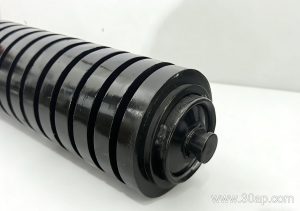
Most guide idlers use a steel tube shell fitted with sealed bearings at each end. The roller surface may be plain steel, nylon, rubber-covered, or ceramic-coated depending on the environment. Dusty conditions in a limestone mine or a sand and gravel plant often call for good sealing to protect the bearing. Common bearing sizes include 6204, 6205, 6305, 6306, 6308, and 6310, though the bearing is selected to match the idler design rather than a fixed rule tied to belt width.
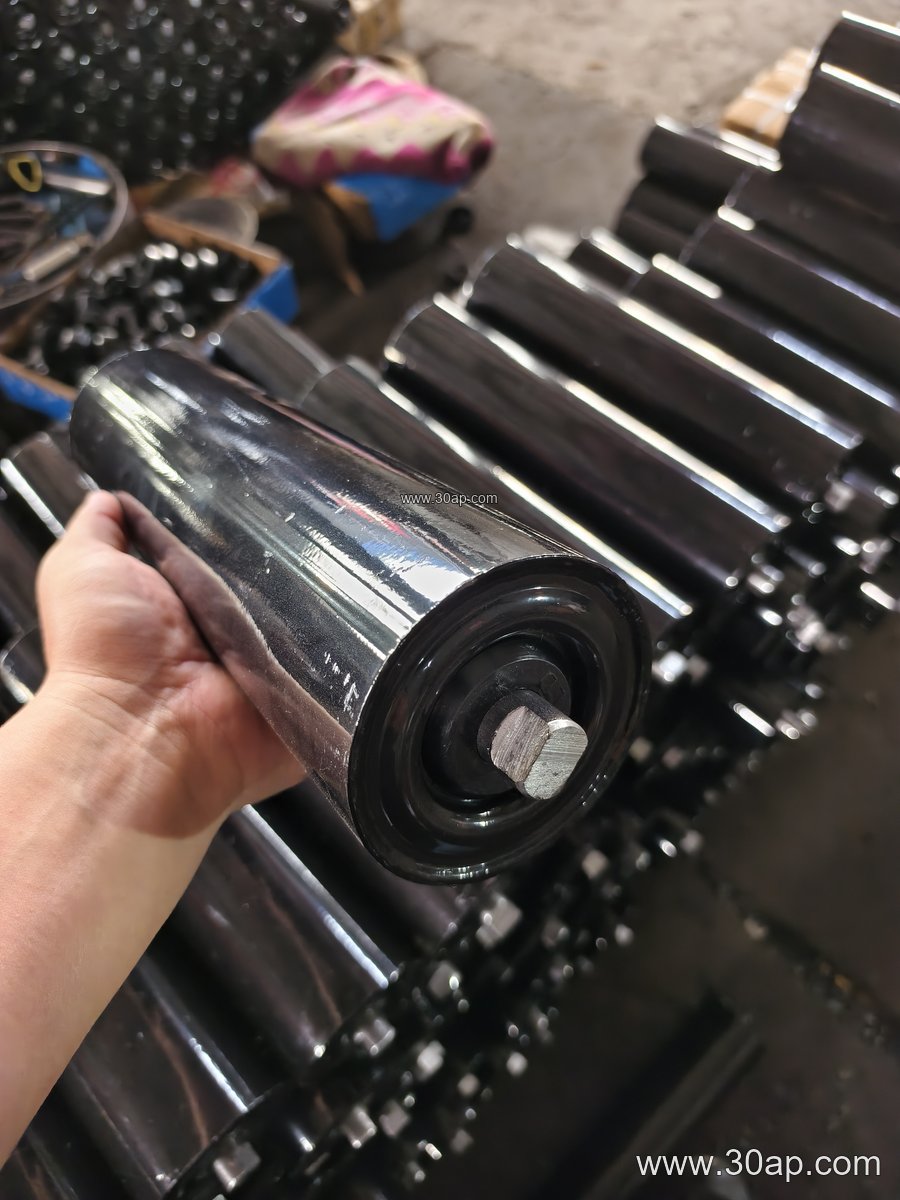
Guide idlers appear in several forms. A vertical guide roller is often mounted on the conveyor bracket at the belt edge to limit side movement. A self-aligning idler, such as a friction training idler or a cone-shaped training idler, uses angled rollers to steer the belt back to center. In some designs, a spiral return idler also helps with belt training on the return run. These are distinct from standard troughing idlers, impact idlers, and flat return idlers, which have different primary duties.
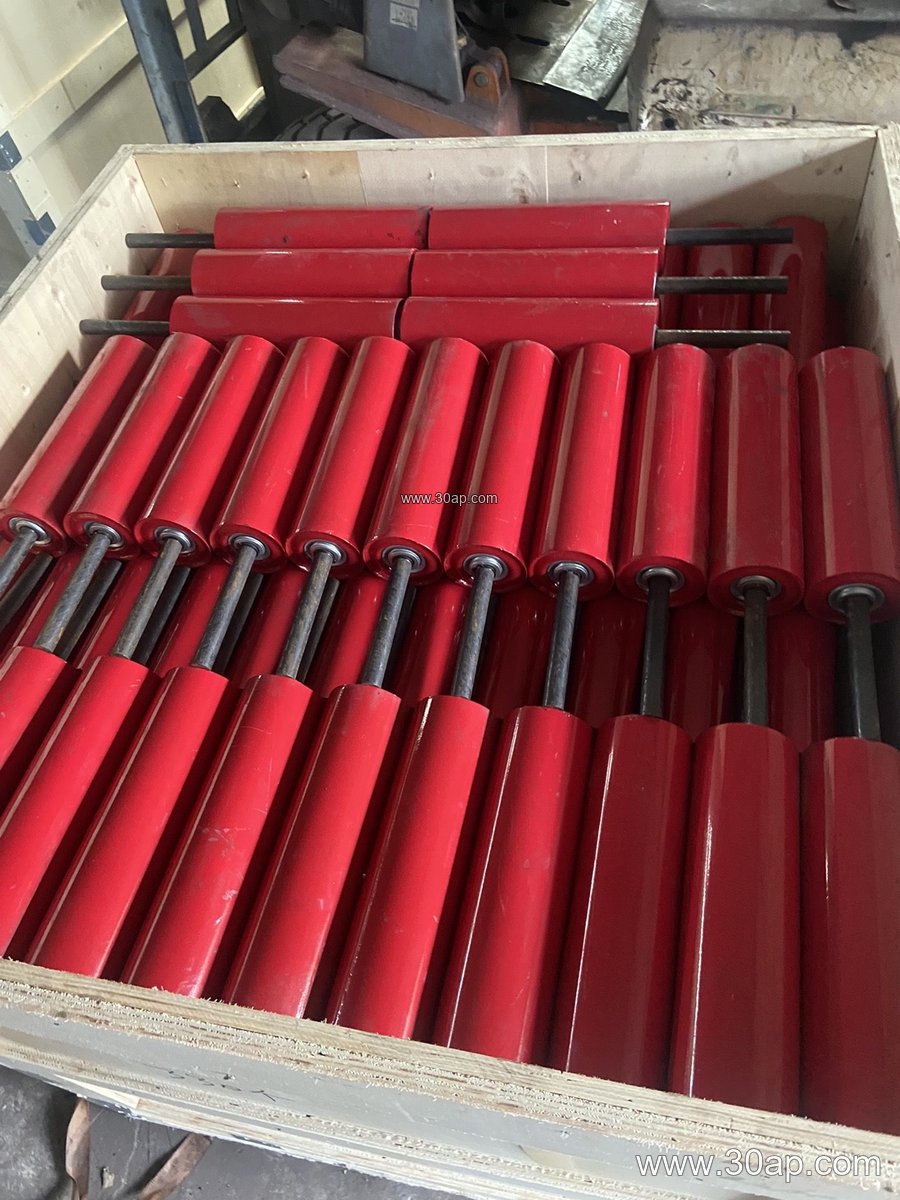
Typical Reference Dimensions
The table below gives common reference values for guide idler related dimensions. These are examples only; actual selection depends on belt width, trough angle, and conveyor design.
| Parameter | Common Reference Range |
|---|---|
| Roller diameter | Ø63, Ø76, Ø89, Ø102, Ø108, Ø127, Ø133 mm |
| Belt width | B500, B650, B800, B1000, B1200, B1400, B1600 mm |
| Trough angle | 20°, 30°, 35°, 45° |
| Roller surface | Steel, nylon, rubber ring, ceramic |
| Bearing example | 6204, 6205, 6305, 6306, 6308, 6310 |
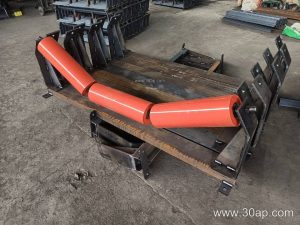
For a three-roll troughing set, common roll lengths might be around 200 mm for B500, 380 mm for B1000, and 600 mm for B1600, but side rolls and center rolls can differ. A guide idler for a 1200mm wide conveyor belt is not automatically paired with one specific shaft diameter; the shaft and bearing housing are determined by the idler manufacturer and the load calculation.
Where Guide Idlers Are Used
In a stone crushing plant, a belt conveyor guide idler is often found just after the loading point and before the head pulley, where the belt is most likely to wander. In underground coal mining, flame retardant conveyor belt and anti-static conveyor belt are common, and guide idlers help maintain alignment in confined spaces. The same principle applies to a pipe conveyor belt or a corrugated sidewall conveyor belt, though the guide idler design must suit the belt profile. Steel cord conveyor belt and EP conveyor belt systems both benefit from proper belt training, especially on long overland runs.
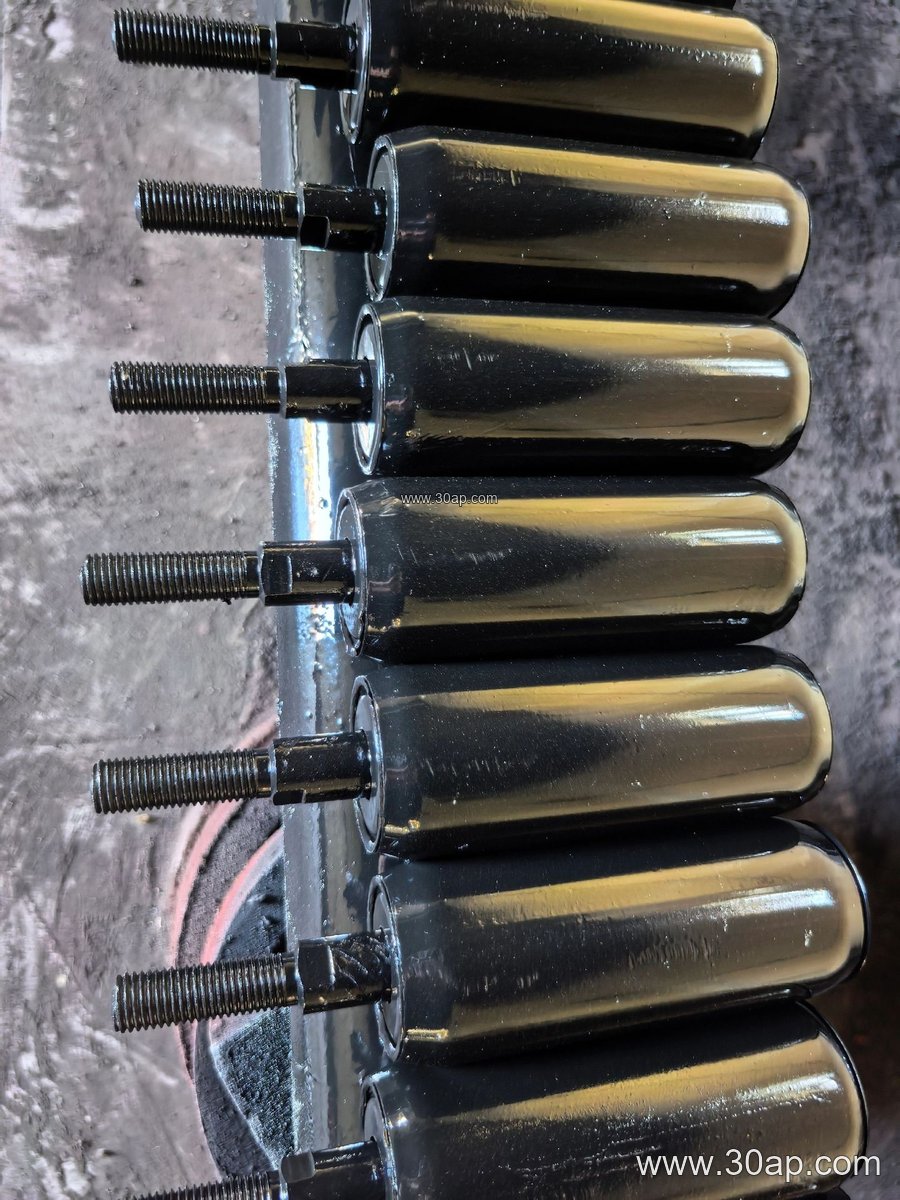
Other industries include iron ore and copper ore handling, ship loading, and recycling plants. In each case, the guide idler supports the belt without replacing the main carrying idlers or return idlers.
Buyer Checklist for Guide Idlers
- Confirm the belt width and the space available on the conveyor bracket for mounting.
- Check the roller diameter and bearing size recommended for the conveyor speed and load.
- Select the surface form: plain steel for general use, rubber or ceramic for abrasive conditions.
- Verify sealing against dust and water, especially in washdown or underground environments.
- Ask whether the guide idler is fixed or self-aligning, and how it interacts with the existing troughing idlers.
- Ensure the idler is compatible with the conveyor belt type, such as abrasion resistant conveyor belt or heat resistant conveyor belt, without causing undue wear.
A well-chosen guide idler reduces belt edge damage, spillage, and downtime. For more information on conveyor components, visit www.example.com/guide-idler or www.example.com/conveyor-idler.