What the 10mm Figure Really Means
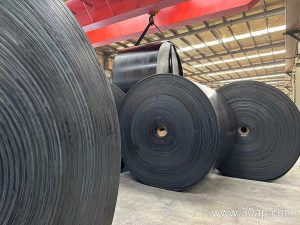
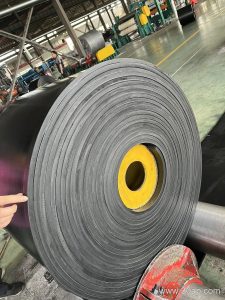
An EP conveyor belt, 10mm thick, is a fabric-core belt built on polyester warp and nylon weft (EP) plies. The 10mm figure is the overall finished thickness, not the thickness of the carcass alone. It is usually made up of the EP fabric plies, the adhesion layers between them, and the top and bottom rubber covers. Because the covers dominate the outer thickness, a belt of this class might, for example, use a 6+2 mm cover combination over a multi-ply EP carcass. The exact split is set by the manufacturer and confirmed on the data sheet, so treat 10mm as a general reference rather than a fixed recipe.
Buyers often confuse this with an EP rubber conveyor belt of a different gauge, or with a steel cord conveyor belt that happens to share a similar overall thickness. Those are different constructions, and they are not interchangeable where load support, splice method, or impact resistance is concerned.
Construction and Layer Build-Up
EP fabric core is the backbone. Polyester in the warp gives low stretch and good tracking behaviour; nylon in the weft gives impact tolerance and tear resistance. Common carcass builds run from 2 to 6 plies, and the ply count is chosen together with the strength grade. Typical EP grades include EP200, EP400, EP630, EP800, EP1000, EP1250 and EP1600, with higher figures available for demanding service.
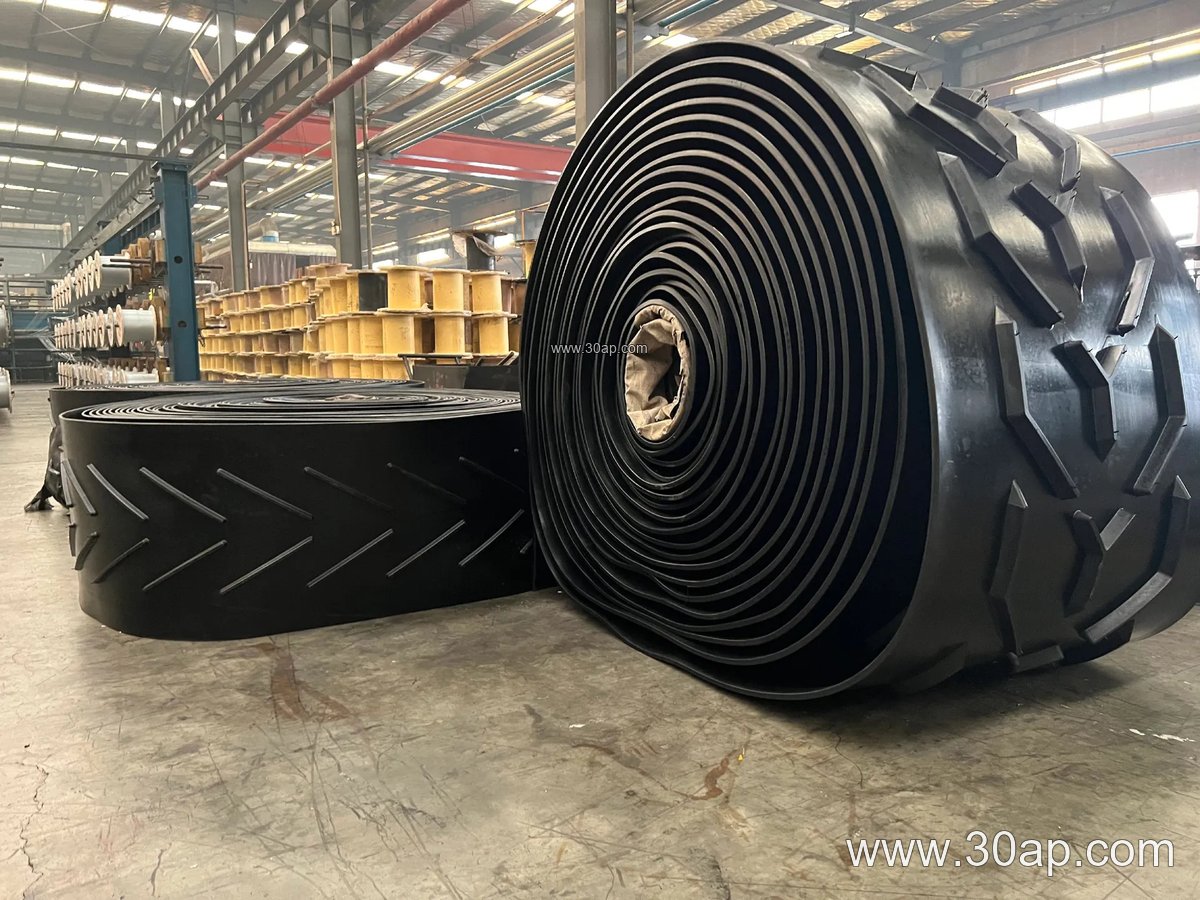
- Top cover: abrasion resistant, heat resistant, flame retardant, or oil resistant compounds
- Carcass: multi-ply EP fabric, sometimes described as a multi-ply fabric core conveyor belt
- Bottom cover: usually a thinner friction or wear cover
- Edges: cut and sealed, or moulded depending on the application
Cover gauges are commonly quoted as 3+1.5, 4+2, 5+2, 6+2 or 8+3 mm. A 10mm finished belt with a heavy top cover suits tough loading points, while a lighter cover build keeps the belt flexible around smaller diameter pulleys.
Where a 10mm EP Belt Fits
This thickness class is common in bulk material handling where both abrasion and impact are present. In a quarry or aggregate plant it carries crushed stone from the crusher conveyor belt stage to screening. In a cement plant it moves clinker and raw meal, and it is often specified as a heat resistant conveyor belt where temperatures are elevated. Coal mining conveyor belt duty, including underground mining conveyor belt service, calls for flame retardant and anti-static properties, and the same EP construction can be supplied in those versions.
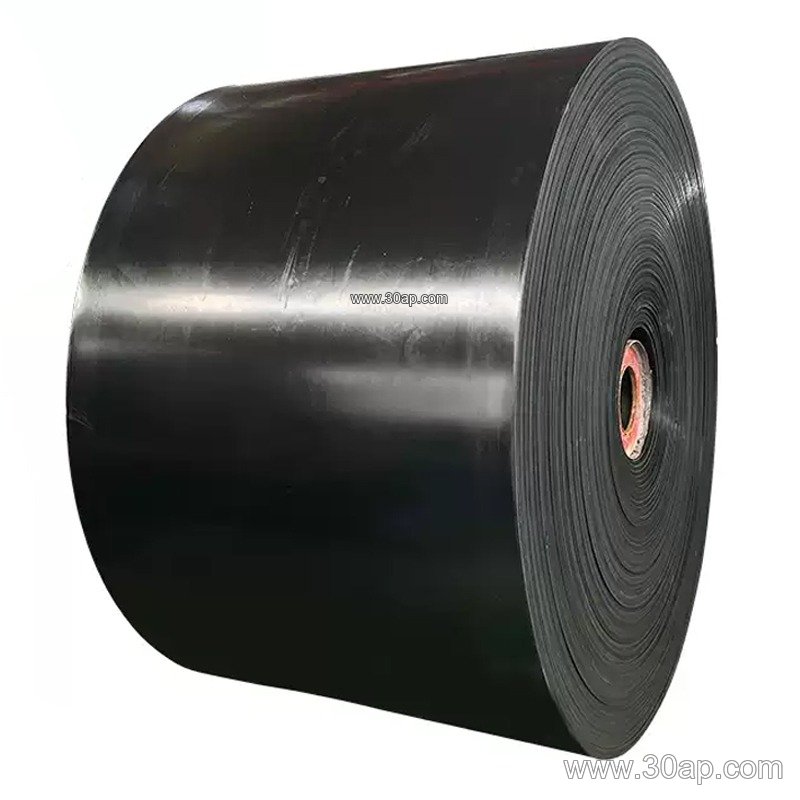
Power plant conveyor belt lines handling coal, port conveyor belt systems loading ships, and iron ore or copper ore conveyor belt circuits also use this class. For ore conveyor belt duty, an abrasion resistant conveyor belt cover is usually the first choice; for dusty or explosive atmospheres, flame retardant and anti-static grades matter more than raw thickness.
Matching the Belt to the Conveyor
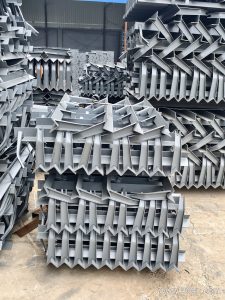
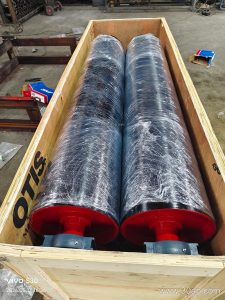
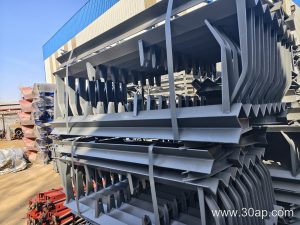
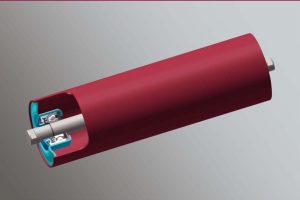
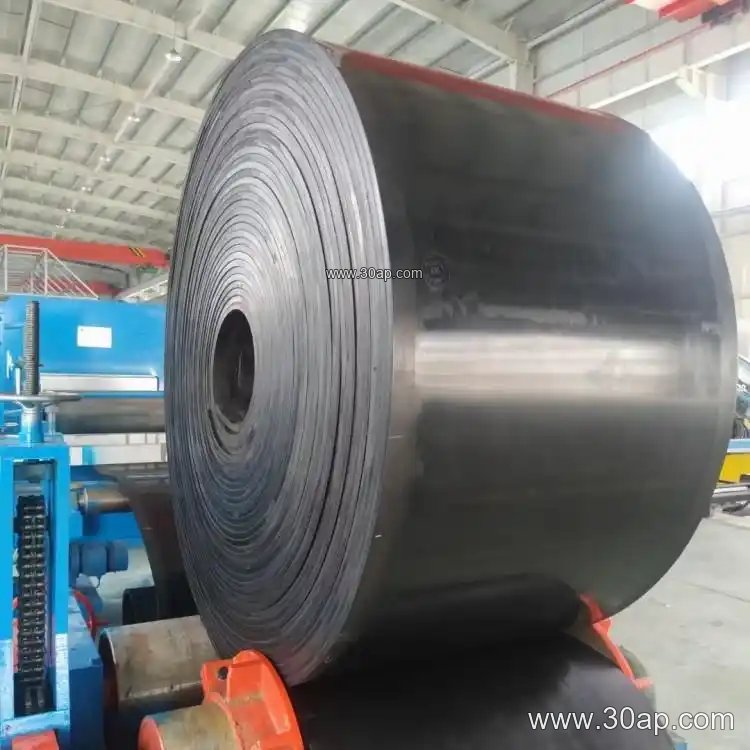
The belt does not work alone. Drive pulleys, tail pulleys and bend pulleys each do a different job, and they are not interchangeable names. The drive pulley transmits torque, the tail pulley returns the belt, and bend pulleys guide it through the route. A thick, stiff belt needs larger pulley diameters and gentle transition distances; a thinner belt tolerates tighter geometry. Belt width and pulley diameter are matched by design, not by a fixed rule, so never assume one belt width corresponds to one pulley size. Idler roller spacing, trough angle and conveyor bracket layout also affect how a 10mm belt trains and wears.
Specification Reference Table
The figures below are typical ranges for orientation only. Final values depend on the manufacturer and the project design.
| Parameter | Common reference values |
|---|---|
| Belt type | EP conveyor belt (EP fabric core) |
| Finished thickness | 10 mm (overall, covers plus carcass) |
| Strength grades | EP200, EP315, EP400, EP500, EP630, EP800, EP1000, EP1250, EP1600, EP2000 |
| Belt widths | B500, B650, B800, B1000, B1200, B1400, B1600, B1800, B2000 |
| Cover combinations | 3+1.5, 4+2, 5+2, 6+2, 8+3 mm |
| Carcass plies | 2 to 6 plies, typical |
| Cover variants | Abrasion resistant, heat resistant, flame retardant, oil resistant, cold resistant, anti-static |
Selection and Maintenance Notes
Start from the duty: material, lump size, throughput, incline and ambient conditions. A 10mm belt on a long overland route may need a higher strength grade to control stretch, while a short feeder might use a lower grade with a thicker top cover for impact. Splice choice follows the carcass — multi-ply fabric belts are usually spliced mechanically or by hot vulcanisation, and the splice strength depends on ply count and cover adhesion.
In service, check idler roller rotation, pulley lagging wear, and belt edge condition. Misaligned conveyor brackets or a worn bend pulley can cause edge damage that shortens belt life far more than cover wear. Store spare belts flat, away from heat and sunlight, and rotate stock so the rubber does not age unevenly.
For a specific project, confirm cover grade, ply count, strength grade, width and edge treatment with the supplier before ordering. The keyword EP Conveyor Belt, 10mm Thick describes a family of belts, not a single fixed specification.