What an Idler Bracket Does on a Conveyor
An idler bracket is the structural interface that holds a idler roller in place along the conveyor frame. It sets the roller’s position, tilt, and height so the belt runs on a stable, predictable path. In a quarry or a cement plant, a loose or misaligned bracket quickly shows up as belt wander, edge wear, or spillage. The bracket itself carries little direct load compared with the roller, but it determines whether that load is transferred correctly into the frame.
Because the bracket is a locating part, its geometry matters as much as its strength. A bracket made for a 35 degree trough will not hold a 45 degree idler set properly, and a return bracket is not a substitute for a carrying bracket. Buyers should treat the idler bracket as a matched component, not a generic piece of steel.
Construction and Common Materials
Most brackets are fabricated from angle steel, channel steel, or folded steel plate. The choice depends on belt width, load, and the number of idlers the bracket carries. A three-roller trough set on a wide belt distributes force across a longer crossbeam, so the bracket and its mounting holes are usually heavier than those on a narrow return station.
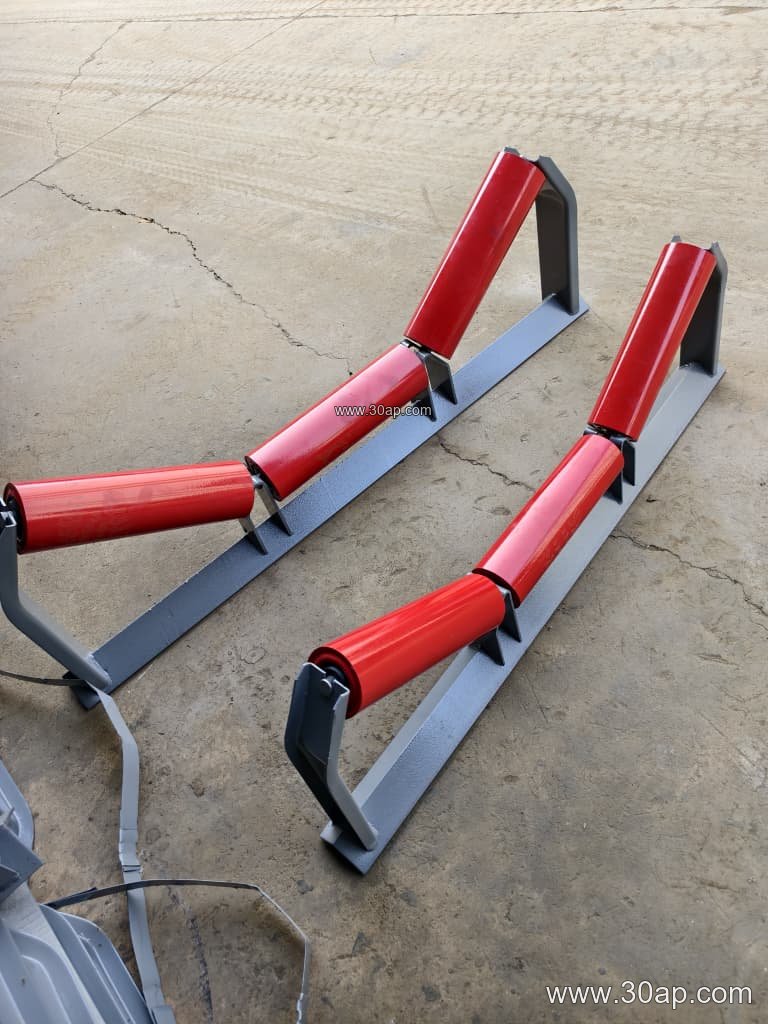
Typical features include slotted or drilled mounting holes, welded gussets for stiffness, and a formed seat that keeps the roller shaft from rotating or walking. Some designs include an adjustable segment so the trough angle can be changed on site. Surface treatment is usually painted or galvanized, though the correct choice depends on the environment, such as wet coal handling or dusty aggregate lines.
Where Idler Brackets Are Used
These brackets appear wherever a conveyor changes direction or carries material. In a limestone mine, carrying brackets support the troughing idlers under a abrasion resistant conveyor belt. In a power plant coal yard, return brackets hold the lower rollers that keep the belt from sagging. In a sand and gravel line, transition brackets guide the belt from the tail pulley into the first full trough station.
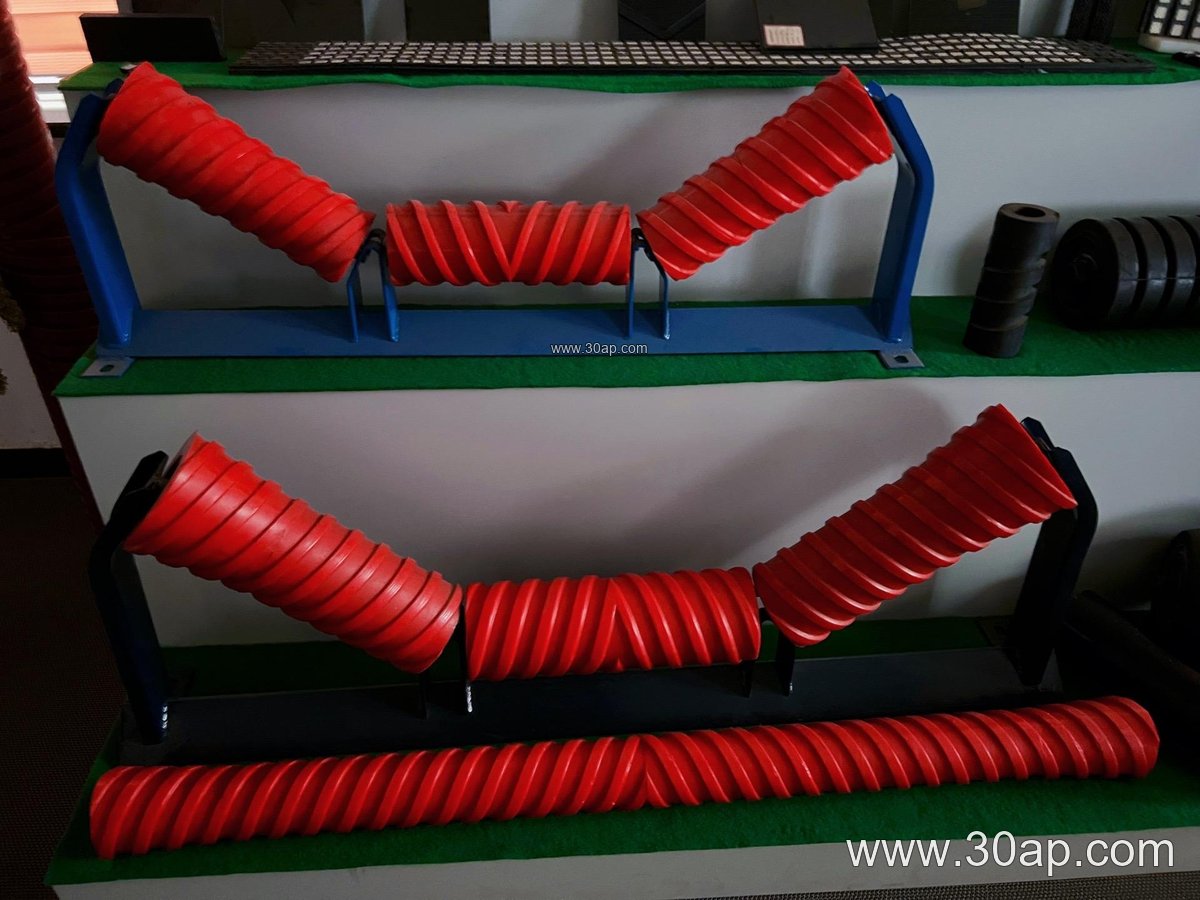
The same part family also serves smaller operations, such as a batching plant or a grain silo feed line, where a compact bracket keeps a short conveyor tracking straight. The application determines the bracket type, not the other way around.
Matching Bracket Type to the Station
Bracket types are defined by their position and function. A carrying bracket supports the troughing idlers on the loaded side. A return bracket supports the lower idlers. A transition bracket sits between the pulley and the first full trough and allows the belt to open gradually. An impact bracket is used where material drops onto the belt and needs extra cushioning. A self-aligning bracket corrects minor belt drift.
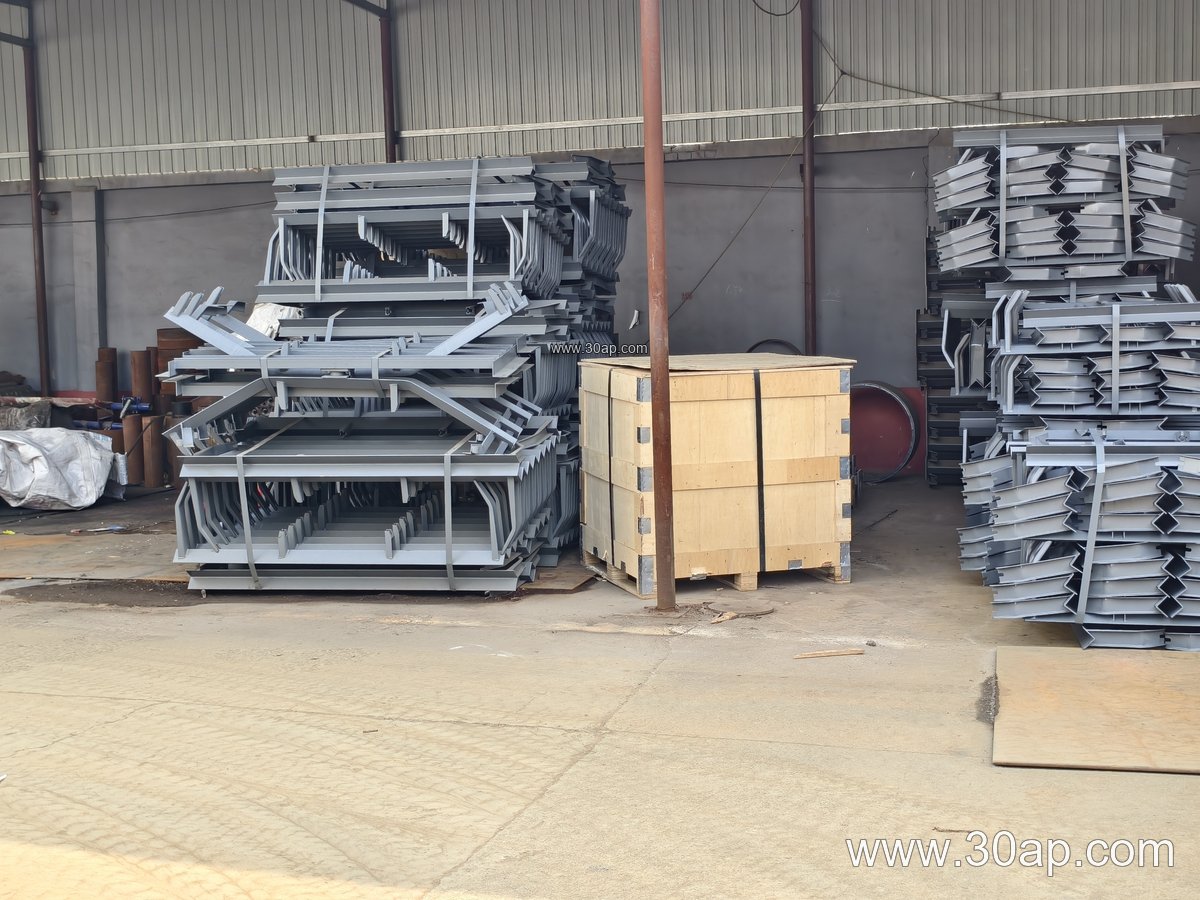
Adjustable brackets allow the trough angle to be set within a range, commonly between 20 and 45 degrees. Fixed brackets lock one angle. Forward-leaning brackets, usually around 1.5 to 2 degrees, help keep the belt centered. None of these types replaces another; each is selected for a specific location on the conveyor.
Reference Dimensions and Practical Selection
The table below gives common reference values. These are examples, not fixed rules, and final dimensions should follow the conveyor design.
| Belt width | Typical trough angle | Common roller diameter | Bracket note |
|---|---|---|---|
| B500 | 20–30 degrees | Ø89 | Light carrying or return station |
| B650 | 30 degrees | Ø89–Ø108 | Adjustable or fixed trough bracket |
| B800 | 35 degrees | Ø108 | Standard three-roller carrying set |
| B1000 | 35–45 degrees | Ø108–Ø133 | Heavier crossbeam, transition bracket common |
| B1200 | 35–45 degrees | Ø133 | Mining and quarry duty |
| B1400 | 35–45 degrees | Ø133–Ø159 | High-load carrying bracket |
| B1600 | 35–45 degrees | Ø159 | Wide belt, reinforced frame |
| B1800 | 35–45 degrees | Ø159–Ø194 | Heavy-duty station |
| B2000 | 35–45 degrees | Ø194 | Large crossbeam and mounting span |
Mounting hole spacing and crossbeam length change with belt width and trough angle, so these should be confirmed against the frame drawing. A 1200mm wide conveyor belt does not automatically dictate one roller diameter or one bracket size; the duty and belt tension decide that.
Buyer Checklist
- Confirm the bracket type: carrying, return, transition, impact, or self-aligning.
- Match the trough angle to the idler set and the material being handled.
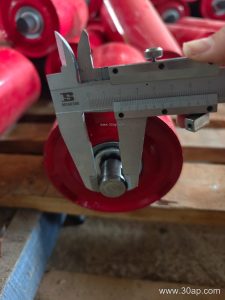
- Check the roller diameter and shaft seat against the idler roller to be used.
- Verify mounting hole spacing, crossbeam length, and frame width.
- Consider the environment: dust, moisture, heat, or corrosive material.
- Ask whether adjustment is needed for belt training or future changes.
A bracket that fits the frame and the roller keeps the whole conveyor stable. For more on compatible belting and rollers, see the conveyor belt, idler roller, and conveyor pulley ranges at wyhconveyor.com. Whether the line handles a heavy-duty mining conveyor belt or a light food grade conveyor belt, the idler bracket remains the quiet link between the belt path and the structure.