What a Custom Conveyor Pulley Really Is
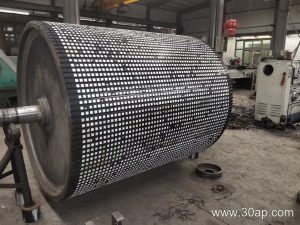
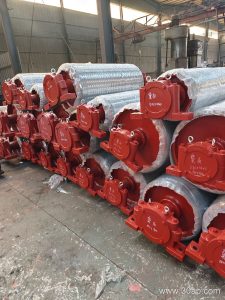
A custom conveyor pulley is a belt-driving or belt-guiding drum built to a specific set of drawings rather than pulled from a standard catalogue. The buyer fixes the belt width, the shaft position, the lagging pattern, the bearing arrangement and the duty load; the workshop then machines the shell, welds the end discs, balances the assembly and finishes the surface. In a coal washing plant or a limestone quarry, that level of tailoring is often the difference between a component that lasts a full overhaul cycle and one that fails early.
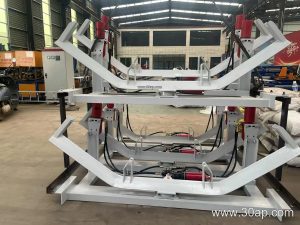
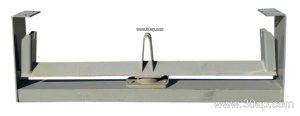
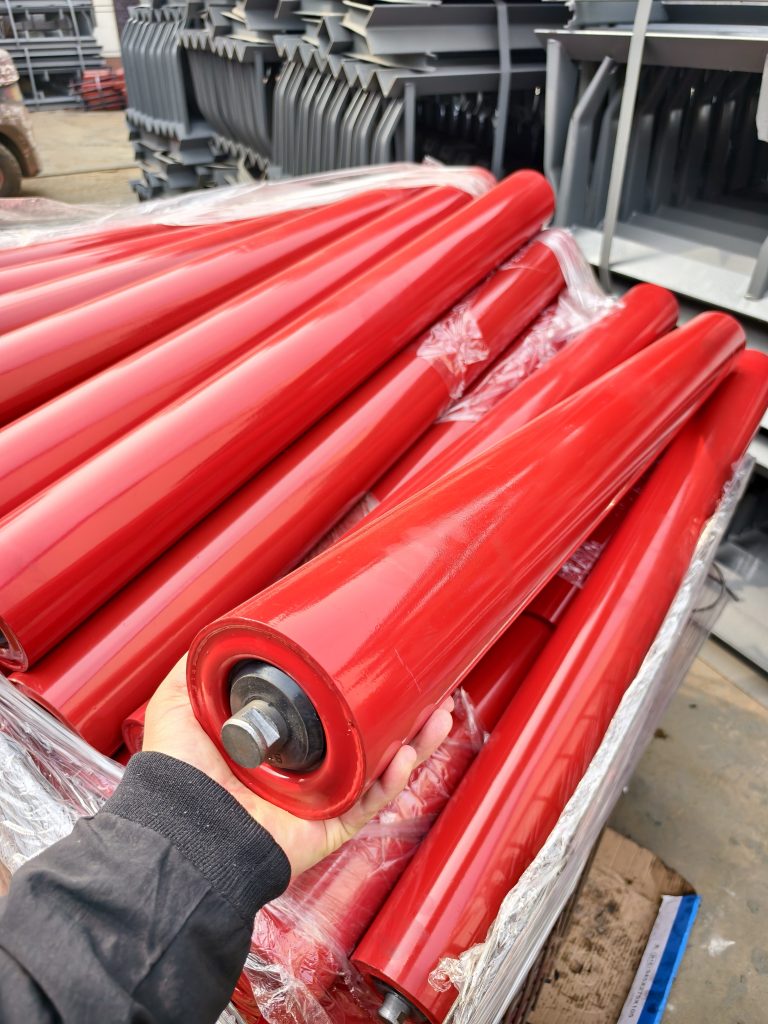
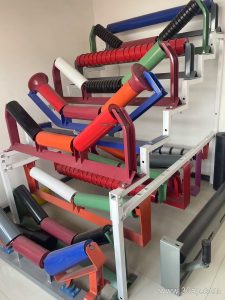
It is still a conveyor pulley in the ordinary sense, just one where the diameter, face width, shaft diameter and surface form are matched to the conveyor belt it serves. Related hardware such as idler rollers and conveyor brackets usually comes from the same layout drawing, so the pulley has to fit the frame as well as the belt.
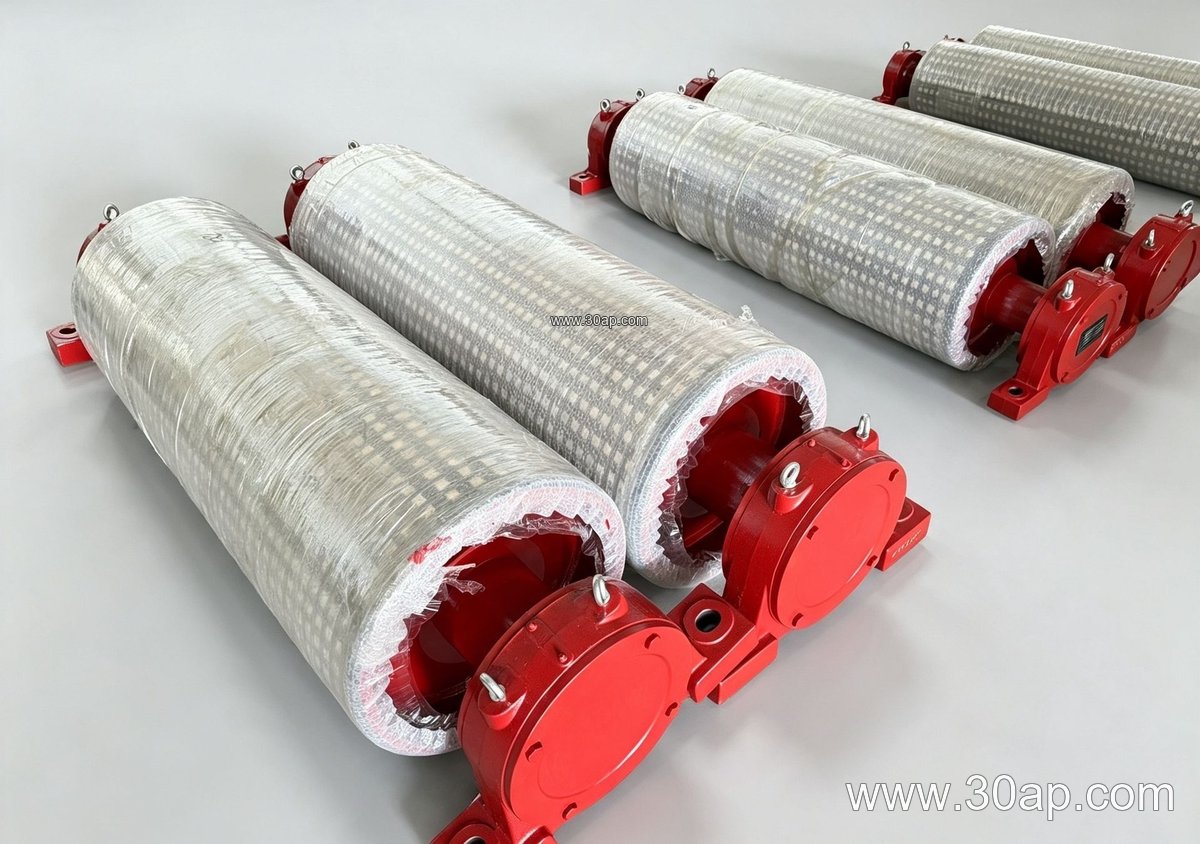
How the Drum Is Built
The core is a rolled steel shell, usually with a slight crown so the belt tracks toward the centre. End discs are welded to the shell and bored for the shaft, and the shaft is keyed and machined to the bearing seats. After welding, the pulley is stress-relieved where the duty demands it, then dynamically balanced.
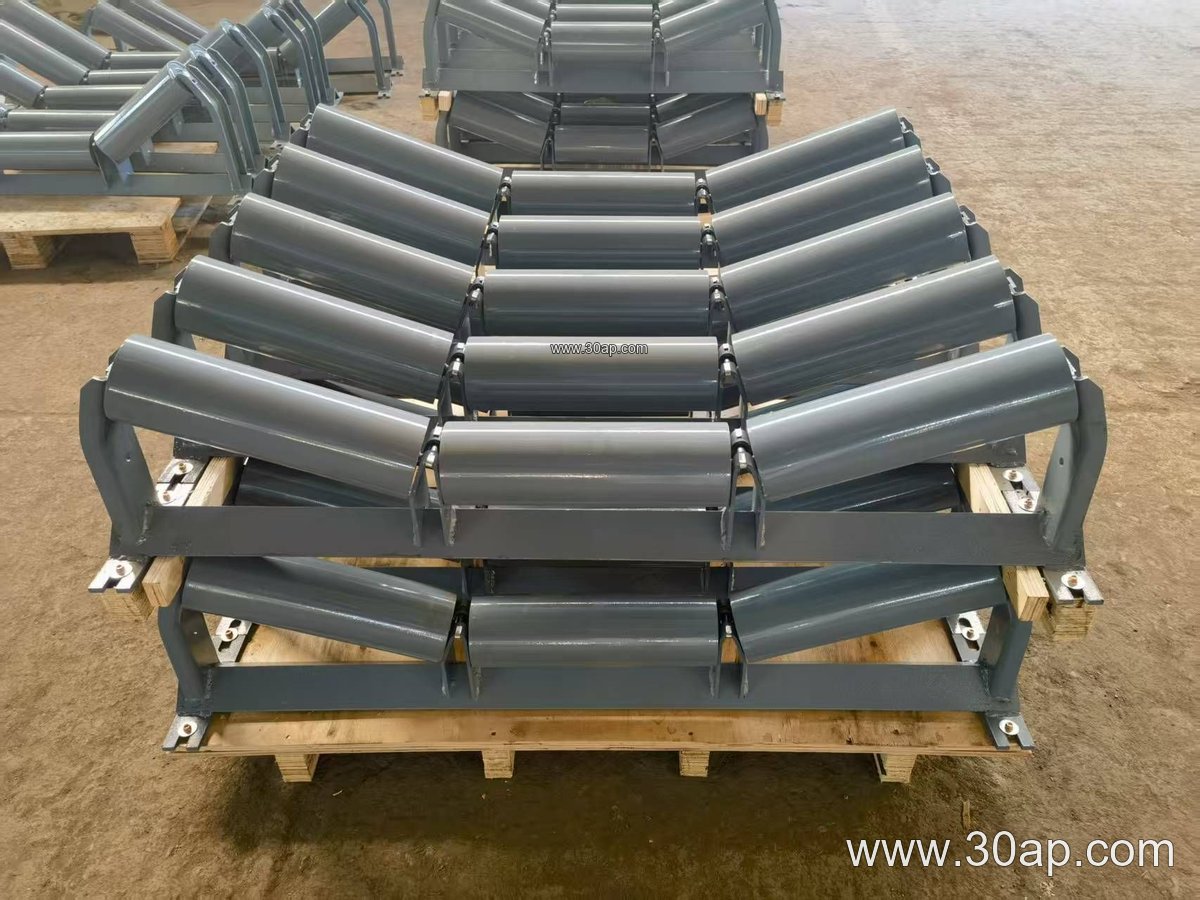
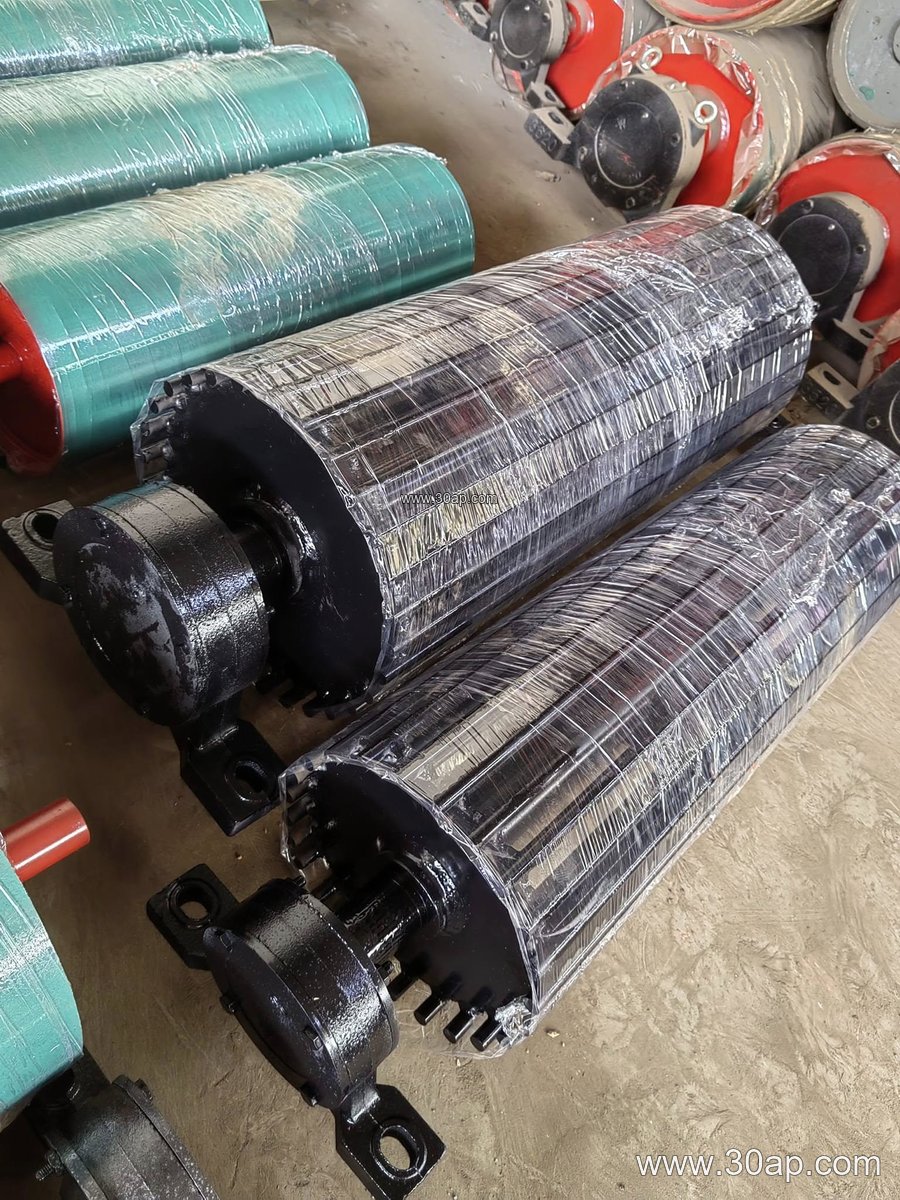
Surface treatment is where much of the custom work happens. Plain finish suits light duty and low wrap angles. Rubber lagging, applied cold or hot-vulcanised, raises friction and protects the shell. Diamond or herringbone grooves help shed water and fines, while ceramic tiles are chosen where abrasive carry-back would otherwise polish the face. Common lagging thicknesses run at 8, 10, 12, 15 and 20 mm, and the choice should follow the material being handled rather than habit.
Matching Face Width to Belt Width
The shell face is normally wider than the belt so the belt sits fully supported. A B500 belt might run on a 600 mm face, a B800 on roughly 950 mm, a B1200 on about 1400 mm. These are typical relationships, not fixed rules, and a design can move either way depending on the frame and the belt edge clearance required. Diameter is a separate decision, driven by wrap angle, belt speed and tension.
| Belt width | Typical pulley face | Common diameter range |
|---|---|---|
| B400 | about 500 mm | Ø200 to Ø400 |
| B650 | about 750 mm | Ø250 to Ø500 |
| B800 | about 950 mm | Ø315 to Ø630 |
| B1000 | about 1150 mm | Ø400 to Ø800 |
| B1200 | about 1400 mm | Ø500 to Ø1000 |
| B1600 | about 1800 mm | Ø630 to Ø1250 |
| B2000 | about 2200 mm | Ø800 to Ø1600 |
Combinations such as B1200 × Ø1000 or B800 × Ø500 are common in practice, but no single belt width locks the pulley to one diameter. Shaft diameter is set by torque and bearing load, with Ø80 to Ø200 typical on mid-size units, and it should never be guessed from belt width alone.
Where the Duty Is Hardest
In a cement plant clinker line, the head pulley takes the full belt tension and the abrasive impact of hot, sharp material, so lagging and shell thickness both matter. In a power plant coal handling system, the tail pulley often works in dust and fines, and a self-cleaning surface with a slightly larger diameter helps prevent material build-up under the belt. Downstream of a crusher, an impact-resistant belt and a robust pulley work as a pair, and the drum has to absorb shock without losing balance.
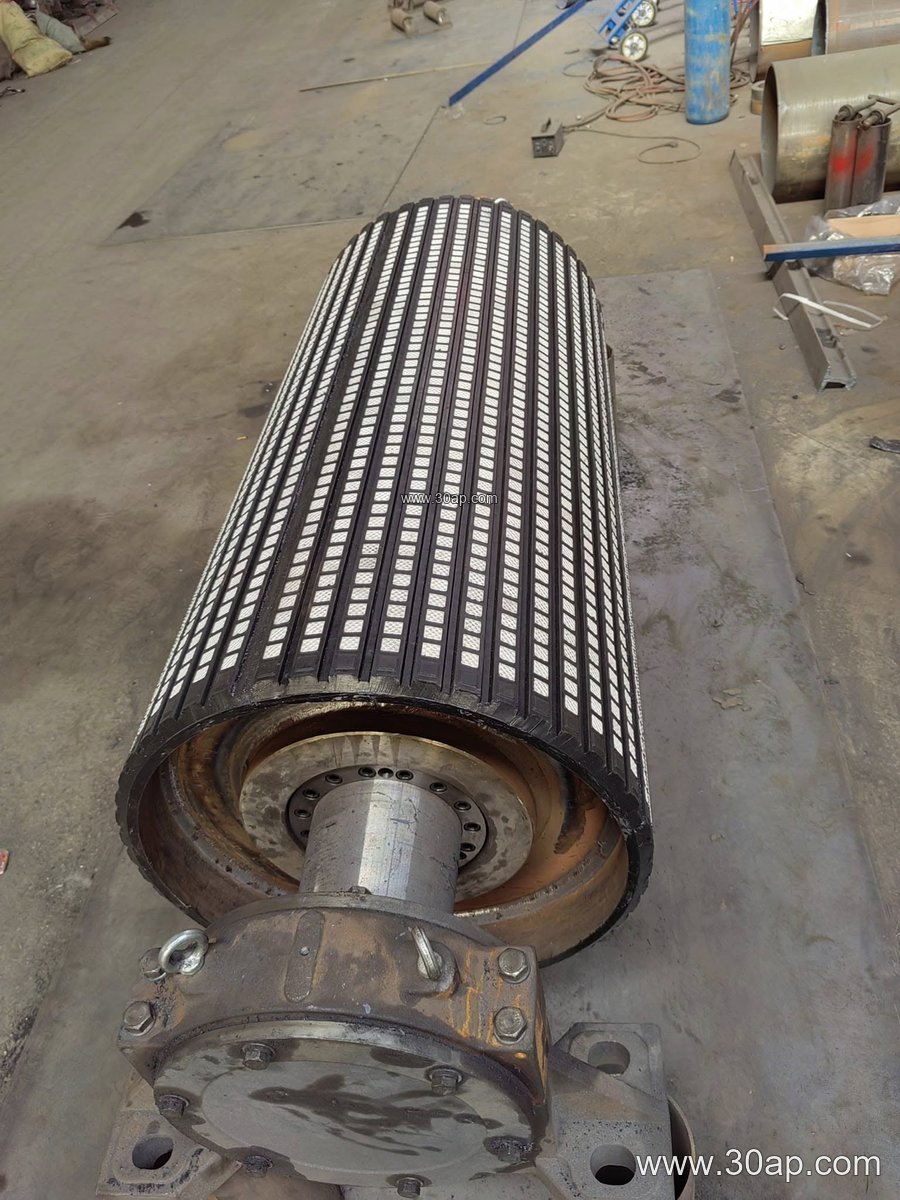
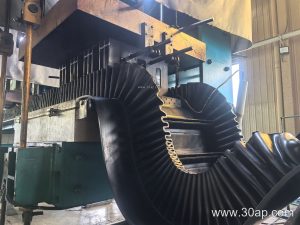
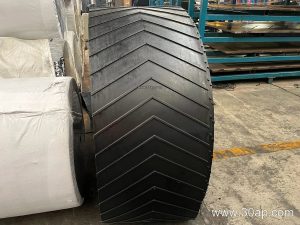
Heavy-duty mining conveyor belts and steel cord belts demand higher starting torque, which pushes the shaft and bearing selection upward. A fabric core belt such as an EP conveyor belt or NN conveyor belt is more forgiving of a smaller diameter, while a thick abrasion resistant conveyor belt on an iron ore line needs a generous face and firm lagging to avoid slip.
Position Matters
A drive pulley is sized for traction and tension, so lagging grip and shaft strength lead the design. A tail pulley is usually larger in diameter than the belt would suggest, because it must shed material and guide the belt cleanly on its return. A bend pulley only redirects the belt and can be lighter, but its diameter still has to respect the minimum bend radius of the belt carcass. These roles are not interchangeable, and a drum specified for one position should not be dropped into another without recalculating the loads.
What a Buyer Should Confirm
- Belt width, belt type and the minimum pulley diameter allowed by the belt maker.
- Position on the conveyor and the resulting tension and wrap angle.
- Shaft diameter, keyway and bearing type, confirmed against torque rather than assumed.
- Lagging form and thickness, chosen for the material and the climate.
- Balancing class, surface finish and the drawing used for acceptance.
Conveyor pulley specification is a conversation between the belt supplier, the conveyor designer and the drum manufacturer. A custom unit is only as good as the data behind it, so it pays to send the belt data sheet, the frame drawing and the duty description together. For more on matching drums to belts, idler rollers and conveyor brackets, see the technical pages at conveyoridler.net and belt-conveyor.org, where pulley and belt selection notes are collected for quarry, coal and cement applications.