What a Belt Conveyor Bracket Does
A belt conveyor bracket is the structural support that holds idler rollers in the correct position under the conveyor belt. Often called a conveyor bracket or roller bracket, it keeps the belt profile stable, guides the belt, and absorbs the load from bulk materials. Whether you run a quarry conveyor belt or a coal mining conveyor belt, the bracket is a small but critical part of the whole system.
Construction and Common Styles
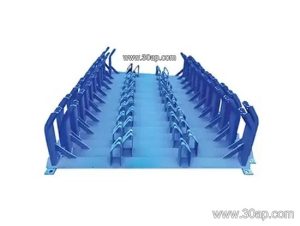
Most brackets are made from angle steel, channel steel, or folded steel plate. They are bolted or welded to the conveyor frame. Common styles include troughing brackets for the carrying side, return brackets for the empty side, impact brackets for loading zones, and self-aligning brackets to correct belt tracking. Adjustable brackets allow the trough angle to be set on site.
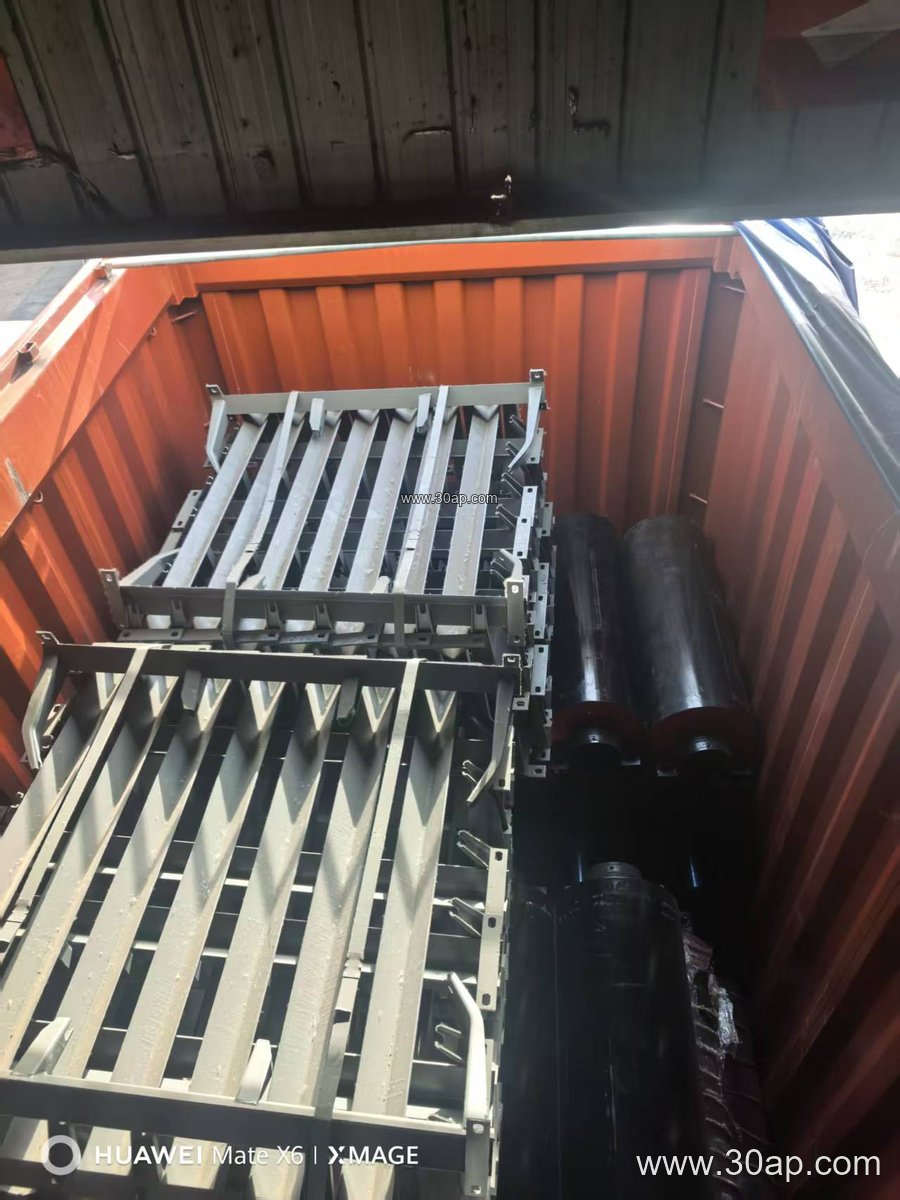
- Troughing bracket – supports three idlers to form a trough.
- Return bracket – holds return idlers or V-return rollers.
- Impact bracket – reinforced for shock loads at transfer points.
- Self-aligning bracket – helps keep the belt centered.
- Adjustable bracket – trough angle can be changed.
Matching Belt Width and Roller Diameter
Bracket length and mounting hole spacing depend on belt width and trough angle. Common belt widths include B500, B650, B800, B1000, B1200, B1400, B1600, B1800, B2000, and B2200. Roller diameters typically range from Ø89 to Ø194. For example, a B800 conveyor might use a 35-degree troughing bracket with Ø108 rollers, while a B1200 system could use a 45-degree bracket with Ø133 rollers. There is no fixed rule that one belt width must use one roller diameter or one trough angle; the choice depends on load, belt speed, and material characteristics.
Where It Is Used
Belt conveyor brackets appear in many industries. In a limestone quarry or sand and gravel line, they support abrasion resistant conveyor belts carrying heavy rock. In a coal washing plant or underground coal mining conveyor, flame retardant conveyor belt and anti-static belt properties matter, and brackets must be robust. Cement plants use them under heat resistant conveyor belt sections near kilns, while power plant coal handling relies on them for steady fuel feed. Ports and ship loading facilities use wide conveyor belts, often 1200mm or 1500mm wide, with heavy-duty brackets.
Selection and Maintenance Tips
Choose the bracket style to match the idler type and belt load. For transition zones, use transition brackets to avoid belt stress. Check that the bracket material and coating suit the environment—dust, moisture, or corrosive splash. During maintenance, inspect for loose bolts, bent frames, or worn idler seats. A misaligned bracket can cause belt edge damage and premature wear on the conveyor pulley. Keep spare brackets for critical conveyors to reduce downtime.
Working with Related Components
The bracket works together with the conveyor belt, idler roller, and conveyor pulley. For high-abrasion duties, pair robust brackets with an abrasion resistant conveyor belt. In cold climates, cold resistant conveyor belt may be needed, and brackets should be checked for brittle failure. For food or chemical applications, consider stainless or coated brackets. Remember that the bracket is not interchangeable with drive, tail, or bend pulleys—each has its own role. If you need conveyor components, many suppliers offer brackets along with conveyor belts and rollers. For more information, visit our site for conveyor belt and roller solutions.