What a Ceramic Pulley Is
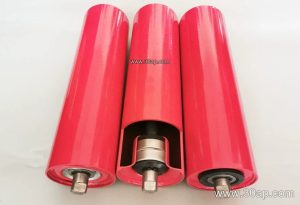
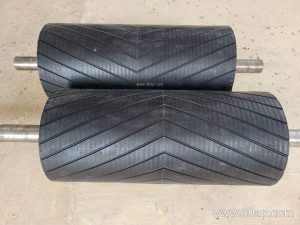
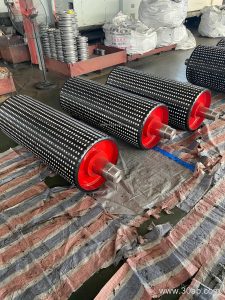
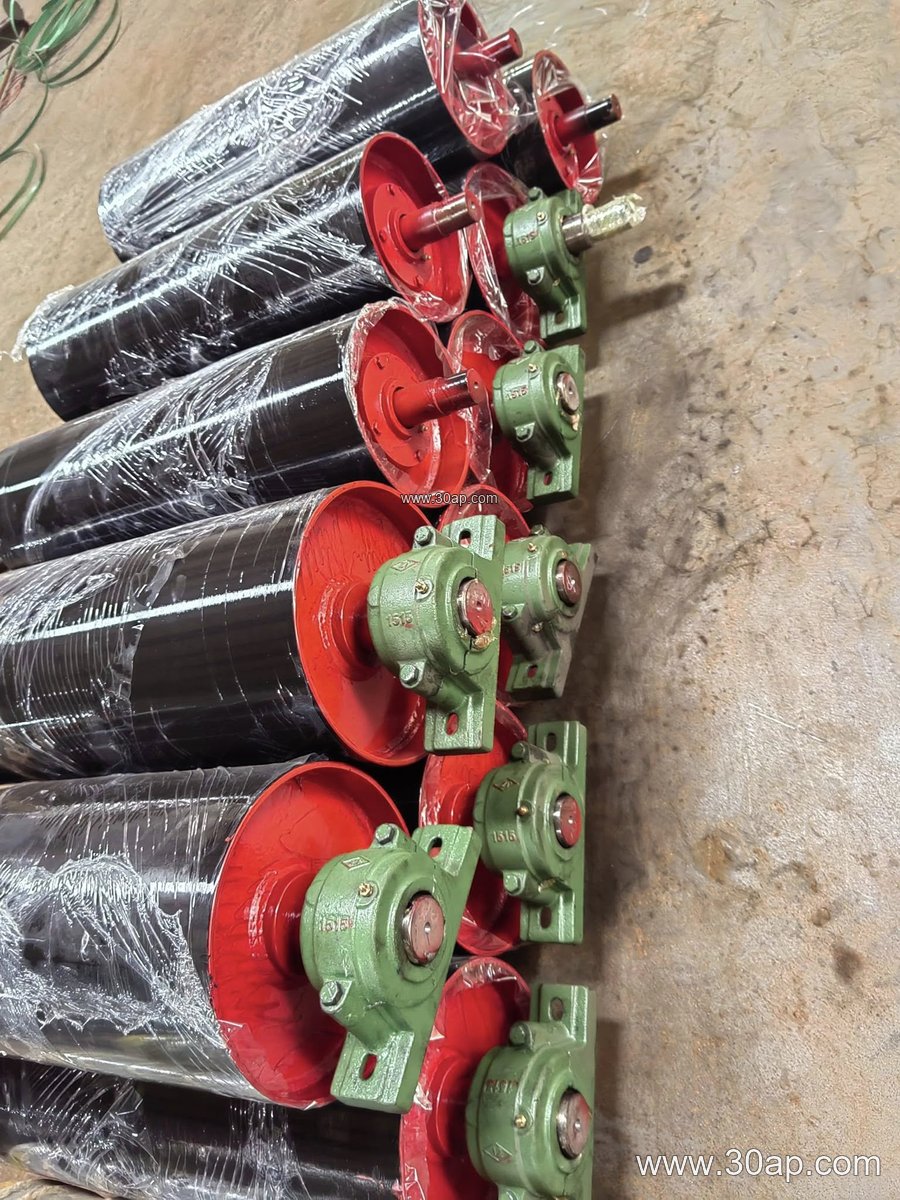
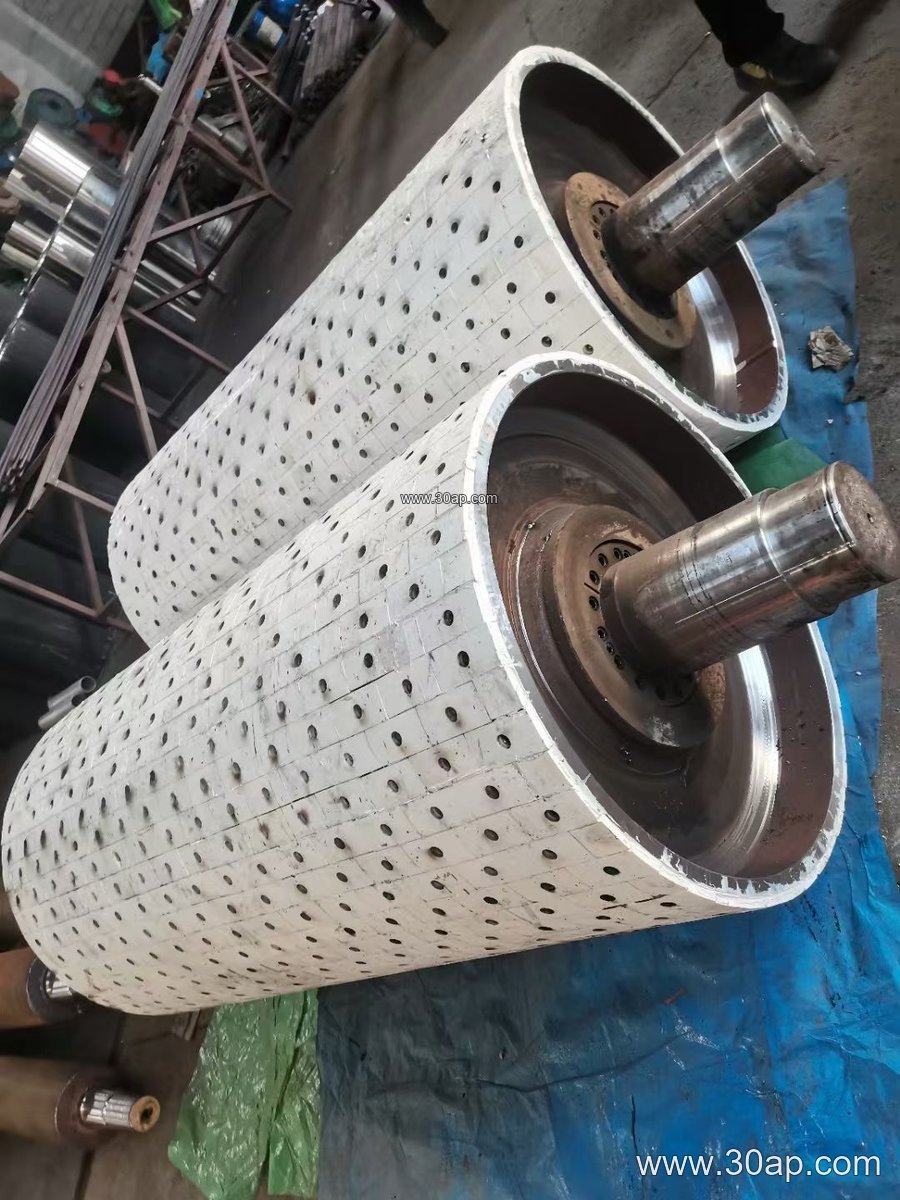
A ceramic pulley is a conveyor pulley whose shell is fitted with ceramic lagging, usually in the form of small ceramic tiles bonded into a rubber or polymer backing. The ceramic elements sit slightly proud of the backing so the surface bites into the belt cover instead of polishing smooth. In practice, this is a drive pulley upgrade rather than a separate machine: the pulley body, hubs, shaft and bearing housings stay conventional, while the contact surface changes. Buyers often meet the product as ceramic lagging, ceramic lagged drum, or a ceramic pulley drum, all naming the same item.
The point of the ceramic is friction. Rubber lagging alone can glaze over in wet or dusty duty, and smooth steel offers very little grip once a belt is damp. Hard ceramic pads keep a rough, high-friction texture and resist the abrasion that slowly wears rubber flat.
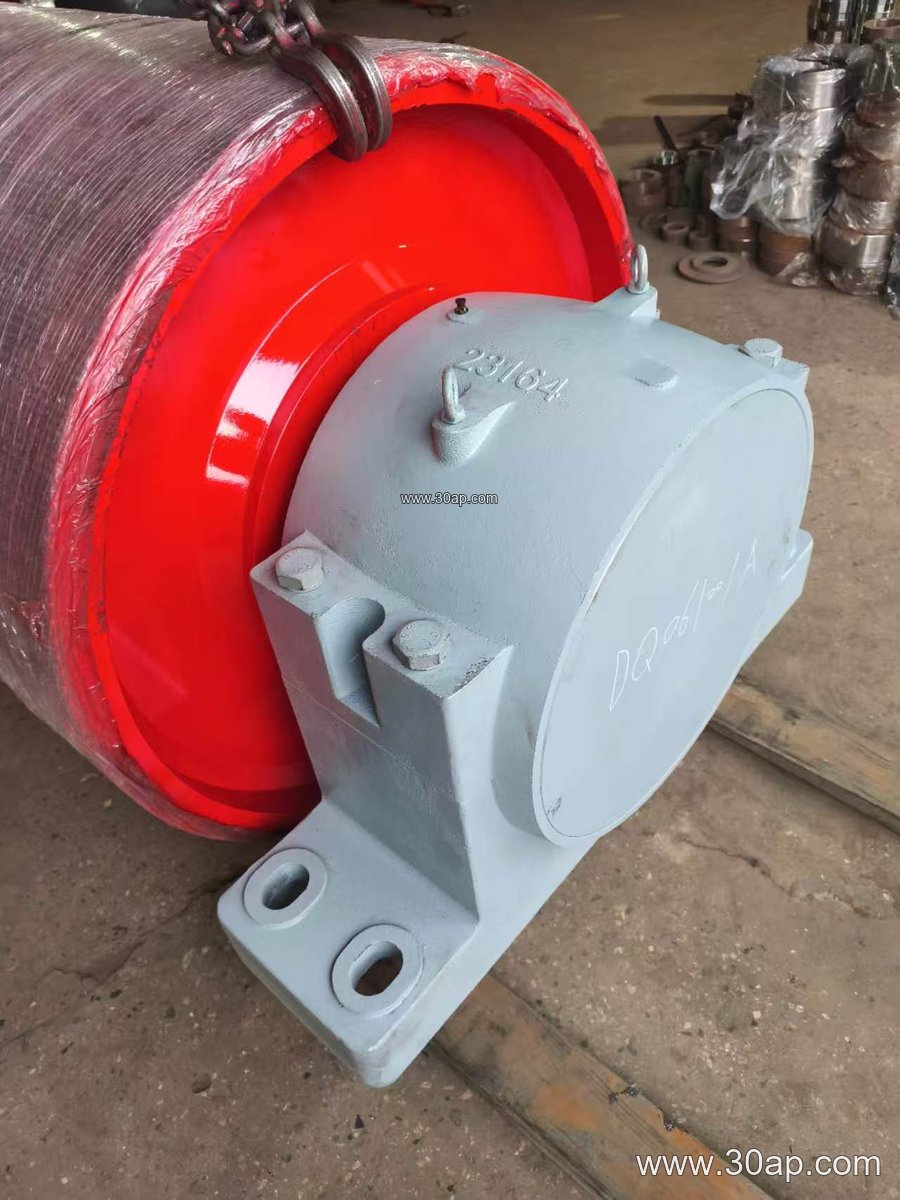
How the Surface Is Built
Most ceramic pulleys start as a plain or rubber-lagged shell. Ceramic tiles, commonly square or rectangular with a chamfered edge, are set into an uncured rubber sheet or a cast polymer layer. The assembly is then vulcanised or bonded to the drum face. Tile size, pattern and spacing vary by maker, and the pattern may include grooves or drainage channels to help water and fines escape from the nip.
Two details matter to a buyer. First, bond quality: poorly bonded tiles lift at the corners and then break away, so the lagging supplier should be able to describe the bonding method. Second, tile height above the backing: too little and the ceramic does not grip, too much and the belt cover wears faster. Common lagging thicknesses in pulley work fall around 8, 10, 12, 15 and 20 mm, with the ceramic layer forming part of that figure.
Where It Fits in a Conveyor
Ceramic lagging is most often specified on the drive pulley, where torque has to pass into the belt. It also appears on bend pulleys and tension pulleys in wet or gritty circuits, because those positions can lose traction just as easily. A tail pulley rarely needs ceramic; there, a plain or rubber surface usually does the job, and the ceramic would simply add cost. Drive, tail and bend pulleys are different duties and should not be treated as interchangeable when specifying lagging.
Typical duty includes:
- Wash plants and aggregate lines where spray water keeps the belt damp
- Coal handling and preparation plants with fine, abrasive dust
- Cement plants and clinker conveying with hot, gritty material
- Power station coal yards and port bulk terminals exposed to weather
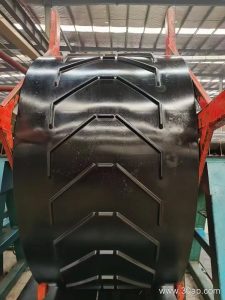
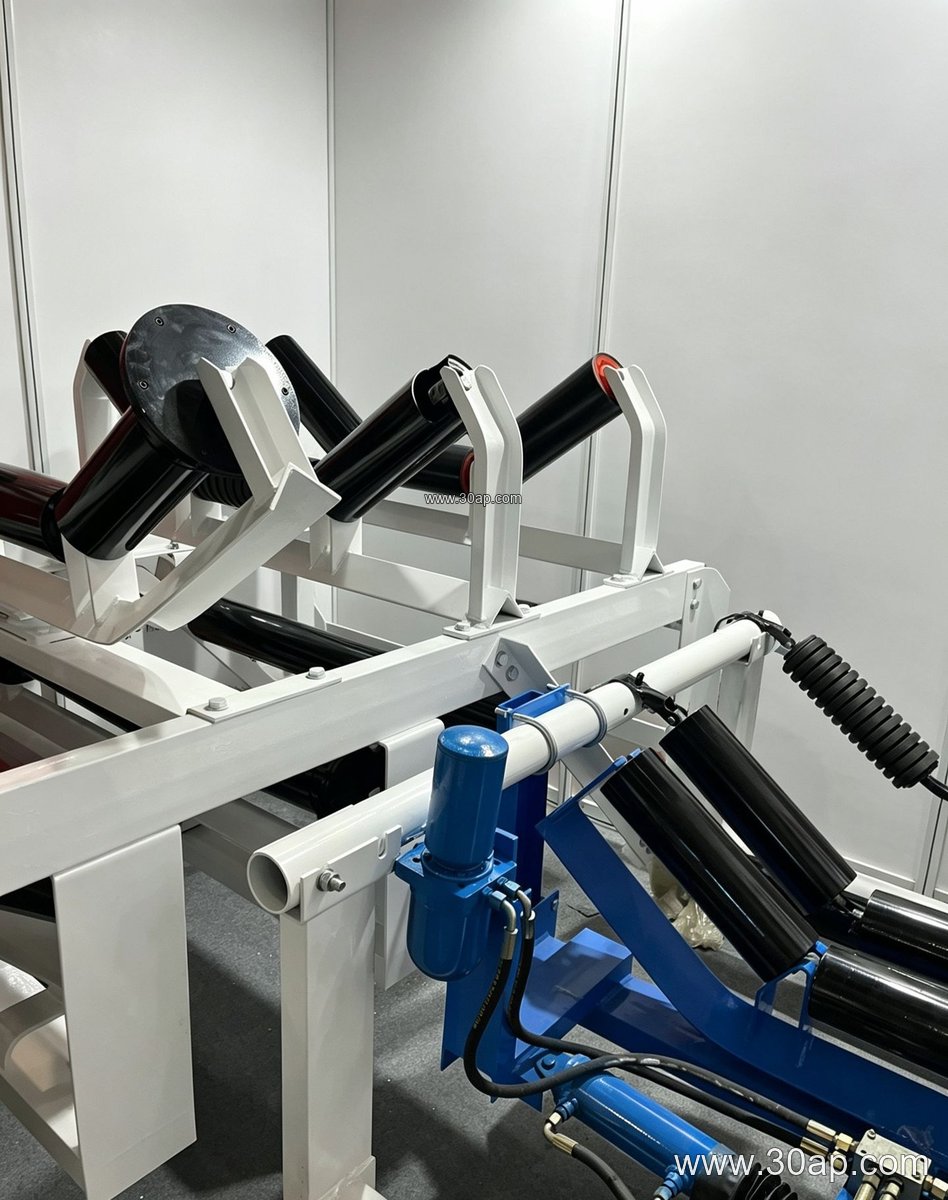
In these settings the pulley works alongside a rubber conveyor belt, conveyor idler rollers and a conveyor bracket frame, and the lagging choice should be made with the belt cover grade in mind.
Sizes and Matching to the Belt
Ceramic pulleys follow the same dimensional logic as any conveyor pulley. Shell width usually exceeds belt width so the belt is fully supported, and diameter is set by torque, belt tension and wrap angle rather than by belt width alone. The table below gives common reference combinations; they are examples, not fixed rules.
| Belt width | Typical shell face | Example pulley size |
|---|---|---|
| B800 | about 950 mm | B800 x Ø500 |
| B1000 | about 1150 mm | B1000 x Ø630 |
| B1200 | about 1400 mm | B1200 x Ø1000 |
| B1400 | about 1600 mm | B1400 x Ø800 |
| B1600 | about 1800 mm | B1600 x Ø1000 |
Diameter options in common use include Ø200, Ø250, Ø315, Ø400, Ø500, Ø630, Ø800, Ø1000 and Ø1250, with larger sizes built to order. Shaft diameters such as Ø80, Ø100, Ø120, Ø140 or Ø160 are determined from torque and bearing load, never from belt width alone. A B1200 belt may run on more than one drum diameter depending on the drive design.
Buyer Checklist
- Confirm the pulley duty: drive, bend or tension. Ceramic is usually wasted on a tail pulley.
- Match lagging to belt cover. A high abrasion resistant conveyor belt and ceramic lagging work well together; a soft cover may wear faster against aggressive tile patterns.
- Check the belt construction. Heavy steel cord conveyor belt and multi-ply fabric core belt behave differently at the drive, so wrap angle and lagging friction should be reviewed together.
- Ask about tile retention and whether the lagging can be re-tiled in place rather than replacing the whole drum.
- Keep the drum clean. Material build-up on a ceramic face reduces grip and can damage the belt edge.
For harsh, wet and abrasive service, a ceramic pulley is often the difference between a drive that holds and one that slips, but it is still one part of a system. Belt grade, idler condition and frame alignment all affect whether that extra grip pays off.