What an NN100 Conveyor Belt Is
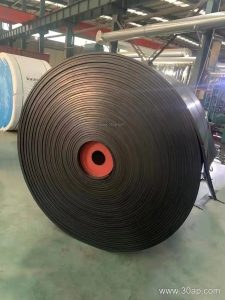
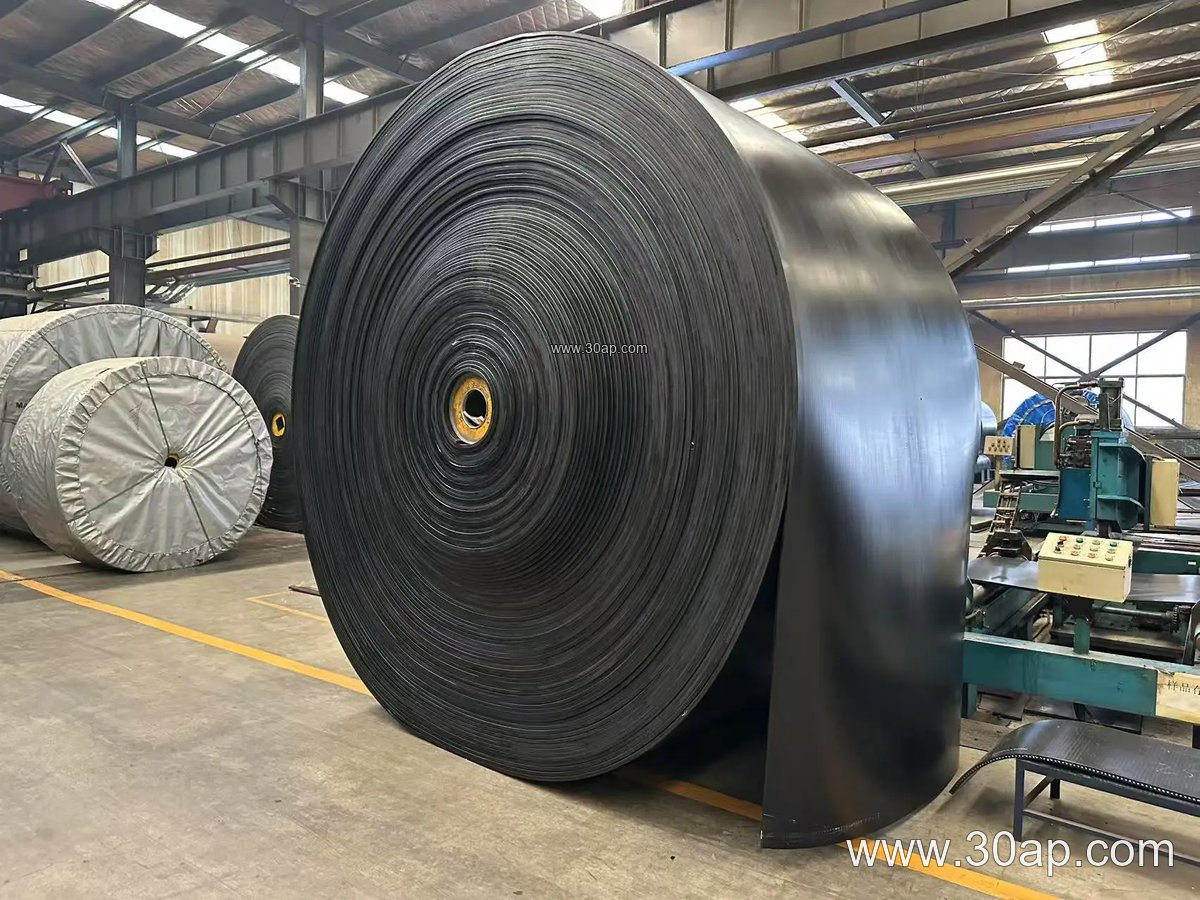
An NN100 Conveyor Belt is a fabric core rubber belt built on nylon-nylon (NN) carcass layers. Both the warp and weft yarns are polyamide, which gives the carcass high tensile strength, strong resistance to fatigue, and excellent elongation recovery compared with cotton or polyester-cotton constructions. The figure 100 refers to the nominal breaking strength of the carcass in newtons per millimeter of belt width. In practice, an NN100 belt is often chosen for medium-duty conveying lines where shock loads, repeated flexing, and long centre distances call for a carcass that can absorb energy without permanent stretch.
This belt sits at the entry level of the NN family, below NN200 and NN300, so it suits lighter tension duty rather than heavy long-haul haulage. Buyers comparing it with an EP Conveyor Belt should note that nylon stretches more under load but recovers better after impact, while polyester is stiffer and holds trough shape more firmly.
Construction and Typical Parameters
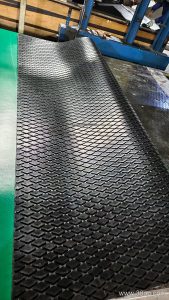
An NN100 belt usually combines a 2-ply to 4-ply nylon carcass with rubber covers on both faces. Cover thickness depends on the duty: light service may use 3+1.5 mm, general bulk handling 4+2 mm or 5+2 mm, and harsher conditions 6+2 mm or 8+3 mm. The rubber compound can be formulated for abrasion resistance, oil resistance, heat resistance, or flame retardancy when the site requires it. Edge construction is normally cut edge or moulded edge, and the belt can be supplied in open length or as an Endless Conveyor Belt vulcanised to the required centre distance.
| Property | Typical reference |
|---|---|
| Carcass type | NN fabric, 2 to 4 plies |
| Nominal strength | NN100 level |
| Belt width | B500, B650, B800, B1000, B1200 mm and wider on request |
| Cover thickness | 3+1.5, 4+2, 5+2, 6+2, 8+3 mm |
| Surface options | Smooth, chevron, skirted, corrugated sidewall |
These values are common references, not fixed specifications. Actual ply count, cover grade, and width should be confirmed with the manufacturer against the conveyor design.
Where It Fits in the Plant
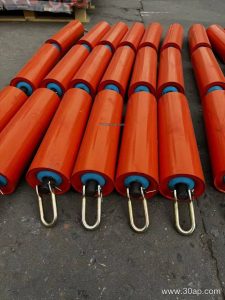
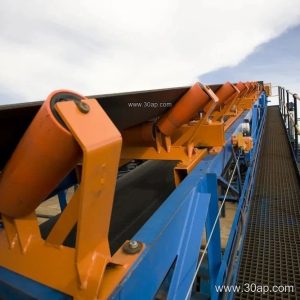
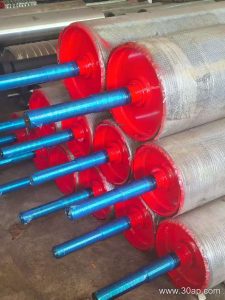
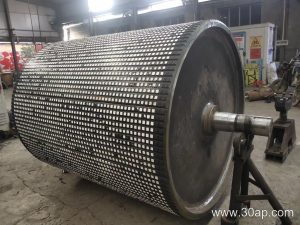
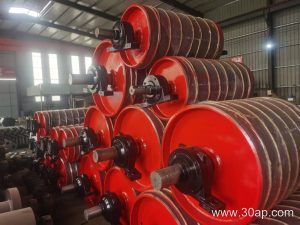
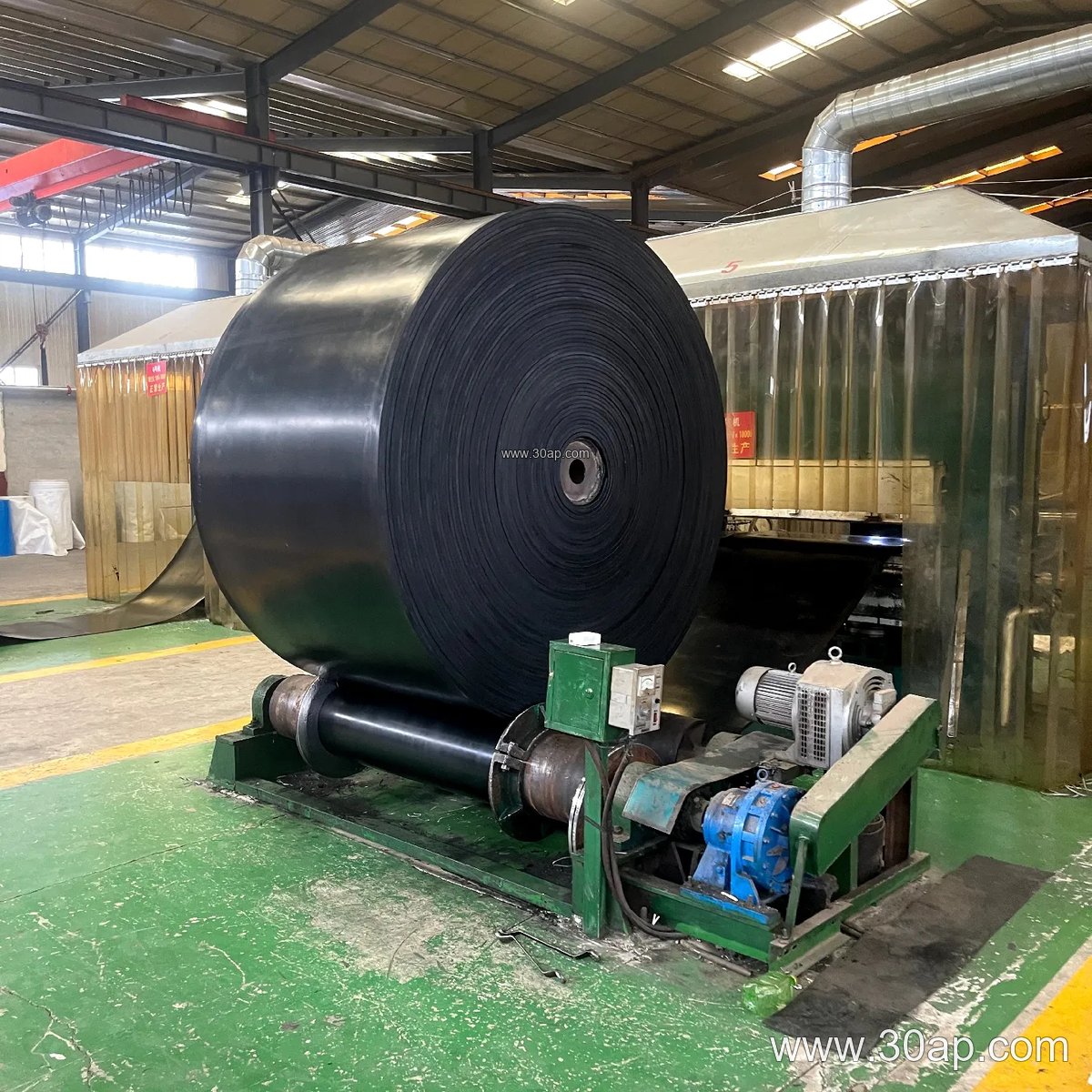
The belt appears across quarry, sand and gravel, cement, power plant, and coal handling circuits. A typical installation runs over a troughed idler roller set, around a head drive pulley and a tail pulley, with a bend pulley or take-up pulley where the route changes. Conveyor bracket and frame details matter as much as the belt itself, because misalignment at the tail pulley or worn idlers can shorten cover life quickly.
In a stone crushing line, an NN100 belt may serve as a secondary or transfer belt after the primary crusher, where lumps are smaller and tension demand is moderate. In a cement plant it might carry clinker or additives on a short-to-medium conveyor. For heavier main haulage, engineers often move up to NN200, NN300, or a Steel Cord Conveyor Belt; for oily recycled material, an Oil Resistant Conveyor Belt compound is more suitable. When the route needs steep inclines, a Chevron Conveyor Belt can replace the smooth surface, and where spillage is a concern, a Skirted Conveyor Belt or Corrugated Sidewall Conveyor Belt keeps material contained.
Selection Points for Buyers
- Match belt strength to the calculated maximum tension, not just to the motor power; include starting and stopping loads.
- Confirm the pulley diameters with the belt supplier, since a thin carcass tolerates smaller pulleys than a stiff multi-ply construction, but no single belt width dictates one shaft size.
- Choose cover thickness from the material: sharp rock calls for thicker abrasion resistant rubber, while coal may call for flame retardant grades.
- Check the idler roller spacing and trough angle, because nylon carcass belts need proper support to trough well.
- State the ambient temperature and any oil, acid, or alkali exposure so the compound can be adjusted.
Installation and Maintenance Notes
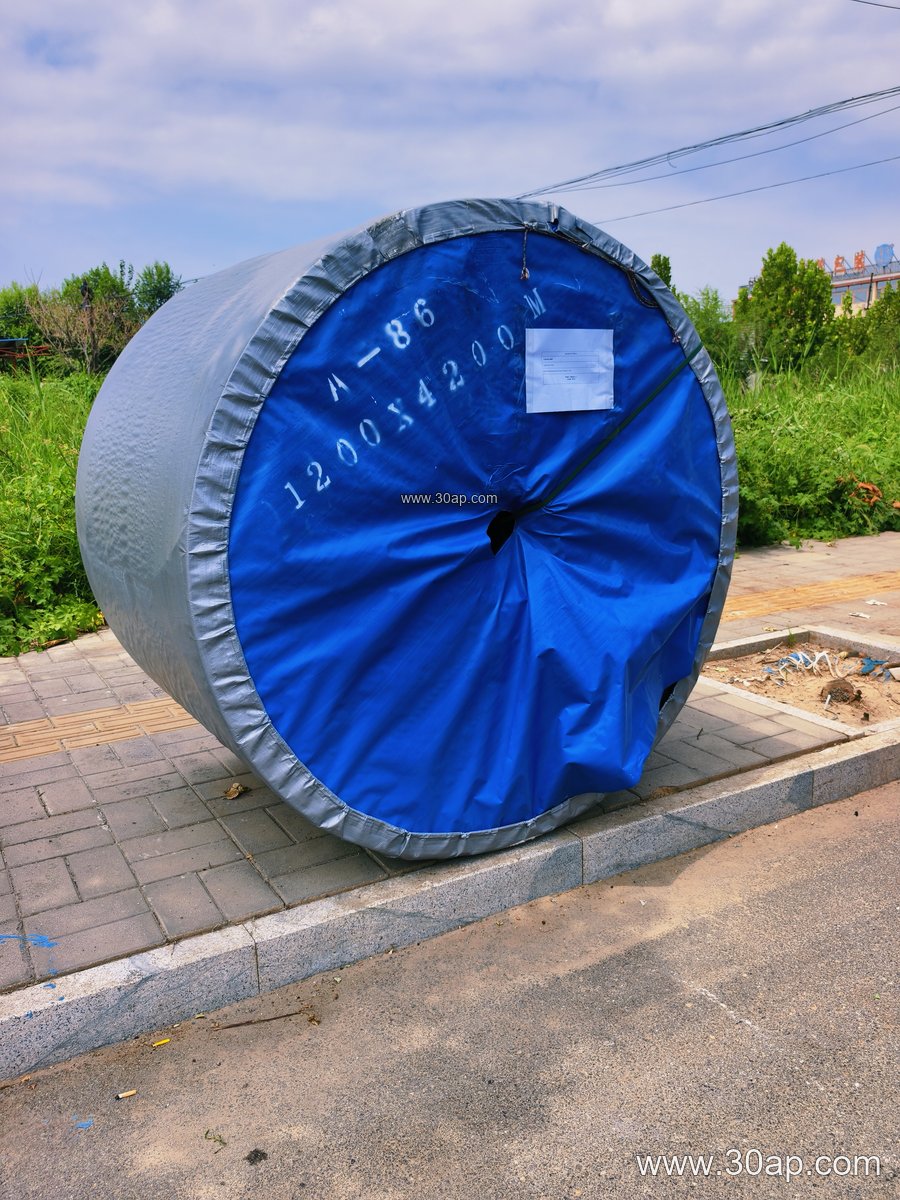
Store belts away from sunlight and ozone sources, and support coils on a suitable core. During splicing, keep plies square and avoid excessive step length that weakens the joint. After commissioning, check tracking at the tail pulley and bend pulley, inspect idler roller rotation, and re-tension the take-up gradually. Small cover cuts should be repaired before they reach the carcass, because moisture entering nylon fabric reduces strength. A regular walk along the conveyor frame, looking for material build-up and pulley lagging wear, prevents most unplanned stops.
For plants that need a wider belt, widths such as 1200mm, 1400mm, and 1600mm are available in the NN range, while very wide or special-duty lines may justify an EP or steel cord design. The key is to treat NN100 as a defined engineering choice for moderate tension and impact-prone duty, not as a universal belt for every conveyor.