What the ST2500 Conveyor Belt Is
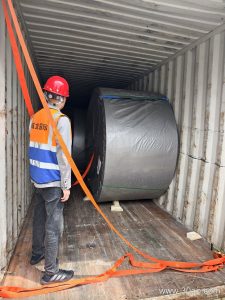
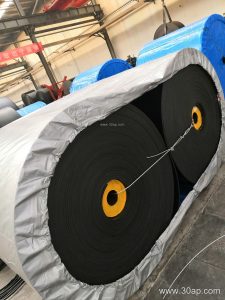
The ST2500 Conveyor Belt is a steel cord conveyor belt with a nominal tensile strength of 2500 N/mm. It belongs to the steel cord family of heavy-duty belts, where the load-bearing skeleton is a single layer of high-tension steel cables running longitudinally through the rubber. In the ST naming convention, the number indicates belt strength rather than a belt width or pulley size. The ST2500 sits in the upper range of commonly produced steel cord belts, above ST2000 and below ST3150, and is chosen when a conveyor must move large tonnages over long distances with limited take-up travel.
Construction and Materials
A typical ST2500 Conveyor Belt combines galvanized or brass-plated steel cords, an adhesive core compound, and top and bottom cover rubber. The cords are spaced evenly across the width and are protected by a cushion layer that prevents chafing between cables. Cover thickness is usually specified as a top plus bottom pairing, and the rubber grade is matched to the duty.
- Steel cord skeleton for high tensile loads and low elongation
- Cover grades for abrasion, heat, oil, flame resistance, or cold service
- Optional transverse reinforcement for impact zones
- Splice-friendly cord layout for vulcanized joints
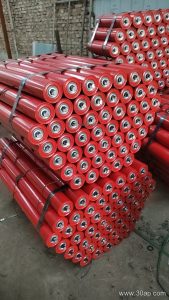
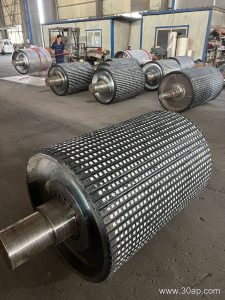
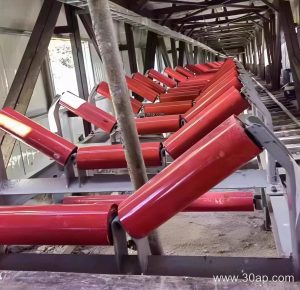
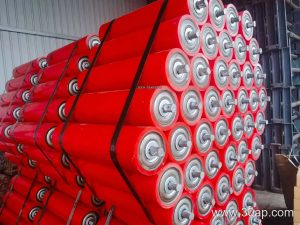
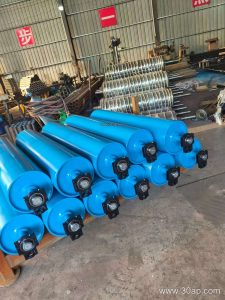
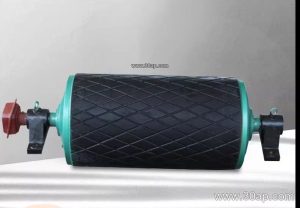
Because the belt is a tension member, the ST2500 Conveyor Belt is normally paired with a conveyor pulley sized for the resulting loads, plus idler roller stations and conveyor bracket sets that keep the belt tracking correctly. Drive, tail, and bend pulleys each do a different job and should not be treated as interchangeable.
Where It Fits in the Plant
Steel cord belts are common in mining, coal mining, cement, power plants, ports, and large quarry and aggregate operations. The ST2500 Conveyor Belt is often found on main haulage lines, long overland conveyors, ship loading systems, and crusher feed or discharge routes where a high strength conveyor belt reduces the number of transfer points. In cement plants it may carry clinker or limestone; in power plants it may handle coal; in iron ore and copper ore operations it moves heavy, abrasive bulk material. A flame retardant conveyor belt grade is frequently requested for underground coal mining conveyor applications, while abrasion resistant cover compounds suit rock and ore duty.
Specifications Buyers Should Confirm
Values below are common reference ranges, not universal guarantees. Final figures are set by design and vary between manufacturers.
| Parameter | Typical reference |
|---|---|
| Belt strength | ST2500 (2500 N/mm nominal) |
| Belt width | B800, B1000, B1200, B1400, B1600, B1800, B2000 |
| Cover thickness | 4+2, 5+2, 6+2, 8+3 mm |
| Cover grade | Abrasion resistant, heat resistant, oil resistant, flame retardant, anti-static, cold resistant |
| Cord construction | Single-layer steel cord, count and pitch by design |
Note that belt width and pulley diameter are separate design decisions; a given width does not lock the belt to one pulley size. Shaft diameter follows the calculated torque and radial load, not the belt width alone.
Selection and Comparison Notes
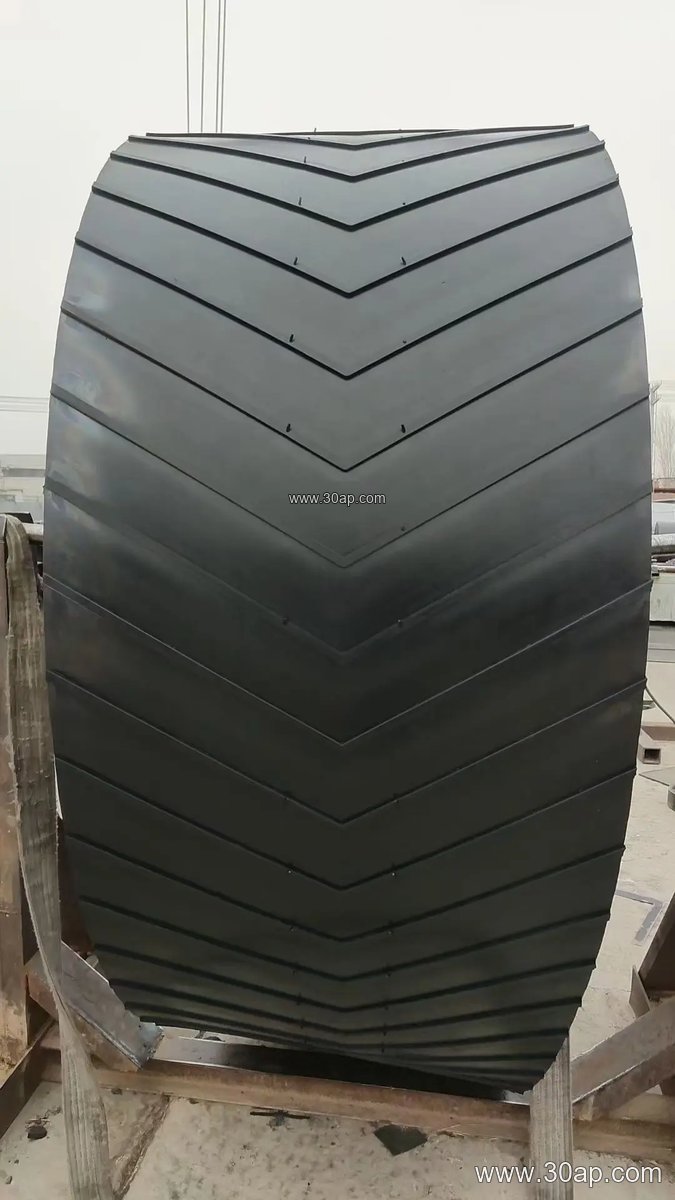
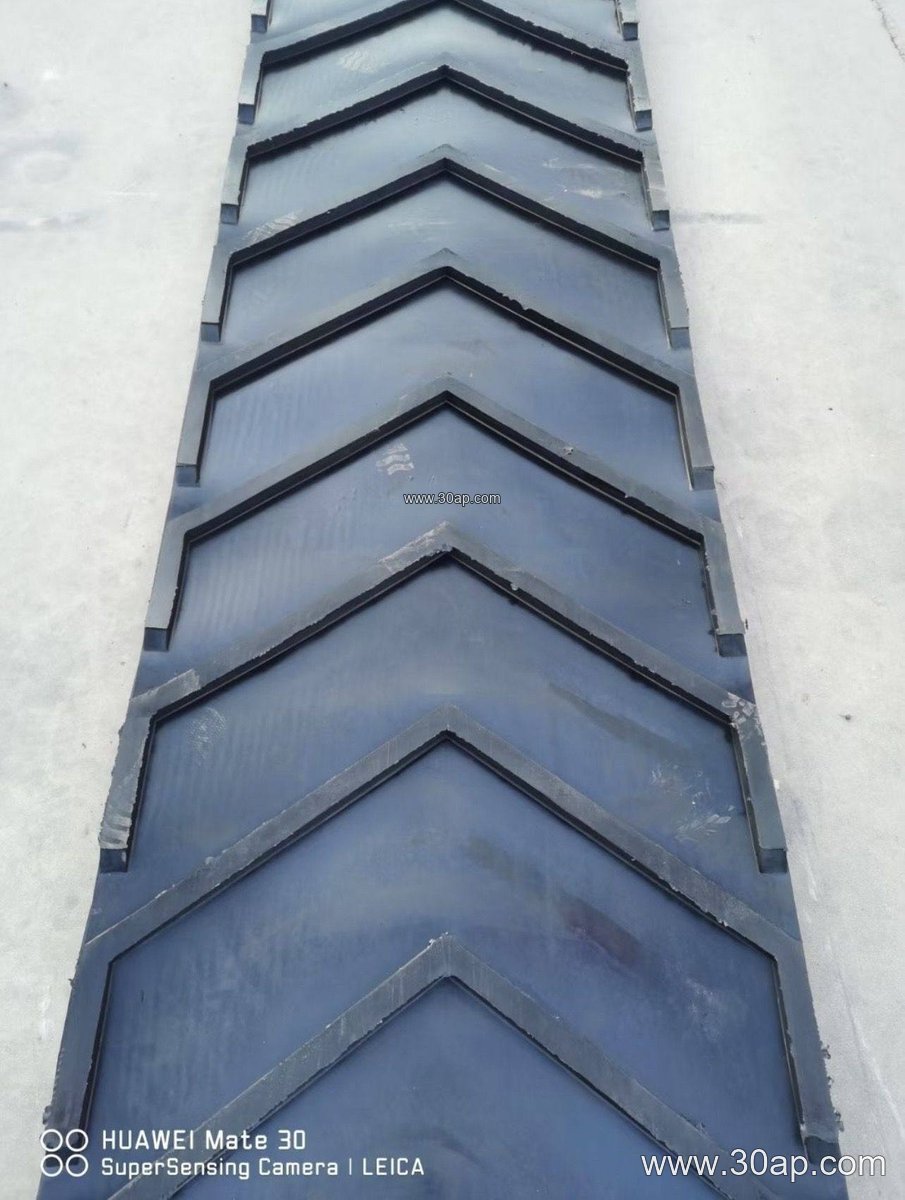
Compared with a multi-ply fabric core belt such as an EP conveyor belt or NN conveyor belt, the ST2500 offers much higher strength per unit width and far lower elongation, which helps on long inclines and in tension-sensitive drives. Fabric belts remain a good fit for shorter runs and lighter duty. Where the route needs steep angles, a chevron conveyor belt or corrugated sidewall belt may be considered, but those are different products with their own load limits. For underground coal work, PVG conveyor belts are also widely used, and the choice between PVG and steel cord depends on the required strength, fire performance, and splice method.
When specifying, confirm the actual belt width needed for the tonnage, the maximum lump size, impact energy at the loading point, ambient and material temperature, and whether the belt must be anti-static or fire resistant. Ask for the cord pitch and splice drawing so the vulcanizing press and joint procedure match the belt.
Installation and Maintenance Essentials
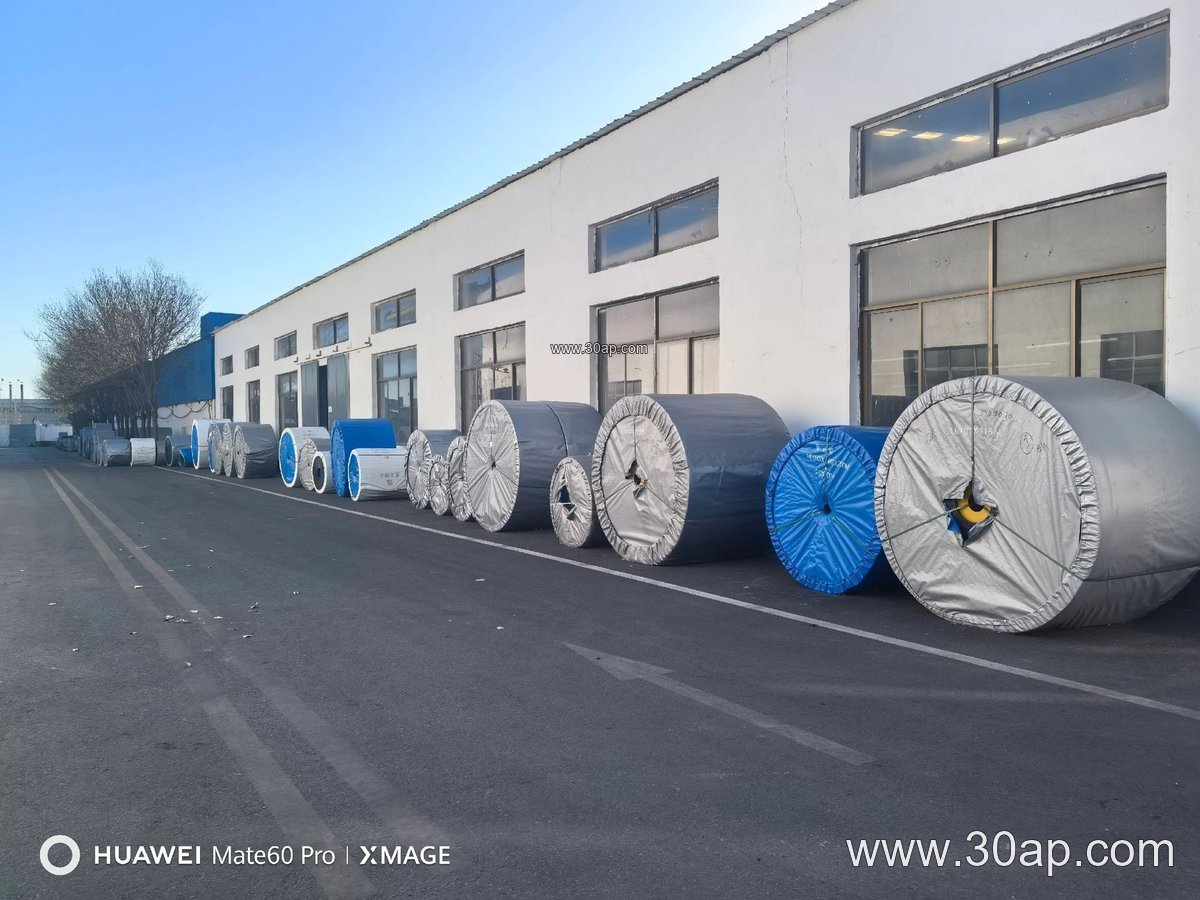
Correct alignment of the conveyor pulley, idler roller frames, and conveyor bracket supports protects the belt edge and prevents tracking drift. Keep loading centered and use impact idlers or cushioning at transfer points. Inspect splices regularly, since a steel cord belt fails most often at the joint rather than in the carcass. Monitor cover wear and remove trapped material from pulleys. Store spare belt rolls flat and protected from sunlight and ozone.
For buyers sourcing conveyor belts, idlers, and pulleys together, matching the ST2500 Conveyor Belt to the drive design from the start avoids costly rework later.