What This Belt Does in a Sand Line
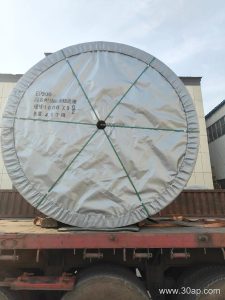
A Sand Making Plant Conveyor Belt moves crushed rock, manufactured sand, and screened aggregate between the hopper, the sand maker, the vibrating screen, and the stockpile. The duty is rarely gentle. Material may arrive hot from a crusher, wet from a wash stage, or sharp from a VSI. The belt therefore has to match the plant layout, the lump size, and the tonnage rather than simply filling a frame.
In practice, engineers describe this item as a stone crushing conveyor belt or a crusher conveyor belt. Those names point to the same job: continuous transport of abrasive bulk material on a closed loop of rubber or fabric-reinforced carcass.
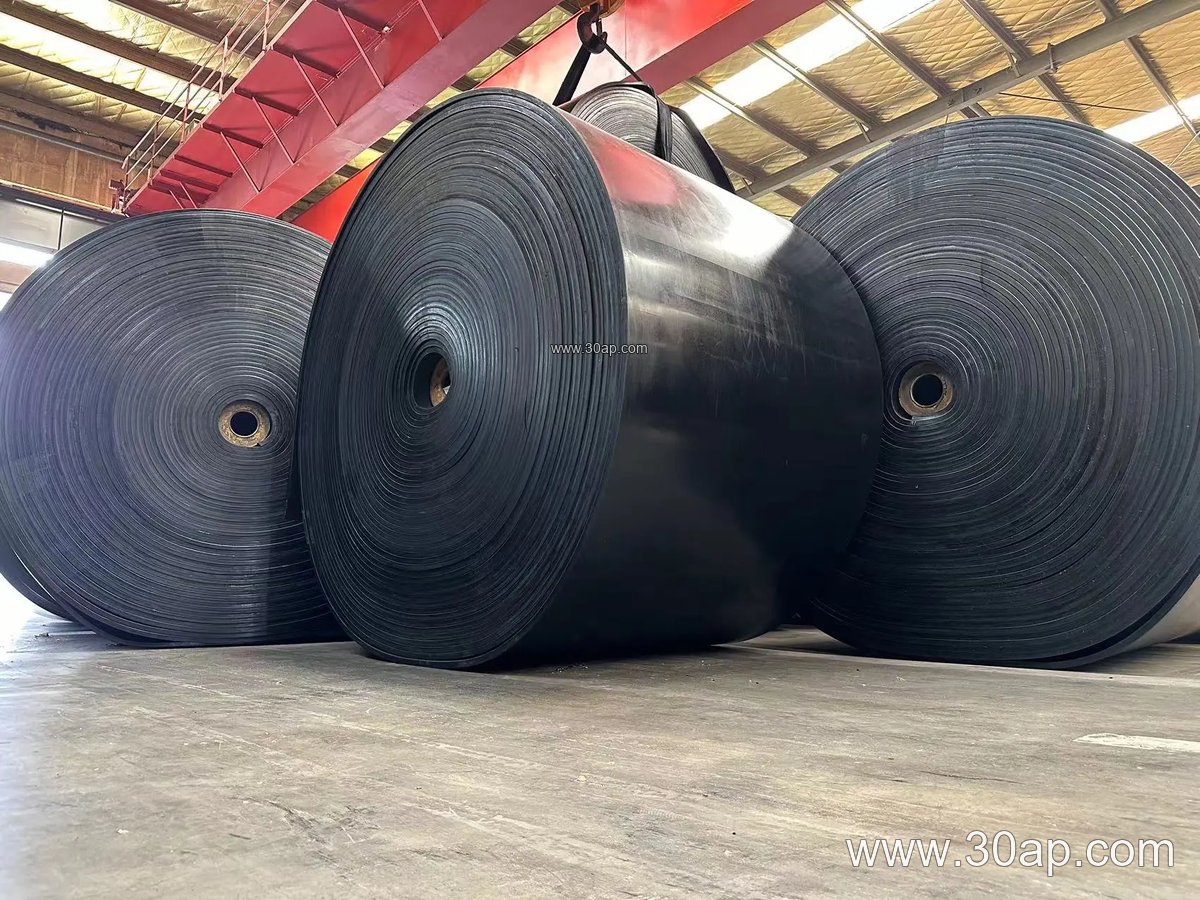
Construction and Main Components
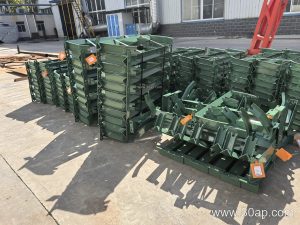
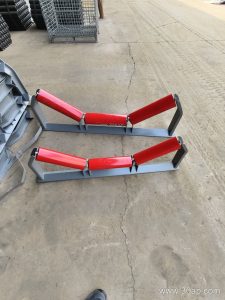
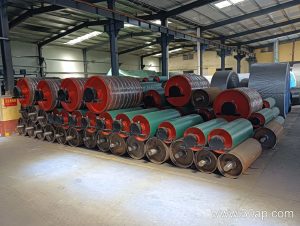
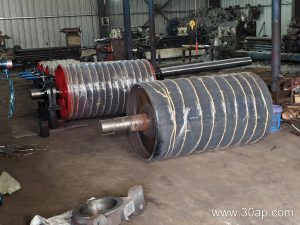
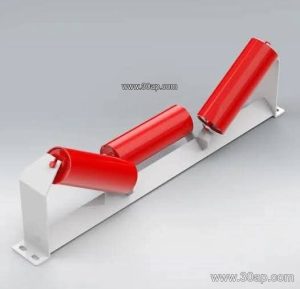
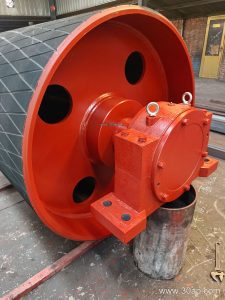
A typical unit combines a tensioned belt, a drive pulley, a tail pulley, bend pulleys, carrying idlers, return idlers, and a steel bracket frame. The terms are not interchangeable. The drive pulley transmits torque, the tail pulley sets the return end, and a bend pulley only changes direction. Idler spacing and pulley diameter are set by the belt width, tension, and load, so a given width does not lock in one shaft size.
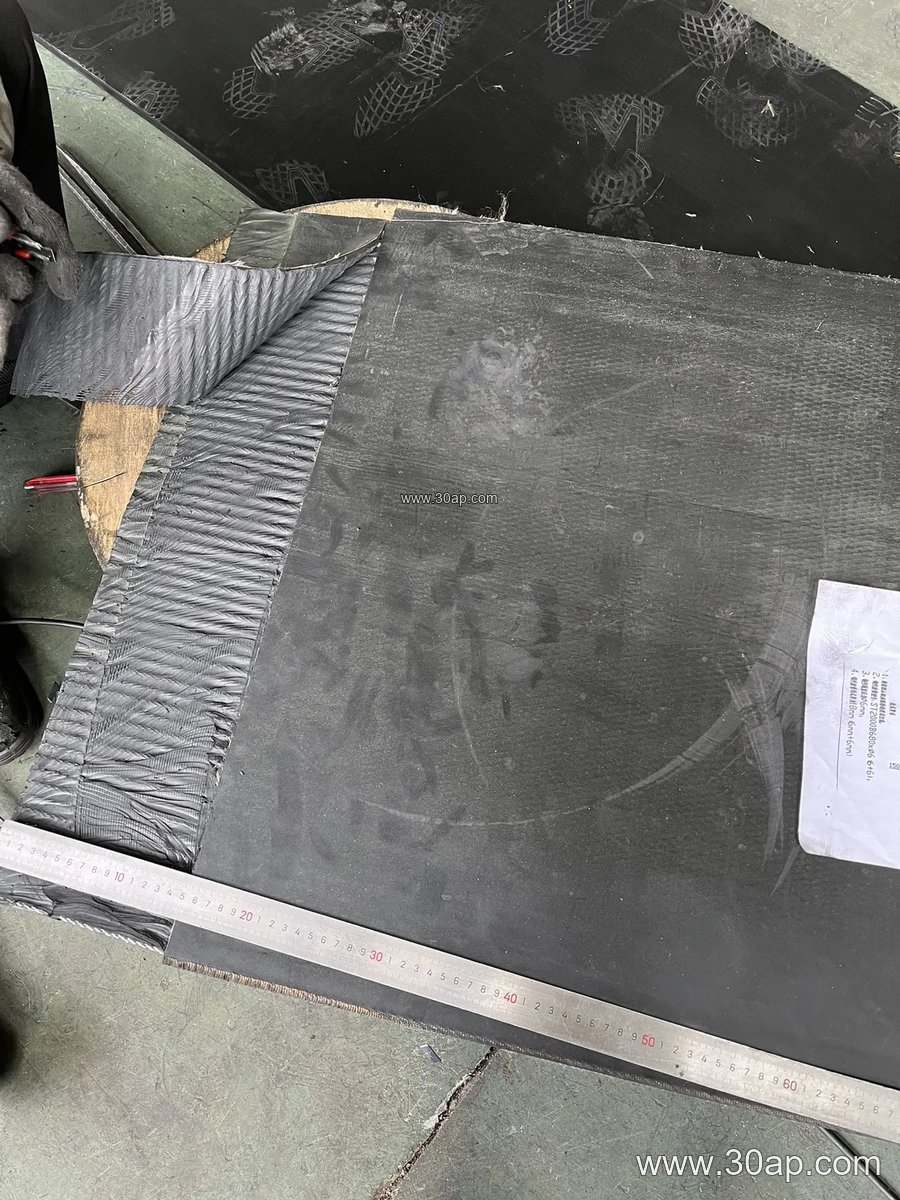
- Cover rubber protects the carcass from impact and abrasion.
- The fabric or steel carcass carries the working tension.
- Skirt rubber and chute liners guide the feed at transfer points.
- A scraper and a training idler help keep the belt tracking.
Common Belt Types and Reference Data
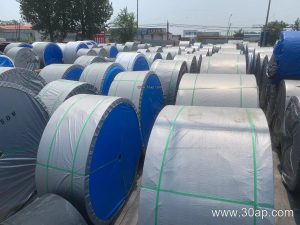
Fabric-core constructions are common in medium-duty sand plants. An EP conveyor belt with polyester warp and nylon weft balances low stretch with good fatigue life. An NN conveyor belt uses nylon in both directions and offers high elasticity where shock loading is frequent. Steel cord conveyor belt is chosen for long runs and high tension. Heat resistant conveyor belt, oil resistant conveyor belt, flame retardant conveyor belt, and abrasion resistant conveyor belt grades appear where the process demands them.
| Item | Reference values |
|---|---|
| Fabric core grades | EP200, EP315, EP400, EP500, EP630, EP800, EP1000, EP1250, EP1600 |
| Nylon grades | NN100, NN200, NN300, NN400 |
| Steel cord grades | ST1000, ST1250, ST1600, ST2000, ST2500 |
| Belt width | B500, B650, B800, B1000, B1200, B1400, B1600, B1800, B2000 |
| Top and bottom cover | 3+1.5, 4+2, 5+2, 6+2, 8+3 mm |
| Carcass plies | Usually 2 to 6 layers for fabric types |
These figures are reference points only. Final selection follows the conveyor design, and suppliers differ. A 1200mm wide conveyor belt is a frequent choice in mid-size plants, while 800mm and 1000mm belts suit narrower circuits. Very large installations may use a 1600mm or 1800mm wide conveyor belt.
Where It Fits Across Industries
Sand plants rarely stand alone. The same belt family serves quarry conveyor belt duty, aggregate conveyor belt lines, and cement conveyor belt circuits. In mining conveyor belt applications, a heavy-duty mining conveyor belt may carry ore from a primary crusher, and an underground coal mining conveyor belt must meet flame retardant requirements. Power plant conveyor belt systems handle coal and limestone, while a steel plant conveyor belt may move sinter or slag. Port conveyor belt and ship loading conveyor belt layouts favor high-tension steel cord designs.
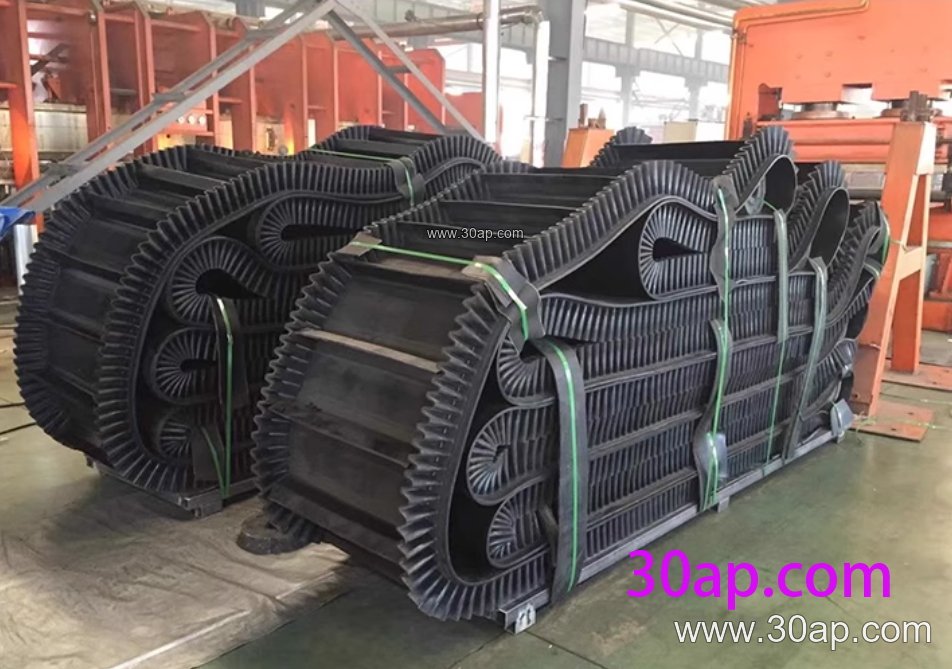
Special profiles solve specific problems. A chevron conveyor belt or corrugated sidewall conveyor belt handles steep inclines. A skirted conveyor belt contains material at the loading point. A pipe conveyor belt encloses the load for dusty or curved routes. An endless conveyor belt reduces splice count on short, high-cycle lines.
Selection Points for Buyers
Start with the material: size, moisture, temperature, and abrasiveness. Then confirm the belt width, the required tensile grade, and the cover thickness. A plant handling wet, fine sand may need a different cover compound than one handling dry, sharp chippings. Check the pulley diameters against the carcass flexibility, and confirm idler roller spacing along the carrying side. The conveyor bracket layout should leave room for maintenance access.
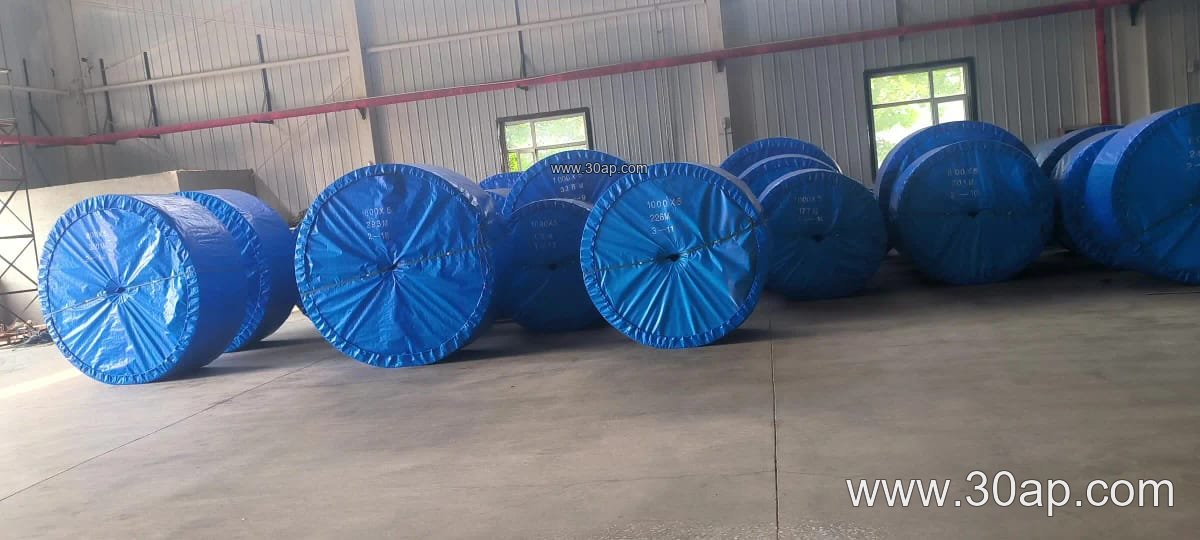
Ask for the splice method, the recommended minimum pulley size, and the storage advice. Confirm whether the belt is cut to length or supplied as an endless belt. For a sand making plant conveyor belt, the goal is a stable loop that resists abrasion, tracks cleanly, and keeps the sand maker fed without unplanned stops.