What a Mining Conveyor Bracket Does
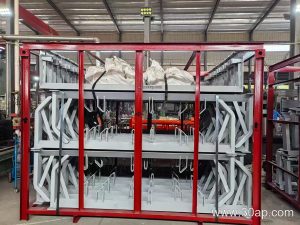
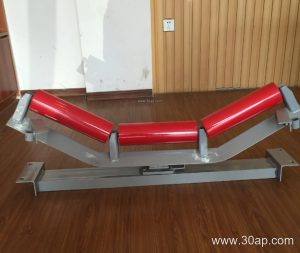
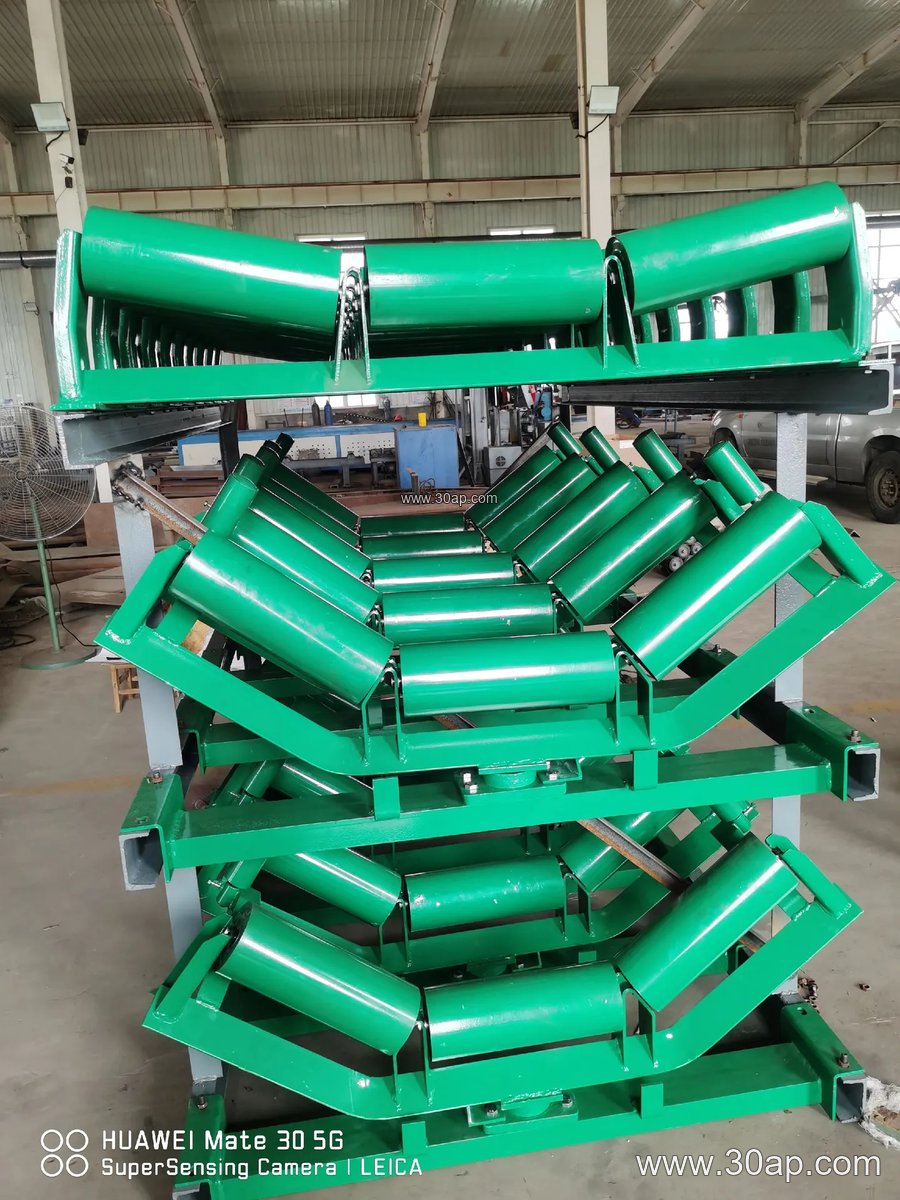
A mining conveyor bracket is the structural support that holds idler rollers in the correct position under and over the conveyor belt. It is the interface between the roller and the conveyor frame, and it determines the trough angle, the roller spacing, and how well the belt tracks under load. In a quarry, a coal preparation plant, or an iron ore transfer station, these brackets carry the weight of the belt, the material, and the rollers themselves, so their design and installation matter as much as the belt and pulleys.
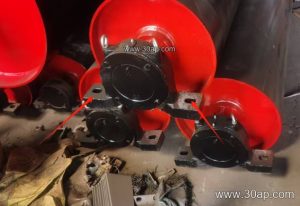
The bracket is often called a conveyor idler bracket or roller support bracket, and the two names describe the same component. It should not be confused with a conveyor pulley, which drives or redirects the belt at the head and tail of the system.
How the Bracket Is Built
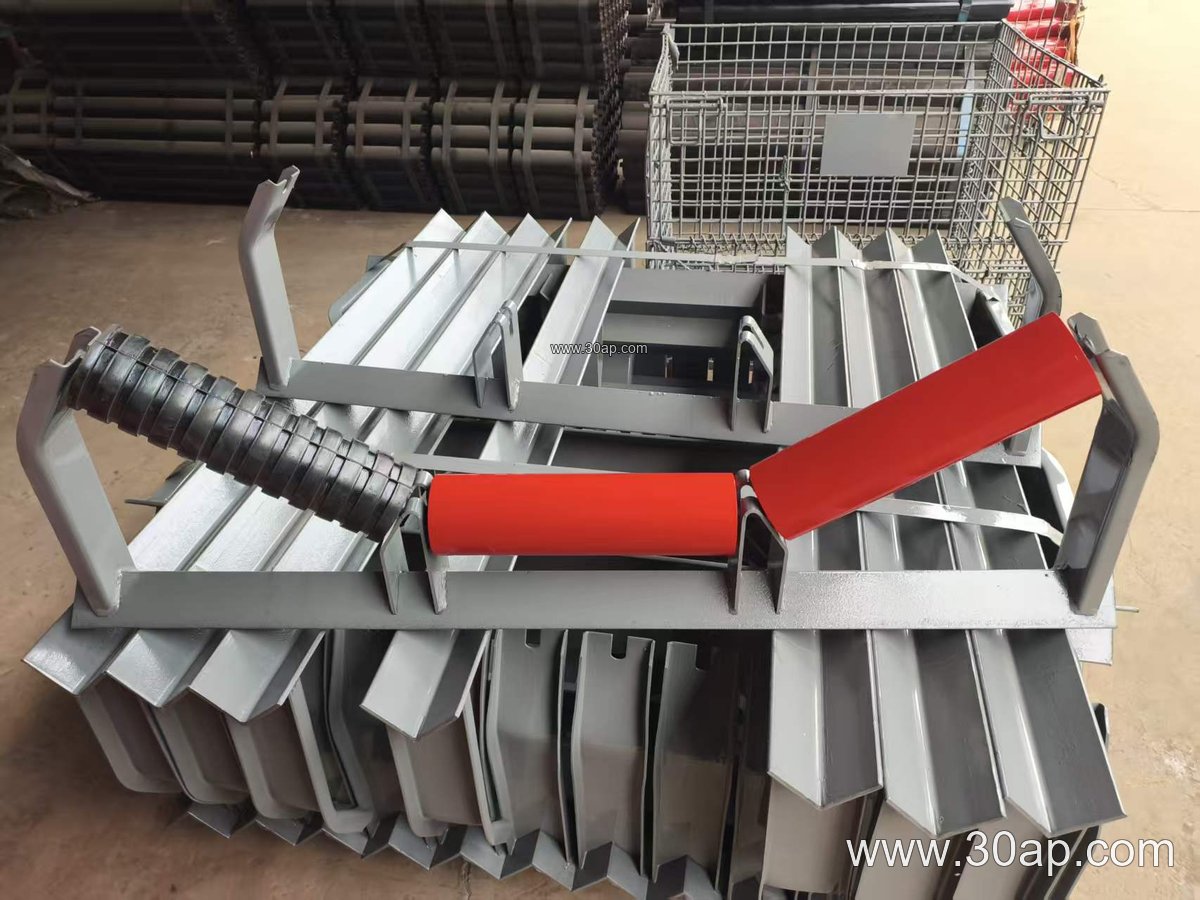
Most brackets are fabricated from angle steel, channel steel, or folded steel plate. The material choice depends on the load and the environment. In dusty, wet, or corrosive conditions, galvanized or painted finishes are common. A typical troughing bracket has inclined arms that set the side rollers at an angle, while a return bracket holds a single flat or V-shaped roller under the belt.
Key dimensions include the mounting hole spacing, the crossbeam length, and the roller cradle position. These are not universal numbers; they change with belt width, trough angle, and roller diameter. A buyer should always confirm the hole pattern against the existing frame before ordering.
Common Types and Where They Fit
- Troughing bracket — supports the carrying side, usually with three rollers at 20°, 30°, 35°, or 45°.
- Transition bracket — used near the head and tail pulleys to ease the belt from flat to troughed.
- Return bracket — supports the empty side, flat or V-shaped.
- Impact bracket — placed under loading points to absorb shock.
- Self-aligning bracket — helps correct belt drift on long runs.
- Adjustable bracket — allows the trough angle to be changed on site.
Each type serves a different position. A troughing bracket is not a substitute for a return bracket, and an impact bracket is not a replacement for a standard carrying bracket.
Matching Brackets to Belt and Roller Sizes
The bracket must match the belt width and roller diameter used on the line. The table below shows typical reference combinations; actual values should be confirmed by design.
| Belt Width | Trough Angle | Roller Diameter |
|---|---|---|
| B500 | 20°–30° | Ø89 |
| B650 | 30° | Ø89 |
| B800 | 35° | Ø108 |
| B1000 | 35°–45° | Ø108–Ø133 |
| B1200 | 45° | Ø133 |
| B1400 | 35°–45° | Ø133–Ø159 |
| B1600 | 35°–45° | Ø159 |
| B1800 | 35°–45° | Ø159–Ø194 |
These are common references, not fixed rules. A wider belt does not force a single trough angle, and a given belt width can work with more than one roller diameter depending on load and speed.
Installation and Maintenance Notes
Correct alignment at installation prevents most tracking problems. Brackets should sit square to the belt centerline, with consistent height across the frame. Bolts should be tightened to the specified torque and checked after the first weeks of operation. In coal mining and power plant coal handling, where fine dust accumulates, periodic cleaning around the bracket prevents roller seizure and belt wear.
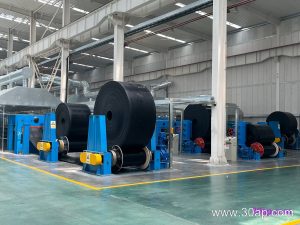
For abrasive bulk material such as ore or aggregate, pairing the right bracket with an abrasion resistant conveyor belt and quality idler rollers extends service life. In underground coal mining, flame retardant conveyor belt and anti-static conveyor belt are typical selections, and the brackets should be specified to suit the same environment.
Buyer Checklist
- Confirm belt width, trough angle, and roller diameter.
- Check mounting hole spacing and crossbeam length.
- Match bracket type to position: carrying, return, transition, or impact.
- Specify material and finish for the site conditions.
- Ask for a dimensional drawing before production.
Whether the line runs a fabric core conveyor belt, a steel cord conveyor belt, or a chevron conveyor belt, the bracket is the quiet component that keeps everything in line. For more on related components such as 输送带 and 托辊, or to discuss conveyor bracket options for your project, contact the supplier with your frame dimensions and duty conditions.