What a Carbon Steel Conveyor Bracket Does
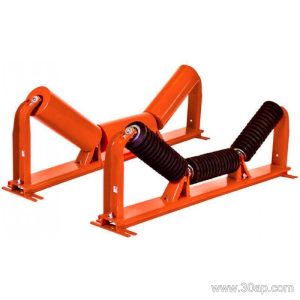
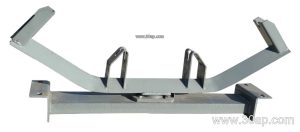
A carbon steel conveyor bracket is the structural support that holds the idler roller in the correct position under or above the conveyor belt. It carries the weight of the loaded belt, keeps the trough shape consistent, and transfers the load into the conveyor frame. In a quarry, a coal preparation plant, or a cement plant, these brackets are among the most numerous fabricated parts on the line, so their accuracy and finish have a direct effect on belt tracking and roller life.
The same item is also called a carbon steel conveyor support bracket or a carbon steel idler bracket. All three names describe the same product. The bracket is not a pulley and not a roller; it is the mounting structure that connects the idler roller to the conveyor stringer.
How the Bracket Is Built
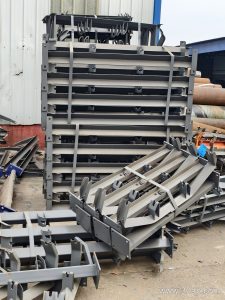
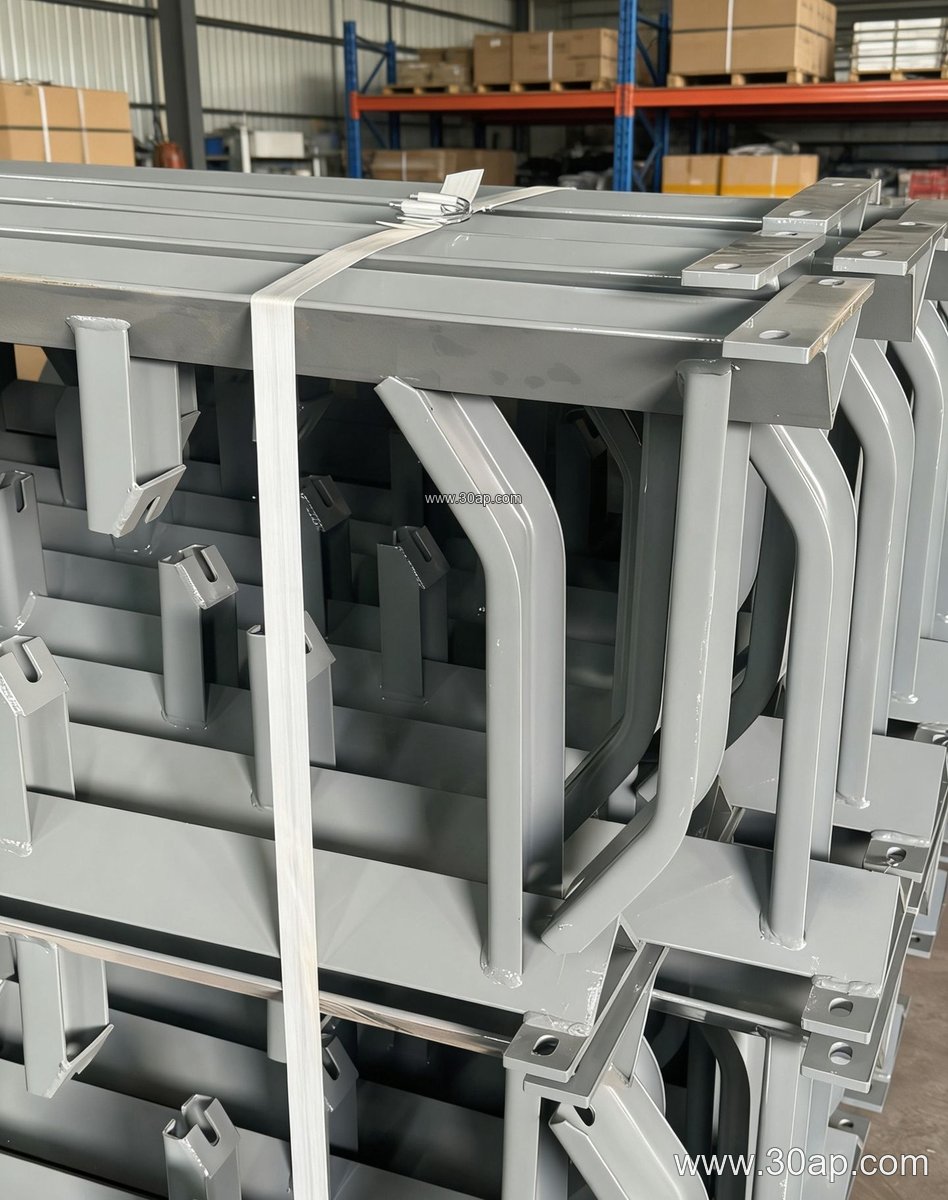
Most units are fabricated from angle steel, channel steel, or folded steel plate. The choice depends on load and span. A light bracket for a B650 or B800 belt may use angle steel, while a B1400 or B1600 line in an iron ore plant or a power plant coal yard usually calls for channel or folded plate with gussets. Holes are drilled or punched for the idler shaft, and the mounting feet are positioned to suit the frame spacing.
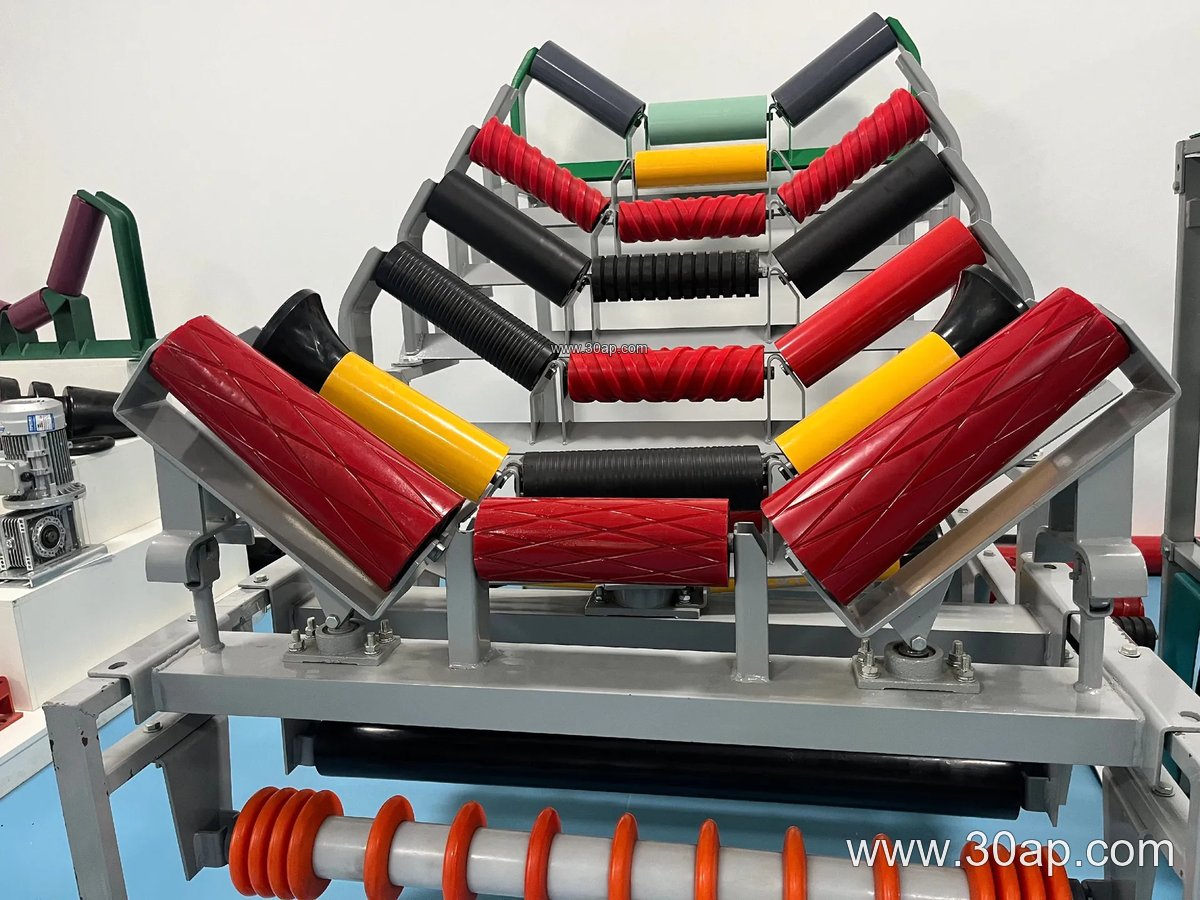
Fabrication quality matters more than appearance. Weld seams should be continuous at load points, hole pitch should match the frame, and the surface should be cleaned and painted or galvanized. A bracket that is twisted by a few millimeters will tilt the roller and cause the belt to run to one side.
Types and Where Each One Fits
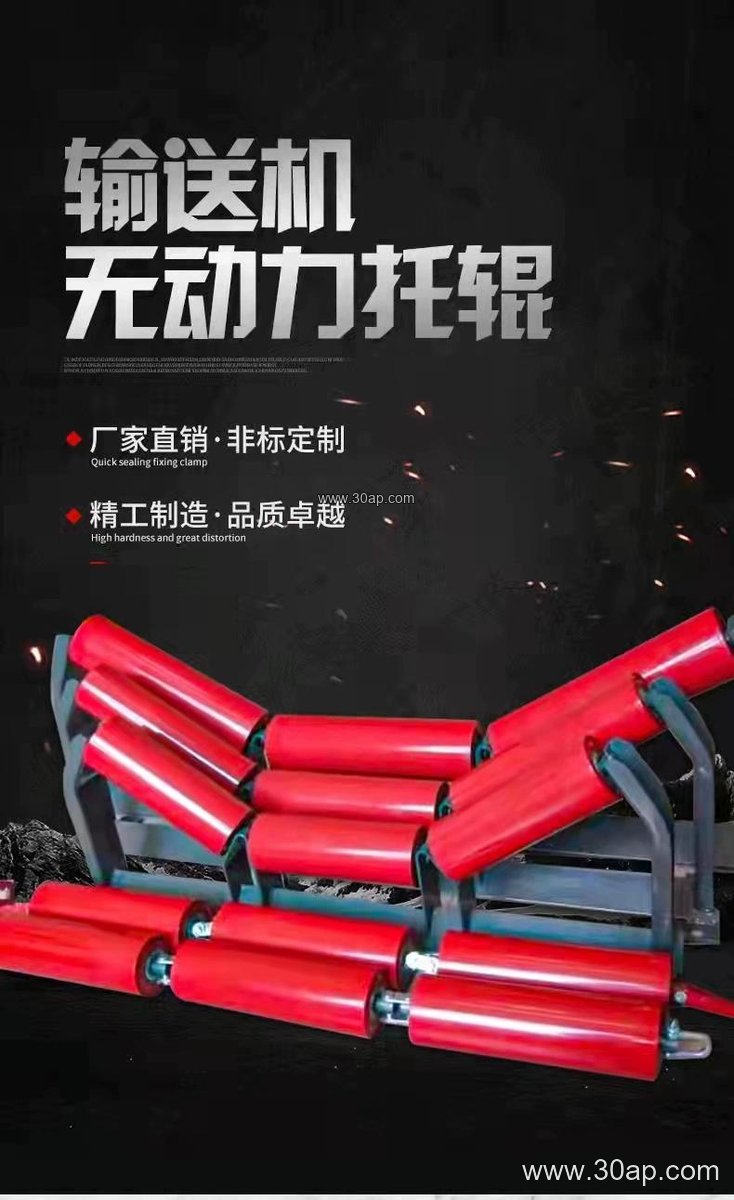
Carbon steel conveyor brackets are made in several forms, and each serves a different position on the conveyor:
- Trough bracket or upper trough bracket, carrying the three-roll trough set on the load side.
- Transition bracket, used where the belt changes from flat to troughed.
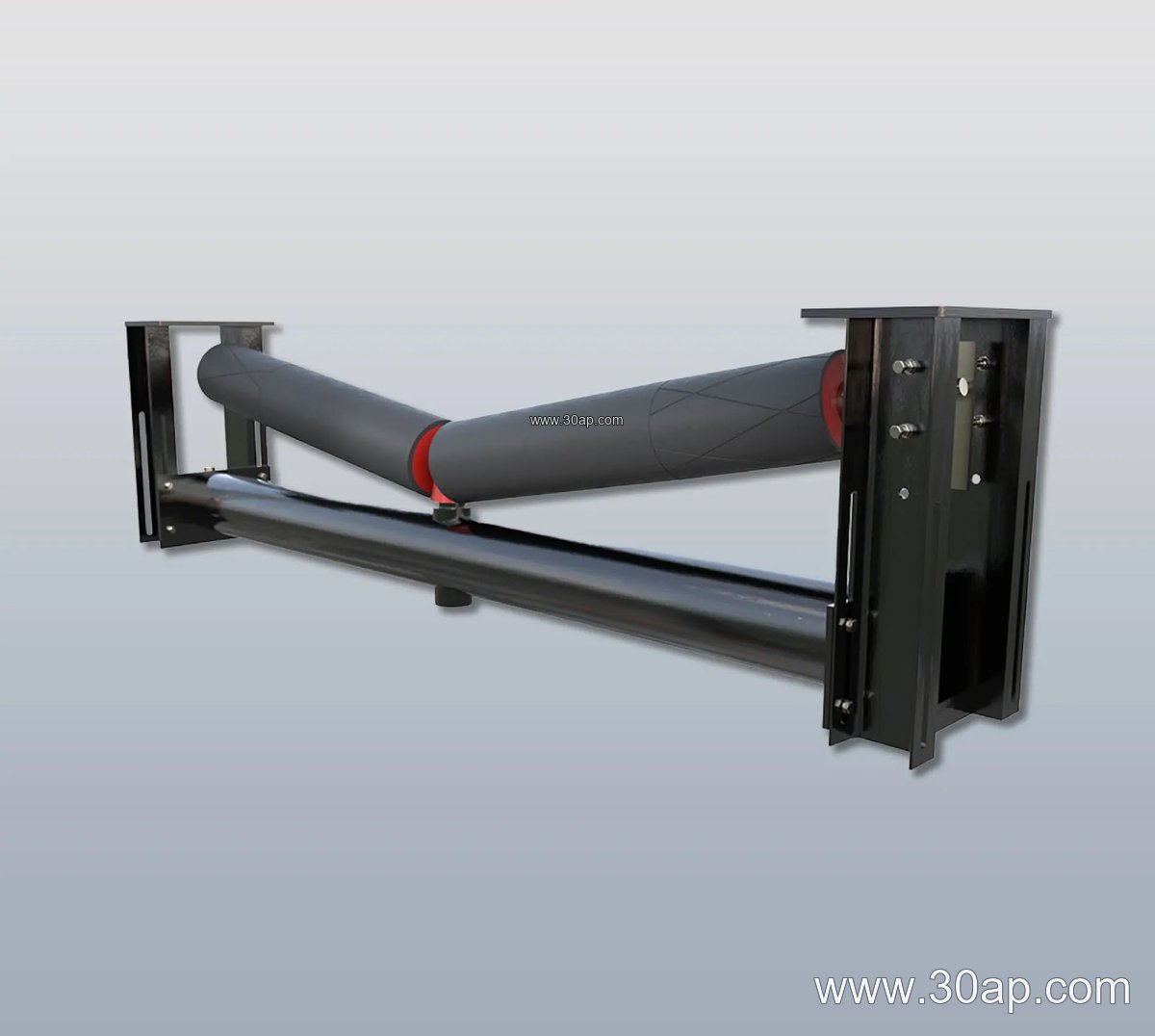
- Return bracket and flat return bracket, supporting the belt on the return run.
- V-type return bracket, common on wider belts to help center the belt.
- Impact bracket, placed under the loading point with cushion rollers.
- Self-aligning bracket, used at points where belt misalignment is likely.
- Forward-leaning bracket, with a small tilt of about 1.5 to 2 degrees to assist tracking.
- Suspended bracket, hung from a wire rope or chain in tight structures.
- Adjustable bracket, allowing the trough angle to be changed on site.
Adjustable and fixed brackets are often compared. A fixed bracket is cheaper and stiffer, while an adjustable one lets the maintenance team tune the trough angle between common values such as 20, 30, 35, and 45 degrees without cutting steel.
Trough Angle, Belt Width, and Roller Diameter
These three values are chosen together, but they are not locked to each other. A B800 belt may run at 30 or 35 degrees with a Ø108 or Ø133 roller, and a B1200 line may use 35 or 45 degrees with Ø133 or Ø159 rollers. The final combination is set by the material, the belt type, and the design of the whole conveyor. The table below shows common reference combinations, not mandatory matches.
| Belt width | Typical trough angle | Common roller diameter | Bracket form |
|---|---|---|---|
| B500 / B650 | 20 to 30 degrees | Ø89 | Angle steel trough bracket |
| B800 | 30 to 35 degrees | Ø108 | Channel or folded plate trough bracket |
| B1000 / B1200 | 35 to 45 degrees | Ø133 | Trough bracket with gussets |
| B1400 / B1600 | 35 to 45 degrees | Ø159 | Heavy folded plate bracket |
| B1800 to B2200 | 35 to 45 degrees | Ø159 / Ø194 | Reinforced or suspended bracket |
Installation hole pitch and crossbeam length change with belt width and trough angle, so they should be confirmed against the drawing rather than assumed.
Where These Brackets Are Used
You will find carbon steel conveyor brackets on almost any bulk handling line. In a limestone quarry or a crushing and screening plant, they support the belts that move blasted rock from the primary crusher. In a coal washing plant or a power station coal yard, flame retardant and anti-static belts run on trough and return brackets that must resist dust and moisture. In a cement plant, heat resistant conveyor belts on clinker lines need brackets that keep their shape under thermal cycling. A steel plant sinter line, a port ship loader, and a fertilizer silo all rely on the same basic bracket family.
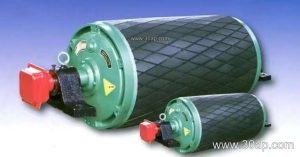
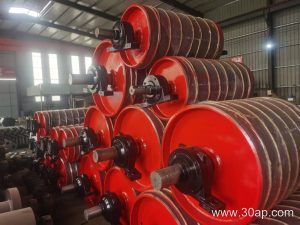
The bracket works with the conveyor belt, the idler roller, and the conveyor pulley to keep the whole system aligned. If the bracket is weak, the roller sags, the belt wears unevenly, and the pulley has to correct tracking it cannot fix. Many sites review the bracket layout at the same time as they review the belt specification, whether that is an EP conveyor belt, a steel cord conveyor belt, or a multi-ply fabric core belt.
What a Buyer Should Check
Before ordering, confirm the belt width, the required trough angle, the roller diameter, the frame hole spacing, and the loading conditions. Ask for the material thickness and the finish, since paint thickness and galvanizing affect service life in wet or coastal plants. Check whether the bracket is fixed or adjustable, and whether it is designed for a standard trough set or for impact or self-aligning rollers. For high-abrasion duties such as iron ore or copper ore, a heavier bracket and a high abrasion resistant conveyor belt work better together. For cold climates, confirm that the steel grade suits low temperatures.
Good brackets are simple parts, but they set the geometry of the entire conveyor. Getting them right at the design stage saves far more than the purchase price in reduced belt edge wear and fewer roller changes. For more on matching brackets with rollers and belts, visit beltconveyorparts.com and review the conveyor bracket and idler roller ranges together.