What a Mining Ceramic Lagged Pulley Does
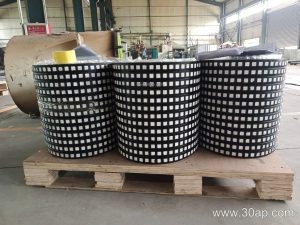
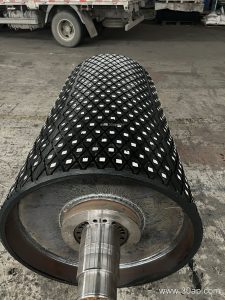
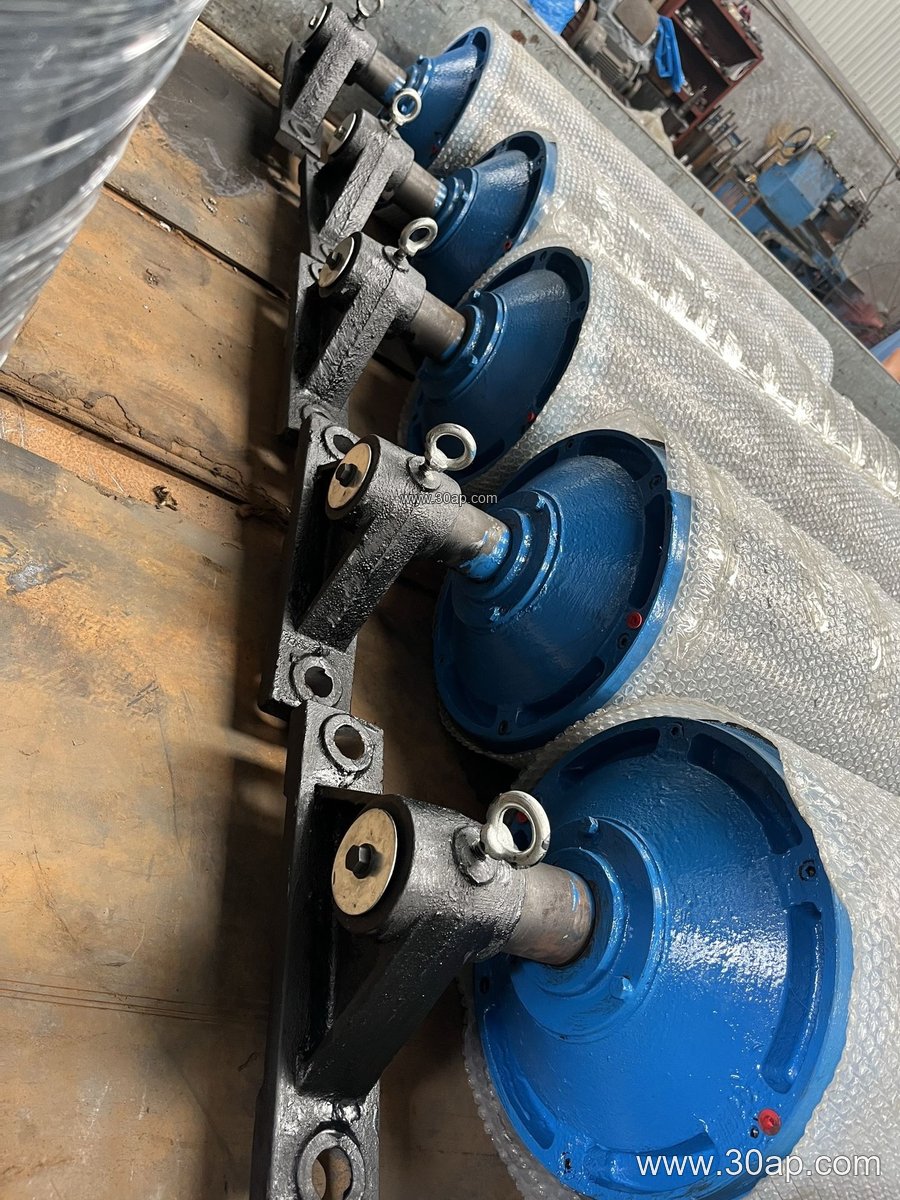
A mining ceramic lagged pulley is a conveyor pulley whose shell is covered with vulcanized rubber tiles embedded with small ceramic studs. The ceramic gives the surface a hard, gritty texture; the rubber backing absorbs shock and keeps the tiles in place. In a quarry, iron ore plant, or coal handling circuit, this covering raises the friction between the shell and the belt so that the drive can transmit torque without slipping, even when the belt is damp, dusty, or carrying fines.
It is not a belt cleaner and not a substitute for correct belt tension. Its job is grip and wear life at the driving point, where the highest tangential force passes between drum and belt.
Construction Details That Matter
The base is a welded steel shell, usually machined true before lagging. Ceramic tiles are bonded to a rubber sheet, then the whole pad is applied to the shell, most often by hot vulcanization so the rubber cures directly onto the prepared surface. Tile height is typically a few millimeters above the rubber, and the pattern is arranged in rows or diamonds so water and slurry can escape instead of forming a slippery film.
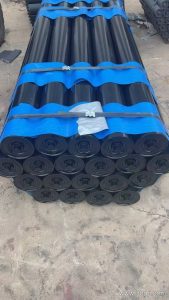
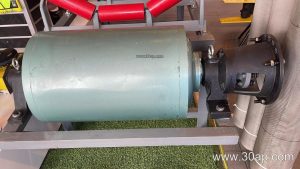
Common lagging thicknesses are 8, 10, 12, 15 and 20 mm, with thicker pads used on smaller diameter pulleys where the belt wrap angle is large. The pulley body itself may be a drive pulley, head pulley, tail pulley, bend pulley, or take-up pulley; the ceramic covering is a surface choice, not a position in the conveyor.
Where It Fits in the Plant
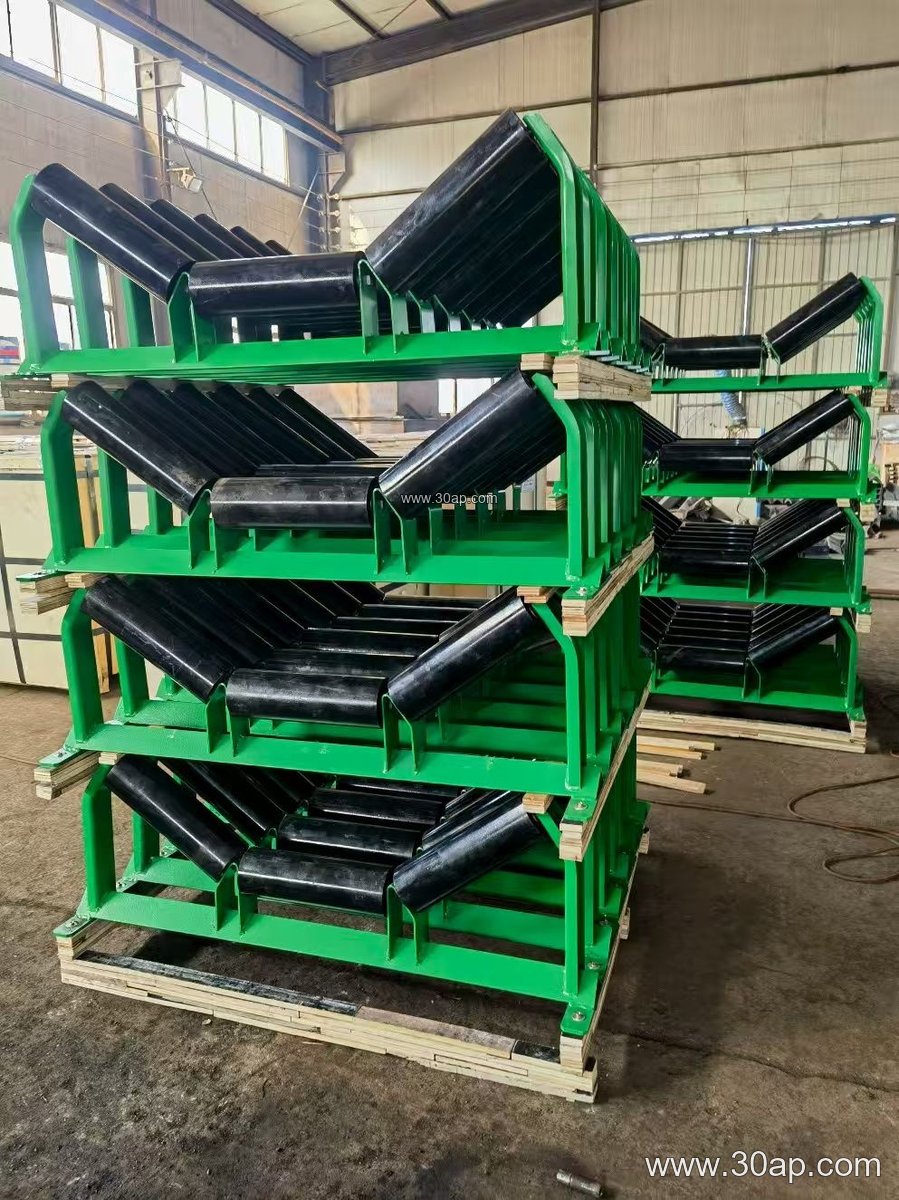
Ceramic lagging is most often specified for the drive pulley of a heavy-duty mining conveyor belt, particularly on inclined sections where a slip would be costly. Typical settings include ore transfer in a copper mine, crushed stone lines at an aggregate conveyor belt discharge, and coal handling in a power plant. It also appears on the tail pulley of an underground mining conveyor belt where mud and water make plain steel drums unreliable.
On a long overland route carrying bulk material, the drive pulley may have a ceramic surface while the bend pulley stays plain steel or rubber lagged. That difference is deliberate: the bend pulley only changes belt direction, so it does not need the same friction coefficient.
Matching the Pulley to the Belt
Belt width and pulley diameter are chosen together with belt tension, not from a fixed table. A B800 belt might run on a Ø500 drive pulley in one conveyor and a Ø630 in another with higher tension or a different wrap angle. Face width is normally slightly greater than belt width; for example, a B650 belt usually sits on a pulley face of about 750 mm, and a B1200 on about 1400 mm. Shaft diameter follows torque and bearing load, so Ø100 or Ø140 may appear on the same belt width in different duty levels.
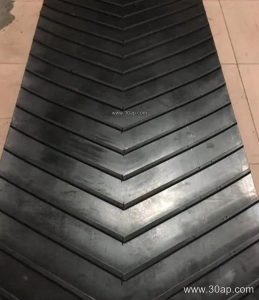
When the belt is an EP conveyor belt or a steel cord conveyor belt, the pulley lagging should be checked for groove compatibility. Ceramic studs can be harsh on thin covers, so a high abrasion resistant conveyor belt with adequate cover thickness is a better match on the drive than a light fabric core belt.
Buyer Checklist
- Confirm the pulley position: drive, tail, bend, or take-up, and the wrap angle.
- Give belt width, belt type, and belt tension so the supplier can size the shell and shaft.
- State the environment: wet, dusty, oily, or high temperature, since these change the rubber compound.
- Ask how the tiles are bonded and whether the pad is hot vulcanized or cold bonded.
- Check that the pulley face width and shaft diameter fit the existing conveyor bracket and bearing housing.
Inspect the ceramic surface at each shutdown. Missing tiles create a high spot that can damage the belt cover, and worn rubber between tiles reduces grip. Re-lagging is usually cheaper than replacing a scored shell.
For more on conveyor drums and related components, see the pulley and idler roller pages at conveyorparts.example.com, where mining conveyor pulley options are listed alongside rubber conveyor belt and EP conveyor belt ranges.