What a Fixed Conveyor Bracket Does on a Conveyor Line
A fixed conveyor bracket is the stationary support that holds idler rollers at a set height, angle and alignment along a conveyor frame. Unlike adjustable brackets that can be re-positioned for different trough angles, a fixed bracket is built to one geometry and stays there. It is the quiet workhorse behind steady belt tracking in a quarry, a cement plant, a power station coal yard or a sand and gravel line. When engineers talk about the conveyor bracket as part of the structure, they usually mean this fixed type that carries the conveyor belt and its load without movement.
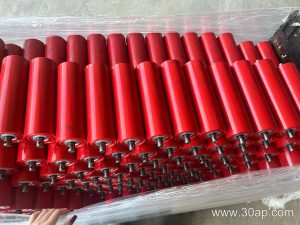
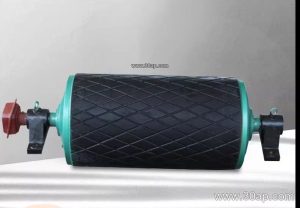
The bracket works together with the idler roller and the conveyor pulley: the pulley drives, the rollers support, and the bracket keeps everything in line. A poorly matched bracket shows up quickly as belt misalignment, edge wear or spillage.
Construction and Common Forms
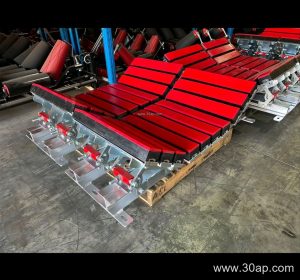
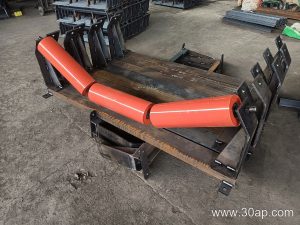
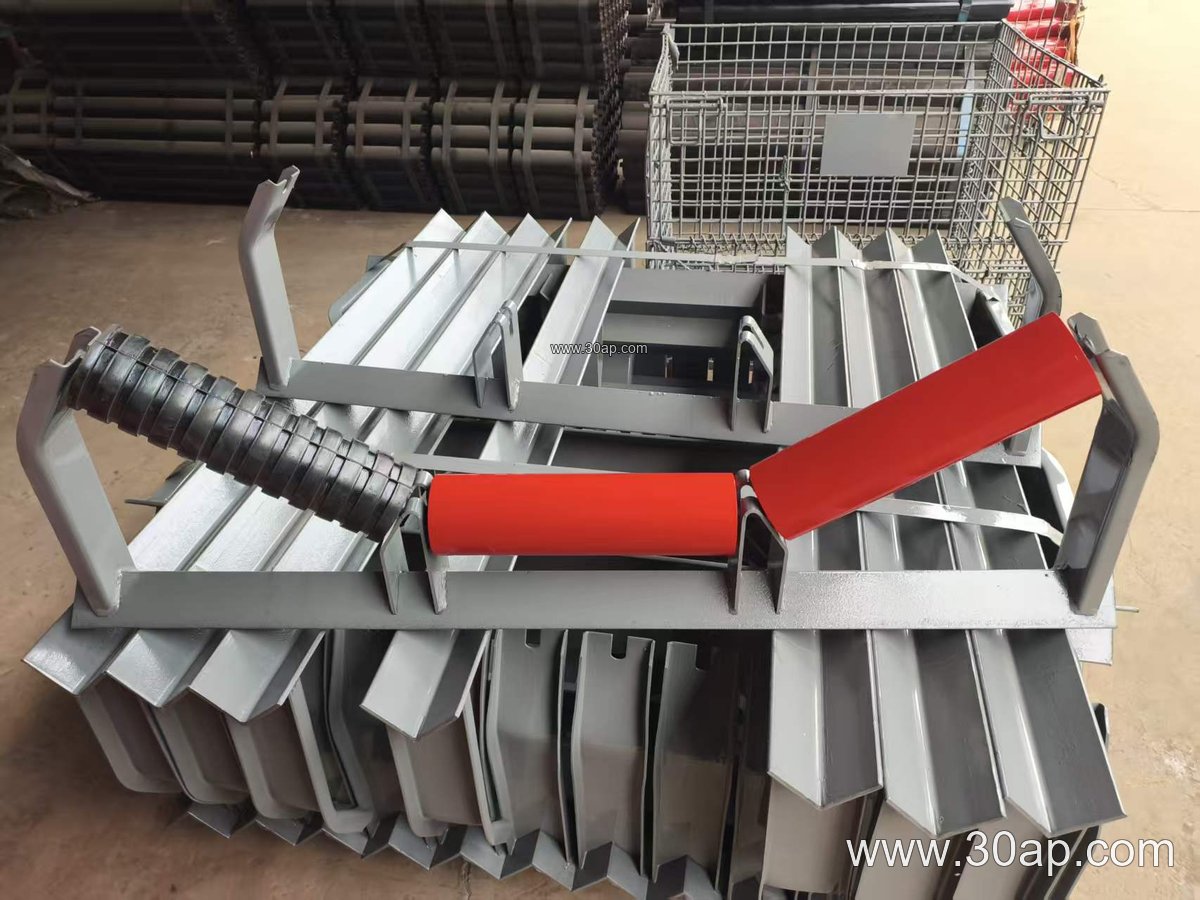
Most fixed brackets are fabricated from angle steel, channel steel or folded steel plate, then drilled or punched for mounting. The design is simple but the details matter: hole spacing, crossbeam length and the angle of the roller seats all follow the belt width and trough angle. Common configurations include trough brackets for the carrying side, return brackets and V-return brackets for the lower run, impact brackets under loading points, and self-aligning or forward-leaning brackets where tracking is a concern.
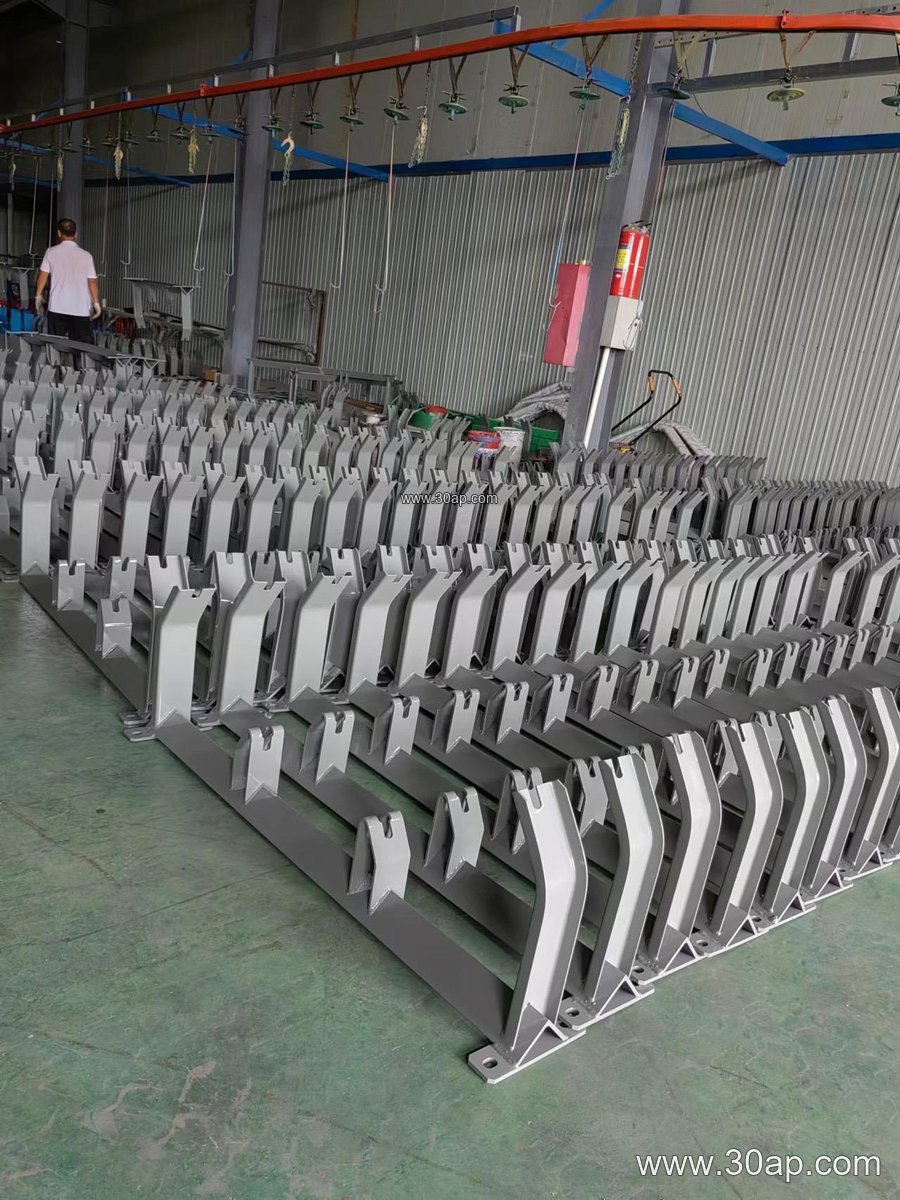
Typical reference data for these brackets looks like this:
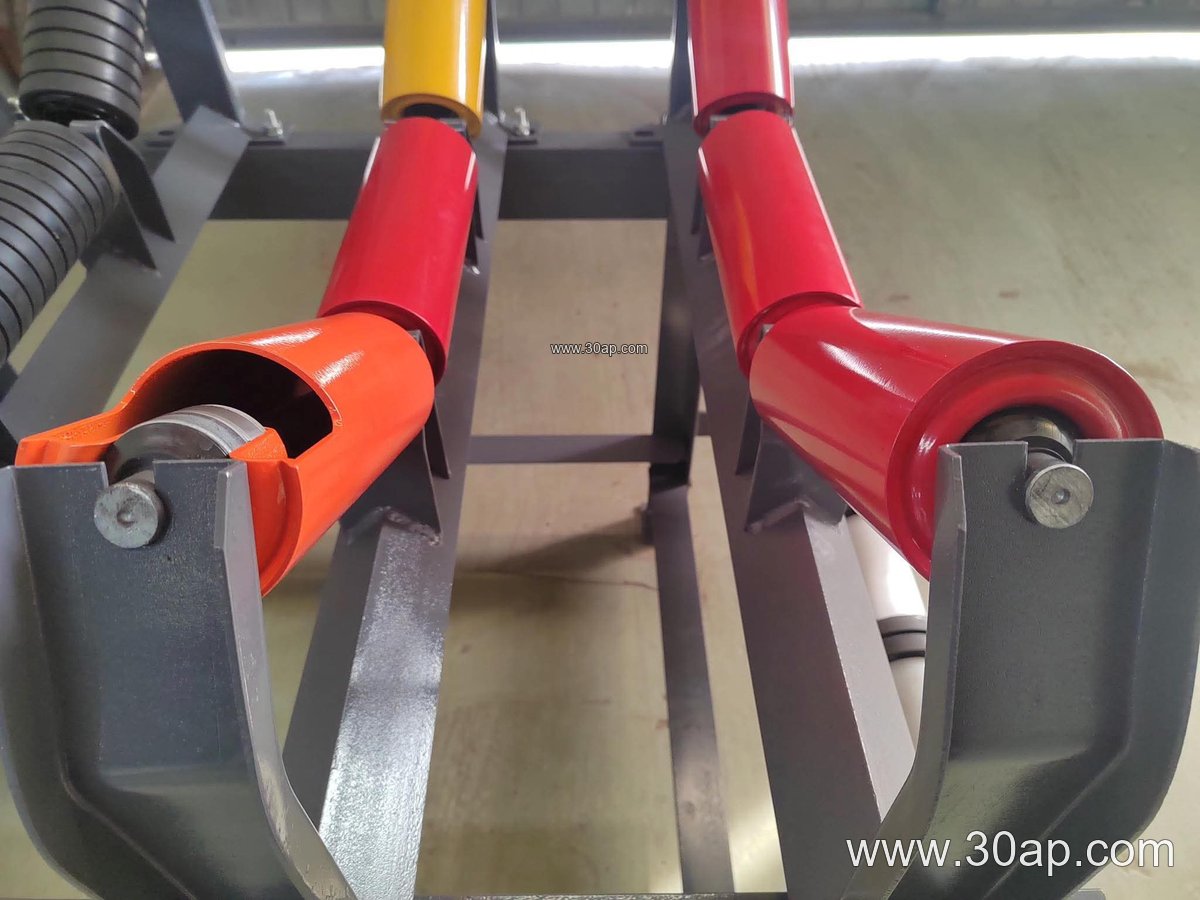
- Belt width range: B500, B650, B800, B1000, B1200, B1400, B1600, B1800, B2000
- Trough angles: 20°, 30°, 35°, 45° (fixed type holds one angle)
- Idler diameter references: Ø89, Ø108, Ø133, Ø159, Ø194
- Materials: angle steel, channel steel, folded steel plate
These values are reference points only. Actual mounting hole spacing and crossbeam length are determined by design, because a wider belt or a steeper trough angle changes the geometry. A B800 bracket at 35° with Ø108 rollers is a common combination, but it is not the only one, and no single belt width locks a bracket to one roller diameter.
Where Fixed Brackets Are Used
You will find fixed conveyor brackets in almost any bulk handling operation. In a limestone quarry or aggregate plant, trough brackets support an abrasion resistant conveyor belt carrying crushed rock. In a coal washing plant or power plant coal yard, flame retardant and anti-static belts run on brackets that must hold alignment through long transfers. Cement plants use them on clinker and raw meal lines, while iron ore and copper ore operations rely on heavy-duty brackets under high impact loading.
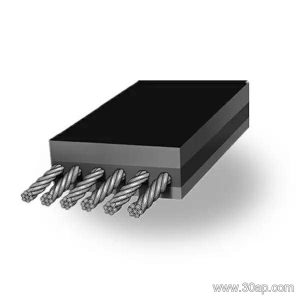
The bracket itself is often paired with a fabric core conveyor belt such as EP Conveyor Belt or NN Conveyor Belt in medium-duty runs, and with steel cord conveyor belt in high-tension main lines. In underground mining, compact fixed brackets keep the belt profile low and predictable. The same principle applies in a fertilizer plant, a grain silo or a tunnel spoil line: the bracket is chosen to suit the belt, the load and the environment.
Fixed vs Adjustable and Other Comparisons
An adjustable bracket allows the trough angle to be changed between, say, 20° and 45°, which helps during commissioning or when belt conditions change. A fixed bracket trades that flexibility for rigidity and simpler maintenance. It is not a replacement for a drive pulley, tail pulley or bend pulley, and it should not be confused with them; those are separate components with different jobs. Similarly, a trough bracket is not a return bracket, and a V-return bracket is not a self-aligning bracket. Each has a specific position and function on the conveyor.
Forward-leaning brackets, usually set at about 1.5° to 2°, are a variant used to encourage belt tracking, but they remain a bracket type, not a substitute for proper pulley alignment.
Buyer Checklist
- Confirm belt width and trough angle before ordering; both affect hole spacing and crossbeam length.
- Match the bracket to the idler roller diameter actually used on site.
- Check material thickness and finish for the environment, especially in wet or corrosive plants.
- Ask how the bracket mounts to the frame and whether replacement rollers fit the same seats.
- For high-impact loading zones, specify impact brackets rather than standard trough brackets.
A well-chosen fixed conveyor bracket is a small part of the total conveyor cost but a large part of its reliability. Getting the geometry right at the start avoids belt training problems later, whether the line runs in a mine, a port terminal or a stone crushing plant.