What a Guide Roller Does on a Conveying Line
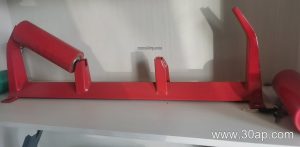
A guide roller is a small-diameter roller assembly mounted at the edges of a conveyor belt to keep it centered and to limit lateral drift before it becomes a real problem. In a quarry, a cement plant, or a power plant coal yard, belt mistracking can rub the edge of a fabric core conveyor belt against the frame, spill material, and shorten belt life. The guide roller sits close to the belt edge and applies a gentle correcting force, usually through a vertical or slightly angled roller face.
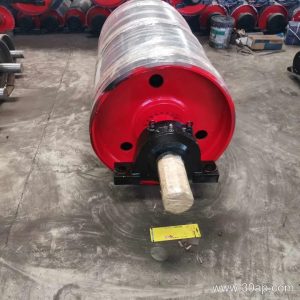
It is not the same duty as a conveyor pulley. Drive, tail, and bend pulleys transmit power or change belt direction; a guide roller only steers. It also differs from a standard idler roller, which mainly supports the belt and the load. On a long overland line or a ship loading conveyor, both functions are needed, but they are separate components with separate selection rules.
Construction and Mounting
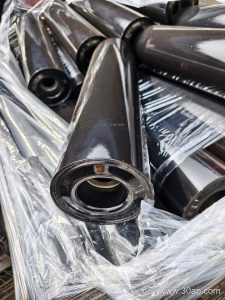
Most guide rollers are built around a steel tube body with sealed ball bearings, a fixed shaft, and a bracket that bolts to the conveyor frame. Because the roller turns only when the belt touches it, the seal and bearing quality matter more than raw load capacity. Dust from limestone, iron ore, or clinker finds its way into poorly sealed bearings, so a labyrinth seal or a multi-lip seal is common in harsh duty.
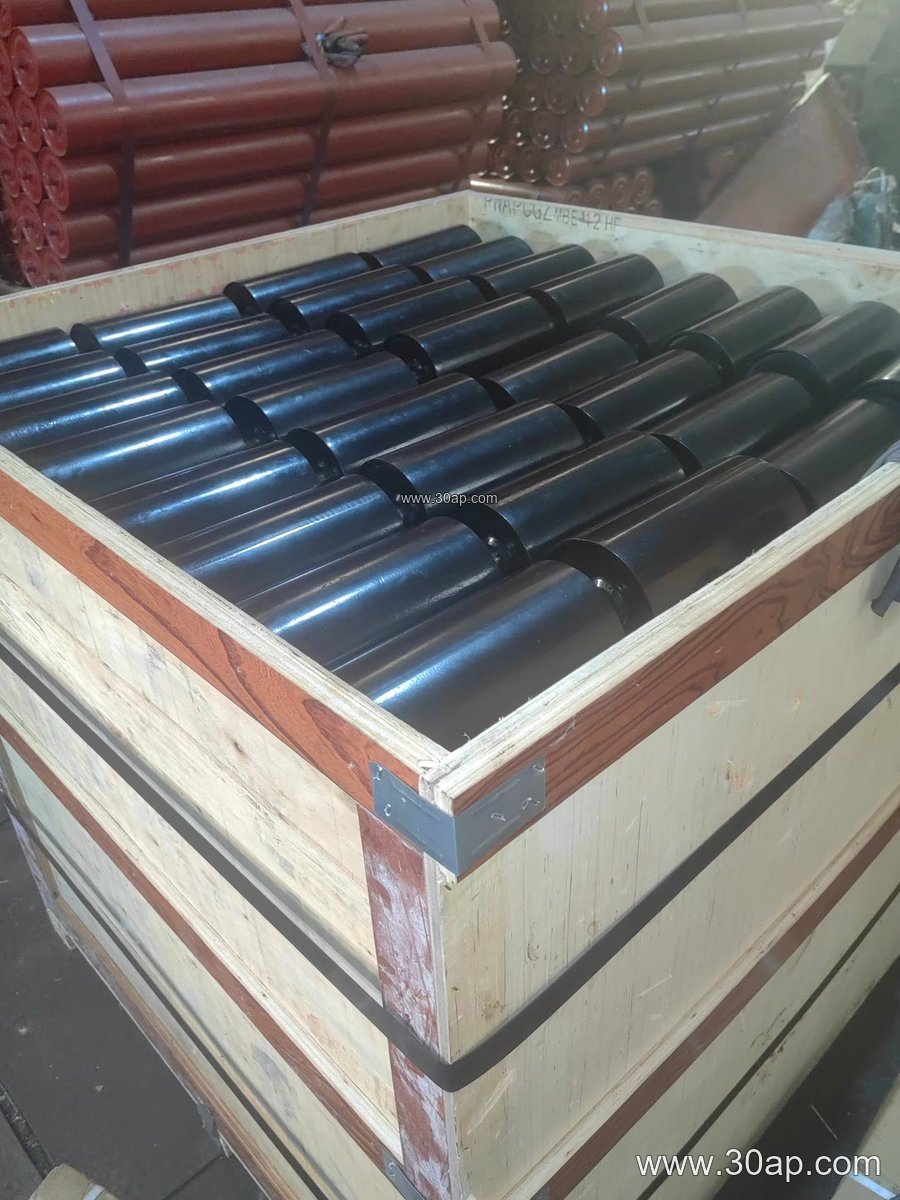
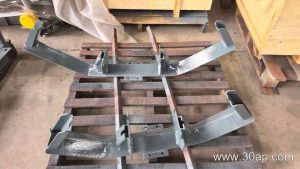
The roller face is usually plain steel, though nylon or rubber-covered versions appear where edge wear is severe. Mounting height and angle are set by the frame design, and a conveyor bracket should be sturdy enough that the roller does not flex under side load. A common arrangement places guide rollers in pairs, one on each side, just ahead of a transition zone or a loading point.
Where It Fits in Bulk Handling
Guide rollers are used in aggregates plants, coal preparation, gold mining conveyor circuits, and port bulk terminals. They are especially useful where a steel cord conveyor belt runs at high speed and small tracking errors grow quickly, or where a chevron conveyor belt with a patterned surface needs edge control without interfering with the cleats. In a tunnel boring operation or a crusher discharge line, a guide roller before the head end can reduce edge damage caused by uneven loading.
They should not be confused with self-aligning idlers. A training idler uses a pivoting frame to swing the whole roller set, while a guide roller is a fixed, local correction device. Both may appear on the same conveyor, and each has a place.
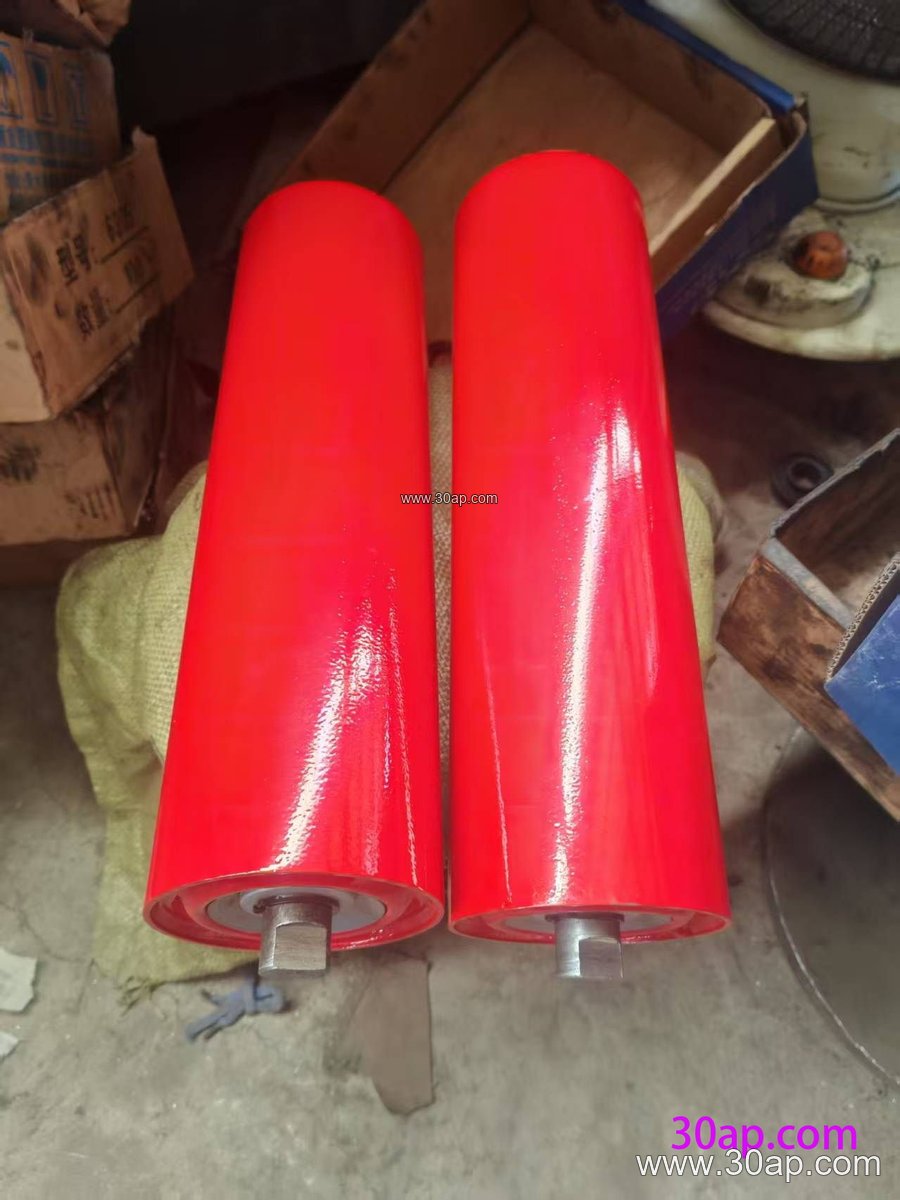
Reference Dimensions and Related Components
The table below gives typical reference values only. Actual roller length, shaft, and bearing choice follow belt width, frame geometry, and the engineering design of the conveyor.
| Reference Item | Common Range or Example |
|---|---|
| Roller diameter | Ø63, Ø76, Ø89, Ø102, Ø108 mm |
| Belt width | B500, B650, B800, B1000, B1200, B1400 mm |
| Bearing | 6204, 6205, 6305, 6306 |
| Roller surface | Steel tube, nylon, rubber ring |
| Mounting | Bolted bracket, fixed shaft, paired left and right |
These values are guides, not fixed matches. A wider belt does not automatically dictate one shaft size, and a given roller diameter can accept more than one bearing. Buyers should confirm the mounting hole pattern and the available space between the belt edge and the frame.
Buyer Checklist
- Confirm belt width and edge clearance so the roller touches the belt without pinching it.
- Check the seal class against the site conditions, especially in cement, coal, and ore dust.
- Verify bracket dimensions and bolt spacing against the existing frame.
- Ask how the roller is balanced at the intended belt speed, since vibration shortens bearing life.
- Match the roller surface to the belt type, for example a plain face for an EP conveyor belt and a smooth face for a pipe conveyor belt edge zone.
On a well-designed line, a guide roller is a low-cost part that protects expensive belting. Replacing a worn guide roller early is cheaper than repairing a damaged edge on a heavy-duty mining conveyor belt or an abrasion resistant conveyor belt carrying sharp rock.