What a Chevron Conveyor Belt Is
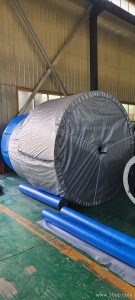
A chevron conveyor belt is a rubber conveyor belt with raised cleats molded onto the top cover in a V or herringbone pattern. The profile is often called a chevron pattern conveyor belt or simply a cleated belt, but the product remains a fabric- or steel-reinforced rubber belt with a patterned carrying surface. The raised ribs help hold bulk material on an incline, reducing rollback and spillage on slopes where a smooth belt would struggle. In mining, quarrying, cement plants, power stations and sand and gravel yards, this belt is commonly selected for inclined haulage between crushers, screens and stockpiles.
Construction and Profile Design
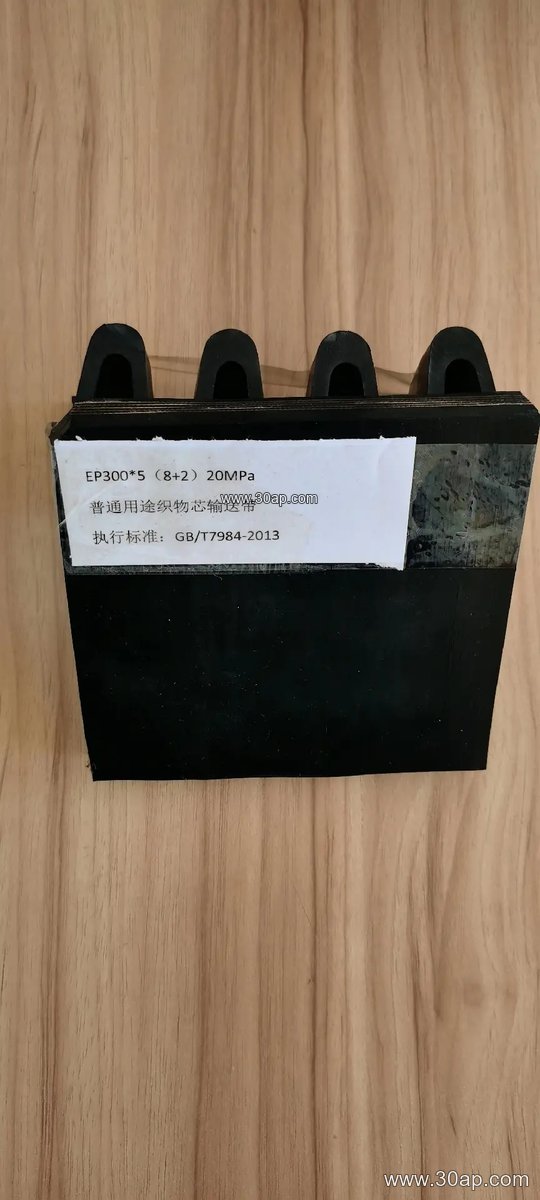
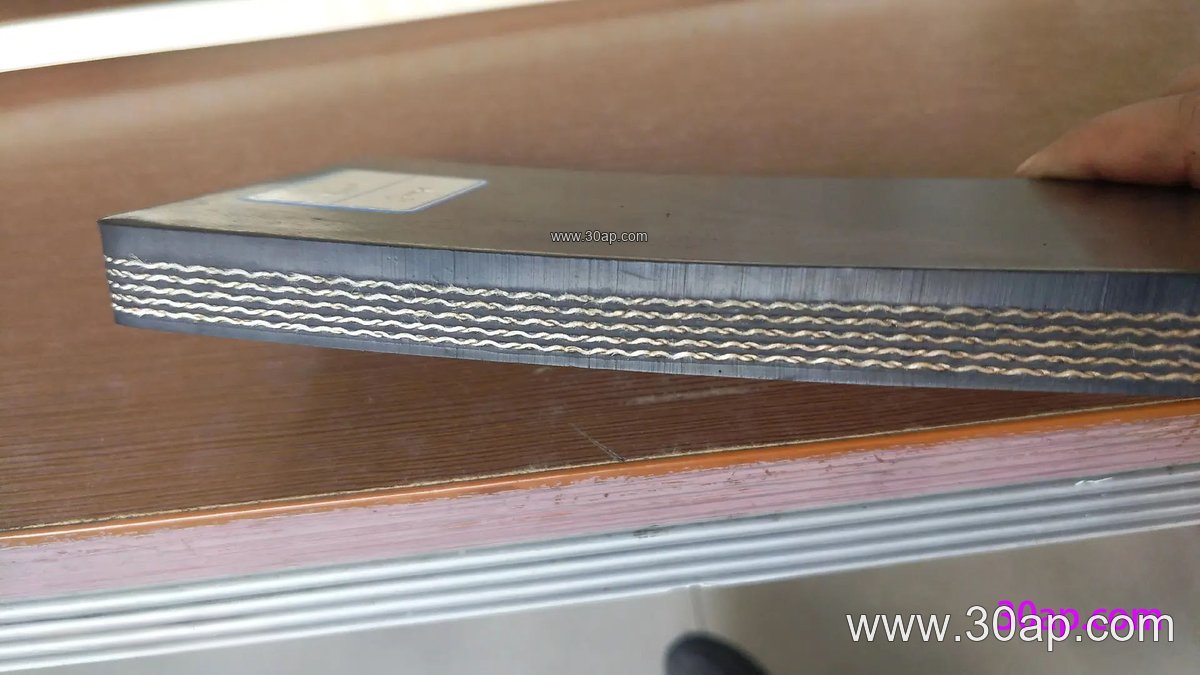
The body of a chevron belt usually follows the same build as a standard fabric or steel-cord belt: a carcass of EP or NN fabric plies, or steel cords for very high tension, covered by top and bottom rubber layers. The chevron ribs are vulcanized onto the top cover during production, so they become part of the belt rather than a glued-on accessory. Profile height, pitch and angle vary by design. Common chevron belt widths include B650, B800, B1000, B1200 and B1400, with wider options such as B1600 and B1800 for large-tonnage installations. Cover rubber grades may be abrasion resistant, flame retardant, oil resistant or heat resistant, depending on the cargo and the environment. A chevron belt used underground may also require anti-static and fire resistant properties.
Where It Fits in the Conveyor Line
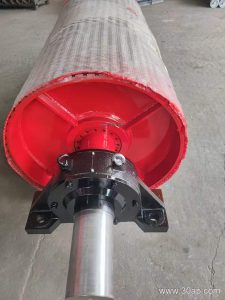
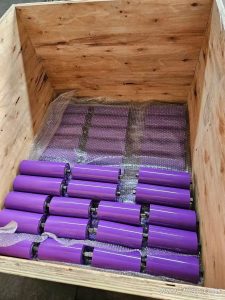
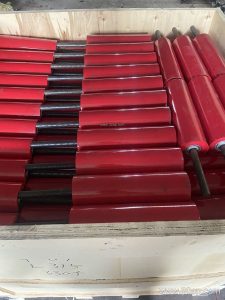
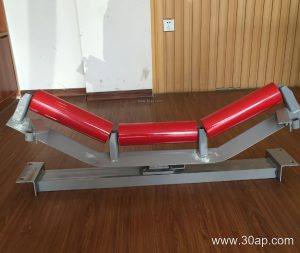
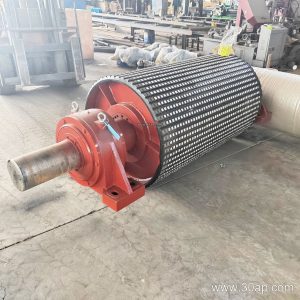
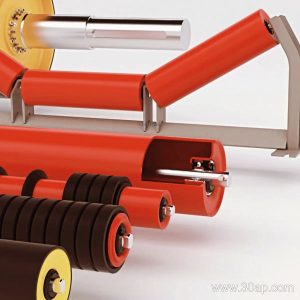
This belt runs on the same basic conveyor structure as a smooth belt: a drive pulley, tail pulley, bend pulleys, idler rollers and conveyor brackets. The patterned surface does not change the pulley arrangement, but it does affect belt tracking and cleaning. On a inclined conveyor, the chevron ribs catch material that would otherwise slide back. In a quarry or aggregate plant, it often carries crushed stone from a crusher to a screen. In a coal mining conveyor system, flame retardant grades may be specified for underground use. A cement plant may use a heat resistant chevron belt after a clinker cooler, while a power plant may choose an abrasion resistant compound for limestone or coal handling.
Common Specifications and Reference Data
Buyers often compare chevron belts by carcass type, strength grade, width and cover thickness. The table below shows typical reference values; actual supply depends on the manufacturer and the conveyor design.
| Parameter | Common reference values |
|---|---|
| Carcass type | EP fabric, NN fabric, steel cord |
| Strength grade | EP200, EP315, EP400, EP500, EP630, EP800, EP1000; ST1000 to ST2000 for steel cord |
| Belt width | B500, B650, B800, B1000, B1200, B1400, B1600, B1800 |
| Cover thickness | 3+1.5 mm, 4+2 mm, 5+2 mm, 6+2 mm, 8+3 mm |
| Ply count | 2 to 6 plies for fabric core |
| Profile type | V-shaped, herringbone, open or closed chevron |
These figures are not universal. A 1200mm wide chevron belt may be built with different ply counts and rubber grades for a quarry conveyor and a coal mining conveyor. Belt width and pulley diameter are matched by conveyor design, not by a fixed rule.
Selection Notes for Buyers
- Match the chevron profile to the incline angle and material size. Open chevron patterns suit sticky or wet loads; closed patterns can handle finer material.
- Check compatibility with the conveyor pulley and idler roller layout. The rib height must clear the belt path and any skirt rubber.
- Choose the cover grade for the site: abrasion resistant for aggregate and ore, flame retardant for coal, heat resistant for cement and power plant service, oil resistant for recycled or oily cargo.
- Consider the cleaning method. Chevron ribs are harder to clean than a smooth belt, so scrapers and water sprays may need adjustment.
- For long inclines or heavy loads, a steel cord or high-strength EP carcass may be needed instead of a light fabric core.
Maintenance and Related Components
Routine checks should cover rib wear, edge damage and splice condition. Worn chevron ribs reduce the belt’s ability to hold material on the incline, even if the carcass is still sound. Inspect the drive pulley lagging, tail pulley and every idler roller for buildup that can misalign the belt. Conveyor brackets and frames should be checked for loose bolts after heavy impact loading. Where the belt runs in a tunnel or underground mine, keep the anti-static and flame retardant properties intact by using approved repair materials. A spare chevron belt section or a planned splice replacement can reduce downtime in a busy quarry or coal handling circuit.
For more information on chevron conveyor belts and matching conveyor components, visit our site at https://www.example.com/chevron-conveyor-belt and review the conveyor belt, idler roller and conveyor pulley pages.